


 पूर्वावलोकन देखें
 भेजें
भेजें साझा करें
 विवरण देखें
 मार्गदर्शिका

 डाउनलोड करें
 समान वस्तुएं
 एक्स-रे
 स्लाइड शो देखें
 आंकड़े
Marlene (Mother and son)
 Oil
Oil- WallArt
- Surrealism
 1940
1940- Modern
 23.0 x 19.0 cm
Explore Max Ernst’s surreal masterpiece ‘Marlene,’ depicting a woman atop a bird, symbolizing motherhood and myth. Discover more iconic Surrealist paintings at WikiArt!
“Marlene (Mother and son)” was created in 1940 by Max Ernst in Surrealism style. Find more prominent pieces of symbolic painting at WikiArt.org – best visual art database.
sitename: www.wikiart.org
date: 2024-03-27
tags: ['allegor
 और पढ़ें
मैक्स अर्न्स्ट (1891-1976) एक जर्मन-अमेरिकी चित्रकार थे जिन्होंने दादा और अतियथार्थवाद आंदोलनों में महत्वपूर्ण योगदान दिया। उनके स्वप्निल चित्रों, कोलाज और नवीन तकनीकों जैसे फ्रोटेज ने कला की दुनिया को बदल दिया।
इस पृष्ठ पर प्रदर्शित कलाकृति कॉपीराइट कानून द्वारा संरक्षित है, जिसका अर्थ है कि हम कानूनी रूप से इसकी हूबहू प्रतिलिपि बनाने या बेचने का अधिकार नहीं रखते हैं। यह संरक्षण अंतर्राष्ट्रीय समझौतों के तहत लागू किया जाता है, जैसे कि बर्न कन्वेंशन और राष्ट्रीय कानूनों द्वारा, जिनमें % द्वारा निर्धारित कानून भी शामिल हैं। अमेरिकी कॉपीराइट कानून - शीर्षक 17।
यह विधि कॉपीराइट नियमों का पूरी तरह से पालन करती है क्योंकि इसमें संरक्षित कलाकृति की नकल या प्रतिलिपि बनाना शामिल नहीं है। इसके बजाय, यह एक रचनात्मक पुनर्व्याख्या है - एक ऐसी नई पेंटिंग जो मूल कृति से प्रेरित तो है, लेकिन उसके समान नहीं है।
गिक्ली / आर्ट प्रिंट
तेज़ उत्पादन और विभिन्न फिनिश विकल्पों के साथ म्यूजियम-क्वालिटी गिकली (giclée) या कैनवस प्रिंट। ( हाथ से बनी पेंटिंग खरीदें डिजिटल इमेज पर जाएँ)




P118B ₹10

P118H ₹10

P118W ₹10

P438Z ₹10

P508JH ₹12

P508YH ₹12

P805H ₹10

P805Z ₹10

P919BZ ₹10

P919G ₹10

P919XJ ₹10

P959ZH ₹10

P968JZ ₹12

W106C ₹8

W218G ₹10

W218JH ₹8

W218Y ₹10

W307PJ ₹10

W316G ₹10

W316PJ ₹8

W316Y ₹10

W398PJ ₹8

W4111J ₹10

W500HY ₹15

W500JH ₹15

W692G ₹12

W849H ₹8

W940BG ₹15

W953PJ ₹8




मानक आकार
अनुकूलित
CM
INCH
कलाकृति के मूल अनुपात से मेल खाने वाले हमारे पूर्व निर्धारित आकारों में से चुनें।
Loading sizes...

चौड़ाई
ऊँचाई
अपने फ्रेम या अपनी दीवार के अनुसार आवश्यक चौड़ाई और ऊंचाई दर्ज करें। प्रिंट को केवल काटा जा सकता है, चित्र से बड़ा कभी नहीं बनाया जा सकता, इसलिए अलग आकार का साइज चित्र का एक हिस्सा खो देता है। किसी भी चीज़ को प्रिंट करने से पहले हम आपकी स्वीकृति के लिए आपको एक डिजिटल मॉकअप भेजते हैं। इस पृष्ठ पर दिखाया गया चित्र वास्तविक कटिंग नहीं दिखाता है — केवल मॉकअप ही इसे दर्शाता है।
विश्वव्यापी डिलीवरी (), मानक 4/5 सप्ताह के बजाय मात्र 2 सप्ताह में। (23 अक्टूबर)

दुनिया भर में मुफ़्त एक्सप्रेस शिपिंग

प्रीमियम ग्रेड लिनेन कैनवास

पूर्ण शिपिंग बीमा

सीमा शुल्क और आयात कर वापसी की गारंटी

सटीक रंग मिलान की गारंटी

100 दिनों की वापसी नीति (केवल निर्माण दोष होने पर)

100% पैसे वापसी की गारंटी

थोक छूट का अवसर
 ग्लास का विकल्प केवल 110 सेमी से कम आकार में ही उपलब्ध है।

Marlene (Mother and son)
गिक्ली / आर्ट प्रिंट
प्रतिकृति का आकार
-


कुल मूल्य
₹ 6625
A Surrealist Vision of Instinct and Connection
In the hauntingly beautiful 1940 masterpiece “Marlene (Mother and son),” Max Ernst invites viewers into a realm where the boundaries between the human psyche and the natural world dissolve. Created during one of the most turbulent eras in modern history, this painting transcends a simple depiction of maternity to become an arresting meditation on primal instincts and subconscious desires. The composition presents a striking, dreamlike tableau: a woman with vibrant red hair stands poised atop a large bird, her form embodying both vulnerability and a strange, mythic strength. Beside her, the presence of a child suggests a profound, almost elemental bond, weaving a narrative of protection and continuity amidst a landscape that feels plucked directly from a fever dream.
The emotional resonance of the piece is deeply tied to its historical moment. Painted at the height of the Second World War, the work reflects the profound anxieties of an era marked by destruction and the fragmentation of established values. Through his use of Surrealist imagery, Ernst captures the psychological distress of the time, using the dreamscape as a sanctuary for exploring themes of loss and resilience. For the collector or interior designer, this painting offers more than just visual intrigue; it provides a window into the human capacity to find meaning and connection even when the rational world is in chaos.
Technique and the Language of Automatism
To understand the visceral impact of “Marlene,” one must look toward Ernst’s mastery of automatism. Eschewing the rigid constraints of traditional academic painting, Ernst utilized techniques designed to bypass conscious thought and tap into the hidden depths of the mind. His process involved a meticulous yet spontaneous layering of textures, often employing methods such as dripping paint or creating complex collage-like surfaces that suggest a sense of organic growth and decay. This deliberate unevenness creates a tactile, breathing quality on the canvas, where every stroke feels like an unfiltered expression of the artist's internal landscape.
This technique allows the viewer to experience the painting as a living entity. The way the light seems to catch on the textured surfaces and the fluid, almost liquid transitions between figures and background contribute to its hypnotic effect. For those seeking to incorporate such a profound piece into a curated space, the technical complexity of the work ensures that it remains a captivating focal point, offering new layers of discovery upon every viewing.
Symbolism: The Flight of the Subconscious
The symbolic vocabulary of “Marlene (Mother and son)” is rich with archetypal meaning. Central to the work is the motif of the bird—a recurring element in Ernst’s oeuvre. In this composition, the bird serves as a literal foundation for the woman, yet metaphorically, it represents freedom, aspiration, and the soaring power of the spirit. The scattered birds throughout the scene further amplify this sense of interconnectedness between humanity and the wild, untamed forces of nature. These avian figures act as messengers from the subconscious, bridging the gap between the earthly maternal bond and the infinite sky.
The juxtaposition of the naked, vulnerable female form with the powerful, grounded presence of the bird creates a tension that is both unsettling and deeply moving. It speaks to the duality of existence: the fragility of life and the enduring strength of instinct. As an investment in fine art reproduction, this piece serves as a sophisticated conversation starter, bringing a sense of intellectual depth and mythic grandeur to any high-end interior, whether it be a private gallery, a study, or a contemporary living space.
प्रश्न और उत्तर
"Marlene (Mother and son)" में मैक्स अर्न्स्ट की अन्य कृतियों के साथ क्या समानता है?
"Marlene (Mother and son)" में मैक्स अर्न्स्ट की अन्य कृतियों की तरह ही Surrealism शैली और उनके प्रमुख विषय दिखाई देते हैं: psychoanalytic surrealism, mythological symbolism, ernst’s vision, artistic exploration, recurring imagery।
होम डेकोर में मैक्स अर्न्स्ट द्वारा "Marlene (Mother and son)" का उपयोग कैसे किया जा सकता है?
मैक्स अर्न्स्ट द्वारा "Marlene (Mother and son)" को Accent के लिए अनुशंसित किया जाता है, जो Hotel Lobby में रखने के लिए आदर्श है। उपयोग और स्थान मिलकर यह तय करने में मदद करते हैं कि एक प्रतिकृति (reproduction) कहाँ सटीक बैठेगी।
मैक्स अर्न्स्ट द्वारा "Marlene (Mother and son)" में कौन से विषय दिखाई देते हैं?
मैक्स अर्न्स्ट द्वारा "Marlene (Mother and son)" में मौजूद विषयों में symbolism, surrealism, mythology, birds, femininity, dreamscape, allegory शामिल हैं। ये मिलकर कलाकृति के विषय वस्तु का सार प्रस्तुत करते हैं।
कलाकार का परिचय
मैक्स अर्न्स्ट: स्वप्निल कल्पनाओं का पथप्रदर्शक
मैक्स अर्न्स्ट, जिनका जन्म 2 अप्रैल, 1891 को ब्रुहल, जर्मनी में हुआ था, बीसवीं सदी के सबसे महत्वपूर्ण और प्रभावशाली कलाकारों में से एक थे। उनका जीवन कलात्मक खोजों, दार्शनिक चिंतन और सामाजिक मानदंडों के प्रति गहरी अस्वीकृति का मिश्रण था। उनके पिता, जो बधिरों के शिक्षक और शौकिया चित्रकार थे, ने उनमें दुनिया के प्रति संवेदनशीलता और स्थापित सत्ता के खिलाफ विद्रोह की भावना पैदा की। यह द्वैत उनकी कलात्मक दृष्टि को परिभाषित करता रहा। उन्होंने बोन विश्वविद्यालय में दर्शनशास्त्र, कला इतिहास, साहित्य, मनोविज्ञान और मनोचिकित्सा का अध्ययन किया, जिसने उनके बाद के कार्यों को गहराई से प्रभावित किया। वे केवल यह जानने में रुचि नहीं रखते थे कि कैसे पेंट करना है; वे यह समझने की कोशिश कर रहे थे कि क्यों पेंट करना है।
प्रथम विश्व युद्ध ने अर्न्स्ट के जीवन में एक महत्वपूर्ण मोड़ लाया। पूर्वी और पश्चिमी मोर्चों पर सैनिक के रूप में उनके अनुभवों ने उन्हें स्थापित व्यवस्था के प्रति गहरी अविश्वास पैदा किया और अभिव्यक्ति के नए तरीकों की तलाश करने के लिए प्रेरित किया। यह निराशा 1918 में जर्मनी में उभरे दादा आंदोलन में पनपी, जिसके वे एक प्रमुख सदस्य बन गए। दादावाद ने पारंपरिक कलात्मक सम्मेलनों को खारिज कर दिया और मूर्खता, संयोग और तर्कहीनता को अपनाया। अर्न्स्ट ने हंस आरप के साथ मिलकर काम किया, जो उनके जीवन भर के दोस्त और सहयोगी बने रहे। बाद में उन्होंने पेरिस जाकर सर्रियलिज़्म (Surrealism) आंदोलन से जुड़ गए, जहाँ उन्होंने सपनों की दुनिया, अवचेतन मन और अतार्किकता का पता लगाना शुरू कर दिया। सिग्मंड फ्रायड के मनोविश्लेषणात्मक सिद्धांतों से प्रभावित होकर, अर्न्स्ट ने अपनी कला के माध्यम से मानव अनुभव की छिपी गहराइयों को उजागर करने की कोशिश की।
तकनीकी नवाचार: फ्रोटेज, ग्राटेज और कोलाज
अर्न्स्ट की कलात्मक नवीनता विषय वस्तु से परे थी; वे तकनीक के साथ लगातार प्रयोग करते रहे। उन्होंने मौजूदा तरीकों को अपनाने के बजाय नई तकनीकों का आविष्कार किया। उनकी सबसे प्रसिद्ध योगदानों में से एक फ्रोटेज है - एक ऐसी प्रक्रिया जिसमें विभिन्न बनावट वाली सतहों पर पेंसिल या चारकोल रगड़ा जाता है ताकि अप्रत्याशित और मार्मिक छवियां बनाई जा सकें। यह तकनीक, जो लकड़ी की दादरा को देखते हुए ऊबने के क्षण से उत्पन्न हुई थी, ने उन्हें अवचेतन मन में टैप करने और उन रूपों को उत्पन्न करने की अनुमति दी जो सचेत नियंत्रण को चुनौती देते हैं। निकटता से संबंधित ग्राटेज था, जिसमें कैनवास पर पेंट को खुरचकर नीचे की परतों को उजागर किया जाता है।
उन्होंने कुशलतापूर्वक कोलाज का भी उपयोग किया, पत्रिकाओं, वैज्ञानिक चित्रों और तस्वीरों से अलग-अलग तत्वों को जोड़कर अवास्तविक रचनाएँ बनाईं जो प्रतिनिधित्व की पारंपरिक धारणाओं को चुनौती देती हैं। ये तकनीकें केवल शैलीगत विकल्प नहीं थीं; वे अवचेतन मन की खोज और कलात्मक सीमाओं को बाधित करने की उनकी इच्छा के अभिन्न अंग थे। उनकी पेंटिंग में अक्सर आवर्ती प्रतीकात्मक कल्पना होती है: पक्षी (विशेष रूप से उनके व्यक्तित्व लोप्लोप), बंजर परिदृश्य, परेशान करने वाले संयोजन और रहस्य की एक सर्वव्यापी भावना।
कलात्मक विकास और प्रभाव
द्वितीय विश्व युद्ध के प्रकोप ने अर्न्स्ट को यूरोप छोड़ने के लिए मजबूर कर दिया, जिसने उन्हें संयुक्त राज्य अमेरिका में शरण दी। उन्होंने अपनी निर्वासन के दौरान भी नई तकनीकों के साथ पेंटिंग और प्रयोग करना जारी रखा, अंततः युद्ध के बाद फ्रांस लौट आए जहाँ वह अपनी मृत्यु तक सक्रिय रहे। उनकी कला का बाद की पीढ़ियों के कलाकारों पर असीम प्रभाव पड़ा है। अर्न्स्ट ने दादा और सर्रियलिज़्म में अपने योगदान से कलात्मक मानदंडों को चुनौती दी, मानव मन की गहराई में उतरे और नवीन तकनीकों का आविष्कार किया जो आज भी कलाकारों को प्रेरित करती हैं। वे केवल एक चित्रकार ही नहीं थे; वे एक खोजकर्ता, एक उत्तेजक और एक दूरदर्शी थे जिन्होंने स्वयं कला की सीमाओं का विस्तार किया।
प्रमुख कृतियाँ
- संपूर्ण शहर
- यूक्लिडेस
- मृत्यु संस्कार
- वन और कबूतर
प्रभाव और विरासत
मैक्स अर्न्स्ट की कला ने पीढ़ियों के कलाकारों को प्रेरित किया है, और उनकी तकनीकों का उपयोग आज भी व्यापक रूप से किया जाता है। उन्होंने सर्रियलिज़्म (Surrealism) आंदोलन में महत्वपूर्ण योगदान दिया और कलात्मक अभिव्यक्ति के नए रास्तों को खोल दिया। उनकी विरासत आधुनिक कला के इतिहास में हमेशा जीवित रहेगी।

मैक्स अर्न्स्ट
1891 - 1976 , जर्मनी
संक्षिप्त जानकारी
- कलात्मक शैली: दादा, अतियथार्थवाद
- जन्म तिथि: 1 अप्रैल 1891
- जन्म स्थान: ब्रühl, जर्मनी
- पूरा नाम: मैक्स अर्न्स्ट
- प्रभावित आंदोलन:
- अतियथार्थवाद
- दादा
- प्रभावित कलाकार:
- पाब्लो पिकासो
- विन्सेंट वैन गॉग
- पॉल गौगिन
- जॉर्जियो डी चिरिको
- प्रमुख कलाकृतियाँ:
- एंटायर सिटी
- यूक्लिड्स
- वन एंड डोव
- मृत्यु तिथि: 1 अप्रैल 1976
- राष्ट्रीयता: जर्मन-अमेरिकी, फ्रांसीसी
संबंधित लेखों की सूची

Dreamscapes & Disrupted Realities: Exploring Surrealism's Enduring Influence
Explore the fascinating world of Surrealism! Discover its origins, key artists like Dalí & Magritte, and enduring influence on art & culture. Expert insights & high-quality reproductions at TopImpressionists.
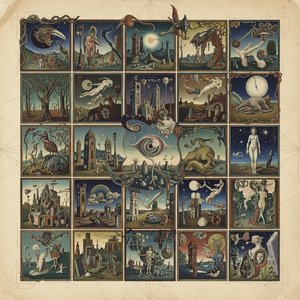
मैक्स अर्न्स्ट की शीर्ष 25 कलाकृतियाँ: स्वप्निल सौंदर्य और आधुनिक कला का सफर | TopImpressionists
मैक्स अर्न्स्ट की शीर्ष 25 कलाकृतियों का अन्वेषण करें! अतियथार्थवाद और दादावाद के जादू में खो जाएं। TopImpressionists पर उच्च गुणवत्ता वाले कैनवास प्रिंट और दीवार सजावट खरीदें। कला इतिहास, प्रेरणा और अद्वितीय डिज़ाइन खोजें। अभी देखें!

Feathered Visions: A Historical & Artistic Exploration of Birds in Painting
Explore the rich history of birds in painting! Discover symbolism, artistic movements & master artists like Audubon. High-quality reproductions available at TopImpressionists.

सर्वश्रेष्ठ 10 अतियथार्थवादी कृतियाँ: कला और घर की सजावट में क्रांति
अतियथार्थवाद की 10 उत्कृष्ट कृतियाँ! डेलि वलेंस, रेने मैग्रिट और सल्वाडोर डाली जैसे कलाकारों के स्वप्निल संसार में डूबें। कला इतिहास जानें और घर की सजावट के लिए प्रेरणा पाएं। TopImpressionists.com पर ऑनलाइन फाइन आर्ट रिप्रोडक्शन खरीदें।

अद्भुत दुनिया के दस कला रत्न: स्वप्निलतावाद की उत्कृष्ट कृतियाँ | TopImpressionists
स्वप्निलतावाद की दुनिया में खो जाएँ! डेलि, मैग्रिट, डाली जैसे महान कलाकारों के 10 उत्कृष्ट कृतियों का अन्वेषण करें। कला इतिहास और प्रेरणादायक रंगों की खोज करें। TopImpressionists.com पर संग्रहालय-गुणवत्ता वाले आर्ट रिप्रोडक्शन और सजावट के विचार खोजें।
विषयों, शैलियों और विशेषताओं के आधार पर व्यवस्थित कलाकृतियों का अन्वेषण करें।


