


 पूर्वावलोकन देखें
 भेजें
भेजें साझा करें
 विवरण देखें
 मार्गदर्शिका

 डाउनलोड करें
 समान वस्तुएं
 एक्स-रे
 स्लाइड शो देखें
 आंकड़े
एक पाइप वाला छात्र
 तैल रंग
- वॉल आर्ट
- घनवाद
 1914
1914- आधुनिक काल
 73.0 x 59.0 cm
पाब्लो पिकासो के चित्र "एक पाइप वाला छात्र" (१९१४) सिंथेटिक क्यूबिज्म की एक उत्कृष्ट कृति है जिसमें कटाई और टुकड़े किए गए आकार और गतिशील रचना शामिल हैं। यह शैली उनके नवीन कौशल को प्रदर्शित करती है।
 और पढ़ें
पाब्लो पिकासो (1881-1973) एक क्रांतिकारी स्पेनिश चित्रकार और मूर्तिकार थे, जो क्यूबिज्म के सह-संस्थापक और विविध शैलियों के उस्ताद थे। 'गुएर्निका' जैसी उत्कृष्ट कृतियों के लिए प्रसिद्ध, उनकी विरासत आज भी प्रेरित करती है।
इस पृष्ठ पर प्रदर्शित कलाकृति कॉपीराइट कानून द्वारा संरक्षित है, जिसका अर्थ है कि हम कानूनी रूप से इसकी हूबहू प्रतिलिपि बनाने या बेचने का अधिकार नहीं रखते हैं। यह संरक्षण अंतर्राष्ट्रीय समझौतों के तहत लागू किया जाता है, जैसे कि बर्न कन्वेंशन और राष्ट्रीय कानूनों द्वारा, जिनमें % द्वारा निर्धारित कानून भी शामिल हैं। अमेरिकी कॉपीराइट कानून - शीर्षक 17।
यह विधि कॉपीराइट नियमों का पूरी तरह से पालन करती है क्योंकि इसमें संरक्षित कलाकृति की नकल या प्रतिलिपि बनाना शामिल नहीं है। इसके बजाय, यह एक रचनात्मक पुनर्व्याख्या है - एक ऐसी नई पेंटिंग जो मूल कृति से प्रेरित तो है, लेकिन उसके समान नहीं है।
गिक्ली / आर्ट प्रिंट
तेज़ उत्पादन और विभिन्न फिनिश विकल्पों के साथ म्यूजियम-क्वालिटी गिकली (giclée) या कैनवस प्रिंट। ( हाथ से बनी पेंटिंग खरीदें डिजिटल इमेज पर जाएँ)




P118B ₹10

P118H ₹10

P118W ₹10

P438Z ₹10

P508JH ₹12

P508YH ₹12

P805H ₹10

P805Z ₹10

P919BZ ₹10

P919G ₹10

P919XJ ₹10

P959ZH ₹10

P968JZ ₹12

W106C ₹8

W218G ₹10

W218JH ₹8

W218Y ₹10

W307PJ ₹10

W316G ₹10

W316PJ ₹8

W316Y ₹10

W398PJ ₹8

W4111J ₹10

W500HY ₹15

W500JH ₹15

W692G ₹12

W849H ₹8

W940BG ₹15

W953PJ ₹8




मानक आकार
अनुकूलित
CM
INCH
कलाकृति के मूल अनुपात से मेल खाने वाले हमारे पूर्व निर्धारित आकारों में से चुनें।
Loading sizes...

चौड़ाई
ऊँचाई
अपने फ्रेम या अपनी दीवार के अनुसार आवश्यक चौड़ाई और ऊंचाई दर्ज करें। प्रिंट को केवल काटा जा सकता है, चित्र से बड़ा कभी नहीं बनाया जा सकता, इसलिए अलग आकार का साइज चित्र का एक हिस्सा खो देता है। किसी भी चीज़ को प्रिंट करने से पहले हम आपकी स्वीकृति के लिए आपको एक डिजिटल मॉकअप भेजते हैं। इस पृष्ठ पर दिखाया गया चित्र वास्तविक कटिंग नहीं दिखाता है — केवल मॉकअप ही इसे दर्शाता है।
विश्वव्यापी डिलीवरी (), मानक 4/5 सप्ताह के बजाय मात्र 2 सप्ताह में। (27 अक्टूबर)

दुनिया भर में मुफ़्त एक्सप्रेस शिपिंग

प्रीमियम ग्रेड लिनेन कैनवास

पूर्ण शिपिंग बीमा

सीमा शुल्क और आयात कर वापसी की गारंटी

सटीक रंग मिलान की गारंटी

100 दिनों की वापसी नीति (केवल निर्माण दोष होने पर)

100% पैसे वापसी की गारंटी

थोक छूट का अवसर
 ग्लास का विकल्प केवल 110 सेमी से कम आकार में ही उपलब्ध है।

एक पाइप वाला छात्र
गिक्ली / आर्ट प्रिंट
प्रतिकृति का आकार
-


कुल मूल्य
₹ 6619
A Portrait of Intellectual Curiosity: Pablo Picasso’s “Student with Pipe”
Pablo Picasso's "Student with Pipe," painted in 1914 during his intensely productive period of Synthetic Cubism, isn’t merely a depiction of a young man; it’s a vibrant snapshot of a burgeoning intellectual spirit. This deceptively simple work—measuring a modest 73 x 59 cm—bursts forth with an energy and dynamism that immediately captivate the viewer, inviting them into Picasso's innovative world. The painting represents a pivotal moment in his artistic evolution, showcasing his masterful manipulation of form, color, and texture to create a truly groundbreaking image.
At the heart of “Student with Pipe” lies the revolutionary spirit of Synthetic Cubism. Emerging from the ashes of Analytical Cubism’s fragmented deconstruction, this style embraced a new approach—one that actively sought to reintegrate form and introduce elements of collage. Picasso achieves this brilliantly by layering geometric shapes, overlapping planes, and incorporating fragments of paper and other materials directly into the canvas. The student himself is rendered with an almost childlike simplicity, yet his posture exudes a quiet confidence and intellectual engagement. He’s not simply sitting; he's absorbed in thought, holding a pipe aloft as if contemplating a profound idea.
The Language of Collage and Geometric Form
Picasso’s technique is remarkably inventive. The background isn’t painted in the traditional sense but rather constructed from carefully arranged geometric shapes—rectangles, triangles, and circles—that create a sense of controlled chaos. These forms aren't static; they seem to vibrate with energy, pushing against each other and creating an illusion of depth. The use of gesso and sand adds a tactile quality to the surface, further emphasizing the painting’s materiality. The inclusion of a hat and umbrella—elements borrowed from everyday life—adds a layer of visual interest and subtly hints at the student's identity and perhaps his aspirations.
Crucially, Picasso employs collage techniques, integrating pieces of paper – likely discarded industrial materials – directly into the composition. This wasn’t simply an aesthetic choice; it reflected a broader artistic philosophy—a desire to break down traditional boundaries between art and life. The rough texture of these fragments contrasts sharply with the smoother surfaces of the painted areas, creating a compelling visual dialogue.
Context within the Cubist Movement
To fully appreciate “Student with Pipe,” it’s essential to understand its place within the broader context of the Cubist movement. Picasso and Georges Braque were at the forefront of this revolutionary artistic shift, rejecting the conventions of Renaissance perspective and representation in favor of a more fragmented and abstract approach. Cubism wasn't about depicting reality as it *appears* but rather exploring how objects are *perceived* from multiple viewpoints simultaneously. This is powerfully demonstrated here—the student’s figure is presented not as a single, unified form, but as a collection of intersecting planes and angles.
The influence of Léonce Rosenberg, a Parisian art dealer who championed the movement, played a significant role in shaping Picasso's Synthetic Cubist style. Rosenberg coined the term “Crystal Cubism” to describe this phase of the movement, emphasizing its clarity, order, and geometric precision. "Student with Pipe" embodies these qualities perfectly—a meticulously constructed composition that feels both dynamic and controlled.
Symbolic Resonance and Emotional Impact
Beyond its formal innovations, “Student with Pipe” resonates with a subtle sense of melancholy and introspection. The student’s posture suggests a moment of quiet contemplation, perhaps wrestling with complex ideas or simply lost in thought. The pipe itself—a symbol of intellectual pursuit and leisurely reflection—adds to this mood. Picasso masterfully uses color – muted blues, greens, and browns – to create an atmosphere of subdued intensity.
This painting stands as a testament to Picasso’s genius—a vibrant exploration of form, color, and the human condition. It's a work that continues to fascinate and inspire viewers today, reminding us of the power of art to challenge conventions and expand our understanding of the world around us. A reproduction captures this essence beautifully, offering a tangible connection to one of the 20th century’s most influential artists.
TopImpressionists.com offers high-quality, handmade oil painting reproductions of famous artworks like “Student with Pipe.” These reproductions are crafted with meticulous attention to detail, ensuring that the essence of the original piece is preserved.
प्रश्न और उत्तर
पाब्लो पिकासो के संपूर्ण कार्यों में "एक पाइप वाला छात्र" का स्थान कहाँ है?
पाब्लो पिकासो की कृतियों के बीच, "एक पाइप वाला छात्र" में घनवाद शैली के साथ-साथ ब्राक, संग्रह तकनीकें, ज्यामितीय अमूर्तता, संश्लेषित घनवाद का मुख्य उदाहरण, प्रयोग को दर्शाने के लिए, आधुनिकता, विखंडन, औद्योगिक युग के विषय देखने को मिलते हैं।
क्या मैं अपने कमरे में पाब्लो पिकासो द्वारा "एक पाइप वाला छात्र" को देखने के लिए ऑगमेंटेड रियलिटी (augmented reality) का उपयोग कर सकता हूँ?
"एक पाइप वाला छात्र" में एक ऑगमेंटेड रियलिटी प्रीव्यू उपलब्ध है: कलाकृति का एआर प्रीव्यू पेज एक संगत डिवाइस पर इसे आपके अपने स्थान में दिखाता है।
क्या छात्रों के लिए पाब्लो पिकासो द्वारा "एक पाइप वाला छात्र" के बारे में कोई फैक्टशीट उपलब्ध है?
"एक पाइप वाला छात्र" के लिए गाइड इस कलाकृति का मार्गदर्शिका पेज है - एक प्रिंट करने योग्य फैक्टशीट जो कलाकृति को उसके कैप्शन, क्रेडिट लाइन और पहचान तालिका (कलाकार, तिथियां, माध्यम, मूल आकार, संग्रह) के साथ प्रदर्शित करती है।
कलाकार का परिचय
पाब्लो पिकासो की चिरस्थायी विरासत
पाब्लो रुइज़ वाई पिकासो, एक ऐसा नाम जो कलात्मक क्रांति का पर्याय है, उनका जन्म 25 अक्टूबर 1881 को मलागा, स्पेन में हुआ था। उनका अस्तित्व ही रचनात्मक अभिव्यक्ति के लिए नियत प्रतीत होता था; किंवदंती है कि उनके पहले बोले गए शब्द “पिज, पिज़” थे, जो 'पेंसिल' कहने का एक प्रयास था। इस प्रारंभिक झुकाव को उनके पिता, जोसे रुइज़ वाई ब्लास्को द्वारा पोषित किया गया, जो एक चित्रकार और कला शिक्षक थे, जिन्होंने युवा पाब्लो को बुनियादी प्रशिक्षण प्रदान किया। हालाँकि, छात्र ने जल्द ही अपने प्रशिक्षक को पीछे छोड़ दिया, और प्राकृतिक चित्रण के लिए एक उल्लेखनीय योग्यता का प्रदर्शन किया जिसने उनके भीतर छिपी असाधारण प्रतिभा का संकेत दिया। परिवार के बाद के प्रवास – पहले ए कोरुना, फिर बार्सिलोना – व्यक्तिगत त्रासदियों से चिह्नित थे, विशेष रूप से पिकासो की बहन का निधन, ऐसे अनुभव जिन्होंने सूक्ष्म रूप से उनके बाद के कार्यों में उदासी और मृत्यु दर के विषयों को भर दिया। बार्सिलोना के स्कूल ऑफ फाइन आर्ट्स में औपचारिक अध्ययन और मैड्रिड के रॉयल एकेडमी ऑफ सैन फर्नांडो में एक संक्षिप्त कार्यकाल के दौरान भी, पिकासो ने कठोर शैक्षणिक सीमाओं का विरोध किया, और इसके बजाय वेल्ज़क्वेज़ और गोया जैसे उस्तादों की कृतियों में खुद को डुबोना पसंद किया, जिससे उन्होंने कलात्मक नवाचार की ओर अपना स्वयं का मार्ग बनाया।
उदासी के नीले रंग से गुलाबी आभा तक
20वीं सदी के शुरुआती वर्षों ने पिकासो की कला में दो अलग-अलग कालखंडों का उदय देखा: नीला दौर (लगभग 1901-1904) और गुलाबी दौर (1904-1906)। नीला दौर, जो व्यक्तिगत कठिनाइयों और सामाजिक पीड़ा के प्रति गहरी संवेदनशीलता से उपजा था, नीले और नीले-हरे रंग की गंभीर छायाओं में डूबी पेंटिंग्स के लिए जाना जाता है। इन कृतियों में हाशिए पर रहने वाले पात्र – भिखारी, अंधे, वेश्याएं – एक ऐसे मर्मस्पर्शी सहानुभूति के साथ चित्रित हैं जो अलगाव और निराशा के विषयों को व्यक्त करते हैं। ला वी (1903) और द ओल्ड गिटारिस्ट (1903-1904) इस भावनात्मक रूप से आवेशित चरण के मार्मिक उदाहरण हैं। पिकासो के व्यक्तिगत जीवन में आए बदलाव और पेरिस प्रवास ने गुलाबी दौर के आगमन की घोषणा की। उनके रंगों का पैलेट काफी गर्म हो गया, जिसमें गुलाबी, नारंगी और लाल रंगों को अपनाया गया, जो एक अधिक आशावादी दृष्टिकोण को दर्शाता था। इस काल में सर्कस के कलाकारों – हार्लेक्विन, कलाबाज और पारिवारिक समूहों – के प्रति आकर्षण देखा गया, वे पात्र जो नाजुकता और लचीलेपन दोनों का प्रतीक थे। फैमिली ऑफ साल्टिम्बैंक्स (1905) इस परिवर्तन को खूबसूरती से समेटता है, जो आगे आने वाले शैलीगत अन्वेषणों की ओर संकेत करता है।
परिप्रेक्ष्य का विखंडन: क्यूबिज्म और उससे परे
वर्ष 1907 कला के इतिहास में लेस डेमोसेल्स डी’एविग्नन के निर्माण के साथ एक महत्वपूर्ण मोड़ लेकर आया। इबेरियन मूर्तिकला और अफ्रीकी मुखौटों से प्रभावित, इस क्रांतिकारी पेंटिंग ने परिप्रेक्ष्य और प्रतिनिधित्व की पारंपरिक धारणाओं को तोड़ दिया। यह सदियों पुरानी परंपराओं का एक पूर्ण त्याग था, जिसने क्यूबिज्म (घनवाद) का मार्ग प्रशकी। जॉर्जेस ब्राक के साथ घनिष्ठ सहयोग करते हुए, पिकासो ने इस क्रांतिकारी आंदोलन की सह-स्थापना की, जिससे कलाकारों द्वारा वास्तविकता को देखने और चित्रित करने के तरीके में मौलिक परिवर्तन आया। विश्लेषणात्मक क्यूबिज्म (1909-1912) में वस्तुओं को ज्यामितीय आकृतियों में विभाजित किया गया था, जिन्हें मद्धम रंगों में प्रस्तुत किया गया था, जैसे कि स्वयं रूप का विच्छेदन किया जा रहा हो। यह बाद में सिंथेटिक क्यूबिज्म (1912-1919) में विकसित हुआ, जिसमें कोलाज तत्वों – समाचार पत्रों की कतरनें, कपड़े के टुकड़े – को शामिल किया गया, जिससे बनावट और दृश्य जटिलता की नई परतें जुड़ गईं। पिकासो केवल दुनिया का प्रतिनिधित्व करने से संतुष्ट नहीं थे; उन्होंने इसे अपने तरीके से विखंडित करने और पुनर्गठित करने का प्रयास किया।
एक बेचैन प्रयोगवादी: नवशास्त्रीयवाद, अतियथार्थवाद और युद्ध
1920 के दशक में पिकासो ने संक्षिप्त रूप से नवशास्त्रीय शैलियों का अन्वेषण किया, ऐसी विशाल आकृतियाँ बनाईं जो आधुनिक संवेदनशीलता बनाए रखते हुए शास्त्रीय रूपों की प्रतिध्वनि करती थीं। साथ ही, उन्होंने उभरते हुए अतियथार्थवादी (Surrealist) आंदोलन के साथ भी जुड़ाव किया, हालांकि वे कभी भी पूरी तरह से इसके सिद्धांतों के साथ संरेखित नहीं हुए। इस अवधि के दौरान उनके कार्य ने प्रारंभिक शैलीगत प्रभावों को अतियथार्थवादी कल्पना और विकृत परिप्रेक्ष्य के साथ मिश्रित किया, जो उनके निरंतर प्रयोगों को प्रदर्शित करता है। स्पेनिश गृहयुद्ध की भयावहता ने पिकासो को गहराई से प्रभावित किया, जिसका चरमोत्कर्ष गुएर्निका (1937) के निर्माण में हुआ, जो गुएर्निका की बमबारी के प्रति एक मर्मभेदी और भावनात्मक रूप से विनाशकारी प्रतिक्रिया थी। यह स्मारकीय कृति युद्ध की अत्याचारों का एक स्थायी प्रतीक बन गई, जिसने न केवल एक कलाकार के रूप में बल्कि शांति और सामाजिक न्याय के लिए एक शक्तिशाली आवाज के रूप में पिकासो की भूमिका को सुदृढ़ किया। 1950 और 60 के दशक के दौरान, उन्होंने अटूट जिज्ञासा और कौशल के साथ सिरेमिक, मूर्तिकला और प्रिंटमेकिंग का पता लगाते हुए सीमाओं को आगे बढ़ाना जारी रखा। 1961 में जैकलिन रोके के साथ उनके विवाह ने उनके व्यक्तिगत जीवन और कलात्मक अभिव्यक्ति में एक नया आयाम जोड़ा।
एक असीमित प्रभाव
पाब्लो पिकासो का निधन 8 अप्रैल, 1973 को मौजिन्स, फ्रांस में हुआ, वे अपने पीछे कार्यों का एक आश्चर्यजनक भंडार छोड़ गए – जिसका अनुमान 50,000 से अधिक कृतियों का है – जो आज भी मंत्रमुग्ध और प्रेरित करता है। उनके कलात्मक विकास को विविध प्रभावों ने आकार दिया, जिसमें वेल्ज़क्वेज़ और गोया जैसे स्पेनिश उस्तादों से लेकर इबेरियन मूर्तिकला, अफ्रीकी कला और हेनरी मातिस के जीवंत रंग पैलेट तक शामिल थे। 20वीं सदी की कला पर उनका प्रभाव असीमित है। उन्होंने क्यूबिज्म की सह-स्थापना की, कोलाज और निर्मित मूर्तिकला का नेतृत्व किया, और लगातार कलात्मक परंपराओं को चुनौती दी। पिकासो के निरंतर प्रयोगों ने आधुनिक कला को पुनरपरिभाषित किया, कलाकारों की पीढ़ियों पर एक अमिट छाप छोड़ी और इतिहास के सबसे महत्वपूर्ण और प्रभावशाली व्यक्तित्वों में से एक के रूप में अपनी स्थिति मजबूत की। उनकी विरासत कैनवास से परे तक फैली हुई है, जो समकालीन संस्कृति के अनगिनत पहलुओं में गूंजती है और हमें कलात्मक दृष्टि की परिवर्तनकारी शक्ति की याद दिलाती है।

पाब्लो पिकासो
1881 - 1973 , स्पेन
संक्षिप्त जानकारी
- Artistic Movement Or Style: क्यूबिज्म, अतियथार्थवाद
- Artists Or Movements Influenced By This Artist:
- क्यूबिज्म
- आधुनिक कला
- Artists Who Influenced This Artist:
- वेलज़क्वेज़
- गोया
- मातिस
- Date Of Birth: 25 अक्टूबर 1881
- Date Of Death: 8 अप्रैल 1973
- Full Name: पाब्लो रुइज़ पिकासो
- Nationality: स्पेनिश
- Notable Artworks:
- लेस डेमेइसल्स डी'एविग्नन
- ग्वेर्निका
- द ओल्ड गिटारिस्ट
- ला विए
- फैमिली ऑफ़ साल्टिम्बैंक्स
- Place Of Birth: मलागा, स्पेन
संबंधित लेखों की सूची
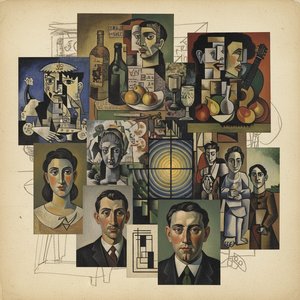
Cubism's Revolution: 10 Masterpieces That Redefined Modern Art | TopImpressionists
Explore 10 Cubist masterpieces by Picasso, Braque & more! Delve into the history of this revolutionary art movement. Find museum-quality reproductions and elevate your home decor with TopImpressionists. Discover all masterpieces on TopImpressionists.com

Deconstructing Reality: Cubism's Revolutionary Impact on 20th-Century Art
Explore the revolutionary world of Cubism with TopImpressionists. Discover Picasso & Braque's groundbreaking techniques, its philosophical roots, and lasting impact on modern art. Expert insights for collectors.

Pablo Picasso: A Revolutionary Vision – Cubism, Symbolism & Enduring Legacy
Explore the revolutionary art of Pablo Picasso with TopImpressionists.com. Discover Cubism's origins, symbolism in his masterpieces & investment insights for collectors. Expert appraisal & custom reproductions available.

Cubism Unveiled: How Picasso and Braque Redefined Reality Through Geometric Abstraction
Explore the revolutionary world of Cubism. Discover how masters Pablo Picasso and Georges Braque dismantled reality through geometric abstraction to redefine modern art history.

Deconstructing Reality: A Comprehensive Exploration of Synthetic Cubism's Evolution & Impact
Explore the revolutionary world of Synthetic Cubism! Discover its origins, key artists like Picasso & Braque, techniques, and lasting impact on modern art. A comprehensive guide for enthusiasts.
विषयों, शैलियों और विशेषताओं के आधार पर व्यवस्थित कलाकृतियों का अन्वेषण करें।


