


 पूर्वावलोकन देखें
 भेजें
भेजें साझा करें
 विवरण देखें
 मार्गदर्शिका

 डाउनलोड करें
 समान वस्तुएं
 एक्स-रे
 स्लाइड शो देखें
 आंकड़े
द किचन टेबल


पॉल सेज़ान की ‘द किचन टेबल’ को जानें! यह प्रतिष्ठित उत्तर-प्रभाववादी उत्कृष्ट कृति जीवंत रंगों और प्रतीकात्मक व्यवस्था के साथ रोजमर्रा के जीवन को दर्शाती है। इसकी संरचना, प्रभाव और ऐतिहासिक संदर्भ का अन्वेषण करें।
 और पढ़ें
पॉल सेज़ान (1839-1906) एक फ्रांसीसी पोस्ट-इंप्रेशनिस्ट चित्रकार थे जिन्होंने आधुनिक कला को आकार दिया। उनके चित्रों में ज्यामितीय रूपों, स्थिर जीवन और बाथर्स श्रृंखला की खोज करें। इंप्रेशनिज्म और क्यूबिज्म के बीच एक पुल!
गिक्ली / आर्ट प्रिंट
तेज़ उत्पादन और विभिन्न फिनिश विकल्पों के साथ म्यूजियम-क्वालिटी गिकली (giclée) या कैनवस प्रिंट। ( हाथ से बनी पेंटिंग खरीदें डिजिटल इमेज पर जाएँ)




P118B ₹10

P118H ₹10

P118W ₹10

P438Z ₹10

P508JH ₹12

P508YH ₹12

P805H ₹10

P805Z ₹10

P919BZ ₹10

P919G ₹10

P919XJ ₹10

P959ZH ₹10

P968JZ ₹12

W106C ₹8

W218G ₹10

W218JH ₹8

W218Y ₹10

W307PJ ₹10

W316G ₹10

W316PJ ₹8

W316Y ₹10

W398PJ ₹8

W4111J ₹10

W500HY ₹15

W500JH ₹15

W692G ₹12

W849H ₹8

W940BG ₹15

W953PJ ₹8




मानक आकार
अनुकूलित
CM
INCH
कलाकृति के मूल अनुपात से मेल खाने वाले हमारे पूर्व निर्धारित आकारों में से चुनें।
Loading sizes...

चौड़ाई
ऊँचाई
अपने फ्रेम या अपनी दीवार के अनुसार आवश्यक चौड़ाई और ऊंचाई दर्ज करें। प्रिंट को केवल काटा जा सकता है, चित्र से बड़ा कभी नहीं बनाया जा सकता, इसलिए अलग आकार का साइज चित्र का एक हिस्सा खो देता है। किसी भी चीज़ को प्रिंट करने से पहले हम आपकी स्वीकृति के लिए आपको एक डिजिटल मॉकअप भेजते हैं। इस पृष्ठ पर दिखाया गया चित्र वास्तविक कटिंग नहीं दिखाता है — केवल मॉकअप ही इसे दर्शाता है।
विश्वव्यापी डिलीवरी (), मानक 4/5 सप्ताह के बजाय मात्र 2 सप्ताह में। (22 अक्टूबर)

दुनिया भर में मुफ़्त एक्सप्रेस शिपिंग

प्रीमियम ग्रेड लिनेन कैनवास

पूर्ण शिपिंग बीमा

सीमा शुल्क और आयात कर वापसी की गारंटी

सटीक रंग मिलान की गारंटी

100 दिनों की वापसी नीति (केवल निर्माण दोष होने पर)

100% पैसे वापसी की गारंटी

थोक छूट का अवसर
 ग्लास का विकल्प केवल 110 सेमी से कम आकार में ही उपलब्ध है।

द किचन टेबल
गिक्ली / आर्ट प्रिंट
प्रतिकृति का आकार
-


कुल मूल्य
₹ 6611
The Kitchen Table: A Still Life of Everyday Abundance
Paul Cézanne’s “The Kitchen Table,” painted in 1888, isn't merely a depiction of a domestic scene; it’s a profound meditation on form, color, and the very essence of observation. This oil-on-canvas masterpiece, now residing within the hallowed halls of the Musée d’Orsay in Paris, transcends the limitations of a simple still life to become a pivotal work bridging the gap between Impressionism and the burgeoning movements that would reshape 20th-century art. Cézanne, a master of distilling the visual world into its most fundamental elements, invites us into a moment suspended in time – a quiet tableau brimming with both tangible detail and an underlying sense of vibrant energy.
The painting immediately captivates with its carefully arranged composition. A central focus is undeniably the basket overflowing with ripe fruit: apples blushing crimson and oranges radiating warmth. These aren’t idealized representations; they possess a tactile quality, hinting at their weight and texture. Surrounding this bounty are cups of varying sizes, scattered across the tabletop like fallen stars, and a vase holding flowers – each element contributing to a sense of abundance and domestic comfort. Yet, Cézanne doesn't simply present these objects as static subjects; he actively manipulates perspective and form, subtly distorting shapes and challenging conventional spatial relationships. The tilted table, the overlapping planes, and the ambiguous depth create an illusionistic space that feels both familiar and unsettlingly new.
Cézanne’s revolutionary approach to painting is vividly evident in “The Kitchen Table.” He employed bold brushstrokes – not blended or diffused as was typical of Impressionism – but applied with deliberate, almost sculptural precision. These strokes build up layers of color, creating a sense of volume and solidity that elevates the everyday objects into something akin to miniature sculptures. The use of color is equally significant; Cézanne eschews naturalistic hues in favor of intensified tones, employing vibrant reds, yellows, and greens to create a luminous effect. This technique was heavily influenced by his studies of Japanese prints, which he admired for their flattened perspective and bold compositions. Notably, the influence extends beyond Cézanne himself – artists like Vincent van Gogh, who greatly admired Cézanne’s work, would later adopt similar techniques in their own paintings, as seen in works such as “Fortifications of Paris with Houses” and “Eugène Boch.”
Beyond its formal innovations, "The Kitchen Table" resonates deeply on a symbolic level. The basket filled with fruit is a potent symbol of nourishment, fertility, and the cyclical rhythms of nature – themes that were central to Cézanne’s worldview. However, it's important to recognize that Cézanne wasn’t simply interested in representing these symbols; he was exploring the *process* of seeing itself. He sought to capture not just what objects looked like, but how they *felt* to be observed – their essence, their underlying structure. The painting becomes a study in perception, inviting us to question our own assumptions about reality and representation. The inclusion of everyday items—cups, a vase, a chair—further emphasizes this point, elevating the mundane into something worthy of artistic contemplation. It’s a testament to Cézanne's belief that beauty could be found not only in grand landscapes or dramatic portraits but also in the simplest corners of daily life.
The painting’s historical context is crucial to understanding its significance. Created during a period of rapid social and artistic change, “The Kitchen Table” reflects the growing dissatisfaction with academic art traditions and the emergence of new artistic movements. Cézanne's work paved the way for Cubism, challenging traditional notions of perspective and representation and opening up entirely new possibilities for visual expression. For those seeking to delve deeper into Cézanne’s world, “Poplars” offers another compelling example of his innovative approach to landscape painting, while a visit to the Musée d'Orsay provides invaluable context for appreciating the broader evolution of Post-Impressionism. And if you are interested in exploring still life painting itself, Wikipedia’s article on "Still Life" is an excellent starting point.
- Artist: Paul Cézanne
- Date: 1888
- Location: Musée d'Orsay, Paris
- Style: Post-Impressionism
प्रश्न और उत्तर
"द किचन टेबल" के Post-Impressionism के पीछे किस देश की उत्पत्ति का हाथ है?
"द किचन टेबल" अपने निर्माता के जन्मस्थान के माध्यम से Post-Impressionism आंदोलन को फ्रांस से जोड़ता है।
इस तिथि को देखते हुए, "द किचन टेबल" पॉल सेज़ान के करियर के किस चरण में आता है?
1888 की तिथि "द किचन टेबल" को पॉल सेज़ान के विकास के परिपक्व काल काल में रखती है।
"द किचन टेबल" को किसने और कब बनाया?
"द किचन टेबल" के रचनाकार पॉल सेज़ान हैं, और यह कृति 1888 की है।
समान कलाकृतियाँ


कलाकार का परिचय
पॉल सेज़ान: आधुनिक कला के पथप्रदर्शक
पॉल सेज़ान, जिनका जन्म 1839 में ऐक्स-एन-प्रोवेंस, फ्रांस में हुआ था, आधुनिक कला के इतिहास में एक विशाल व्यक्तित्व माने जाते हैं। उन्होंने प्रभाववाद की क्षणभंगुर छाप और घनत्ववाद के खंडित रूपों के बीच का सेतु बनाया। उनकी यात्रा तत्काल प्रशंसा की नहीं थी; बल्कि यह कलात्मक अन्वेषण की धीमी गति से चलने वाली प्रक्रिया थी, जो आत्म-संदेह और आलोचनात्मक अस्वीकृति की अवधि से चिह्नित थी, जिसका अंततः आधुनिक कला के पाठ्यक्रम को अपरिवर्तनीय रूप से बदलने वाले एक विरासत में परिणत हुआ। एक समृद्ध परिवार में जन्मे – उनके पिता शुरू में एक टोपी निर्माता थे जो बाद में बैंकर बन गए – सेज़ान को अभिरुचि कलाकारों के लिए असामान्य वित्तीय सुरक्षा का आनंद मिला, जिससे उन्हें वाणिज्यिक सफलता के तत्काल दबावों के बिना अपनी कला के प्रति अपने जुनून को समर्पित करने की स्वतंत्रता मिली। हालाँकि उनके पिता ने शुरू में कानूनी करियर की ओर उनका मार्गदर्शन किया था, लेकिन कलात्मक अभिव्यक्ति की प्रबलता बहुत अधिक थी, और उन्होंने अंततः कानून छोड़ दिया और चित्रकला का पीछा किया, एक निर्णय जिसने उनके जीवन को परिभाषित किया। प्रारंभिक प्रभावों में उनकी जवानी में प्रचलित रोमांटिसिज्म और बारबाइजोन स्कूल का परिदृश्य के प्रति समर्पण शामिल थे, लेकिन पॉल गौगिन और जॉर्जेस सेउराट जैसे कलाकारों के साथ मुठभेड़ों और रंग और रूप के प्रति उनके नवीन दृष्टिकोणों के माध्यम से ही सेज़ान ने अपना विशिष्ट मार्ग प्रशस्त करना शुरू किया।अंधेरे से संरचना तक: एक शैली का विकास
सेज़ान के शुरुआती काम अक्सर रोमांटिक पेंटिंग की विशेषता वाले नाटकीय, भावनात्मक रूप से आवेशित विषयों को दर्शाते थे – कैनवस पर गहरे पैलेट और अभिव्यंजक ब्रशवर्क हावी होते थे। हालाँकि, यह प्रारंभिक चरण केवल एक कदम था जो बहुत अधिक विश्लेषणात्मक और अभूतपूर्व दृष्टिकोण की ओर ले जाता है। प्रकाश के क्षणभंगुर प्रभावों को बस कैप्चर करने से असंतुष्ट होकर, जैसा कि प्रभाववादियों द्वारा पसंद किया गया था, सेज़ान ने वस्तुओं की अंतर्निहित संरचना को समझने और उनका प्रतिनिधित्व करने का प्रयास किया। उन्होंने न केवल *क्या* देखा, बल्कि उन्होंने वास्तविकता का गठन करने वाले मौलिक रूपों को *कैसे* समझा। इसने उन्हें प्राकृतिक आकृतियों को उनके ज्यामितीय समकक्षों में तोड़ने के लिए प्रेरित किया - शंकु, सिलेंडर, गोले - दशकों से घनत्ववादी क्रांति की भविष्यवाणी करते हुए। उनकी तकनीक छोटे, दोहराए जाने वाले ब्रशस्ट्रोक द्वारा चिह्नित थी, सावधानीपूर्वक जटिल रंग और बनावट के क्षेत्रों का निर्माण करने के लिए परतदार, पहले कभी नहीं देखी गई पेंटिंग में ठोसता और गहराई की भावना पैदा करता है। उनका उद्देश्य भ्रामक स्थान नहीं था; इसके बजाय, उन्होंने अक्सर वस्तुओं को एक साथ कई दृष्टिकोणों से प्रस्तुत किया, पारंपरिक परिप्रेक्ष्य की पारंपरिक धारणाओं को चुनौती दी और दर्शक को अपने रचनाओं के निर्मित स्वभाव के साथ सक्रिय रूप से जुड़ने के लिए मजबूर किया। यह जानबूझकर विकृति मनमानी नहीं थी बल्कि रूप की अधिक पूर्ण समझ व्यक्त करने का प्रयास था, समय के एक क्षण को दर्शाने के बजाय धारणा का संश्लेषण।परिदृश्य, स्थिर जीवन और मानव रूप: प्रमुख कार्य और आवर्ती रूपांकन
सेज़ान का काम उल्लेखनीय रूप से विविध है, जिसमें परिदृश्य, स्थिर जीवन, चित्र और नर्तकियों के चित्रण शामिल हैं, लेकिन सभी अपनी अनूठी दृष्टिकोण से रूप और रंग को एकीकृत करते हैं। जैस डी बुफन में तालाब, 1880 में चित्रित, उनके परिदृश्य कार्य का उदाहरण है, जो आकृतियों और टोन की सावधानीपूर्वक व्यवस्था के माध्यम से प्रकृति के सार को कैप्चर करने की उनकी क्षमता को दर्शाता है। एमिल ज़ोला का चित्र, 1866 में बनाया गया, उनकी विकसित शैली को प्रकट करता है और अपने करीबी मित्र और साथी लेखक के बौद्धिक तीव्रता की एक सम्मोहक झलक प्रदान करता है। उनके स्थिर जीवन, जैसे कि सेब और अन्य फलों वाले, वस्तुओं के केवल प्रतिनिधित्व नहीं हैं बल्कि आयतन, प्रकाश और स्थानिक संबंधों की खोज हैं। माउंट सैंट-विक्टोर श्रृंखला सेज़ान के लिए एक जुनून बन गई, एक आवर्ती रूपांकन जिसने उन्हें दशकों तक रूप और परिप्रेक्ष्य की जांच करने की अनुमति दी। ये चित्र पहाड़ का सिर्फ चित्रण नहीं है; वे गहराई, आयतन और प्रकाश और छाया के बीच परस्पर क्रिया को समझने के तरीके के अध्ययन हैं। अंत में, नर्तकियों की उनकी श्रृंखला, रमणीय परिदृश्यों में नग्न आंकड़े दर्शाती है, मानव रूप और प्रकृति के बीच संबंध की एक गहन खोज का प्रतिनिधित्व करती है, अक्सर कालातीतता और शांत चिंतन की भावना से भरी होती है।नवोन्मेष से निर्मित विरासत: आधुनिक कला पर सेज़ान का प्रभाव
पॉल सेज़ान का बाद की पीढ़ियों के कलाकारों पर प्रभाव असीम है। उन्हें उनकी चित्रभाषा में अभूतपूर्व योगदान के लिए "आधुनिक कला के पिता" माने जाते हैं, जिसने 20वीं शताब्दी की कई प्रमुख कलात्मक आंदोलनों के मार्ग प्रशस्त किया। पाब्लो पिकासो और जॉर्जेस ब्राक सेज़ान के ज्यामितीय रूपों और बहु-दृष्टिकोणों पर जोर से गहराई से ऋणी थे, जो घनत्ववाद के केंद्रीय सिद्धांत बन गए। उनके रंग का बोल्ड उपयोग हेनरी मैटिस जैसे कलाकारों द्वारा संचालित फाविस्ट आंदोलन को भी प्रेरित किया, जिन्होंने गैर-प्राकृतिक जीवंत रंगों को अपनाया। यहां तक कि अतियथार्थवादी कलाकारों ने भी सेज़ान की व्यक्तिपरक धारणा और मनोवैज्ञानिक गहराई की खोज में प्रतिध्वनि पाई। विशिष्ट आंदोलनों से परे, सेज़ान की व्यक्तिगत दृष्टि पर जोर और पारंपरिक शैक्षणिक बाधाओं के अस्वीकृति ने कलाकारों की पीढ़ियों को अभिव्यक्ति के नए रूपों का पता लगाने के लिए मुक्त कर दिया। उन्होंने प्रतिनिधित्व की बहुत परिभाषा को चुनौती दी, नकल से दूर ध्यान बदलकर अंतर्निहित संरचना और व्यक्तिपरक धारणा पर आधारित एक दृश्य अनुभव बनाने पर केंद्रित किया। 1906 में उनकी मृत्यु कला के इतिहास के एक नए युग के उदय - उनकी क्रांतिकारी दृष्टि से गहराई से प्रभावित - का प्रतीक नहीं थी बल्कि शुरुआत थी।
पॉल सेज़ान
1839 - 1906 , फ्रांस
संक्षिप्त जानकारी
- Artistic Movement Or Style: उत्तर-प्रभाववादी
- Artists Or Movements Influenced By This Artist:
- घनवाद
- फोविज़्म
- अति यथार्थवाद
- Artists Who Influenced This Artist:
- रोमांटिकवाद
- बारबाइज़न स्कूल
- पॉल गौगिन
- जॉर्ज सीराट
- Date Of Birth: 19 जनवरी 1839
- Date Of Death: 22 अक्टूबर 1906
- Full Name: पॉल सेज़ान
- Nationality: फ्रांसीसी
- Notable Artworks:
- जैस डी बुफैन का तालाब
- एमिल ज़ोला का चित्र
- वन
- माउंट सैंट-विक्टोर श्रृंखला
- स्नानकर्ता
- Place Of Birth: एईक्स-एन-प्रोवेंस, फ्रांस
संबंधित लेखों की सूची
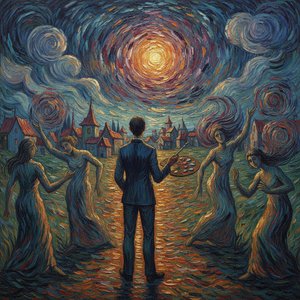
Beyond the Light: Capturing Emotion Through the Expressive Soul of Post-Impressionism
Explore the profound emotional depth of Post-Impressionism. Discover how masters like Van Gogh and Cézanne moved beyond light to capture raw feeling through color and texture. A journey into art history for the true connoisseur.
विषयों, शैलियों और विशेषताओं के आधार पर व्यवस्थित कलाकृतियों का अन्वेषण करें।


