
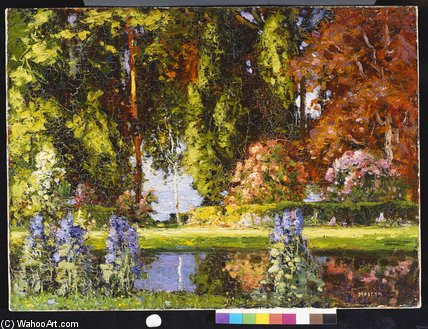
Shown: · With its frame:
 पूर्वावलोकन देखें
 भेजें
भेजें साझा करें
 विवरण देखें
 मार्गदर्शिका

 डाउनलोड करें
 समान वस्तुएं
 एक्स-रे
 स्लाइड शो देखें
 Q&A
Q&A आंकड़े
₹ 25828
हस्तनिर्मित ऑयल रिप्रोडक्शन
आपके आकार और फ्रेम के अनुसार कैनवास पर हाथ से बनी ऑयल पेंटिंग, हमारे कलाकारों द्वारा विशेष रूप से ऑर्डर पर तैयार। ( प्रिंट विकल्प पर जाएँ डिजिटल इमेज पर जाएँ)
Size
·मानक आकार
अनुकूलित
CM
INCH
कलाकृति के मूल अनुपात से मेल खाने वाले हमारे पूर्व निर्धारित आकारों में से चुनें।
Loading sizes...

चौड़ाई
ऊँचाई
अपने फ्रेम या अपनी दीवार के अनुसार आवश्यक चौड़ाई और ऊंचाई दर्ज करें। यह हाथ से पेंट किया गया है, इसलिए अलग आकार के लिए कलाकार चित्र के चारों ओर थोड़ा अधिक पेंट कर सकता है, या थोड़ा काट सकता है — चुनाव आपका है। पेंटिंग शुरू होने से पहले हम आपकी स्वीकृति के लिए एक डिजिटल मॉकअप भेजते हैं। इस पृष्ठ पर दिखाई गई तस्वीर वास्तविक परिणाम नहीं दिखाती है — केवल मॉकअप ही वास्तविक रूप दिखाता है।
 और पढ़ें
Finish
·
White ₹1

Blurside ₹1

Extended ₹1

P118B ₹10

P118H ₹10

P118W ₹10

P438Z ₹10

P508JH ₹12

P508YH ₹12

P805H ₹10

P805Z ₹10

P919BZ ₹10

P919G ₹10

P919XJ ₹10

P959ZH ₹10

P968JZ ₹12

W106C ₹8

W218G ₹10

W218JH ₹8

W218Y ₹10

W307PJ ₹10

W316G ₹10

W316PJ ₹8

W316Y ₹10

W398PJ ₹8

W4111J ₹10

W500HY ₹15

W500JH ₹15

W692G ₹12

W849H ₹8

W940BG ₹15

W953PJ ₹8

H24-GOLD ₹30

H24-SILVER ₹30

H36-GOLD ₹45

H36-SILVER ₹45
Shipped in a protective tube, ready for your own framer.
Above 105 cm the frame is shipped as a kit for a professional framer — read the details.
Extras
optionalWhat do the extras include?
Examples of what can be changed: Replace face with customer photo; Add pet (e.g., replace cat with dog); Include hidden message in background; Change background landscape or elements.
After order, TopImpressionists.com team will email client for instructions and provide a mockup preview
After order, TopImpressionists.com team will email client for instructions and provide a mockup preview
विश्वव्यापी वितरण () मानक 5 सप्ताह के बजाय मात्र 3/4 सप्ताह में। (29 अक्टूबर)। गुणवत्ता से कोई समझौता नहीं।
सुरक्षात्मक वार्निश
नामपट्टिका
उत्कीर्ण कांस्य पट्टिका का विवरण
This elegant plaque features the artist's name and the title of the artwork, finely engraved for a timeless presentation.
It is made from bronze with a refined, elegant finish. The text is precisely laser-engraved for a sharp and permanent result. Measuring 9x2 cm, the plaque is compact yet easy to read. It's built to be durable and scratch-resistant, offering a professional, museum-quality look. Mounting is simple thanks to the included adhesive backing.
पारदर्शी ऐक्रेलिक पट्टिका का विवरण
The plaque includes essential engraved details such as the artist's name, the title of the artwork, the date it was created, the type of media used-like oil on canvas or watercolor-a brief description of the piece, and a QR code that links to the complete artwork information.
It is crafted from clear acrylic, offering a sleek, modern appearance. The text is UV-engraved in black to ensure strong visual contrast. With a size of 10x15 cm, it ensures optimal readability. It comes equipped with two metal hooks for secure wall mounting. The plaque is designed to be weather-resistant, making it suitable for various environments, and it includes interactive features that work seamlessly with smartphone scanning.
काले ऐक्रेलिक पट्टिका का विवरण
This elegant plaque includes engraved information such as the artist's name, the title of the artwork, the date it was created, the type of media used (like oil on canvas or watercolor), a short description of the artwork, and a QR code for quick access to more information.
The plaque itself is made from refined black acrylic with a premium finish. The text is laser-engraved in white for high contrast and readability. Its size is 10x15 cm, designed to be easy to read. It comes with two metal hooks for professional mounting. The design is sleek and fits any interior style. It is also weather-resistant and durable, with built-in digital integration for mobile compatibility.
ग्लास का विकल्प केवल 110 सेमी से कम आकार में ही उपलब्ध है।
 ग्लास का विकल्प केवल 110 सेमी से कम आकार में ही उपलब्ध है।
- दुनिया भर में मुफ़्त एक्सप्रेस शिपिंग
- प्रीमियम ग्रेड लिनेन कैनवास
- पूर्ण शिपिंग बीमा
- सीमा शुल्क और आयात कर वापसी की गारंटी
- सटीक रंग मिलान की गारंटी
- 100 दिनों की वापसी नीति (केवल निर्माण दोष होने पर)
- 100% पैसे वापसी की गारंटी
- थोक छूट का अवसर


कलाकार का परिचय
Discover Thomas Edwin Mostyn (1864-1930), an English artist renowned for romantic Victorian garden scenes & portraits. Explore his Welsh heritage & timeless works.
About the painting
Quick facts and art quiz
About Thomas E Mostyn

Thomas E Mostyn
1864 - 1930
कलाकार का परिचय
The Luminous Legacy of Thomas Edwin Mostyn
Thomas Edwin Mostyn (1864–1930) stands as a profound voice within the tapestry of British art, a painter whose brush captured the fleeting, ethereal beauty of the Victorian and Edwardian eras. Born in Liverpool but deeply connected to his Welsh roots, Mostyn’s artistic identity was forged through a reverence for the natural world—a passion that would eventually lead him to become one of the most celebrated landscape and portrait painters of his generation. His journey was not merely one of technical mastery but an emotional exploration of light, atmosphere, and the quiet sanctity of the English garden. While his early life was marked by the financial hardships common to many during the era, the disciplined perspective instilled by his father, Edwin Mostyn—an artist himself—provided a foundation of resilience and meticulousness that would define his approach to every canvas.
The development of Mostyn’s sophisticated technique was rooted in the prestigious halls of the Slade School of Fine Art in London. It was here that he encountered the burgeoning influences of the Impressionist movement, an encounter that forever altered his perception of color and light. Rather than adopting a purely fragmented Impressionist style, Mostyn achieved something far more nuanced: he synthesized modern sensibilities with the classical rigor of the British tradition. He became a true master of the glazing technique, applying thin, translucent layers of oil paint to create a sense of inner luminosity. This method allowed him to capture the way sunlight filters through dense foliage or rests upon the skin of a subject, imbuing his canvases with a palpable, breathing vitality that feels almost supernatural.
A Symphony of Gardens and Portraits
Mostyn’s oeuvre is most famously defined by his romanticized depictions of gardens, which serve as much more than mere botanical studies. To look upon a work like “The Rose Garden” or “Memory’s Garden” is to enter a realm of profound tranquility and nostalgia. In these compositions, he utilized the lush, verdant textures of Welsh landscapes to create sanctuaries of peace, where dappled sunlight and soft shadows dance across meticulously rendered flora. His ability to balance the intricate details of individual blossoms with the sweeping, atmospheric perspective of a larger landscape allowed him to convey a sense of timelessness, as if these gardens existed in a perpetual state of summer grace.
Beyond the verdant escapes of his landscapes, Mostyn was equally adept at capturing the human spirit through portraiture. His portraits often feature prominent figures from British society, yet they are rarely mere formal records; instead, they are imbued with a palpable sense of romanticism and humanist compassion. Whether depicting the contemplative elegance in “Unsolved” or the delicate curiosity found in “The Jewel Box,” Mostyn possessed an uncanny ability to render textures—the sheen of silk, the softness of skin, the weight of velvet—while maintaining an emotional depth that invites the viewer into the subject's inner world. His work often bridged the gap between social realism and a dreamlike enchantment, making him a quintessential genre painter of his time.
Artistic Influences and Historical Significance
The aesthetic sensibilities of Mostyn were profoundly shaped by the giants of his era. The influence of Frederic Leighton is evident in his pursuit of classical ideals and idealized beauty, while the writings of John Ruskin championed a moral seriousness and a deep appreciation for nature’s grandeur—principles that became central to Mostyn’s artistic vision. This blend of academic discipline and naturalistic wonder allowed him to navigate the transition from the Victorian era into the modern age with grace.
By the remarkably young age of twenty-nine, Mostyn had already achieved a significant milestone by exhibiting at the prestigious Royal Academy in London, an endorsement that signaled his technical proficiency and his command over composition and color theory. His prolific output, spanning over 300 paintings, remains a testament to a life dedicated to the pursuit of light. Today, his work is remembered not just for its technical brilliance, but for its ability to evoke the fleeting, ephemeral beauty of a world on the cusp of change, leaving behind a legacy of peace, light, and romantic enchantment.
Quick facts about Thomas E Mostyn
- Full Name: Thomas Edwin Mostyn
- Nationality: English
- Date Of Birth: 1864
- Date Of Death: 1930
- Place Of Birth: Wales
- Notable Artworks:
- Garden Scenes
- Portraits
- Artistic Movement Or Style: Romantic Victorian Art
- Artists Who Influenced This Artist:
- William Holman Hunt
- John Ruskin
- Artists Or Movements Influenced By This Artist: ['Pre-Raphaelites']
समान कलाकृतियाँ


Thomas E Mostyn
The Garden By The Sea
() ·
With its frame: · Hand-painted in oil on linen
Total