


 Pregledaj u stvarnoj veličini
 Podijeli
 Podijeli
 Detalji
 Vodič
Vodič

 Preuzmi datoteku
 Slični predmeti
 Rentgenska snimka
 Slide show
 Statistika
Self-Portrait


Admire Carlo Dolci's iconic Self-Portrait (1674), a masterpiece of Florentine Baroque artistry housed at the Galleria degli Uffizi. Explore its serene beauty and masterful technique – a timeless testament to spiritual devotion.
 Pročitajte više
Carlo Dolci (1616-1686): Istražite spokojnu pobožnost i pedantne detalje ovog firentinskog baroknog majstora. Otkrijte njegova religiozna remek-djela poput 'Svetog Sebastijana' i upoznajte njegovo umjetničko naslijeđe.
Ručno rađena uljana reprodukcija
Ručno oslikano uljanim bojama na platnu u dimenzijama i okviru po vašem izboru, izrađeno po narudžbi od strane naših umjetnika. ( Prebacite na prodaju printova Prebacite na digitalnu prodaju slika)




P118B €10

P118H €10

P118W €10

P438Z €10

P508JH €12

P508YH €12

P805H €10

P805Z €10

P919BZ €10

P919G €10

P919XJ €10

P959ZH €10

P968JZ €12

W106C €8

W218G €10

W218JH €8

W218Y €10

W307PJ €10

W316G €10

W316PJ €8

W316Y €10

W398PJ €8

W4111J €10

W500HY €15

W500JH €15

W692G €12

W849H €8

W940BG €15

W953PJ €8




Standardne dimenzije
prilagođeno po mjeri
CM
INCH
Odaberite jednu od naših unaprijed definiranih veličina koje odgovaraju izvornim proporcijama umjetničkog djela.
Loading sizes...

širina
visina
Unesite širinu i visinu koja vam je potrebna, kako bi odgovarali vašem okviru ili zidu. Budući da je ovo ručno oslikano djelo, umjetnik može malo proširiti rubove slike ili ih skratiti kako bi postigao željeni oblik — izbor je vaš. Prije početka slikanja poslat ćemo vam digitalni prikaz (mockup) radi potvrde. Slika prikazana na ovoj stranici ne predstavlja stvarni rezultat — samo digitalni prikaz to čini.
Primjeri onoga što se može promijeniti: Zamijenite lice fotografijom klijenta; Dodajte ljubimca (npr. zamijenite mačku psom); Uključite skrivenu poruku u pozadinu; Promijenite pejzaž ili elemente pozadine.
Nakon narudžbe, tim TopImpressionists.com kontaktirat će klijenta putem e-pošte radi dobivanja uputa te dostaviti probni prikaz (mockup)
Nakon narudžbe, tim TopImpressionists.com kontaktirat će klijenta putem e-pošte radi dobivanja uputa te dostaviti probni prikaz (mockup)
Isporuka širom svijeta () u roku od 3-4 tjedna umjesto standardnih 5 tjedana. (23 Listopad). Bez kompromisa u kvaliteti.

Besplatna ekspresna dostava širom svijeta

Visokokvalitetno laneno platno

Potpuno osiguranje transporta

Jamstvo povrata carine i uvoznih poreza

Jamstvo vjernosti boja

Politika povrata u roku od 100 dana (samo u slučaju nedostataka)

Jamstvo povrata 100% novca

Popust na više proizvoda
 Opcija stakla dostupna je samo za dimenzije manje od 110 cm

Self-Portrait
Tehnika izrade
Veličina reprodukcije
-


Ukupna cijena
€ 236
A Window Into Florentine Baroque Piety
In the quiet corridors of the Galleria degli Uffizi, there exists a painting that does not merely capture a face, but rather invites the viewer into a profound state of meditation. Carlo Dolci’s Self-Portrait, completed in 1674, stands as a luminous testament to the spirit of Florentine Baroque piety. Unlike the grand, theatrical spectacles often associated with the Roman Baroque period, Dolci’s work offers an intimate encounter with the soul. Through a masterful command of light and shadow, he presents himself not as a boastful creator, but as a man of deep introspection and spiritual gravity. The painting serves as a bridge between the physical world of the artist and the internal landscape of his devotion, making it a captivating centerpiece for any collection that values emotional depth and historical resonance.
The technical brilliance of this masterpiece lies in Dolci’s adherence to the Florentine tradition of disegno. Every contour of his profile is rendered with an almost obsessive precision, reflecting a dedication to anatomical accuracy and textural realism. The artist employs a subdued palette—dominated by deep blacks, muted browns, and subtle grays—which directs the eye toward the soft, diffused light playing across his features. This use of chiaroscuro is not used for dramatic shock, but to create a sense of serene atmosphere. For the discerning collector or interior designer, this technique provides a sophisticated aesthetic; the painting’s tonal harmony allows it to integrate seamlessly into refined spaces, offering a sense of timeless dignity and quiet strength.
Symbolism and the Artist's Legacy
Beyond the mere likeness of the artist, the composition is rich with symbolic weight. As Dolci gazes slightly to the left, his posture suggests a mind preoccupied with thoughts beyond the canvas. In his hand, he holds a small card or miniature portrait, a gesture that introduces themes of memory, legacy, and the interconnectedness of art and life. This inclusion transforms the self-portrait from a simple study of identity into a complex narrative about the artist's relationship with his craft and his faith. It is as if Dolci is presenting us with a piece of his own heart, inviting us to contemplate the very essence of what it means to create with purpose.
To possess a reproduction of this work is to bring a fragment of the Medici-era Florentine Renaissance into the modern home. The painting embodies an era where art was an instrument of both civic pride and spiritual renewal. Its emotional impact is immediate yet enduring; it does not demand attention through loudness, but commands respect through its stillness. Whether placed in a study, a library, or a curated gallery wall, Dolci’s Self-Portrait acts as an anchor of sophistication, providing a focal point that inspires contemplation and celebrates the enduring power of the human spirit captured in oil and canvas.
Pitanja i odgovori
Mogu li vidjeti rentgenski prikaz djela "Self-Portrait" autora Carlo Dolci?
Djelo "Self-Portrait" možete istraživati sloj po sloj na stranici Rentgenska snimka, koja predstavlja interaktivni preglednik inspiriran restauratorskim svjetlosnim stolom s jedanaest optičkih prikaza slike.
Tko je stvorio "Self-Portrait" i u kojem je stilu izvedeno?
Iza djela "Self-Portrait" stoje Carlo Dolci i pokret Baroque Piety.
Kakav je emocionalni ton djela "Self-Portrait" autora Carlo Dolci?
Emocionalni ton zabilježen za "Self-Portrait" autora Carlo Dolci je Reflective. On sažima osjećaj koji ovo djelo izražava.
Biografija umjetnika
Majstor barokne pobožnosti iz Firence
Carlo Dolci, rođen u Firenci 1616. godine, predstavlja uvjerljivu figuru unutar talijanskog baroknog pejzaža – slikara čija su intenzivno pobožna djela i precizna tehnika osigurale njegovo mjesto među najtraženijim umjetnicima svoje ere. Za razliku od mnogih suvremenika privučenih dramatičnom veličinom Rima, Dolci je ostao čvrsto ukorijenjen u firentinskoj tradiciji, kultivirajući stil karakteriziran tihom intenzitetom i dubokom duhovnom dubinom. Njegov život se odvijao na pozadini umjetničkog žara, no izradio je jedinstveni put definiran ne prolaznom produktivnošću već nepokolebljivom predanošću detaljima i emocionalnom rezonancijom. Od njegovih ranih treninga pod Jacopom Vignali, Dolci je pokazao precocitetan talent, brzo uspostavljajući ugled za preciznost koja će postati obilježje njegova opusa. Nije ga pokretala ekspanzivna kompozicija ili dinamična pripovijest; umjesto toga, fokusirao se na intimne portrete religioznih tema, često ponavljajući omiljene teme u više verzija – svjedočanstvo njihove trajne privlačnosti i možda odraz njegovog metodičnog pristupa.Rani život i umjetnički razvoj
Dolcijev umjetnički put započeo je unutar obitelji koja je već bila dotaknuta kreativnošću, pružajući rano njegujuće okruženje za njegove urođene sposobnosti. Učenik Jacopa Vignali u vrlo mladoj dobi, apsorbirao je lekcije majstora poznatog po dramatičnom stilu, no Dolci je ubrzo započeo kovanje vlastitog prepoznatljivog glasa. Čak i kao dječak, bila je očita njegova predanost hvatanju sitnih detalja i prenošenju emocionalne težine. Pričaju se priče o njegovom mukotrpnom pristupu – posvećenosti toliko temeljitoj da mu je izvještajno trebalo tjednima da dovrši samo jedan ud na figuri. Ova namjerna brzina nije rođena iz sporosti, već iz intenzivne želje za savršenstvom, nastojanja utisnuti svaki potez kista duhovnim značenjem. Brzo je stekao priznanje u firentinskim krugovima, privukavši narudžbe od istaknutih obitelji i uspostavljajući svoju radionicu prije nego što je navršio punoljetnost. Dok su drugi umjetnici tražili užurbenu umjetničku scenu Rima, Dolci je ostao u Firenci, duboko povezan s njezinim tradicijama i mecama. Ova čvrsta lojalnost njegovom rodnom gradu oblikovala je ne samo njegovu karijeru već i samu bit njegove umjetnosti.Stil i značajna djela
Dolcijev stil je odmah prepoznatljiv – skladna mješavina bogate boje, preciznih detalja i duboke emocionalne ekspresije. Njegove slike nisu o velikoj spektakularnosti; to su intimni susreti s vjerom, prikazani s nježnošću koja potiče kontemplaciju. Često je slikao scene iz života svetaca i biblijskih priča, fokusirajući se na trenutke tihe pobožnosti ili bolne patnje. Sveti Sebastijan, primjerice, nije prikazan kao herojski mučenik već kao figura obuzeta duhovnom mukom, njegovo tijelo izvanredno prikazano kako bi naglasio ranjivost umjesto snage. Slično tome, njegovi prikazi četvorice Evanđelista otkrivaju duboko razumijevanje ljudske psihologije, hvatajući njihove pojedinačne osobnosti s iznimnom osjetljivošću. Krist lomi kruh, još jedno slavno djelo, primjer je njegove sposobnosti prenositi svete trenutke podvučenom gracioznošću i emocionalnom snagom. Njegova kćer, Agnese Dolci, igrala je važnu ulogu u širenju njegove umjetničke vizije, vješto stvarajući kopije očevih slika koje su dodatno proširile njegov doseg i utjecaj. Te reprodukcije, iako nisu originalna djela, svjedoče o potražnji za Dolcijevim radom i trajnoj privlačnosti njegova stila.Nasljeđe i povijesni značaj
Utjecaj Carla Dolcija na firentinsku umjetnost je neosporan. Stoji kao ključna figura u razvoju baroknog stila unutar grada, znatno doprinoseći njegovoj bogatoj umjetničkoj baštini. Iako pod utjecajem ranijih majstora poput Giovannija Bellinija i Bramantina, izradio je vlastiti jedinstveni put, karakteriziran tihom intenzitetom i pobožnošću koja ga je odvojila od mnogih njegovih suvremenika. Njegove slike nastavljaju krasiti prestižne institucije poput Galerije Uffizi u Firenci, gdje Contini Bonacossi zbirka nudi posebno bogatu reprezentaciju njegova opusa. Trajna privlačnost Dolcijevih djela ne leži samo u njegovoj tehničkoj briljantnosti već i u njezinoj sposobnosti evocirati duboke duhovne emocije. Nije samo slikao religiozne scene; stvarao je vizualne meditacije o vjeri, pozivajući gledatelje da se na duboko osobnoj razini povežu s božanskim. Nasljeđe koje ostavlja proteže se izvan njegovih slika – on predstavlja predanost umjetničkoj izvrsnosti i vjeru u moć umjetnosti potaknuti pobožnost i kontemplaciju. Čak i danas, istraživanje Dolcijevih remek-djela nudi pogled u srce firentinskog 17. stoljeća i trajne snage barokne umjetnosti.
Carlo Dolci
1616 - 1686 , Italija
Brzi pregled
- Artistic Movement Or Style: Barok
- Artists Or Movements Influenced By This Artist: ['Agnese Dolci']
- Artists Who Influenced This Artist: ['Jacopo Vignali']
- Date Of Birth: 25 svibnja 1616.
- Date Of Death: 17 siječnja 1686.
- Full Name: Carlo Dolci
- Nationality: Talijan
- Notable Artworks:
- St. Sebastian
- Krist krši kruh
- Place Of Birth: Firenca, Italija
Povezani članci

Reprodukcija Umjetnosti: Vodič kroz Ulje, Platno i Papir kao Medije Reprodukcije
Otkrijte svijet vrhunskih reprodukcija umjetnosti! Vodič kroz ulje na platnu, giclée printove i papirne tehnike. Savjeti za odabir, njegu i investicijske mogućnosti. Kvaliteta zajamčena!

From Initial Sketch to Enduring Legacy: A Comprehensive Exploration of the Oil Painting Reproduction Process
Discover the art of museum-quality oil painting reproduction. Explore our expert process, skilled artists & authentic replicas. Elevate your home with timeless beauty – handcrafted and customized to your vision.

Umjetnost personalizacije: Zašto su vrhunski digitalni portreti i reprodukcije fotografija nadmašili tradicionalne metode?
Otkrijte umjetnost personalizacije s vrhunskim digitalnim portretima i reprodukcijama! Ekskluzivna kvaliteta, stručne konsultacije & garancija zadovoljstva. Stvorite trajno nasljedje ili jedinstveni poklon.
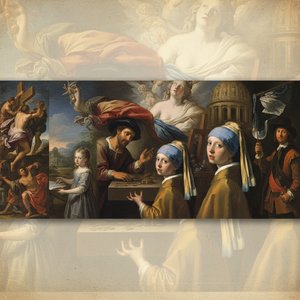
Barokna Genijalnost: Top 10 Remekdjela Koja Su Definirala Umjetnički Pokret
Otkrijte 10 remekdjela barokne umjetnosti koja su obilježila epohu! Karavaggio, Bernini, Rubens i drugi majstori. Istražite priče iza slika, tehnike i vječne ljepote. Inspirirajte se za svoj interijer s TopImpressionists.com - vrhunskim reprodukcijama i kuriranim idejama za dekoraciju doma.

Barokna elegancija: Unesite dramu i luksuz u svoj interijer vrhunskim umjetničkim remek-djelima
Otkrijte moć barokne elegancije uz TopImpressionists.com. Ponudarujemo vrhunske, ručno slikane uljane reprodukcije baroknih remek-djela koja unose dramu i luksuz u vaš interijer. Osigurajte autentičnost, vrhunsku izradu i ekskluzivno umjetničko savjetovanje za prestižne kolekcionare.