


 Pregledaj u stvarnoj veličini
 Podijeli
 Podijeli
 Detalji
 Vodič
Vodič

 Preuzmi datoteku
 Slični predmeti
 Rentgenska snimka
 Slide show
 Statistika
Model


Cristóbal Balenciaga’s ‘Model’ (1967) captures a striking tweed suit – elegant, geometric & timeless. Explore this iconic fashion photograph and discover the legacy of the 'Master Couturier'.
 Pročitajte više
Istražite svijet Cristóbala Balenciage Eizaguirreja (Balenciaga), revolucionarnog španenskog modnog dizajnera poznatog po elegantnim, skulpturalnim dizajnima i avangardnom utjecaju. Otkrijte slike poput 'Tree Roots'.
Djelo prikazano na ovoj stranici zaštićeno je autorskim pravima, što znači da zakonski ne možemo izraditi niti prodati identičnu reprodukciju. Ova se zaštita provodi u skladu s međunarodnim sporazumima kao što su Bernska konvencija i nacionalnim zakonima, uključujući i one koji su utvrđeni u Američki zakon o autorskom pravu – Title 17.
Ova metoda u potpunosti je usklađena s autorskim pravima jer ne uključuje kopiranje ili dupliciranje zaštićenih umjetničkih djela. Umjesto toga, riječ je o kreativnoj reinterpretaciji – novoj slici koja je dobila utjecaj na izvornik, ali nije identična njemu.
Giclée / Umjetnički otisak
Giclée tisak muzejske kvalitete ili otisak na platnu uz brzu proizvodnju i fleksibilne opcije završne obrade. ( Naručite ručno oslikano reprodukciju Prebacite na digitalnu prodaju slika)




P118B €10

P118H €10

P118W €10

P438Z €10

P508JH €12

P508YH €12

P805H €10

P805Z €10

P919BZ €10

P919G €10

P919XJ €10

P959ZH €10

P968JZ €12

W106C €8

W218G €10

W218JH €8

W218Y €10

W307PJ €10

W316G €10

W316PJ €8

W316Y €10

W398PJ €8

W4111J €10

W500HY €15

W500JH €15

W692G €12

W849H €8

W940BG €15

W953PJ €8




Standardne dimenzije
prilagođeno po mjeri
CM
INCH
Odaberite jednu od naših unaprijed definiranih veličina koje odgovaraju izvornim proporcijama umjetničkog djela.
Loading sizes...

širina
visina
Unesite širinu i visinu koja vam je potrebna, kako bi odgovarali vašem okviru ili zidu. Print se može samo izrezati, nikada ne može biti veći od slike, stoga veličina s drugačijim oblikom gubi dio slike. Šaljemo vam digitalni prikaz (mockup) na odobrenje prije bilo kakve štampe. Slika prikazana na ovoj stranici ne prikazuje stvarni rez — to čini samo digitalni prikaz.
Dostava širom svijeta () u roku od 2 tjedna umjesto standardnih 4/5 tjedana. (24 Listopad)

Besplatna ekspresna dostava širom svijeta

Visokokvalitetno laneno platno

Potpuno osiguranje transporta

Jamstvo povrata carine i uvoznih poreza

Jamstvo vjernosti boja

Politika povrata u roku od 100 dana (samo u slučaju nedostataka)

Jamstvo povrata 100% novca

Popust na više proizvoda
 Opcija stakla dostupna je samo za dimenzije manje od 110 cm

Model
Giclée / Umjetnički otisak
Veličina reprodukcije
-


Ukupna cijena
€ 61
The Enigmatic Silhouette: Unpacking Cristóbal Balenciaga’s ‘Model’
Cristóbal Balenciaga’s 1966 photograph, “Model,” isn't merely a portrait; it’s a distilled essence of the designer’s revolutionary approach to fashion. The image captures a woman, her form enveloped in a striking tweed suit – a garment that immediately speaks of geometric precision and timeless elegance. Yet, beneath this surface simplicity lies a profound exploration of structure, proportion, and the very nature of representation. The photograph, often cited as one of Balenciaga’s most iconic works, transcends its status as a simple fashion image, offering a glimpse into the meticulous process and philosophical underpinnings of his design philosophy.
Balenciaga's genius wasn’t simply about creating beautiful clothes; it was about dissecting them, understanding their fundamental components, and rebuilding them with an almost architectural rigor. “Model” exemplifies this perfectly. The tweed itself is a deliberate choice – a robust, slightly stiff material that resists the drape of traditional fabrics, demanding a precise construction. Notice how the seams are barely visible, suggesting a layering technique designed to create volume without adding bulk. This restraint, this careful control over the fabric’s behavior, is characteristic of Balenciaga's work and reflects his deep understanding of materials – he considered himself more a craftsman than a designer in the conventional sense.
A Masterclass in Architectural Form
The suit’s silhouette isn’t simply flattering; it’s deliberately constructed to evoke a sense of solidity and strength. The fitted bodice, the subtly flared skirt – each element contributes to an overall impression of contained power. Balenciaga was deeply influenced by the art movements of his time, particularly Surrealism and Cubism, which encouraged him to deconstruct familiar forms and reassemble them in unexpected ways. This is evident in the suit’s sharp angles and its almost sculptural quality. The photograph itself becomes a study in form – a meditation on how shape can convey meaning and emotion.
The choice of David Bailey as the photographer further enhances the image's impact. Bailey, known for his stark, black-and-white portraits, captures the subject with an unflinching gaze, emphasizing her posture and the suit’s impeccable tailoring. The lighting is carefully controlled, highlighting the textures of the tweed and casting subtle shadows that accentuate the garment’s three-dimensional form. Bailey's skill lies in revealing the underlying structure of the image, mirroring Balenciaga’s own approach to design.
Echoes of a Lost Era: Context and Legacy
“Model” was created during a pivotal moment in fashion history – the mid-1960s. While Yves Saint Laurent was injecting youthful energy into Parisian couture with his Le Smoking tuxedo, Balenciaga remained steadfastly committed to his own vision of timeless elegance. His designs were often perceived as being ahead of their time, challenging conventional notions of beauty and femininity. The photograph serves as a reminder of this period of creative experimentation and the enduring influence of Balenciaga’s work.
The image also speaks to the broader cultural context of the era – a fascination with architecture, technology, and industrial design. Balenciaga's designs were often described as “architectural,” reflecting a growing interest in geometric forms and functional aesthetics. The photograph captures this spirit perfectly, suggesting that fashion could be both beautiful and intellectually stimulating.
A Timeless Icon: Reproduction and Inspiration
Today, “Model” remains one of the most recognizable images in the history of fashion photography. Its enduring appeal lies in its combination of technical skill, artistic vision, and emotional resonance. Reproductions of this photograph are highly sought after by collectors and interior designers alike, who appreciate its timeless elegance and its ability to evoke a sense of sophistication and refinement. When commissioning a hand-painted reproduction, it’s crucial to select an artist who understands Balenciaga's meticulous approach to detail and his commitment to capturing the essence of his designs.
Pitanja i odgovori
Što objašnjava autorska prava za djelo "Model" autora Cristóbal Balenciaga Eizaguirre?
Status autorskih prava za djelo "Model" - još uvijek pod autorskim pravima - proizlazi iz smrti umjetnika 1972.
Od čega je izrađeno "Model" i u kojem je stilu?
"Model" je djelo izvedeno u tehnici Acrylic On Canvas, u stilu Early Modernism.
Je li "Model" ostalo u domovini svog umjetnika?
Da – umjetničko djelo se nalazi u domovini umjetnika. Rodna zemlja umjetnika Cristóbal Balenciaga Eizaguirre je Španjolska, dok se muzej u kojem se čuva izvornik djela "Model" nalazi u državi Španjolska.
Biografija umjetnika
raniji život i karijera
Cristóbal Balenciaga Eizaguirre, čuveni španatski modni dizajner, rođen je 1895. godine u Getariji, u Španjolskoj. Najpoznatiji je po osnivanju modnog brenda Balenciaga, koji je postao sinonim za visoku modu i vrhunsku couturiere. Balenćina reputacija modnog majstora beskompromisnih standarda donijela mu je titule koje su mu dodijelile legende: Christian Dior ga je nazivao „majstorom svih nas“, dok je Coco Chanel proglasila „jedinim couturierom u najistinsjem smislu te riječi“.umjetnički stil i utjecaji
Balenćini dizajni odlikovali su se elegancijom, jednostavnošću i nevjerojatnom pažnjom posvećenom svakom detalju. Njegov rad bio je duboko prožet utjecajima avantgardnog umjetničkog pokreta, što se jasno očituje u njegovim hrabrim i inovativnim kreacijama. Među njegova najznačajnija djela možemo izdvojiti:- Studiju prema 'Pjesmi pjesama IV' (naivna umjetnost / primitivizam), sliku koja prikazuje njegov eksperimentalni pristup modi.
- Korijenje drveta (50 x 100 cm, postimpresionizam, ulje na platnu), djelo koje demonstrira njegovu sposobnost da uhvati samu bit prirode.
- Akrobata (nadrealizam, ulje na platnu), slika koja naglašava njegovu spremnost na pomicanje granica u svijetu mode.
muzeji i kolekcije
Balenćini radovi mogu se pronaći u raznim svjetskim muzejima i privatnim kolekcijama, uključujući:- Museo de Bellas Artes de Asturias (Španjolska), koji čuva raznoliku kolekciju europske umjetnosti.
- Kolekcija Andrés Blaisten (Meksiko), meksička zbirka koja izlaže remek-djela latinoameričke umjetnosti.
Muzej uništen vatrom (Sjedinjene Američke Države), trag tragičnog događaja u povijesti američke umjetnosti.
naslijeđe i utjecaj
Balenćino naslijeđe nadilazi okvire njegovih modnih kreacija. On je utjecao na cijele generacije dizajnera, a njegovo djelo i dalje uživa slavlje zbog svoje bezvremenske ljepote i elegancije. Kao Cristóbal Balenciaga Eizaguirre, on ostaje ikonična figura u svijetu visoke mode.- Pogledajte više djela autora Cristóbal Balenciaga Eizaguirre na https://TopImpressionists.com/@/cristobal-balenciaga-eizaguirre
- Istražite kolekciju Museo de Bellas Artes de Asturias na /hr/art/show/art-d3atkt-hr/
- Saznajte više o kolekciji Andrés Blaisten na https://TopImpressionists.com/@@/a@d3bqc7-the-museum-destroyed-by-fire-(united-states)

Cristóbal Balenciaga Eizaguirre
1895 - 1972 , Španjolska
Brzi pregled
- Artistic Movement Or Style: Avantgradna umjetnost / Nadrealizam
- Artists Or Movements Influenced By This Artist: ['Hubert de Givenchy']
- Artists Who Influenced This Artist:
- Christian Dior
- Coco Chanel
- Date Of Birth: 21. siječnja 1895.
- Date Of Death: 23. ožujka 1972.
- Full Name: Cristóbal Balenciaga Eizaguirre
- Nationality: Španjolski
- Notable Artworks:
- Studija za 'Pjesmu pjesama IV'
- Korijenje drveta
- Akrobat
- Place Of Birth: Getaria, Španjolska
Povezani članci

Gianfranco Ferré: Deconstructing Haute Couture – A Legacy of Architectural Form
Explore the revolutionary world of Gianfranco Ferré, 'the architect of fashion.' Discover his architectural approach to haute couture, iconic Dior designs, and lasting influence on luxury style. A deep dive for collectors & enthusiasts.

Cristóbal Balenciaga: Deconstructing Haute Couture's Architectural Legacy
Explore the revolutionary world of Cristóbal Balenciaga, the 'couturier's couturier'. Discover his architectural designs, lasting influence on haute couture, and guide to collecting rare pieces. A connoisseur’s resource.

Draped Narratives: Fashion as Symbol & Subject in Historical Art
Explore the fascinating history of fashion as a symbol of power & status in art! Discover masterpieces from Gainsborough to Tissot and learn how clothing shaped societal narratives. Find museum-quality reproductions at TopImpressionists.
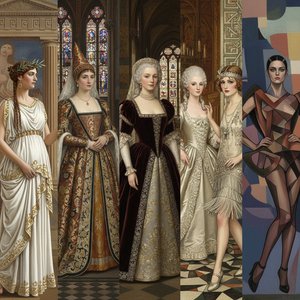
Style Through the Ages: Iconic Artworks That Defined the Evolution of Fashion Design
Explore the breathtaking intersection of fine art and high fashion. Discover how iconic masterpieces from Art Deco to Impressionism have shaped the world of luxury couture and timeless design in this curated visual journey.

The Lens of Luxury: A Visual Journey Through the Evolution and Artistry of Fashion Photography
Embark on a visual journey through the evolution of fashion photography. Discover how masters like Gianfranco Ferré blended geometry, surrealism, and texture to redefine high-fashion art for collectors and connoisseurs of luxury imagery.
Istražite umjetnička djela organizirana prema temama, stilovima i karakteristikama.
