

 Pregledaj u realnoj veličini
 Pošalji
 Podijeli
 Detalji o umjetničkom djelu
 Vodič
Vodič

 Preuzmi umjetničko djelo
 Slični predmeti
 Rentgenska snimka
 Slide show
 Pitanja i odgovori
 Statistika
Democritus

- 101.0 x 81.0 cm


Discover Diego Velázquez's 'Democritus,' a captivating portrait of the ancient Greek philosopher Democritus. Explore its Baroque artistry, realism & psychological depth at the Musée des Beaux-Arts.
 Prikaži više
Diego Velázquez: Španjolski majstor barokne umjetnosti! Otkrijte njegov realizam, portrete kraljevskog dvora i ikonična djela poput 'Las Meninas'. Genijalac koji je definirao zlatno doba Španjolske.
Giclée / Umjetnički otisak
Giclée tisak muzejske kvalitete ili otisak na platnu uz brzu izradu i raznolike opcije završne obrade. ( Kupi ručno oslikano djelo Prebacite na digitalnu sliku)




P118B €10

P118H €10

P118W €10

P438Z €10

P508JH €12

P508YH €12

P805H €10

P805Z €10

P919BZ €10

P919G €10

P919XJ €10

P959ZH €10

P968JZ €12

W106C €8

W218G €10

W218JH €8

W218Y €10

W307PJ €10

W316G €10

W316PJ €8

W316Y €10

W398PJ €8

W4111J €10

W500HY €15

W500JH €15

W692G €12

W849H €8

W940BG €15

W953PJ €8




Standardne dimenzije
po mjeri
CM
INCH
Odaberite jednu od naših unaprijed definiranih veličina koje odgovaraju izvornim proporcijama umjetničkog djela.
Loading sizes...

širina
visina
Unesite potrebnu širinu i visinu kako bi odgovarali vašem okviru ili zidu. Print se može samo izrezati, nikada ne može biti veći od slike, stoga format s drugačijim omjerom stranica uzrokuje gubitak dijela slike. Prije bilo kakve štampe šaljemo vam digitalni prikaz (mockup) na odobrenje. Slika prikazana na ovoj stranici ne prikazuje stvarni rez — to prikazuje isključivo digitalni prikaz.
Dostava širom svijeta () u roku od 2 tjedna umjesto standardnih 4/5 tjedana. (5 Studeni)

Besplatna ekspresna dostava širom svijeta

Visokokvalitetno laneno platno

Potpuno osiguranje dostave

Jamstvo povrata carine i uvoznih poreza

Jamstvo vjernosti boja

Politika povrata u roku od 100 dana (samo u slučaju nedostataka)

Jamstvo povrata 100% novca

Popust na više proizvoda
 Opcija stakla dostupna je samo za dimenzije manje od 110 cm

Democritus
Giclée / Umjetnički otisak
Veličina reprodukcije
-


Ukupna cijena
€ 63
The Enigmatic Smile of Democritus
Diego Velázquez’s “Democritus,” painted between 1628 and 1629, is not merely a portrait; it's an invitation into the mind of a philosopher, a subtle meditation on knowledge, laughter, and the very nature of reality. Housed within the Musée des Beaux-Arts et de la Céramique in Rouen, France, this oil painting transcends its modest dimensions (101 x 81 cm) to become a cornerstone of Baroque artistry, showcasing Velázquez’s unparalleled ability to capture not just likeness but also character and an elusive sense of inner life. The subject, believed to be a representation of the ancient Greek philosopher Democritus – though more likely embodying the concept of the ‘laughing philosopher’ – presents a captivating scene of quiet contemplation, his expression a carefully constructed blend of amusement and profound thought.
Velázquez's genius lies in his masterful manipulation of light and shadow, a technique deeply rooted in the Baroque tradition. The background is deliberately subdued, rendered in deep, warm tones that draw the viewer’s eye directly to the figure at the center. This strategic use of chiaroscuro not only creates depth but also serves to heighten the sense of drama and intrigue surrounding Democritus's face. Notice how the light gently caresses his features, highlighting the lines around his eyes and mouth – suggesting a life lived in intellectual pursuit and perhaps, a touch of wry amusement at the follies of humankind. The artist’s meticulous attention to texture is equally remarkable; from the intricate lacework of the collar to the subtly rendered folds of the cloak, every detail contributes to the painting's overall sense of realism and tactile presence.
A Portrait Steeped in Symbolism
Beyond its immediate visual appeal, “Democritus” is rich with symbolic elements that invite interpretation. The subject’s attire – a black cloak adorned with a white ruff – immediately establishes his social standing within the Spanish court. However, it's the inclusion of the globe in his right hand that truly elevates the painting to a higher level of meaning. Globes were frequently used as symbols of knowledge, exploration, and philosophical inquiry during this period, suggesting Democritus’s engagement with the vastness of the universe and the pursuit of understanding its fundamental principles. The carefully chosen pose – relaxed yet alert – further reinforces this interpretation, conveying an image of a man comfortable in his own intellectual world.
The painting's historical context is equally significant. In the early 17th century, Democritus’s ideas were often associated with Heraclitus, ‘the weeping philosopher,’ creating a compelling juxtaposition between two contrasting attitudes toward the world. This pairing—a cheerful, inquisitive mind versus a melancholic one—became a popular theme in Spanish art and literature, prompting artists to explore the complexities of human experience. Velázquez cleverly captures this duality, presenting Democritus not as a rigid intellectual but as a vibrant individual capable of both profound thought and genuine laughter.
Velázquez’s Masterstroke: Technique and Legacy
Diego Velázquez was a revolutionary painter, pushing the boundaries of portraiture with his innovative techniques. “Democritus” exemplifies this approach, demonstrating his ability to capture not just a likeness but also the very essence of his subject. His use of *alla prima* painting—working directly on the canvas without preliminary sketches—allowed him to achieve an unprecedented level of spontaneity and immediacy in his brushwork. The loose, expressive strokes create a sense of movement and vitality, while the subtle variations in color and tone contribute to the painting’s overall atmospheric quality.
“Democritus” stands as one of Velázquez's most celebrated works, admired for its psychological depth, technical brilliance, and enduring appeal. It is a testament to the artist’s extraordinary talent and his profound understanding of human nature. Reproductions of this masterpiece continue to captivate audiences worldwide, offering a glimpse into the mind of a brilliant philosopher and the genius of one of art history's greatest masters. Its quiet dignity and enigmatic smile remain a source of endless fascination, inviting viewers to contemplate the mysteries of knowledge, laughter, and the human condition.
Pitanja i odgovori
Koliko ljudi gleda "Democritus"?
Statistike o djelu "Democritus" autora Diego Velázquez možete pronaći na stranici Statistika pregleda tog umjetničkog djela: mjesečni broj posjeta umjetničkom djelu, broj posjeta umjetnikovim radovima te pregled nedavnih posjetitelja prema državi i jeziku.
Postoji li prezentacija u obliku slajdova za "Democritus" autora Diego Velázquez?
Djelo "Democritus" autora Diego Velázquez možete pregledati u obliku prezentacije na stranici Galerija slika za to umjetničko djelo.
Gdje mogu vidjeti originalno djelo "Democritus" autora Diego Velázquez?
"Democritus" autora Diego Velázquez izložen/a je u muzeju Musée des Beaux-Arts et de la Céramique, Rouen, Francuska. Navedeni muzej odnosi se na izvornom djelo, a ne na reprodukcije.
Biografija umjetnika
Diego Velázquez: Španjolski Majstor Svjetla i Sjene
Diego Rodríguez de Silva y Velázquez, rođen u Sevilji 1599. godine, zauzima jedinstveno mjesto u povijesti umjetnosti – ne samo kao španjolski majstor, već i kao ključna figura čiji su inovativni potezi odjekivali kroz stoljeća. Njegov život se razvijao tijekom Španjolske zlatne epohe, doba definirano carskom snagom i kulturnim procvatom, a njegova umjetnost postala je neodvojivo povezana s veličinom i složenostima habsburskog dvora. Od skromnih početaka, Velázquez se uzdigao do više od pukog slikara; bio je vizualni tumač carstva, bilježeći vladare, dvorjane i svakodnevni život neusporedivom realizmom i psihološkom dubinom. Njegovo putovanje započelo pod mentorstvom Francisca de Herrere el Vieja i, ključno, s Francisco Pachecoom, čije je rigorozno školovanje u njega utisnulo temelj tehničkih vještina, proporcija i klasicizma. Međutim, upravo Velazquezov urođeni talent – izvanredna osjetljivost na svjetlo, boju i ljudski karakter – istinski ga je izdvojila. Čak su i rani radovi poput *Stare žene koja prži jaja* nagovještavali revolucionarni pristup koji će primijeniti u slikanju žanrovskih scena, prožimajući obične prizore dostojanstvom i neposrednošću koju se do tada rijetko viđala.Uspon na Dvor Filipa IV.
Godine 1623., s dvadesetčetiri godine, Velázquez je donio transformativnu odluku preseliti se u Madrid, tražeći pokroviteljstvo u srcu španjolske moći. Ovaj potez se pokazao ključnim. Brzo je stekao priznanje i imenovan je dvorjanin-slikar kralja Filipa IV. 1628. godine, pozicija koju će zadržati do kraja života. Ova imenovanj nije bilo samo osiguranje zaposlenosti; dodijelila mu je neusporedivu blizinu kraljevskoj obitelji i plemstvu, omogućujući mu da postane kroničar kroz sliku. Za razliku od mnogih dvorjanskih umjetnika koji su idealizirali svoje subjekte, Velázquez se trudio za nepokolebljivim realizmom. Depictirao je Filipa IV. ne kao udaljenu simbol vlasti, već kao čovjeka – inteligentnog, melankoličnog i opterećenog odgovornošću. Ova predanost istini, u kombinaciji s njegovom majstorskom tehnikom, zaradila mu je kraljevsko povjerenje i sve veći umjetnički slobodu. Njegovi raniji dvoranski portreti pokazuju razvoj stila, odmaknuvši se od rigidne formalnosti ranije španjolske portreture prema prirodnijem i psihološki uvidljivijem pristupu. Utjecaj venecijanskih majstora poput Titiana – čija su djela Filip IV. strastveno prikupljao – vidljiv je u Velazquezovom sve tečnijem potezu kista i bogatijim paletama boja. On je upio pouke venecijanskog slikarstva, posebice naglasak na boji i labavom potezu kista, pretvarajući ih u nešto jedinstveno njegovo.Zenit Umjetničke Inovacije: *Las Meninas* i Izvan
Velazquezova umjetnička genijalnost dosegla je svoj vrhunac 1650-ih godina, kulminirajući stvaranjem njegovog remek-djela, *Las Meninas* (1656.). Ova slika nije samo portret; to je složena meditacija o samoj umjetnosti. Depictira Infantu Margaritu Tereziju okruženu njezinim dvorjanima, patuljcima i drugim članovima dvora, dok Velázquez stoji pred velikom platnom, kao da ga love u samom aktu slikanja. Uključivanje kralja i kraljice odraženo u ogledalu straga dodaje još jednu razinu intrige, izmažući granice između promatrača i opažanog, stvarnosti i reprezentacije. *Las Meninas* je majstorski prikaz perspektive, kompozicije i psihološkog uvida, izazivajući gledatelje da pitaju svoju ulogu u činu gledanja. To je slika o gledanju, biću viđenom i samoj prirodi umjetničkog stvaranja. Ostala značajna djela iz tog razdoblja uključuju *Predaja Breda*, snažan prikaz španjolske pobjede s iznimnom ljudskošću, i portrete poput *Dona Mariane od Austrije*, koji pokazuju njegovu sposobnost da uhvati i kraljevsku dostojanstvenost i unutarnju ranjivost. Njegova tehnika je nastavljala se razvijati, obilježena labavim potezom kista, suptilnim gradacijama tona i izvanrednom osjetljivošću na svjetlo i atmosferu – značajkom koja će duboko utjecati na generacije umjetnika.Nasljeđe i Trajni Utjecaj
Diego Velázquez je umro u Madridu 1660. godine, ostavivši iza sebe djelo koje će prožeti tok zapadne umjetnosti. Njegov naglasak na realizmu, njegov inovativni pristup svjetlu i sjeni te njegova psihološka dubina otvorila su nova vrata u slikarstvu. On nije samo bilježio izglede; uhvaćao je bit ljudskog iskustva. U 19. stoljeću, francuski realistički slikari poput Gustava Courbeta gledali su na Velazqueza kao uzor za svoju predanost prikazivanju života bez idealizacije. *Édouard Manet*, duboko inspiriran *Las Meninas*, izravno je referirao na Velazquezovu kompoziciju u svojim djelima, demonstrirajući trajanu moć španjolskog majstora vizije. U 20. stoljeću, umjetnici poput Pabla Picassa i Francisa Bacona angažirali su se s Velazquezovim slikama reinterpretacijama i počastima, prepoznajući njegovu stalnu važnost za modernu umjetnost. Picasso je, na primjer, stvorio niz varijacija na *Las Meninas*, istražujući njezin kompozicijski okvir i psihološke složenosti. Danas se Velazquezova remek-djela nalaze u muzejima diljem svijeta, najviše u Museo del Prado u Madridu, gdje posjetitelji mogu iz prve ruke doživjeti sjaj ovog izvanrednog umjetnika. Njegovo nasljeđe nastavlja nadahnjivati usplah i divljenje, čvrsto utvrđujući njegovo mjesto jednog od najvećih slikara koji su ikada živjeli – majstora svjetla, sjene i ljudskog duha.Ključna Djela & Zbirke
- *Las Meninas* (1656): Museo del Prado, Madrid - Nedvojbeno njegovo najpoznatije djelo, složen portret kraljske obitelji.
- *Predaja Breda* (1634-1635): Museo del Prado, Madrid – Snažan prikaz španjolske pobjede s iznimnom ljudskošću.
- *Venera u ogledalu* (c. 1647–1651): Museo del Prado, Madrid - Demonstrira njegovu vještinu balansiranja realizma i ljepote.
- *Dona Mariana od Austrije, Kraljica Španjolske* (1649): Museo del Prado, Madrid – Zapanjujući portret koji prikazuje kraljevsku eleganciju.
- *Portret pape Inocenta X.* (1650): Galleria Doria Pamphilj, Rim - Prijatno i nekonvencionalno prikazivanje poglavara Crkve.
- *Autoportret* (1643): Musée des Beaux-Arts, Valence – Otkriva dostojanstvenog i introspektivnog umjetnika.

Diego Velázquez
1599 - 1660 , Španjolska
Osnovne informacije
- Datum Rođenja: 6. lipnja 1599.
- Državljanstvo: Španjolac
- Mjesto Rođenja: Sevilja, Španjolska
- Puno Ime: Diego Rodríguez de Silva y Velázquez
- Umjetnici/Pokreti Pod Utjecajem:
- Manet
- Picasso
- Umjetnički Stil: Barok, Realizam
- Utjecajni Umjetnici: ['Titian']
- Značajna Djela:
- Las Meninas
- Predaja Breda
- Venera za ogledalom
- Portret pape Inocenta X
Srodni članci

Spanish Baroque Art: The Dramatic Mastery of Light and Shadow in the Age of Velázquez
Explore the profound drama of Spanish Baroque art. Delve into the mastery of light, shadow, and realism through the legendary works of Diego Velázquez and the Spanish Golden Age.

The Golden Age Reforged: Dramatic Realism & Religious Zeal in Spanish Baroque Art
Explore the dramatic world of Spanish Baroque art! Discover masters like Zurbarán & the powerful influence of religious zeal on painting techniques – a guide for collectors and enthusiasts.

Diego Velázquez: Master of the Spanish Golden Age – Technique, Influence & Courtly Portraiture
Explore the life & work of Diego Velázquez, master of the Spanish Golden Age. Discover his innovative techniques, iconic paintings like Las Meninas, and lasting influence on art history. Expert insights for collectors.

Spanish Baroque Art: The Dramatic Mastery of Light and Shadow in the Age of Velázquez
Explore the profound drama of Spanish Baroque art. Delve into the mastery of light, shadow, and realism through the legendary works of Diego Velázquez and the Spanish Golden Age with our expert-led historical guide.
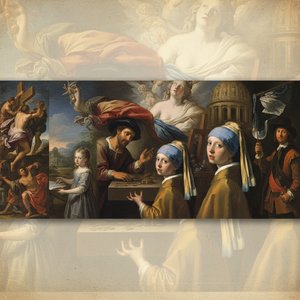
Barokna Genijalnost: Top 10 Remekdjela Koja Su Definirala Umjetnički Pokret
Otkrijte 10 remekdjela barokne umjetnosti koja su obilježila epohu! Karavaggio, Bernini, Rubens i drugi majstori. Istražite priče iza slika, tehnike i vječne ljepote. Inspirirajte se za svoj interijer s TopImpressionists.com - vrhunskim reprodukcijama i kuriranim idejama za dekoraciju doma.
Istražite umjetnička djela organizirana prema temama, stilovima i karakteristikama.


