Pregledaj u realnoj veličini
 Pošalji
 Podijeli
 Detalji o umjetničkom djelu
 Vodič
Vodič

 Preuzmi umjetničko djelo
 Slični predmeti
 Rentgenska snimka
 Slide show
 Pitanja i odgovori
 Statistika
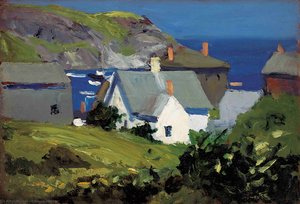
untitled (1885)


Experience the haunting beauty of Edward Hopper's 'untitled (1885)' – a masterful depiction of urban solitude and quiet contemplation, bathed in evocative light. Explore a timeless classic.
 Prikaži više
Majstor američkog realizma koji je u djelu Nighthawks prikazao samoću. Otkrijte njegove kultne slike i snažnu igru svjetla i sjene već danas.
Djelo prikazano na ovoj stranici zaštićeno je autorskim pravima, što znači da zakonski ne možemo izraditi niti prodati identičnu reprodukciju. Ova se zaštita provodi u skladu s međunarodnim sporazumima kao što su Bernska konvencija i nacionalnim zakonima, uključujući i one koji su utvrđeni u Američki zakon o autorskom pravu – Title 17.
Ova metoda u potpunosti je usklađena s autorskim pravima jer ne uključuje kopiranje ili dupliciranje zaštićenih umjetničkih djela. Umjesto toga, riječ je o kreativnoj reinterpretaciji – novoj slici koja je dobila utjecaj na izvornik, ali nije identična njemu.
Giclée / Umjetnički otisak
Giclée tisak muzejske kvalitete ili otisak na platnu uz brzu izradu i raznolike opcije završne obrade. ( Kupi ručno oslikano djelo Prebacite na digitalnu sliku)




P118B €10

P118H €10

P118W €10

P438Z €10

P508JH €12

P508YH €12

P805H €10

P805Z €10

P919BZ €10

P919G €10

P919XJ €10

P959ZH €10

P968JZ €12

W106C €8

W218G €10

W218JH €8

W218Y €10

W307PJ €10

W316G €10

W316PJ €8

W316Y €10

W398PJ €8

W4111J €10

W500HY €15

W500JH €15

W692G €12

W849H €8

W940BG €15

W953PJ €8




Standardne dimenzije
po mjeri
CM
INCH
Odaberite jednu od naših unaprijed definiranih veličina koje odgovaraju izvornim proporcijama umjetničkog djela.
Loading sizes...

širina
visina
Unesite potrebnu širinu i visinu kako bi odgovarali vašem okviru ili zidu. Print se može samo izrezati, nikada ne može biti veći od slike, stoga format s drugačijim omjerom stranica uzrokuje gubitak dijela slike. Prije bilo kakve štampe šaljemo vam digitalni prikaz (mockup) na odobrenje. Slika prikazana na ovoj stranici ne prikazuje stvarni rez — to prikazuje isključivo digitalni prikaz.
Dostava širom svijeta () u roku od 2 tjedna umjesto standardnih 4/5 tjedana. (11 Studeni)

Besplatna ekspresna dostava širom svijeta

Visokokvalitetno laneno platno

Potpuno osiguranje dostave

Jamstvo povrata carine i uvoznih poreza

Jamstvo vjernosti boja

Politika povrata u roku od 100 dana (samo u slučaju nedostataka)

Jamstvo povrata 100% novca

Popust na više proizvoda
 Opcija stakla dostupna je samo za dimenzije manje od 110 cm

untitled (1885)
Giclée / Umjetnički otisak
Veličina reprodukcije
-


Ukupna cijena
€ 63
A Window into Quietude: The Enigmatic World of Edward Hopper
In the quiet corners of American realism, few works capture the profound tension between presence and absence as poignantly as Edward Hopper’s "Untitled (1885)". This evocative canvas serves as a masterful distillation of the anxieties and aspirations inherent in the modern experience, offering a scene that feels both intimately familiar and hauntingly distant. At first glance, the painting presents a serene moment: a man and a woman positioned on the porch of a house, bathed in the diffused, gentle glow of daytime sunlight. Yet, beneath this tranquil surface lies a complex psychological landscape. As their gazes drift outward toward the bustling city street below, an immediate sense of separation emerges, creating a palpable boundary between the private sanctuary of the porch and the vibrant, indifferent activity of the urban world.
Hopper’s signature technique is on full display here, showcasing a meticulous realism that avoids the mere imitation of life in favor of a deeper, more symbolic truth. Eschewing the fleeting, light-drenched impressions of the Impressionists, Hopper employs a deliberate simplification of form and a controlled palette to convey mood. The composition is anchored by muted tones—predominantly deep blues and earthy browns—which reinforce an atmosphere of quiet melancholy. By utilizing geometric shapes, particularly the stark rectangles of architectural elements, he creates a sense of spatial restraint that mirrors the emotional containment of his subjects. This structural precision does not merely define the setting; it builds a cage of sorts, emphasizing the isolation felt by the figures within the frame.
The Architecture of Solitude and Urban Life
To understand this piece is to understand the historical currents of an era marked by rapid industrialization and the rise of the American metropolis. "Untitled (1885)" emerges from a period where the growth of cities fostered new, complex feelings of alienation and detachment. The painting acts as a mirror to this cultural preoccupation with solitude. While the background reveals other individuals engaged in the rhythmic, daily activities of the city street, they remain secondary to the central emotional weight of the couple on the porch. This contrast between the lively, collective movement of the crowd and the still, introspective state of the protagonists creates a powerful symbolic resonance, touching upon themes that would later define modernist movements such as Surrealism and Expressionism.
For the discerning collector or interior designer, this work offers more than just aesthetic beauty; it provides a profound emotional anchor for a space. The painting’s ability to evoke nostalgia, stillness, and contemplation makes it an extraordinary centerpiece for environments that value depth and storytelling. Whether placed in a contemporary gallery setting or a classic study, the reproduction of such a masterpiece invites viewers to pause and reflect. It is a piece that does not demand attention through loudness, but rather commands it through its quiet, enduring strength—a timeless window into the human condition that continues to resonate with every passing generation.
Pitanja i odgovori
Gdje mogu kupiti digitalnu sliku djela "untitled (1885)" autora Edward Hopper?
Kako biste dobili digitalnu datoteku djela "untitled (1885)" autora Edward Hopper, naručite preuzimanje digitalne slike visoke rezolucije na njegovoj stranici Digitalna umjetnina.
Gdje bi se trebala visiti reprodukcija djela "untitled (1885)" autora Edward Hopper?
Format (Landscape) i preporučeni prostor (Living Room) dvije su ključne informacije o postavljanju za "untitled (1885)" autora Edward Hopper.
Kakvu bojnu harmoniju prikazuje "untitled (1885)" autora Edward Hopper?
Boje djela "untitled (1885)" autora Edward Hopper odražavaju Discordant Palette harmoniju. Harmonija opisuje međusobni odnos boja.
Biografija umjetnika
Tišina američke scene
Edward Hopper rođen je u mjestu Upper Nyack, Sjedinjene Američke Države. Njegove su rane godine obilježile promatranje svijeta istaknutim i nepokolebljivim pogledom, navikom koja je započela s dječjim skicama, pedantno datiranima i potpisanima. Dok su mu roditelji sugerirali praktičniji put u komercijalnoj ilustraciji, njegova je pažnja ostala usredotočena na likovnu umjetnost. Studirao je u New York School of Art pod mentorima kao što su William Merritt Chase i Robert Henri. Te su godine naučile tehničkoj vještini potrebnoj za prikazivanje svijeta onakvim kakav jest – neukršenim i iskrenim. Nije tražio prolazne poteze impresionista koje je susretao u Parizu; umjesto toga, razvio je način gledanja koji je favorizirao mir i nepomičnost trenutka nasuprot pokretu gomile.
Njegovo djelo često se vrti oko svakodnevice. Gledao je u kuće, restorane, uredi i hotelske sobe. Skidao je nepotrebne detalje kako bi pronašao dubinsku emocionalnu istinu scene. U djelu House by the Railroad (1925), jednostavna kompozicija otkriva osjećaj misterije i izolacije. Svjetlo i sjenu nije koristio samo da bi opisao prostor, već da bi postavio atmosferu. Precizno prikazivanje sjene na zidu ili način na koji svjetlo pada na prozor postali su njegov način komuniciranja psihološkog stanja njegovih subjekata.
Svjetlo i urbani interijer
Način na koji svjetlo ulazi u prostor predstavlja centralnog lika u njegovim slikama. U djelu Nighthawks (1942), oštro fluorescentno svjetlo restorana kasno u noć prožima tamu napuštene urbane ulice. Figure unutra su fizički blizu, ali djeluju izgubljeno u vlastitim mislima, odvojeno jedna od druge. Taj osjećaj anonimnosti u prepunom gradu postao je ponavljajući motiv. Uhvatio je napetost boravka samog u javnom prostoru, osjećaj koji odzvanja u djelima kao što su Automat i Office in a Small City. Bio je fasciniran načinom na koji umjetno svjetlo komunicira s prirodnom tamom noći.
Njegova supruga, Josephine Nivison Hopper, bila je njegova stalna prisutnost. Bila je jednaka umjetica i često mu služila kao model. Njezin je duh prisutan u karakterizaciji mnogih njegovih ženskih figura. Zajedno su živjeli skromnim životom, često provodeći ljetna razdoblja u New Englandu, što je utjecalo na pejzaže koje je slikao. Njegovi prikazi američkog krajolika, bilo ruralnog ili urbanog, često naglašavaju određenu oštrinu ili prazninu. Bilo da se radi o benzinskoj postaji uz cestu u djelu Gas (1940) ili tihoj sobi u hotelu, tema je uvijek presjek fizičkog mjesta i privatnog, unutarnjeg iskustva.
Naslijeđe promatranja
Hopperov utjecaj proteže se u vizualni jezik filma i književnosti. Njegova sposobnost stvaranja psihološke napetosti kroz kompoziciju primijećena je kod mnogih koji proučavaju način na koji se priče pričaju kroz slike. Njegine slike i dalje se nalaze u vodećim svjetskim muzejima, u kolekcijama kao što su Whitney Museum of American Art i Museum of Fine Arts u Bostonu. Nije ciljao na velike povijesne narative. Svoju je temu pronalazio u tišim kutovima svakodnevnog života, pretvarajući običan prozor ili prolaznog stranca u proučavanje ljudskog stanja. Njegovo djelo ostaje studija tišine koja postoji između ljudi.

Edward Hopper
1931 - 1967 , Sjedinjene Američke Države
Osnovne informacije
- Artistic Movement Or Style: Američki realizam
- Artists Or Movements Influenced By This Artist: ['Pierre Sanford Ross']
- Artists Who Influenced This Artist:
- William Merritt Chase
- Robert Henri
- Edgar Degas
- Édouard Manet
- Date Of Birth: 1931
- Date Of Death: 1967
- Full Name: Edward Hopper
- Nationality: Američka
- Notable Artworks:
- Nighthawks
- Gas
- House by the Railroad
- Automat
- Office in a Small City
- Summertime
- Place Of Birth: Upper Nyack, Sjedinjene Američke Države
Srodni članci

Capturing the Soul of Nature: A Journey Through the Sublime Majesty of American Romanticism
Explore the breathtaking beauty of American Romanticism. Discover how Hudson River School masters captured the sublime spirit of the wilderness through luminous oil landscapes and emotional depth. A journey into the soul of nature for the true art enthusiast.

The Ashcan School: Capturing the Raw, Unfiltered Soul of Urban Life through American Realism
Discover the raw beauty of the Ashcan School. Explore how masters like Bellows and Henri captured the gritty, vibrant soul of early 20th-century New York through profound American Realism and evocative urban landscapes.

The Unvarnished Truth: A Cultural Journey Through the Soul of American Realism
Explore the profound beauty of American Realism. From the Ashcan School's urban grit to intimate portraits, discover how artists captured the authentic soul of a nation through unvarnished truth and masterful observation.
Istražite umjetnička djela organizirana prema temama, stilovima i karakteristikama.