


 Pregledaj u stvarnoj veličini
 Podijeli
 Podijeli
 Detalji
 Vodič
Vodič

 Preuzmi datoteku
 Slični predmeti
 Rentgenska snimka
 Slide show
 Statistika
Portret Wally
 Ulje na platnu
- Zidna umjetnost
- Austrian Expressionism
 1912
1912- Modernizam
 327.0 x 398.0 cm
Otkrijte 'Portret Wally' Egona Schielea, zagonjetno djelo austrijskog ekspresionizma! Istražite njegov hrabri stil, uznemirujuću ljepotu i burtnu povijest - izražajan komad za kolekcionare.
 Pročitajte više
Egon Schiele je austrijski ekspresionista koji je poznat po svojim intenzivnim psihološkim slikama i iskrenim prikazima ljudske prirode. Razvio je svoj vlastiti stil karakteriziran jednostavnom ljepotom i emocionalnom dubinom, oslanjajući se na teme smrti, seksualnosti i izolacije. otkriva reprodukcije sada!
Ručno rađena uljana reprodukcija
Ručno oslikano uljanim bojama na platnu u dimenzijama i okviru po vašem izboru, izrađeno po narudžbi od strane naših umjetnika. ( Prebacite na prodaju printova Prebacite na digitalnu prodaju slika)




P118B €10

P118H €10

P118W €10

P438Z €10

P508JH €12

P508YH €12

P805H €10

P805Z €10

P919BZ €10

P919G €10

P919XJ €10

P959ZH €10

P968JZ €12

W106C €8

W218G €10

W218JH €8

W218Y €10

W307PJ €10

W316G €10

W316PJ €8

W316Y €10

W398PJ €8

W4111J €10

W500HY €15

W500JH €15

W692G €12

W849H €8

W940BG €15

W953PJ €8




Standardne dimenzije
prilagođeno po mjeri
CM
INCH
Odaberite jednu od naših unaprijed definiranih veličina koje odgovaraju izvornim proporcijama umjetničkog djela.
Loading sizes...

širina
visina
Unesite širinu i visinu koja vam je potrebna, kako bi odgovarali vašem okviru ili zidu. Budući da je ovo ručno oslikano djelo, umjetnik može malo proširiti rubove slike ili ih skratiti kako bi postigao željeni oblik — izbor je vaš. Prije početka slikanja poslat ćemo vam digitalni prikaz (mockup) radi potvrde. Slika prikazana na ovoj stranici ne predstavlja stvarni rezultat — samo digitalni prikaz to čini.
Primjeri onoga što se može promijeniti: Zamijenite lice fotografijom klijenta; Dodajte ljubimca (npr. zamijenite mačku psom); Uključite skrivenu poruku u pozadinu; Promijenite pejzaž ili elemente pozadine.
Nakon narudžbe, tim TopImpressionists.com kontaktirat će klijenta putem e-pošte radi dobivanja uputa te dostaviti probni prikaz (mockup)
Nakon narudžbe, tim TopImpressionists.com kontaktirat će klijenta putem e-pošte radi dobivanja uputa te dostaviti probni prikaz (mockup)
Isporuka širom svijeta () u roku od 3-4 tjedna umjesto standardnih 5 tjedana. (24 Listopad). Bez kompromisa u kvaliteti.

Besplatna ekspresna dostava širom svijeta

Visokokvalitetno laneno platno

Potpuno osiguranje transporta

Jamstvo povrata carine i uvoznih poreza

Jamstvo vjernosti boja

Politika povrata u roku od 100 dana (samo u slučaju nedostataka)

Jamstvo povrata 100% novca

Popust na više proizvoda
 Opcija stakla dostupna je samo za dimenzije manje od 110 cm

Portret Wally
Tehnika izrade
Veličina reprodukcije
-


Ukupna cijena
€ 236
Portret Wally Neuzil: Pogled u dušu ekspresionizma
Egon Schieleovo "Portret Wally Neuzil" iz 1912. godine nije samo slika žene; to je duboki psihološki portret, iskrena studija ljudske ranjivosti i strasti, utkana u tkaninu austrijskog ekspresionizma. Wally, ljubavnica i muza Schielea, gleda direktno u nas, ne s idealiziranom ljepotom, već s intenzitetom koji prožima sliku gotovo opipljivim napetostima. Njezina poza je pomalo nespretna, odjeća jednostavna, a lice izražava složenost emocija – tugu, ranjivost, ali i neku vrstu smjele provokacije. Schiele nije nastojao prikazati savršenstvo; želio je uhvatiti esenciju Wallyne duše, njezinu unutarnju borbu i kompleksnost.Ekspresionistički potpis: Linija, boja i tekstura
Schieleov stil je neosporno prepoznatljiv. U "Portretu Wally" vidljiva je njegova majstorska upotreba linije – oštre, naglašene crte koje definiraju oblike i stvaraju dramatičan kontrast s mekim sjajevima kože. Nisu to glatke, realistične linije; već su dinamične, gotovo agresivne, što pojačava osjećaj emocionalne intenzivnosti. Paleta boja je ograničena, ali iznimno moćna – zemljane nijanse zelene, žute i smeđe dominiraju, s povremenim bljeskom crvene koji naglašava njezinu usnu i dio odjeće. Schiele koristi tehniku impasta, nanošenjem debele slojev boje, što sliku čini gotovo skulpturalnom, dodajući joj taktilni dimenziju i pojačavajući emocionalni utisak. Svaki potez kistom je namjeran, svjedočeći o njegovoj strasti i intenzitetu u stvaranju ovog djela.Vrijeme nastanka: Beč na raskrižju
Slika je nastala 1912. godine, u turbulentnom vremenu Beča, grada koji se nalazio na raskrižju umjetničkih i intelektualnih strujanja. Schiele je bio dio kruga oko Gustava Klimta, pionira secesije, ali je brzo razvio vlastiti, još radikalniji stil. Ekspresionizam, kao pokret, nastojao je prikazati subjektivna iskustva i emocije, a ne samo objektivnu stvarnost. Schiele je to radio s bezkompromisnom iskrenošću, često provocirajući javnost svojim otvorenim prikazom seksualnosti i ljudske ranjivosti. "Portret Wally" odražava ovo razdoblje eksperimentiranja i pobune protiv konvencija, postavljajući nove standarde u portretnoj umjetnosti.Simbolika i emocionalni utjecaj
Wallyin pogled je ključan element slike. Nije to samo pogled; to je izazov, ispitivanje, gotovo molaža. Ona nas gleda ravno u oči, ne skrivajući svoje emocije. Pozadina je minimalna, što usmjerava svu pozornost na njezinu figuru i njezin izraz lica. Njezina odjeća, iako jednostavna, naglašava njeznu krhkost. Schiele nije želio prikazati bogatstvo ili status; želio je uhvatiti unutarnju bit žene u tom specifičnom trenutku. "Portret Wally" ne ostavlja gledatelja ravnodušnim. On izaziva emocije, potiče na razmišljanje o ljudskoj prirodi, ljubavi, gubitku i prolaznosti života. To je slika koja nas prisiljava da se suočimo s našim vlastitim unutarnjim demonima i ljepotama.Pitanja i odgovori
Je li dostupna digitalna datoteka visoke rezolucije za "Portret Wally"?
Kako biste dobili digitalnu datoteku djela "Portret Wally" autora Egon Schiele, naručite preuzimanje digitalne slike visoke rezolucije na njegovoj stranici Digitalna slika.
Što "Portret Wally" dijeli s ostatkom djela umjetnika Egon Schiele?
"Portret Wally" dijeli sa ostalim djelima Egon Schiele njezin/njezin Austrian Expressionism stil i prisutne teme: klimt, expressionism, sexuality, vienna, psychological.
Mogu li vidjeti "Portret Wally" autora Egon Schiele na svom zidu prije kupnje?
Stranica AR pregled za djelo "Portret Wally" autora Egon Schiele koristi proširenu stvarnost kako bi prikazala umjetničko djelo u vašem vlastitom prostoru, pomoću kompatibilnog uređaja.
Biografija umjetnika
A Life Forged in Expression
Born in Tulln an der Donau, Austria, on June 12, 1890, Egon Schiele’s life was a turbulent journey marked by both extraordinary artistic vision and profound personal hardship. His early years were shadowed by illness and loss; his father succumbed to syphilis when Egon was just fourteen, a tragedy that would deeply resonate within his work, fueling an obsession with mortality and the fragility of existence. Raised initially by his mother and then under the somewhat controlling guardianship of his uncle Leopold Czihaczek, Schiele’s childhood lacked conventional stability but fostered a fiercely independent spirit. Even as a boy, he displayed an intense fascination with trains—a motif that subtly reappeared in later paintings—and a burgeoning talent for drawing, though this was initially met with disapproval from his father who saw it as a distraction from more practical pursuits. The early death of his sister Elvira also cast a long shadow over the young artist’s psyche. These formative experiences instilled within him a sensitivity and an emotional rawness that would become hallmarks of his artistic expression, a constant grappling with themes of life, death, and the human condition.
Early Influences & Artistic Training
Schiele's formal artistic training began at the Kunstgewerbeschule in Vienna, but he quickly found itself stifled by its conservative approach. He transferred to the Akademie der bildenden Künste (Academy of Fine Arts), only to become further disillusioned with its rigid academic traditions. This dissatisfaction led him to abandon formal training altogether, choosing instead to forge his own path—a testament to his unwavering artistic conviction. The influence of Gustav Klimt was pivotal during these early years; Schiele admired Klimt’s decorative style and exploration of symbolism, even receiving mentorship from the established artist. Klimt's bold use of color and stylized forms captivated Schiele, shaping his aesthetic sensibilities and inspiring him to experiment with innovative techniques. However, Schiele soon diverged from Klimt's path, developing a distinctive artistic voice characterized by its stark honesty and psychological intensity.
Vienna Secession & The Rise of Expressionism
Schiele joined the Viennese Secession in 1909 alongside fellow artists Anton Faistauer, Rudolf Kalvach, Franz Wiegele, Hans Ehrlich, and Löwenstein—a group that championed avant-garde artistic ideals and challenged the prevailing aesthetic conventions. This affiliation marked a crucial turning point in Schiele’s career, exposing him to new ideas and fostering collaborations with influential figures within Vienna's art world. The Secession’s exhibitions showcased groundbreaking works by artists like Klimt and Oskar Kokoschka, introducing Schiele to a wider audience and establishing him as a prominent voice in the burgeoning Expressionist movement.
Major Works & Artistic Style
Schiele’s artistic style is immediately recognizable for its raw honesty and psychological depth. He fearlessly confronted themes often considered taboo – sexuality, death, anxiety, isolation – with an unflinching gaze. His distinctive style features elongated figures, contorted poses, and expressive lines that convey a sense of unease and emotional intensity. The human form, particularly the nude, became his primary subject, not as an object of idealized beauty but as a vessel for exploring the complexities of human experience. Self-portraits constitute a significant portion of his oeuvre, offering intimate glimpses into his inner world—a world often marked by loneliness and self-doubt. He didn’t shy away from depicting himself in unflattering or vulnerable poses, revealing a profound level of self-awareness and introspection. Recurring motifs like the *Physalis plant* – symbolizing death and transience with its delicate, papery husk – further underscore this preoccupation with mortality.
Legacy & Influence
Despite facing censorship and legal challenges—including a brief imprisonment for allegedly corrupting minors with his art—Schiele gained recognition within Vienna’s avant-garde circles. His work challenged the conventions of the time, provoking both admiration and outrage. By the time of his untimely death during the Spanish flu pandemic in 1918 at the age of twenty-eight, he had established himself as a leading figure in Austrian Expressionism. Significant works such as Self-Portrait with Physalis, Couple Embracing, and Field Landscape (Kreuzberg near Krumau) stand as testaments to his artistic genius. Schiele’s influence on subsequent generations of artists is undeniable—particularly those interested in exploring psychological themes and challenging conventional artistic norms. His bold approach to form and subject matter continues to resonate with audiences today, making him one of the most important and influential figures in early 20th-century art. He left behind a body of work that is not merely aesthetically compelling but profoundly human—a testament to the power of art to confront the complexities of existence with honesty, courage, and unwavering vision.

Egon Schiele
1890 - 1918 , Австрија
Brzi pregled
- Artistic Movement Or Style: Ekspresionizam
- Artists Who Influenced This Artist: ['Gustav Klimt']
- Date Of Birth: 12. lipnja 1890.
- Date Of Death: 31. listopada 1918.
- Full Name: Egon Schiele
- Nationality: Austrijan
- Notable Artworks:
- Samoportret s fizišalom
- Par koji se ljubi
- Polje pejzaža
- Place Of Birth: Tulln an der Donau, Austrija
Povezani članci

Bold Strokes & Powerful Visions: 10 Artworks That Command Attention | TopImpressionists
Experience art's raw power! Explore 10 iconic paintings – Van Gogh, Kahlo & more – that define 'bold'. Discover the stories behind these expressive masterpieces and find museum-quality reproductions for your home at TopImpressionists.com.

Egon Schiele: Expressionism, Anxiety & the Modern Condition – A Comprehensive Exploration
Explore the emotionally charged world of Egon Schiele (1890-1918). Discover his Expressionist masterpieces, psychological themes, and lasting impact on modern art. A comprehensive guide for collectors & enthusiasts.

Egon Schiele: 25 Remek-djela Ekspresionizma za Vaš Dom | TopImpressionists
Istražite 25 najpoznatijih djela Egona Schielea! Otkrijte ekspresionističke portrete, autoportrete i simbolizam u austrijskoj umjetnosti. Kvalitetne reprodukcije slika za vaš dom na TopImpressionists.com.

Expressionist Painting: 10 Masterpieces That Defined a Movement | TopImpressionists
Explore 10 Expressionist paintings that revolutionized art! Discover Munch, Kirchner & Kandinsky's iconic works. Find museum-quality reproductions and vibrant canvas prints to elevate your home decor on TopImpressionists.com.
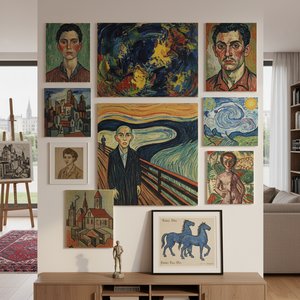
Glavnih 10 Ekspresionista: Remek-djela koja su definirala umjetnički pokret
Otkrijte 10 remek-djela ekspresionizma koja su obilježila umjetnički svijet! Uronite u priče Muncha, Kirchnera i drugih majstora. Inspirirajte se bojama i emocijama – pronađite savršenu reprodukciju za svoj dom na TopImpressionists.com!
Istražite umjetnička djela organizirana prema temama, stilovima i karakteristikama.


