Atelier — Besplatna dostava širom svijeta — Rok isporuke 2–6 tjedana
Slika iz fotografije Lista želja Vrtuljak
Pregledaj u stvarnoj veličiniPregledaj u stvarnoj veličini AR pregledAR pregled Kupi print Kupi printKupi ručno naslikanu sliku Kupi ručno naslikanu sliku PošaljiPošalji
Detalji o umjetničkom djeluDetalji o umjetničkom djelu Dodaj u omiljene Dodaj u omiljene PreuzmiPreuzmi Slični predmetiSlični predmeti Rentgenska snimkaRentgenska snimka Automatska prezentacijaAutomatska prezentacija

untitled (1661)

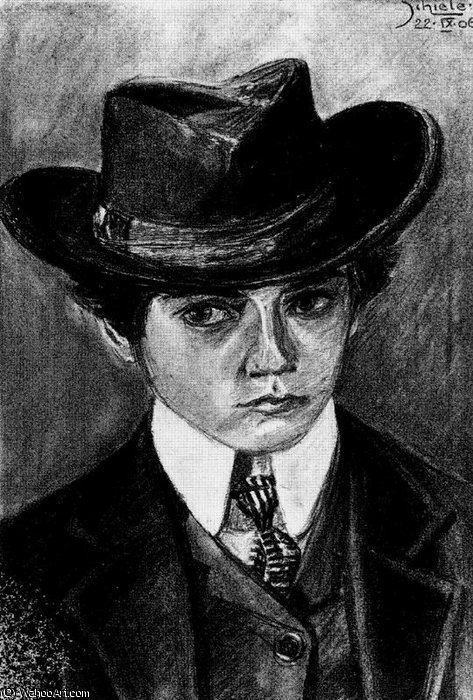
Explore Egon Schiele’s ‘untitled (1661)’ – a haunting charcoal portrait embodying his signature expressive style. Discover this pivotal early 20th-century artwork.

Egon Schiele je austrijski ekspresionista koji je poznat po svojim intenzivnim psihološkim slikama i iskrenim prikazima ljudske prirode. Razvio je svoj vlastiti stil karakteriziran jednostavnom ljepotom i emocionalnom dubinom, oslanjajući se na teme smrti, seksualnosti i izolacije. otkriva reprodukcije sada!

Kupite digitalnu sliku visoke rezolucije i poboljšane kvalitete, koja je znatno superiornija od online prikaza.

Svaka datoteka pedantno je pripremljena od strane naših internih stručnjaka koristeći napredne alate i vještinsku ručnu retušu. Osiguravamo da svaka slika ima iznimnu jasnoću, preciznu točnost boja i visoku razinu detalja.

Konačna datoteka dostavlja se putem e-pošte u roku od 72 sata, optimizirana za neposrednu upotrebu u profesionalnim, uredničkim i tiskarskim okruženjima. To je ista kvaliteta kojoj vjeruju vrhunski studiji dizajna, izdavači i galerije.

Digitalna slika

Preuzmite datoteku visoke rezolucije za osobnu izložbu, tisak i kreativne projekte. (Kupi print Kupi printKupi ručno naslikanu sliku Kupi ručno naslikanu sliku)

Ukupna cijena

$ 24,90

Uključeno uz svaku narudžbu digitalne slike

Profesionalna digitalna dostava, zajamčena

Odabirom TopImpressionists.com ne dobivate samo sliku – dobivate profesionalno unapređeno digitalno umjetničko djelo, izrađeno s najvećom preciznošću uz jamstvo zadovoljstva. Evo svega što automatski dolazi uz vašu narudžbu:

shipping_icon
Brza dostava e-poštom

Vaša digitalna slika visoke rezolucije bit će vam poslana e-mailom u roku od 72 sata od narudžbe – spremna za neposrednu upotrebu.

canvas_icon
Digitalna datoteka poboljšana AI-om

Vaše umjetničko djelo profesionalno je optimizirano pomoću naprednih AI alata i ručnog uređivanja, čime se osigurava maksimalna razina detalja, oštrine i točnosti boja.

insurance_icon
Besplatna ponovna dostava doživotno

Slučajno ste obrisali ili izgubili svoju datoteku? Ne brinite – ponovno ćemo vam je poslati u bilo kojem trenutku, potpuno besplatno.

tax_icon
Bez uvoznih carina – ikada

Uživajte u svojim umjetničkim djelima trenutno, bez carina, pristojbi ili troškova dostave – digitalne datoteke uvijek su oslobođene poreza.

color_icon
Jamstvo točnosti boja

Uz pomoć profesionalnih alata i upravljanja bojama, osiguravamo da vaša digitalna slika što vjernije odražava izvorne boje.

return_icon
Jamstvo zadovoljstva u trajanju od 60 dana

Ako niste zadovoljni svojom digitalnom slikom, revidirat ćemo je ili vratiti 100% novca u roku od 60 dana – bez ikakvih pitanja.

guarantee_icon
100% Jamstvo povrata novca

Niste zadovoljni? Osigurajte puni povrat novca u roku od 60 dana od primitka vaše digitalne datoteke – bez suvišnih pitanja.

discount_icon
Popusti na velike narudžbe

Kupite 3 slike, uštedite 10% - Kupite 5 slika, uštedite 15% - Kupite 10+ slika, uštedite 20%. Odlično za kreativne projekte, galerije i agencije.

Osnovne informacije

  • Influences: Symbolic realism
  • Artist: Egon Schiele
  • Movement: Expressionism
  • Location: Private Collection
  • Notable elements or techniques: Dry charcoal hatching & crosshatching
  • Artistic style: Realistic with expressive shading

Opis kolekcionarskog djela

A Portrait of Intense Observation: Egon Schiele’s ‘untitled (1661)’

Egon Schiele's ‘untitled (1661)’ stands as a cornerstone of Expressionist art, capturing a moment of profound introspection within the confines of a strikingly compressed charcoal portrait. Executed in 1911, this piece exemplifies Schiele’s signature style—characterized by raw emotion and unflinching realism—marking an early triumph for the Austrian artist before his tragically premature demise in 1918. The artwork depicts a young man dressed impeccably in formal attire, complete with a hat, gazing directly at the viewer with unwavering intensity. This deliberate framing prioritizes facial expression above all else, emphasizing the subject’s gaze as a conduit of emotion and psychological depth.

Technical Mastery: Charcoal's Dance of Light and Shadow

Schiele’s technique is fundamentally rooted in dry charcoal drawing—a method he honed to achieve unparalleled textural nuance. The artist meticulously builds up tonal variations through hatching and cross-hatching, layering lines with varying pressure to sculpt the contours of the man’s face, clothing, and hat. This painstaking process isn't merely about representation; it’s an active engagement with materiality—the rough surface of the paper itself becomes integral to conveying the artwork’s mood. The dramatic interplay of light and shadow is skillfully manipulated, creating a palpable sense of volume and depth despite the limited perspective achieved through close cropping. Notice how the artist uses highlights to illuminate specific features, drawing attention to the man's eyes—a focal point that speaks volumes about his inner state.

Symbolism Within Form: Status and Silent Contemplation

Beyond its masterful execution, ‘untitled (1661)’ resonates with subtle symbolic layers. The formal attire – a waistcoat, jacket, and hat – immediately establishes a visual shorthand for social standing and adherence to convention. However, it’s the man's gaze that truly captivates—a stare devoid of warmth or amusement, hinting at an inner turmoil and perhaps a preoccupation with existential questions. This unflinching honesty reflects Schiele’s broader artistic concerns: confronting mortality and exploring the complexities of human psychology. The artist’s deliberate choice to depict this solitary figure underscores the importance of introspection and invites viewers to contemplate the unspoken narratives residing beneath the surface.

Historical Context: Expressionism's Embrace of Emotion

‘untitled (1661)’ emerged during the burgeoning Expressionist movement—a reaction against Impressionistic idealism and a fervent desire to convey subjective experience. Artists like Schiele sought to bypass rational representation, prioritizing emotional intensity over objective accuracy. This stylistic impulse was fueled by anxieties surrounding World War I and a growing awareness of psychological trauma—themes that permeate much of Schiele’s oeuvre. The artwork embodies the movement's core tenets: confronting uncomfortable truths about human existence and portraying inner landscapes with uncompromising honesty.

Emotional Resonance: A Window Into Inner Turmoil

Ultimately, ‘untitled (1661)’ transcends mere visual depiction; it communicates a palpable emotional resonance. The portrait’s stark simplicity—coupled with Schiele's masterful use of charcoal—creates an atmosphere of quiet contemplation punctuated by moments of unsettling vulnerability. It compels us to consider the gaze of the subject as a reflection of our own anxieties and uncertainties, reminding us that beauty can reside in confronting difficult emotions. Reproductions of this iconic artwork offer a powerful opportunity to engage with Schiele’s profound artistic vision and experience the enduring impact of Expressionist art firsthand.

Biografija umjetnika

A Life Forged in Expression

Born in Tulln an der Donau, Austria, on June 12, 1890, Egon Schiele’s life was a turbulent journey marked by both extraordinary artistic vision and profound personal hardship. His early years were shadowed by illness and loss; his father succumbed to syphilis when Egon was just fourteen, a tragedy that would deeply resonate within his work, fueling an obsession with mortality and the fragility of existence. Raised initially by his mother and then under the somewhat controlling guardianship of his uncle Leopold Czihaczek, Schiele’s childhood lacked conventional stability but fostered a fiercely independent spirit. Even as a boy, he displayed an intense fascination with trains—a motif that subtly reappeared in later paintings—and a burgeoning talent for drawing, though this was initially met with disapproval from his father who saw it as a distraction from more practical pursuits. The early death of his sister Elvira also cast a long shadow over the young artist’s psyche. These formative experiences instilled within him a sensitivity and an emotional rawness that would become hallmarks of his artistic expression, a constant grappling with themes of life, death, and the human condition.

Early Influences & Artistic Training

Schiele's formal artistic training began at the Kunstgewerbeschule in Vienna, but he quickly found itself stifled by its conservative approach. He transferred to the Akademie der bildenden Künste (Academy of Fine Arts), only to become further disillusioned with its rigid academic traditions. This dissatisfaction led him to abandon formal training altogether, choosing instead to forge his own path—a testament to his unwavering artistic conviction. The influence of Gustav Klimt was pivotal during these early years; Schiele admired Klimt’s decorative style and exploration of symbolism, even receiving mentorship from the established artist. Klimt's bold use of color and stylized forms captivated Schiele, shaping his aesthetic sensibilities and inspiring him to experiment with innovative techniques. However, Schiele soon diverged from Klimt's path, developing a distinctive artistic voice characterized by its stark honesty and psychological intensity.

Vienna Secession & The Rise of Expressionism

Schiele joined the Viennese Secession in 1909 alongside fellow artists Anton Faistauer, Rudolf Kalvach, Franz Wiegele, Hans Ehrlich, and Löwenstein—a group that championed avant-garde artistic ideals and challenged the prevailing aesthetic conventions. This affiliation marked a crucial turning point in Schiele’s career, exposing him to new ideas and fostering collaborations with influential figures within Vienna's art world. The Secession’s exhibitions showcased groundbreaking works by artists like Klimt and Oskar Kokoschka, introducing Schiele to a wider audience and establishing him as a prominent voice in the burgeoning Expressionist movement.

Major Works & Artistic Style

Schiele’s artistic style is immediately recognizable for its raw honesty and psychological depth. He fearlessly confronted themes often considered taboo – sexuality, death, anxiety, isolation – with an unflinching gaze. His distinctive style features elongated figures, contorted poses, and expressive lines that convey a sense of unease and emotional intensity. The human form, particularly the nude, became his primary subject, not as an object of idealized beauty but as a vessel for exploring the complexities of human experience. Self-portraits constitute a significant portion of his oeuvre, offering intimate glimpses into his inner world—a world often marked by loneliness and self-doubt. He didn’t shy away from depicting himself in unflattering or vulnerable poses, revealing a profound level of self-awareness and introspection. Recurring motifs like the *Physalis plant* – symbolizing death and transience with its delicate, papery husk – further underscore this preoccupation with mortality.

Legacy & Influence

Despite facing censorship and legal challenges—including a brief imprisonment for allegedly corrupting minors with his art—Schiele gained recognition within Vienna’s avant-garde circles. His work challenged the conventions of the time, provoking both admiration and outrage. By the time of his untimely death during the Spanish flu pandemic in 1918 at the age of twenty-eight, he had established himself as a leading figure in Austrian Expressionism. Significant works such as Self-Portrait with Physalis, Couple Embracing, and Field Landscape (Kreuzberg near Krumau) stand as testaments to his artistic genius. Schiele’s influence on subsequent generations of artists is undeniable—particularly those interested in exploring psychological themes and challenging conventional artistic norms. His bold approach to form and subject matter continues to resonate with audiences today, making him one of the most important and influential figures in early 20th-century art. He left behind a body of work that is not merely aesthetically compelling but profoundly human—a testament to the power of art to confront the complexities of existence with honesty, courage, and unwavering vision.

Egon Schiele

Egon Schiele

1890 - 1918 , Австрија

Kratke činjenice

  • Artistic Movement Or Style: Ekspresionizam
  • Artists Who Influenced This Artist: ['Gustav Klimt']
  • Date Of Birth: 12. lipnja 1890.
  • Date Of Death: 31. listopada 1918.
  • Full Name: Egon Schiele
  • Nationality: Austrijan
  • Notable Artworks:
    • Samoportret s fizišalom
    • Par koji se ljubi
    • Polje pejzaža
  • Place Of Birth: Tulln an der Donau, Austrija
© TopImpressionists.com — Sva prava pridržana  ·  100% Ručno oslikano · Jamstvo zadovoljstva · Besplatna dostava širom svijeta
VISA MASTERCARD