

 Pregledaj u realnoj veličini
 Pošalji
 Podijeli
 Detalji o umjetničkom djelu
 Vodič
Vodič

 Preuzmi umjetničko djelo
 Slični predmeti
 Rentgenska snimka
 Slide show
 Pitanja i odgovori
 Statistika
The First Communion

- 65.0 x 53.0 cm


Eugene Anatole Carrière’s ‘The First Communion’ (1896) is a haunting Symbolist monochrome painting of a young girl receiving communion. Explore its ethereal beauty & influence on Picasso.
 Prikaži više
Eugen Anatol Carrière (1849-1906), francuski simbolistički slikar poznat po intimnim portretima i monokromnoj tehnici smeđih nijansi. Utjecao na Picassa i modernu umjetnost. Djela: "Mlada majka", "Bolno dijete".
Giclée / Umjetnički otisak
Giclée tisak muzejske kvalitete ili otisak na platnu uz brzu izradu i raznolike opcije završne obrade. ( Kupi ručno oslikano djelo Prebacite na digitalnu sliku)




P118B €10

P118H €10

P118W €10

P438Z €10

P508JH €12

P508YH €12

P805H €10

P805Z €10

P919BZ €10

P919G €10

P919XJ €10

P959ZH €10

P968JZ €12

W106C €8

W218G €10

W218JH €8

W218Y €10

W307PJ €10

W316G €10

W316PJ €8

W316Y €10

W398PJ €8

W4111J €10

W500HY €15

W500JH €15

W692G €12

W849H €8

W940BG €15

W953PJ €8




Standardne dimenzije
po mjeri
CM
INCH
Odaberite jednu od naših unaprijed definiranih veličina koje odgovaraju izvornim proporcijama umjetničkog djela.
Loading sizes...

širina
visina
Unesite potrebnu širinu i visinu kako bi odgovarali vašem okviru ili zidu. Print se može samo izrezati, nikada ne može biti veći od slike, stoga format s drugačijim omjerom stranica uzrokuje gubitak dijela slike. Prije bilo kakve štampe šaljemo vam digitalni prikaz (mockup) na odobrenje. Slika prikazana na ovoj stranici ne prikazuje stvarni rez — to prikazuje isključivo digitalni prikaz.
Dostava širom svijeta () u roku od 2 tjedna umjesto standardnih 4/5 tjedana. (4 Studeni)

Besplatna ekspresna dostava širom svijeta

Visokokvalitetno laneno platno

Potpuno osiguranje dostave

Jamstvo povrata carine i uvoznih poreza

Jamstvo vjernosti boja

Politika povrata u roku od 100 dana (samo u slučaju nedostataka)

Jamstvo povrata 100% novca

Popust na više proizvoda
 Opcija stakla dostupna je samo za dimenzije manje od 110 cm

The First Communion
Giclée / Umjetnički otisak
Veličina reprodukcije
-


Ukupna cijena
€ 62
The Haunting Beauty of "The First Communion": A Symbolist Portrait of Innocence
Eugène Anatole Carrière’s “The First Communion,” painted in 1896, isn't merely a depiction of a religious ceremony; it’s a profoundly evocative exploration of childhood innocence, spiritual yearning, and the subtle anxieties that lie beneath the surface of faith. This masterpiece, now housed within the collections of art institutions worldwide, exemplifies Carrière’s signature style – a near-monochrome palette dominated by muted browns and greys, creating an atmosphere of ethereal mystery and quiet melancholy. The painting immediately draws the viewer into a dreamlike space, where reality seems to soften and blur at the edges.
Carrière's artistic journey was deeply influenced by his time as a prisoner in Dresden during the Franco-Prussian War. Exposure to the works of Peter Paul Rubens, with their rich, glowing colors and dramatic lighting, left an indelible mark on his approach to painting. This influence is subtly present in “The First Communion,” though Carrière ultimately developed his own distinctive style – one characterized by a deliberate reduction of color to its most essential tones, emphasizing mood and atmosphere over precise representation. The use of brown creates a sense of timelessness, suggesting that the scene unfolds outside of specific time or place, existing instead within a realm of spiritual contemplation.
A Study in Symbolism: Veil, Light, and Shadow
The central figure of the painting – a young girl receiving communion – is enveloped in a veil, a potent symbol of purity, concealment, and nascent faith. The veil isn’t simply an article of clothing; it acts as a visual barrier, hinting at the mysteries surrounding religious initiation and the vulnerability inherent in entering into a sacred tradition. The lighting within the painting is equally significant. A diffused light source casts long shadows across the girl's face and gown, contributing to the overall sense of solemnity and introspection. The interplay of light and shadow creates a visual metaphor for the spiritual journey – a movement from darkness towards enlightenment.
Carrière’s technique is notable for its meticulous layering of paint and subtle blending. He eschews sharp outlines and bold brushstrokes, opting instead for a fluid, almost watercolor-like application that lends the scene an ethereal quality. The smooth texture of the canvas, combined with the delicate gradations of color, creates a sense of translucence, as if the girl herself is partially obscured by a veil of spiritual mist. The simplified forms and flattened perspective further enhance this dreamlike effect, distancing the viewer from a realistic portrayal and inviting them to contemplate the painting’s symbolic meaning.
Historical Context and Artistic Legacy
"The First Communion" was created during the late 19th century, a period of profound social and artistic change. The Symbolist movement, which Carrière embraced, sought to express subjective emotions and spiritual experiences through art, often rejecting the realism and materialism of earlier artistic traditions. This painting aligns perfectly with the Symbolist aesthetic – it’s not about depicting a literal event but rather conveying a complex range of feelings associated with religious initiation and the transition from childhood innocence to adult faith.
Carrière's work had a significant impact on subsequent generations of artists, particularly Pablo Picasso. The influence of Carrière’s monochrome palette and his exploration of psychological themes can be seen in Picasso’s Blue Period, demonstrating the enduring legacy of this enigmatic French artist. “The First Communion” remains a powerful testament to Carrière's artistic vision – a hauntingly beautiful portrayal of faith, innocence, and the mysteries of the human spirit.
Collecting a Timeless Masterpiece: Reproductions and Beyond
TopImpressionists offers high-quality reproductions of “The First Communion,” allowing art lovers worldwide to experience the beauty and emotional depth of this iconic painting. Whether you’re seeking a stunning addition to your home or office, or simply want to connect with the artistic legacy of Eugène Carrière, our meticulously crafted reproductions capture the essence of the original while offering exceptional value. Explore our collection today and bring this evocative masterpiece into your world.
Pitanja i odgovori
Koja je preporučena veličina reprodukcije za "The First Communion" autora Eugène Anatole Carrière?
Preporučena veličina tiska za "The First Communion" autora Eugène Anatole Carrière je Medium.
Gdje i za što se preporučuje "The First Communion"?
"The First Communion" autora Eugène Anatole Carrière preporučuje se za Statement, idealno u Living Room. Namjena i prostor zajedno sugeriraju gdje reprodukcija najbolje pristaje.
Koristi li "The First Communion" autora Eugène Anatole Carrière snažne kontraste ili meke harmonije?
Koloristička kompozicija djela "The First Communion" autora Eugène Anatole Carrière spaja Serene kontrast s Unified Palette harmonijom.
Biografija umjetnika
Rani život i obrazovanje Eugènea Carrièrea
Eugène Anatole Carrière, istaknuti francuski simbolistički slikar, rođen je 16. siječnja 1849. godine u Gournay-sur-Marneu, blizu Pariza. Njegovo djetinjstvo i rani život bili su obilježeni dubokim interesom za umjetnost i promatranjem svijeta oko sebe. Carrière je pohađao École des Beaux-Arts u Parizu, gdje se školovao pod vodstvom Cabanela, akademskog slikara poznatog po svojim portretima i mitološkim scenama. Ovaj period obrazovanja bio je ključan za razvoj njegovih tehničkih vještina i postavljanje temelja za buduće umjetničke pothvate. Iako je primio tradicionalno školovanje, Carrière se ubrzo okrenuo istraživanju vlastitog stila i vizije, udaljavajući se od konvencija akademskog slikarstva. Njegova želja za autentičnim izrazom dovela ga je do eksperimentiranja s novim tehnikama i temama, što je u konačnosti oblikovalo njegov prepoznatljiv umjetnički identitet.Umjetnički stil i utjecaji
Carrièreove slike su najpoznatije po svojoj jedinstvenoj monokromnoj paleti smeđih nijansi, koja je intrigirala mnoge ljubitelje umjetnosti. Njegov rad bio je snažno inspiriran djelima Petera Paula Rubensa, s kojim se upoznao tijekom boravka u Dresdenu kao ratni zarobljenik. Utjecaj Rubensove tehnike i bogatih boja vidljiv je u ranim Carrièreovim platnima, iako ih je kasnije transformirao u vlastiti prepoznatljiv stil. Umjetnik je koristio tehniku glazure, nanoseći tanke slojeve boje kako bi postigao dubinu i intenzitet tonova. Njegove kompozicije često su prožete osjećajem intime i melanholije, a teme se fokusiraju na obiteljski život, majčinstvo i ljudske odnose. Posebno je značajna njegova sklonost prikazivanju portreta običnih ljudi, čime je naglasio važnost svakodnevnog života i emocionalne povezanosti.Ključna djela i izložbe
Jedno od Carrièreovih najranijih i najpoznatijih djela je Mlada majka (1879), koja se danas nalazi u Musée des Beaux-Arts u Rouenu. Ovo djelo označilo je početak njegove usredotočenosti na teme obiteljskog života, koje su postale prepoznatljivim dijelom njegovog umjetničkog stila. Ostala značajna djela uključuju Bolno dijete (Montargis), koja prikazuje emotivnu dubinu i intimnost majčinske ljubavi, te Prvo pričešće (Toulon). Carrière je aktivno izlagao na Société Nationale des Beaux-Arts, koju je pomogao u osnivanju. Njegovi su radovi izazvali pažnju kritike i publike, a prepoznat je kao jedan od vodećih predstavnika simbolističkog pokreta. Osim slikanja, Carrière se istaknuo i kao utjecajan učitelj na Académie de la Palette, gdje je podučavao brojne mlade umjetnike i poticao razvoj njihovog kreativnog potencijala.Nasljeđe i utjecaj na modernu umjetnost
Carrièreov monokromni stil imao je značajan utjecaj na rad Pabla Picassa, posebno tijekom njegovog plavog razdoblja. Picasso se divio Carrièreovoj sposobnosti da prenese emocije kroz jednostavnu paletu boja i naglasak na formi. Ovaj utjecaj svjedoči o Carrièreovom traјnom doprinosu modernoj umjetnosti. Njegova djela su inspirirala mnoge umjetnike da istražuju nove načine izražavanja i odbacuju tradicionalne konvencije slikarstva. Osim Picassa, Carrière je utjecao na brojne druge umjetnike koji su se bavili temama simbolizma i introspekcije. Njegova djela nastavljaju biti proučavana i cijenjena zbog svoje emocionalne dubine, tehničke virtuoznosti i inovativnog pristupa slikanju. Carrièreovo nasljeđe ostaje snažno u suvremenoj umjetnosti, a njegov rad se smatra ključnim dijelom povijesti simbolizma i razvoja modernog slikarstva.- Artistic movement or style: Symbolism, Monochrome
- Artists or movements influenced by this artist: Picasso (Blue Period)
- Artists who influenced this artist: Rubens
- Date of birth: January 16, 1849
- Date of death: March 27, 1906
- Full name: Eugène Anatole Carrière
- Nationality: French
- Notable artworks: The Sick Child, Young Mother, First Communion
- Place of birth: Gournay-sur-Marne, France

Eugène Anatole Carrière
1849 - 1906 , Francuska
Osnovne informacije
- Datum Rođenja: 16. siječnja 1849.
- Datum Smrti: 27. ožujka 1906.
- Državljanstvo: Francuz
- Mjesto Rođenja: Gournay-sur-Marne, Francuska
- Puno Ime: Eugène Anatole Carrière
- Umjetnički Pokret/Stil: Simbolizam, Monokromija
- Utjecaj Na Umjetnike: ['Picasso (Plavo razdoblje)']
- Utjecaji Umjetnika: ['Rubens']
- Značajna Djela:
- Bolno dijete
- Mlada majka
- Prvo pričešće
Srodni članci

Sacred Narratives on Canvas: Exploring Religious Painting Through History
Explore the rich history of religious painting with TopImpressionists.com! Discover iconic artworks, symbolism & techniques from antiquity to the Renaissance. Enhance your art appreciation today.

Simon Vouet: A Baroque Master's Journey from Italian Influence to French Classicism
Explore the life & art of Simon Vouet, a pivotal French Baroque painter who introduced Italian styles to France. Discover his masterpieces and lasting influence on 17th-century art.
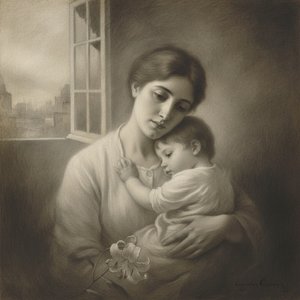
Eugène Carrière: The 'Peintre d'Âme' & Symbolist Portraiture’s Intimate Vision
Explore the haunting world of Eugène Carrière, a pivotal French Symbolist artist known for his deeply intimate portraits & 'peinture d'âme'. Discover his life, style, and lasting influence on modern masters like Picasso. Shop high-quality reproductions at TopImpressionists.

Sacred Narratives Embodied: A Comprehensive Exploration of Religious Iconography in Art History
Explore the rich history of religious iconography in art! Discover symbolism, movements & masterpieces from Byzantine to Renaissance periods. Expert insights for collectors and enthusiasts at TopImpressionists.

Charles Le Brun: Master of French Baroque Classicism & His Enduring Legacy
Explore the life & art of Charles Le Brun, master of French Baroque Classicism. Discover his royal commissions, influence on Versailles, and enduring legacy through detailed analysis & stunning artworks.