


 Pregledaj u stvarnoj veličini
 Podijeli
 Podijeli
 Detalji
 Vodič
Vodič

 Preuzmi datoteku
 Slični predmeti
 Rentgenska snimka
 Slide show
 Statistika
Return from the Hunt
 Oil On Canvas
- WallArt
- Baroque
 1610
1610- Early Modern
 149.0 x 119.0 cm
 Národní Galerie
Frans Snyders’ "Return from the Hunt" (1610) is a dramatic Baroque masterpiece featuring opulent still life and hunting figures. Explore this stunning Flemish artwork and bring its rich textures home.
 Pročitajte više
Frans Snyders (1579-1657), flamanski barokni majstor bukolica, lovnih scena i živopisnih tržnica. Suradnik Rubensa! Otkrijte njegovu umjetnost i bogatstvo detalja.
Ručno rađena uljana reprodukcija
Ručno oslikano uljanim bojama na platnu u dimenzijama i okviru po vašem izboru, izrađeno po narudžbi od strane naših umjetnika. ( Prebacite na prodaju printova Prebacite na digitalnu prodaju slika)




P118B €10

P118H €10

P118W €10

P438Z €10

P508JH €12

P508YH €12

P805H €10

P805Z €10

P919BZ €10

P919G €10

P919XJ €10

P959ZH €10

P968JZ €12

W106C €8

W218G €10

W218JH €8

W218Y €10

W307PJ €10

W316G €10

W316PJ €8

W316Y €10

W398PJ €8

W4111J €10

W500HY €15

W500JH €15

W692G €12

W849H €8

W940BG €15

W953PJ €8




Standardne dimenzije
prilagođeno po mjeri
CM
INCH
Odaberite jednu od naših unaprijed definiranih veličina koje odgovaraju izvornim proporcijama umjetničkog djela.
Loading sizes...

širina
visina
Unesite širinu i visinu koja vam je potrebna, kako bi odgovarali vašem okviru ili zidu. Budući da je ovo ručno oslikano djelo, umjetnik može malo proširiti rubove slike ili ih skratiti kako bi postigao željeni oblik — izbor je vaš. Prije početka slikanja poslat ćemo vam digitalni prikaz (mockup) radi potvrde. Slika prikazana na ovoj stranici ne predstavlja stvarni rezultat — samo digitalni prikaz to čini.
Primjeri onoga što se može promijeniti: Zamijenite lice fotografijom klijenta; Dodajte ljubimca (npr. zamijenite mačku psom); Uključite skrivenu poruku u pozadinu; Promijenite pejzaž ili elemente pozadine.
Nakon narudžbe, tim TopImpressionists.com kontaktirat će klijenta putem e-pošte radi dobivanja uputa te dostaviti probni prikaz (mockup)
Nakon narudžbe, tim TopImpressionists.com kontaktirat će klijenta putem e-pošte radi dobivanja uputa te dostaviti probni prikaz (mockup)
Isporuka širom svijeta () u roku od 3-4 tjedna umjesto standardnih 5 tjedana. (25 Listopad). Bez kompromisa u kvaliteti.

Besplatna ekspresna dostava širom svijeta

Visokokvalitetno laneno platno

Potpuno osiguranje transporta

Jamstvo povrata carine i uvoznih poreza

Jamstvo vjernosti boja

Politika povrata u roku od 100 dana (samo u slučaju nedostataka)

Jamstvo povrata 100% novca

Popust na više proizvoda
 Opcija stakla dostupna je samo za dimenzije manje od 110 cm

Return from the Hunt
Tehnika izrade
Veličina reprodukcije
-


Ukupna cijena
€ 236
A Symphony of Texture and Myth
In the heart of the Flemish Baroque era, around 1610, Frans Snyders breathed life into a canvas that transcends mere depiction to become a profound sensory experience. Return from the Hunt is not simply a painting; it is a vibrant tableau teeming with the pulse of the natural world and the grandeur of classical legend. As the viewer approaches this masterpiece, they are immediately enveloped by a scene bathed in diffused, ethereal light, capturing that fleeting, breathless moment of repose following a successful pursuit. Snyders, a master who elevated still life into a realm of dramatic expression, meticulously renders a forest floor so richly textured it feels almost palpable, inviting the eye to wander through a landscape where every leaf and shadow tells a story of vitality and grace.
At the center of this mythological drama lies a captivating arrangement of figures. The composition is masterfully structured in a triangular formation, providing a sense of classical stability and visual harmony that guides the gaze upward toward the apex. Here, we encounter Diana, the Roman goddess of the hunt, reclining with a regal authority that commands the space. She is accompanied by three nymphs, whose presence embodies an idealized feminine beauty and innocence. This arrangement does more than just organize the canvas; it creates a sacred geometry that mirrors the divine order of the heavens, making the scene feel both grounded in the earth and elevated by the sublime.
The Mastery of Light and Substance
To behold a Snyders original is to witness the pinnacle of 17th-century technique. Utilizing oil paint on canvas, the artist achieved an unparalleled tonal range that allows for the subtle interplay of light and shadow, known as chiaroscuro. This technique creates an illusionistic depth, pulling the observer into the very thickets of the forest. Snyders was particularly renowned for his use of impasto, applying thick, deliberate layers of pigment to create surfaces that possess a physical immediacy. Whether it is the soft sheen on a nymph's skin or the rugged, coarse texture of the forest floor and the animals brought from the chase, the paint itself becomes a medium of tactile sensation.
This technical brilliance serves a higher purpose: the celebration of abundance. Snyders’ work often reflects the opulent tastes of the Antwerp aristocracy, where the depiction of nature's bounty was a symbol of prestige and prosperity. The presence of animals—the hare, the birds, and the dogs—serves as a testament to the artist's skill as an animalier, capturing the raw, unbridled energy of life. For the collector or interior designer, this painting offers more than just aesthetic beauty; it provides a focal point of immense character, capable of anchoring a room with its historical weight and dramatic intensity.
A Timeless Legacy for the Modern Collector
Beyond the technical prowess, Return from the Hunt resonates on an emotional level that remains potent centuries later. It grapples with the complex themes of beauty, mortality, and the eternal cycle of nature. The juxtaposition of the graceful, immortal goddesses with the tangible, earthly reality of the hunt creates a poignant tension between the divine and the mortal. This duality makes the artwork an extraordinary piece for contemplation, offering a window into a world where myth and reality are inextricably linked.
For those seeking to infuse their living spaces with the dramatic grandeur of the Baroque period, a high-quality reproduction of this work offers an unparalleled opportunity. It brings with it the spirit of the Flemish masters—a sense of movement, a richness of color, and a profound connection to classical heritage. Whether placed in a grand gallery or a sophisticated contemporary study, Snyders’ vision continues to inspire awe, serving as a timeless reminder of the beauty found in the intersection of nature's wildness and humanity's most elegant myths.
Pitanja i odgovori
Kako mogu dobiti digitalnu datoteku djela "Return from the Hunt" autora Frans Snijders?
Digitalnu sliku djela "Return from the Hunt" autora Frans Snijders možete kupiti na njegovoj stranici za Digitalna slika: preuzimanje digitalne slike visoke rezolucije.
Jesu li boje djela "Return from the Hunt" autora Frans Snijders zasićene ili prigušene?
Paleta djela "Return from the Hunt" ima Subtle Color zasićenost.
Kolika je percepcija svjetline djela "Return from the Hunt" autora Frans Snijders?
U pogledu percepcija svjetline, "Return from the Hunt" autora Frans Snijders je deep_shadow.
Biografija umjetnika
Majstor Obilja: Život i Umjetnost Fransa Snydersa
Frans Snyders, rođen u Antwerpenu 1579. godine, zauzima jedinstveno i živahno mjesto u panteonu flamanskih baroknih slikara. Iako imena poput Rubensa i Van Dycka često dominiraju raspravama o toj eri, doprinos Snydersa – zadivljujuća specijalizacija za mrtvu prirodu, slikanje životinja i užurbene tržne scene – nije bio manje značajan. On se nije samo bavio prikazom objekata; on je proslavljao obilje, radovao se teksturi i uhvatio prolazni trenutak zemaljske radosti. Njegov otac, Jan Snijders, vodio je popularan vinski tavern koji su posjećivali umjetnici, uranjajući mladog Fransa u svijet kreativne energije od rane dobi. To okruženje nesumnjivo je potaknulo njegove umjetničke sklonosti, a čak se priča da je poznati slikar Frans Floris jednom rasipao svoje bogatstvo unutar tih zidova – šareni anegdot koji nagovještava živahnu atmosferu koja okružuje Snydersovo odrastanje. Početno se školovao kod Pietera Brueghela Mlađeg, upijajući lekcije o kompoziciji i detaljima, prije nego što je usavršio svoje vještine pod Hendrikom van Balenom, koji je mentorirao i Anthonyja van Dycka. Ova čvrsta temeljna nastava omogućila mu je da postane majstor u Antverpskoj cehovskoj udruzi sv. Luke 1602. godine, što označava formalni početak njegove plodne karijere.Suradnja i Inovacija: Umjetnički Razvoj Snydersa
Snydersovo umjetničko putovanje nije bilo usamljenički pothvat; suradnja je bila središnji dio njegove prakse. Brzo se etablirao kao traženi partner vodećih umjetnika tog vremena, najznačajnije Petera Paula Rubensa. Njihov odnos pokazao se iznimno uspješnim, a Snydersu je često bilo povjereno slikanje životinja i elemenata mrtve prirode unutar Rubensovih grandioznih kompozicija. Lovna paviljona Torre de la Parada u Španjolskoj stoji kao svjedočanstvo njihovog kombiniranog genija – Snyders je izvodio više od šezdeset slika životinja prema dizajnu Rubensa. Ovo partnerstvo nije bilo samo ispunjavanje narudžbi; to je bila dinamična razmjena ideja, koja je potaknula oba umjetnika na nove nivoe tehničkog i ekspresivnog postignuća. Osim Rubensa, Snyders je surađivao s Anthonyjem van Dyckom, Jacobom Jordaensom i Abrahamom Janssensom, pokazujući svoju svestranost i prilagodljivost. Međutim, on nije samo služio kao dodatak ovim majstorima. On je utemeljio prepoznatljiv stil karakteriziran dinamičnim kompozicijama, majstorskim prikazivanjem tekstura – od sjaja voća do grube kože divljači – i živahnim osjećajem realizma koji je udahnuo život njegovim subjektima. Snyders je u osnovi izumio nezavisni žanr mrtve prirode sa životinjama, napredujući izvan tradicionalnih prikaza lovačkih trofeja kako bi istražio inherentnu ljepotu i vitalnost prirodnog svijeta.Gozba za Oči: Teme i Tehnike
Osnovne teme u Snydersovom radu vrte se oko zemaljskih užitaka – obilja tržnice, uzbuđenja lova, jednostavne elegancije dobro opskrbljene smočnice. Njegove tržne scene su posebno zadivljujuće, prepune likova, prenatrpanih košara i gotovo opipljivog osjećaja energije. On se ne boji prikazati stvarnost proizvodnje hrane; uz netaknuta voća i povrće, može se naći isčupana perad ili svježe ulovljena riba, podsjećajući gledatelje na ciklus života i održavanja. Njegove mrtve prirode nisu statični aranžmani, već dinamični prikazi koji kao da pozivaju na interakciju. Snyders je posjedovao izvanrednu sposobnost hvatanja svjetla i sjene, stvarajući osjećaj dubine i volumena koji čini njegove subjekte gotovo opipljivima. Primijenio je slobodan, slikoviti potez kistom, posebno u prikazivanju krzna i perja, postigavši izvanrednu razinu realizma ne žrtvujući umjetnički izraz. Na primjer, *Smočnica* je zapanjujuća vitrina ove tehnike – kaotičan, ali harmoničan aranžman hrane i kuhinjskog posuđa okupan dramatičnim svjetlom. Pažnja umjetnika na detalje je pedantna, ali se nikada ne osjeća pretjerano nametljiva; umjesto toga, doprinosi cjelokupnom osjećaju obilja i vitalnosti.Nasljeđe i Trajni Utjecaj
Utjecaj Fransa Snydersa na razvoj mrtve prirode i slikanja životinja proteže se daleko izvan njegovog života. Postavio je novi standard realizma i dinamike u ovim žanrovima, utječući na generacije umjetnika koji su slijedili. Njegov rad je utro put kasnijim majstorima poput Jean-Baptistea Oudryja i François Desportesa, koji su dodatno usavršili umjetnost portretiranja životinja. Snydersov utjecaj se može vidjeti i u nizozemskoj zlatnoj dobi tradiciji mrtve prirode, gdje su umjetnici poput Willema Claeszoona Hede i Pietera Claesza prihvatili sličan fokus na teksturu, svjetlo i kompoziciju. Bio je ne samo vješt tehničar, već i oštar promatrač prirodnog svijeta, hvatajući njegovu ljepotu i složenost s izvanrednom osjetljivošću. Njegove slike nastavljaju očaravati publiku danas, nudeći uvid u živopisni umjetnički krajolik Antwerpena u 17. stoljeću i podsjećajući nas na trajni utjecaj umjetnosti proslaviti jednostavne radosti života. Njegova opsežna zbirka, stečena od strane Matthijsa Mussona nakon njegove smrti 1657. godine, osigurala je da će njegovo nasljeđe nastaviti inspirirati umjetnike stoljećima.
Frans Snijders
1579 - 1657 , Hrvatska
Brzi pregled
- Artistic Movement Or Style: Barok
- Artists Or Movements Influenced By This Artist:
- Jean-Baptiste Oudry
- François Desportes
- Artists Who Influenced This Artist:
- Pieter Brueghel II
- Hendrick van Balen
- Date Of Birth: 1579
- Date Of Death: 1657
- Full Name: Frans Snyders
- Nationality: Flamanski
- Notable Artworks:
- Pantry
- Market Scenes
- Hunting Scenes
- Place Of Birth (City And Country): Antwerpen, Belgija
Povezani članci

The Visceral Stage: Exploring Dramatic Narratives & Emotional Intensity in Baroque Art
Explore the dramatic world of Baroque art! Discover iconic masters like Caravaggio & Rembrandt, their techniques, and the movement's lasting impact. Expert insights for collectors & enthusiasts at TopImpressionists.
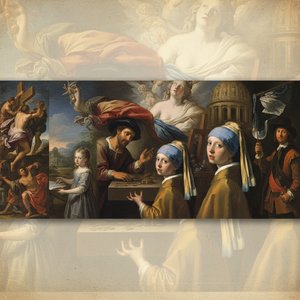
Barokna Genijalnost: Top 10 Remekdjela Koja Su Definirala Umjetnički Pokret
Otkrijte 10 remekdjela barokne umjetnosti koja su obilježila epohu! Karavaggio, Bernini, Rubens i drugi majstori. Istražite priče iza slika, tehnike i vječne ljepote. Inspirirajte se za svoj interijer s TopImpressionists.com - vrhunskim reprodukcijama i kuriranim idejama za dekoraciju doma.

Barokna Drama: Uvođenje Velikolepja i Emocija u Savremene Interijere
Otkrijte dramatičnost i raskoš barokne umjetnosti! TopImpressionists nudi vrhunske reprodukcije, personalizirane portrete i stručne savjete za integraciju ovog veličanstvenog stila u vaš dom. Kvaliteta zajamčena!

The Dramatic Flourish: Exploring the Baroque Movement's Enduring Legacy in Art History
Explore the dramatic world of Baroque art! Discover iconic artists like Caravaggio & Rubens, defining techniques, and its lasting impact on art history. Expert insights for collectors & enthusiasts at TopImpressionists.

Mastering Drama and Light: A Definitive Guide to the Flemish Baroque Art Movement
Explore the dramatic brilliance of the Flemish Baroque movement. Discover how masters like Peter Paul Rubens utilized chiaroscuro and dynamic composition to redefine art history through light, shadow, and unparalleled emotion.
Istražite umjetnička djela organizirana prema temama, stilovima i karakteristikama.
