


 Pregledaj u stvarnoj veličini
 Podijeli
 Podijeli
 Detalji
 Vodič
Vodič

 Preuzmi datoteku
 Slični predmeti
 Rentgenska snimka
 Slide show
 Statistika
Salome
 Acrylic On Canvas
- WallArt
- German Symbolism
 1906
1906 92.0 x 114.0 cm
 Lenbachhaus
Franz Ritter von Stuck's "Salome" (1906) depicts a captivating dance of desire and tragedy, blending Symbolism with biblical drama. Explore the haunting beauty & dark narrative of this iconic masterpiece.
 Pročitajte više
Franz von Stuck bio je njemački simbolistički slikar i kipar poznat po mitološkim scenama, dramatičnim portretima poput Salome te utjecaju na secesiju. Njegova djela kombiniraju klasični realizam i sanjive motive.
Kupite digitalnu sliku visoke rezolucije i poboljšane kvalitete, koja je znatno superiornija od online prikaza.
Svaku datoteku pedantno pripremaju naši internim stručnjaci koristeći napredne alate i vještinsku ručnu retušu. Osiguravamo da svaka slika ima iznimnu jasnoću, preciznu točnost boja i vrhunsku razinu detalja.
Konačna datoteka dostavlja se putem e-pošte u roku od 72 sata, optimizirana za neposrednu upotrebu u profesionalnim, uredničkim i tiskarskim okruženjima. To je ista kvaliteta kojoj vjeruju vrhunski studiji dizajna, izdavači i galerije.
Digitalna slika
Preuzmite datoteku visoke rezolucije za osobnu izložbu, tisak i kreativne projekte. ( Prebacite na prodaju printova Naručite ručno oslikano reprodukciju)
Uključeno uz svaku narudžbu digitalne slike
Stručna digitalna dostava, zajamčena
Odabirom TopImpressionists.com ne dobivate samo sliku – dobivate profesionalno unapređeno digitalno umjetničko djelo, izrađeno s najvećom preciznošću uz jamstvo zadovoljstva. Evo svega što automatski dolazi uz vašu narudžbu:

Brza dostava e-poštom
Vaša digitalna slika visoke rezolucije bit će vam poslana e-mailom u roku od 72 sata od trenutka narudžbe – spremna za neposrednu upotrebu.

Digitalna datoteka uz pomoć AI-a
Vaše umjetničko djelo profesionalno je optimizirano pomoću naprednih AI alata i ručnog uređivanja, čime se osigurava maksimalna razina detalja, oštrine i točnosti boja.

Besplatna doživotna ponovna dostava
Slučajno ste obrisali ili izgubili svoju datoteku? Ne brinite – ponovno ćemo vam je poslati u bilo kojem trenutku, potpuno besplatno.

Bez uvoznih pristojnika – ikada
Uživajte u svojim umjetničkim djelima trenutno, bez carina, pristojbi ili troškova dostave – digitalni downloadi uvijek su oslobođeni poreza.

Jamstvo točnosti boja
Uz pomoć profesionalnih alata i upravljanja bojama, osiguravamo da vaša digitalna slika što vjernije odražava izvorne boje.

Jamstvo zadovoljstva u trajanju od 100 dana
Ako niste zadovoljni svojom digitalnom slikom, revidirat ćemo je ili vratiti 100% iznosa u roku od 100 dana – bez suvišnih pitanja.

100% Jamstvo povrata novca
Niste zadovoljni? Osigurajte puni povrat novca u roku od 100 dana od primitka digitalne datoteke – bez suvišnih pitanja.

Popusti na velike narudžbe
Kupite 3 slike, uštedite 10% - Kupite 5 slika, uštedite 15% - Kupite 10+ slika, uštedite 20%. Odlično za kreativne projekte, galerije i agencije.
The Enigmatic Dance: Unveiling Franz Ritter von Stuck’s “Salome”
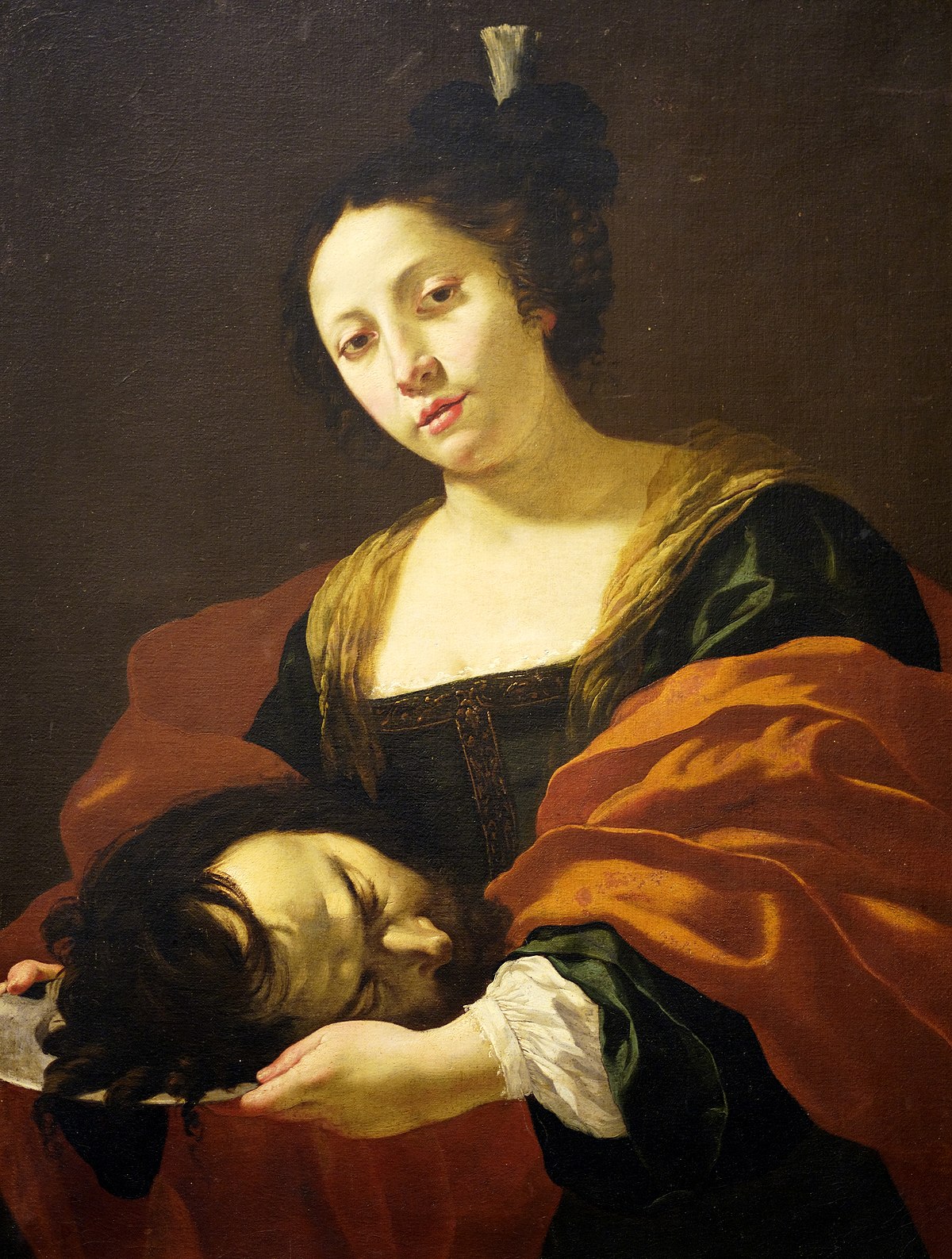
Franz Ritter von Stuck's 1906 painting, "Salome," is not merely a depiction of a biblical episode; it’s a profoundly unsettling and intensely symbolic exploration of desire, power, and the dark undercurrents of human nature. Emerging from the fertile ground of German Symbolism, Stuck masterfully blends classical precision with the dreamlike logic of the subconscious, creating an image that continues to captivate and disturb over a century later. The painting’s immediate impact lies in its dramatic composition – a carefully orchestrated tableau of figures poised on the precipice of violence and obsession. The scene unfolds within a shadowy, almost claustrophobic space, dominated by a towering, ornate architecture suggesting both opulence and impending doom. This isn't a straightforward narrative; it’s an atmosphere saturated with tension, inviting viewers to contemplate the motivations and fates of those involved.
A Symphony of Contrasts: Style, Technique, and Materiality
Stuck’s artistic style is immediately recognizable as a potent blend of Symbolism and Art Nouveau influences. The painting showcases his signature use of rich, jewel-toned colors – deep reds, emerald greens, and shimmering golds – applied with meticulous detail to create an opulent yet unsettling effect. His brushwork is deliberately expressive, employing visible strokes that contribute to the overall sense of drama and movement. Notice particularly the way he renders the textures: the velvet drapery, the polished surfaces of the architecture, and even the glistening skin of Salome herself – all are rendered with a tactile quality that draws the viewer into the scene. The painting was executed in oil on canvas, a medium that allowed Stuck to achieve both luminous color saturation and remarkable textural detail. The use of chiaroscuro—the dramatic contrast between light and shadow—further intensifies the emotional impact, highlighting key figures and obscuring others in an atmosphere of mystery and foreboding.
The Narrative Unfolds: Biblical Context and Symbolism
At its core, “Salome” depicts a pivotal moment from the New Testament – the fulfillment of Herodias’s vengeful plot against John the Baptist. However, Stuck doesn't offer a simple retelling of the story; instead, he delves into the psychological complexities of the characters and imbues the scene with layers of symbolic meaning. Salome herself is not portrayed as a seductive temptress but rather as a figure caught in a web of manipulation and driven by a primal desire for power. The presence of the dark servant, clutching John’s severed head on a platter, introduces an element of grotesque horror – a stark reminder of the brutal consequences of unchecked ambition. The architecture—a blend of Romanesque and Byzantine styles—suggests both grandeur and decay, mirroring the moral corruption at the heart of the narrative. The star-studded night sky serves as a backdrop to this drama, hinting at a realm beyond earthly concerns and perhaps suggesting a connection between life and death.
A “Prince of Art”: Stuck’s Legacy and Artistic Significance
Franz Ritter von Stuck was more than just an artist; he was a cultural phenomenon. Nicknamed the "Prince of Art" during his lifetime, he bridged the gap between academic tradition and the burgeoning currents of modernism. His work explored themes of sin, beauty, and the subconscious with a boldness and emotional intensity that resonated deeply with audiences at the turn of the 20th century. Villa Stuck, his own architectural masterpiece in Munich, stands as a testament to his artistic vision—a lavishly decorated space filled with sculptures, paintings, and intricate details reflecting his fascination with mythology, symbolism, and the darker aspects of human experience. “Salome” is arguably one of his most enduring works, demonstrating his mastery of dramatic composition, evocative color palettes, and profound psychological insight. It remains a powerful and unsettling image that continues to provoke discussion and inspire interpretation.
Pitanja i odgovori
Od čega je izrađeno "Salome" i u kojem je stilu?
"Salome" je djelo izvedeno u tehnici Acrylic On Canvas, u stilu German Symbolism.
Je li "Salome" autora Franz Ritter Von Stuck slika, crtež ili litografija?
"Salome" je WallArt djelo.
Koji su datum nastanka i stil djela "Salome" autora Franz Ritter Von Stuck?
"Salome" nastalo je 1906. godine kao djelo German Symbolism pokreta. Datum i umjetnički pravac čine temelj ovog djela u povijesti umjetnosti.
Biografija umjetnika
Život uronjen u mit i simbol
Franz Ritter von Stuck, ime sinonim za snažnu moć njemačkog simbolizma, pojavio se iz ruralnih pejzaža Bavarske 1863. godine kako bi postao jedan od najutjecajnijih umjetnika svoje generacije. Rođen u Tettenweisu, prvotno je bio predodređen za život slijedeći oca kao šumara, ali je mladi Franz pokazao neporecivu umjetničku sklonost koja će zauvijek promijeniti njegov put. Ta rana sposobnost dovela ga je u München, prvo u Školu primijenjenih umjetnosti 1878., a zatim na Akademiju likovnih umjetnosti od 1882.-1884., gdje je bio očaran opsjedajućim ljepotom mitoloških scena Arnolda Böcklina – formativni utjecaj koji će duboko oblikovati njegovu umjetničku viziju. Stuck nije bio samo umjetnik; on je bio kulturna pojava, “Knez umjetnosti” kako su ga zvali tijekom njegova života, povezujući jaz između akademske tradicije 19. stoljeća i rastućih struja modernizma.Uspon majstora simbolizma
Stuckov uspon na vrh je bio iznimno brz. Njegov proboj dogodio se 1889. godine s djelom Čuvar rajskog vrta, izloženim u Münchenskoj staklenoj palači, odmah dobivši kritičko priznanje i zlatnu medalju. Ovo djelo nije bilo samo prikaz tehničke vještine; najavilo je novi umjetnički glas – onaj koji je spajao klasičnu preciznost s mitološkim temama i potiskivanom simbolističkom tajnom. Brzo je postao središnja figura u osporavanju utvrđenih normi, suosnivajući Münchensku secesiju 1892. godine zajedno s istomišljenicima odlučnim da oslobode konzervativna ograničenja i promoviraju modernu umjetnost. Ovaj čin umjetničke pobune poklopio se s njegovim istraživanjem skulpture, debitirajući s djelom Atlet, pokazujući impresivnu svestranost. Međutim, upravo je Grijeg (1893.) uistinu učvrstio njegovu reputaciju majstora simbolističkog slikarstva, očaravajući publiku svojom dramatičnom snagom i psihološkom dubinom. Ovo razdoblje označilo je puni procvat Stuckovog jedinstvenog stila – potentnu kombinaciju senzualnosti, klasičnog oblika i simboličke rezonance.Teme i utjecaji: Svijet želje i mita
Umjetnički svemir Franza von Stucka naseljavaju ponavljajući motivi koji otkrivaju njegovu duboku uključenost u vječnu temu. Mitologija je služila kao stalan izvor inspiracije, crpeći iz grčkih, rimskih i biblijskih priča koje je ponovno zamišljao s jedinstvenim osobnim stilom. To nisu bile samo prepričavanja; to su bila istraživanja ljudskog stanja filtrirana kroz leću drevnih priča. Jednako istaknuta bila je njegova fascinacija senzualnošću i femme fatale, snažno utjelovljena u njegovim brojnim prikazima Salome – figure koja predstavlja želju, opasnost i moralnu dvosmislenost. Ova djela nisu bila samo o fizičkoj ljepoti; produbili su se u psihološku složenost ženske moći i njezin potencijal za privlačnost i uništenje. Svemu ovome bio je duboki respekt prema klasičnoj umjetnosti, očitan u njegovoj pedantnoj tehnici, anatomskoj točnosti i kompozicijskom rigoru. Osim Böcklina, Stuck je priznao utjecaje Pre-Raphaelita i Gustava Moreaua, ali nije bio samo imitator; sintetizirao je te utjecaje u nešto jedinstveno svoje, duboko utječući na kasnije generacije umjetnika.Nasljeđe i utjecaj: Nastavnik i vitez
Godine 1895., Franz von Stuck je preuzeo još jednu ključnu ulogu – onu učitelja na Münchenskoj akademiji. Postao je visoko cijenjeni instruktor, ne samo podučavajući tehničke vještine, već i potičući svoje studente da istražuju vlastite umjetničke vizije. Među onima koji su profitirali od njegovog vodstva bili su prosvjetljeni poput Paula Kleea, Hansa Purrmanna i Josefa Alberse, pokazujući širinu njegova utjecaja. Njegova predanost umjetnosti dodatno je prepoznata 1805. godine kada je plemićki uzdignut, postajući “Ritter von Stuck” – svjedočanstvo njegovog rastućeg prestiža i doprinosa njemačkoj kulturi. Nastavio je primati priznanja diljem Europe, učvršćujući svoj položaj kao jednog od vodećih umjetnika svog vremena. Njegova Villa Stuck u Münchenu, sada muzej, stoji kao trajni spomenik njegovom životu i radu, nudeći dragocjene uvide u njegovu umjetničku viziju i kulturni ambijent kasnog 19. i ranog 20. stoljeća. Njegovo nasljeđe traje ne samo kroz njegova slika i skulpture, već i kroz bezbroj umjetnika koje je inspirirao, osiguravajući da duh Franza von Stucka nastavlja odjekivati u umjetničkom svijetu danas.Glavna djela i trajna važnost
- Proljeće (1886.): Živopisni prikaz koji pokazuje njegovu ranu majstoriju boje i kompozicije.
- Disonanca (1893.): Nemirujući portret koji utjelovljuje emocionalnu nelagodu kroz ženu koja svira violinu.
- Saloma (razne verzije): Možda njegovo najikoničnije djelo, prikazuje biblijsku priču s izvanrednom senzualnošću i psihološkom dubinom.
- Atlet (1892.): Snažna skulptura koja pokazuje njegovu vještinu u trodimenzionalnom obliku.

Franz Ritter Von Stuck
1863 - 1928 , Njemačka
Osnovne informacije
- Datum Rođenja: 23. veljače 1863.
- Datum Smrti: 30. kolovoza 1928.
- Državljanstvo: Njemačko
- Mjesto Rođenja: Tettenweis, Njemačka
- Puno Ime: Franz Ritter von Stuck
- Umjetnički Pokret/Stil: Simbolizam, Art Nouveau
- Utjecaj Na Umjetnike: ['Paul Klee']
- Utjecaji Umjetnika: ['Arnold Böcklin']
- Značajna Djela:
- Čuvar raja
- Saloma
- Grijeg
- Atletičar