


 Pregledaj u stvarnoj veličini
 Podijeli
 Podijeli
 Detalji
 Vodič
Vodič

 Preuzmi datoteku
 Slični predmeti
 Rentgenska snimka
 Slide show
 Statistika
untitled (2612)


Experience the tranquility of Georges Seurat’s Pointillist masterpiece—a luminous beach scene brimming with detail and capturing the serene beauty of Impressionism's final flourish. Explore this iconic artwork and bring its captivating vision home.
 Pročitajte više
Otkrijte Georga Seurata (1859-1891), pionirom poentilizma i neoimpresionizma! Istražite 'Nedjeljno poslijepodne na otoku La Grande Jatte' i njegov revolucionarni prikaz moderne umjetnosti. Kupite ručno oslikane reprodukcije!
Giclée / Umjetnički otisak
Giclée tisak muzejske kvalitete ili otisak na platnu uz brzu proizvodnju i fleksibilne opcije završne obrade. ( Naručite ručno oslikano reprodukciju Prebacite na digitalnu prodaju slika)




P118B €10

P118H €10

P118W €10

P438Z €10

P508JH €12

P508YH €12

P805H €10

P805Z €10

P919BZ €10

P919G €10

P919XJ €10

P959ZH €10

P968JZ €12

W106C €8

W218G €10

W218JH €8

W218Y €10

W307PJ €10

W316G €10

W316PJ €8

W316Y €10

W398PJ €8

W4111J €10

W500HY €15

W500JH €15

W692G €12

W849H €8

W940BG €15

W953PJ €8




Standardne dimenzije
prilagođeno po mjeri
CM
INCH
Odaberite jednu od naših unaprijed definiranih veličina koje odgovaraju izvornim proporcijama umjetničkog djela.
Loading sizes...

širina
visina
Unesite širinu i visinu koja vam je potrebna, kako bi odgovarali vašem okviru ili zidu. Print se može samo izrezati, nikada ne može biti veći od slike, stoga veličina s drugačijim oblikom gubi dio slike. Šaljemo vam digitalni prikaz (mockup) na odobrenje prije bilo kakve štampe. Slika prikazana na ovoj stranici ne prikazuje stvarni rez — to čini samo digitalni prikaz.
Dostava širom svijeta () u roku od 2 tjedna umjesto standardnih 4/5 tjedana. (21 Listopad)

Besplatna ekspresna dostava širom svijeta

Visokokvalitetno laneno platno

Potpuno osiguranje transporta

Jamstvo povrata carine i uvoznih poreza

Jamstvo vjernosti boja

Politika povrata u roku od 100 dana (samo u slučaju nedostataka)

Jamstvo povrata 100% novca

Popust na više proizvoda
 Opcija stakla dostupna je samo za dimenzije manje od 110 cm

untitled (2612)
Giclée / Umjetnički otisak
Veličina reprodukcije
-


Ukupna cijena
€ 60
A Symphony of Light and Color: The Luminous World of Georges Seurat
In the quiet transition between the fleeting impressions of the late 19th century and the structured dawn of modernism, there exists a moment of pure, scientific magic. This is captured profoundly in Georges Seurat’s untitled masterpiece from 1887. At first glance, the viewer is greeted by a serene seascape, a tranquil slice of the coast where the ocean meets the shore under a heavy, contemplative sky. Yet, to look closer is to enter a different realm entirely—one where the very air seems to vibrate with a rhythmic, optical energy. This painting is not merely a depiction of a beach; it is an exploration of how the human eye perceives the world through the delicate interplay of light and pigment.
The scene unfolds with a masterful sense of depth and atmosphere. In the foreground, the sandy shore serves as a stage for life in its most peaceful forms: birds scattered across the sand, a solitary dog enjoying the coastal breeze, and figures that anchor the composition within a shared moment of leisure. Out on the water, boats drift with a quiet grace, some anchored near the shoreline while others vanish into the hazy distance of the sea. The sky, draped in soft, heavy clouds, adds a layer of atmospheric weight, suggesting a mood that is both tranquil and slightly melanchative, mirroring the subtle anxieties of the Belle Époque.
The Science of the Dot: Mastering Pointillist Precision
What distinguishes this work from the broader strokes of his Impressionist contemporaries is Seurat’s revolutionary commitment to Pointillism, or what he preferred to call "chromo-luminosity." Eschewing the traditional method of blending pigments on a palette, Seurat applied thousands of tiny, distinct dots of pure color directly onto the canvas. This technique was deeply rooted in the scientific theories of his time, particularly the study of optical mixing. By placing complementary colors side-by-side, he allowed the viewer's retina to perform the work of blending, creating a luminosity and brilliance that traditional brushwork could never achieve.
Every dot acts as a miniature prism, refracting light to create a shimmering effect that makes the water glisten and the clouds glow with an internal radiance. This meticulous, almost mathematical approach to painting transformed the canvas into a living mosaic. For the collector or the admirer of fine art, this technique offers a tactile richness; even in a high-quality reproduction, the structural integrity and the "vibration" of the color remain palpable, providing a sense of movement that is both static and alive.
An Eternal Moment for the Modern Interior
Beyond its technical brilliance, this painting possesses an emotional resonance that makes it a timeless addition to any curated space. It captures the essence of serenity—a momentary pause in the rush of existence. The balance between the structured, scientific application of paint and the organic, flowing subject matter creates a sophisticated tension that is perfect for contemporary interior design. Whether placed in a sun-drenched living room or a quiet study, the piece invites contemplation and serves as a focal point of calm.
For those seeking to bring the prestige of the Musée d'Orsay into their own homes, this reproduction offers more than just decoration; it offers an invitation to experience the evolution of modern art. It is a piece that speaks to the intellect through its history and to the soul through its beauty, making it an indispensable treasure for anyone who appreciates the profound intersection of science, nature, and human emotion.
Pitanja i odgovori
Prikazuje li "untitled (2612)" snažne kontraste svjetla i sjene?
"untitled (2612)" autora Žorž Pjer Ser prikazuje Bold kontrast između svojih svijetlih i tamnih područja.
Koja je dominantna nijansa djela "untitled (2612)" autora Žorž Pjer Ser?
Ochre to Sepia nijansa prožima "untitled (2612)" autora Žorž Pjer Ser.
Gdje se "untitled (2612)" autora Žorž Pjer Ser smješta u povijesti umjetnosti?
"untitled (2612)" autora Žorž Pjer Ser pripada pokretu Impressionistic Precision, unutar razdoblja 19th Century. Zajedno djelo njegovom daju mjesto u povijesti umjetnosti.
Srodna umjetnička djela


Biografija umjetnika
Život i djelo Georga Seurata: Pionirom svjetlosne preciznosti
Georges Pierre Seurat, rođen u Parizu 2. prosinca 1859., zauvijek je promijenio tok umjetnosti, premošćujući jaz između impresionizma i moderne umjetnosti. Njegova kratka, ali iznimno intenzivna karijera revolucionirala je slikanje razvojem poentilizma – tehnike temeljene na znanstvenim principima i neumornom potragom za optičkom istinom. Seuratova priča je priča o pomatnoj opservaciji, intelektualnoj strogosti i dubokoj osjetljivosti prema nijansama svjetla i boje - kvalitete koje su ga izdvajale od njegovih suvremenika i nastavljaju fascinirati publiku diljem svijeta. Njegov raniji život, iako naizgled konvencionalan, postavio je temelj za njegove buduće umjetničke istraživanja. Obitelj se ubrzo nakon rođenja preselila na Boulevard de Magenta, a njegov otac, Antoine Chrysostome Seurat, bivši pravni službenik pretvoren u poduzetnika, osigurao mu je udobno odrastanje koje je mladom Georgesu omogućilo pristup umjetničkom obrazovanju. Počeo je formalnu obuku u École Municipale de Sculpture et Dessin pod vodstvom kipara Justina Lequiena, a potom se upisao na prestižnu École des Beaux-Arts 1878., gdje je učio kod Henria Lehmanna. Te godine su u njega utisnule čvrsti temelj tradicionalnih tehnika, no već tada se nazirala jedinstvena umjetnička osobnost – spoj nježne osjetljivosti i rastuće fascinacije sistematskom analizom.Od akademskih korijena do kromoluminarizma
Seuratov umjetnički razvoj nije bio nagli skok u inovaciju, već postupna evolucija potaknuta intelektualnom znatiželjom i rigoroznim eksperimentiranjem. U početku je njegov rad odražavao akademske standarde vremena, demonstrirajući vještinu crtanja i poštovanje prema uspostavljenim kompozicijskim principima. Međutim, ubrzo je počeo s dovogjavanjem tih konvencija, tražeći pristup slikanju koji bi bio više znanstveni. Uronio se u rastuću oblast teorije boja, proučavajući spise znanstvenika poput Michela Eugènea Chevreula i Ogdina Rooda, koji su istraživali optičke efekte poredanih boja. Ovo istraživanje postalo je kamen temeljac njegove revolucionarne tehnike, kromoluminarizma – nauke o boji – i njene praktične primjene, poentilizma. Osnovna ideja bila je izrazito jednostavna: nanošenje malih, odvojenih točaka čiste boje na platno, oslanjajući se na oko gledatelja da ih optički pomiješa i stvori živahni, luminiozni efekt. To nije bilo samo o postizanju svjetlijih boja; radilo se o razumijevanju kako ljudski vizualni sustav percipira svjetlo i boju te iskorištavanju tog znanja za stvaranje dinamičnijeg i privlačnijeg iskustva slikanja. Pažljivo je pripremao svoje kompozicije velikih formata s crtežima olovkom Conté na grubom papiru, pažljivo mapirajući položaj svake točke, demonstrirajući gotovo matematičku preciznost u svom umjetničkom procesu.Prepoznatljivi ostaci: Glavna djela i umjetnička vizija
Kulminacija Seuratovog istraživanja i eksperimentiranja možda je najbolje predstavljena u Nedjelja poslijepodne na otoku La Grande Jatte (1884-1886), monumentalnom djelu koje je obilježilo početak neoimpresionizma. Ovo ikonično djelo, koje prikazuje Parižance koji uživaju opušteno popodne uz Seenu, pokazuje njegov poentilistički pristup u punom sjaju. Figure, prikazane kao pažljivo postavljene točke boja, djeluju poput svjetlucanja i vibriranja s svjetlom, stvarajući atmosferu smirene tišine. Alfalfa, Saint-Denis (1886-1887) demonstrira njegovu primjenu teorije boja na ruralni krajolik, dok su ranija djela poput Krajolika u Saint-Ouenu (1882-1883) otkrivaju njegov evoluirajući stil i rastući interes za hvatanje efekata svjetla i atmosfere. Čak su i prikazi modernog pariškog života, kao što je Eiffelov toranj (1889), transformirani njegovom jedinstvenom tehnikom, pokazujući skladnu kombinaciju industrijske moderne i umjetničke inovacije. Kupači u Asnièresu (1884), još jedno značajno djelo, istraživao je teme razonode i modernog života s njegovim karakterističnim stilom, najavljujući rafiniraniji pristup vidljiv na *La Grande Jatte*. Ta djela nisu bila samo reprezentacije scena; bili su pažljivo konstruirani vizualni eksperimenti dizajnirani za istraživanje mogućnosti boje i percepcije.Trajna ostavština: Utjecaj i povijesni značaj
Unatoč tragično kratkom životu – Seurat je umro u dobi od 31 godine 1891. – njegov utjecaj na svijet umjetnosti bio je dubok i dalekosežan. Njegovo djelo je izazvalo tradicionalne umjetničke konvencije, otvarajući put brojnim kasnijim pokretima. Naglasak na subjektivnom izražaju i istraživanju novih tehnika rezonirao je s umjetnicima koji su težili oslobođenju od akademskih ograničenja. Seuratov utjecaj može se vidjeti u djelima fauvista, koji su prihvatili jarke boje i ekspresivne poteze kistom; kubista, koji su dekonstruirali oblike u geometrijske figure; i apstraktnih ekspresionista, koji su prioritet davali emocionalnoj intenzivnosti i spontanom gestu. Njegov znanstveni pristup slikanju, iako je prvobitno bio kontroverzan, na kraju je proširio definiciju umjetničke mogućnosti. Pokazao je da može biti istodobno intelektualno rigorozna i emotivno evocirajuća, sinteza koja nastavlja inspirirati umjetnike i danas. Seuratova ostavština seže izvan njegovih tehničkih inovacija; ostavio je za sobom djelo koje hvata suštinu modernog života s nezavidnom preciznošću i ljepotom, čvrsto utvrđujući svoje mjesto kao pravog pionirom moderne umjetnosti. Njegova djela ostaju svjedočanstva moći opservacije, eksperimentiranja i neprestane ljudske želje da razumiju svijet oko sebe kroz leću umjetničkog izražavanja.
Žorž Pjer Ser
1859 - 1891 , Francuska
Brzi pregled
- Datum Rođenja: 2. prosinca 1859.
- Datum Smrti: 29. ožujka 1891.
- Državljanstvo: Francuski
- Mjesto Rođenja: Pariz, Francuska
- Puno Ime: Georges Pierre Seurat
- Umjetnici Ili Pokreti Koje Je On Utjecao:
- Fauvizam
- Kubizam
- Apstraktni ekspresionizam
- Umjetnici Koji Su Utjecali Na Njega:
- Michel Eugène Chevreul
- Ogden Rood
- Umjetnički Pokret Ili Stil: Neoimpresionizam, Poentilizam
- Značajna Djela:
- La Grande Jatte
- Kupači kod Asnièresa
- Alfalfa, Saint-Denis
Povezani članci
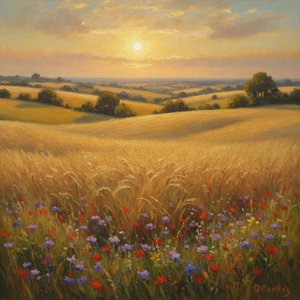
Golden Fields & Sun-Drenched Meadows: Capturing the Soul of Impressionist Landscapes
Immerse yourself in the luminous world of Impressionist landscapes. Discover how masters like Monet and Gauguin captured ephemeral light through plein air painting, and learn to bring the soul of sun-drenched meadows into your home with exquisite, hand-painted oil reproductions.

The Beauty of Impermanence: Capturing Decay through Impressionist Eyes
Explore the profound beauty of impermanence through Impressionist and Post-Impressionist eyes. Discover how masters like Monet and Van Gogh captured fleeting light and the poetic essence of nature's transitions in our deep dive into art history and emotional landscapes.

Capturing the Soul: The Most Emotionally Moving Impressionist and Post-Impressionist Masterpieces
Discover the profound emotional depth of Impressionist and Post-Impressionist masterpieces. Explore how legends like Monet, Van Gogh, and Gauguin captured light and soul through evocative landscapes and vibrant brushwork for a timeless connection to art history.

Soft Light & Velvet Touch: The Ethereal Magic of Pastel Artistry in Impressionist Masterpieces
Discover the ethereal beauty of pastel art through an Impressionist lens. Explore how masters like Monet and Renoir captured light and velvet textures, and learn to curate a collection of luminous, museum-quality masterpieces for your home.

Beyond the Light: Capturing Raw Emotion and Subjective Vision in Post-Impressionist Landscapes
Explore the profound emotional depth of Post-Impressionist landscapes. Discover how masters like Van Gogh moved beyond light to capture raw human feeling through vibrant color and expressive texture in this expert art history retrospective.
Istražite umjetnička djela organizirana prema temama, stilovima i karakteristikama.


