


 Pregledaj u realnoj veličini
 Pošalji
 Podijeli
 Detalji o umjetničkom djelu
 Vodič
Vodič

 Preuzmi umjetničko djelo
 Slični predmeti
 Rentgenska snimka
 Slide show
 Q&A
Q&A Statistika
Nature studies


A mesmerizing watercolor depiction by Giuseppe Arcimboldo showcases three antler-like structures crafted from meticulously arranged objects – polished antlers adorned with gold, textured antlers bearing growth rings, and smaller curved antlers—reflecting Neo-Platonic symbolism and capturing the spirit of Renaissance scientific inquiry.
 Prikaži više
Giuseppe Arcimboldo (1527-1593.) bio je talijanski slikar manierizma poznat po svojim portretima sastavljenim od voća, povrća i predmeta. Istražite njegovu maštovitu umjetnost koja spaja simbolizam i vizualnu inovaciju renesansnog doba!
Giclée / Umjetnički otisak
Giclée tisak muzejske kvalitete ili otisak na platnu uz brzu izradu i raznolike opcije završne obrade. ( Kupi ručno oslikano djelo Prebacite na digitalnu sliku)




P118B €10

P118H €10

P118W €10

P438Z €10

P508JH €12

P508YH €12

P805H €10

P805Z €10

P919BZ €10

P919G €10

P919XJ €10

P959ZH €10

P968JZ €12

W106C €8

W218G €10

W218JH €8

W218Y €10

W307PJ €10

W316G €10

W316PJ €8

W316Y €10

W398PJ €8

W4111J €10

W500HY €15

W500JH €15

W692G €12

W849H €8

W940BG €15

W953PJ €8




Standardne dimenzije
po mjeri
CM
INCH
Odaberite jednu od naših unaprijed definiranih veličina koje odgovaraju izvornim proporcijama umjetničkog djela.
Loading sizes...

širina
visina
Unesite potrebnu širinu i visinu kako bi odgovarali vašem okviru ili zidu. Print se može samo izrezati, nikada ne može biti veći od slike, stoga format s drugačijim omjerom stranica uzrokuje gubitak dijela slike. Prije bilo kakve štampe šaljemo vam digitalni prikaz (mockup) na odobrenje. Slika prikazana na ovoj stranici ne prikazuje stvarni rez — to prikazuje isključivo digitalni prikaz.
Dostava širom svijeta () u roku od 2 tjedna umjesto standardnih 4/5 tjedana. (29 Listopad)

Besplatna ekspresna dostava širom svijeta

Visokokvalitetno laneno platno

Potpuno osiguranje dostave

Jamstvo povrata carine i uvoznih poreza

Jamstvo vjernosti boja

Politika povrata u roku od 100 dana (samo u slučaju nedostataka)

Jamstvo povrata 100% novca

Popust na više proizvoda
 Opcija stakla dostupna je samo za dimenzije manje od 110 cm

Nature studies
Giclée / Umjetnički otisak
Veličina reprodukcije
-


Ukupna cijena
€ 61
Giuseppe Arcimboldo: A Renaissance Visionary Reimagined
Giuseppe Arcimboldo (1527 – 1593), an Italian Mannerist painter, stands apart from his contemporaries not merely for stylistic innovation but for a profound engagement with the intellectual currents of his time—specifically, Neo-Platonism and the burgeoning fascination with natural science. Born in Milan during a period marked by papal ambition and artistic experimentation, Arcimboldo’s career unfolded against a backdrop of transformative change, propelling him to prominence as court painter for three Holy Roman Emperors: Maximilian I, Philip II, and Rudolf II—a testament to his ability to capture the zeitgeist and translate complex ideas into visually arresting imagery. While initially recognized for traditional portraits adhering to established conventions, Arcimboldo swiftly distinguished himself through a revolutionary approach – crafting composite heads entirely from meticulously arranged objects: fruits, vegetables, flowers, fish, musical instruments, and even books—a technique that continues to fascinate scholars and artists alike.- The Composite Head Technique: Arcimboldo’s method wasn't simply about clever visual illusion; it represented a deliberate challenge to conventional artistic representation. Rather than depicting the human face in its idealized form, he disassembled it into constituent parts—symbols of nature—creating an image that simultaneously honored classical ideals and reflected the scientific curiosity of the Renaissance.
- Symbolism Rooted in Neo-Platonism: Arcimboldo’s works resonate deeply with Neo-Platonic philosophy, which sought to reconcile pagan mythology with Christian theology by interpreting symbols as reflections of divine truths. Each element within a portrait—the fruits representing fertility and abundance, the flowers symbolizing beauty and virtue—carried specific allegorical meanings intended to convey profound spiritual concepts.
- Court Patronage & Rudolf II’s Vision: Arcimboldo's success stemmed largely from his patronage by Rudolf II, Holy Roman Emperor, who championed a humanist worldview characterized by intellectual exploration and artistic splendor. Rudolf II’s fascination with alchemy, astrology, and natural history mirrored Arcimboldo’s own stylistic ambition—to transcend mere imitation of nature and to express its underlying harmony and order.
Vertumnus: A Masterpiece of Illusion and Allegory
Among Arcimboldo's most celebrated achievements is Vertumnus (1591), an oil painting commissioned by Rudolf II that exemplifies the artist’s mastery of illusionistic technique and symbolic representation. The portrait depicts Rudolf II as a human face constructed from meticulously arranged fruits, vegetables, flowers, and musical instruments—a deliberate homage to the Roman god Vertumnus, whose name translates to “turning” or “changing,” reflecting the cyclical rhythms of nature and mirroring Rudolf II’s belief in the interconnectedness of all things. The composition is remarkably balanced, with each element carefully positioned to contribute to the overall impression of serenity and intellectual contemplation.- Illusionistic Detail: Arcimboldo achieved his breathtaking effect through painstaking layering of paint—a technique known as glazing—creating a shimmering surface that captures the subtle nuances of light and color. The artist’s meticulous attention to detail ensured that each fruit, vegetable, and instrument appeared convincingly integrated into the portrait's form.
- The God Vertumnus & Rudolf II’s Ideal: Arcimboldo’s choice of imagery—specifically Vertumnus—was not arbitrary but deliberately symbolic. The god Vertumnus represented transformation and renewal, mirroring Rudolf II’s aspiration to embody the virtues of wisdom, justice, and compassion—qualities he believed essential for governing his realm effectively.
- A Reflection of Renaissance Thought: Vertumnus stands as a powerful emblem of the Renaissance humanist spirit—a conviction that human reason could illuminate the mysteries of the cosmos and that art could serve as a conduit for conveying profound philosophical ideas.
Beyond Illusion: Arcimboldo’s Artistic Legacy
Giuseppe Arcimboldo's influence extends far beyond his own lifetime, shaping subsequent artistic trends and inspiring generations of artists to explore innovative visual strategies. His pioneering use of composite portraits established a precedent for manipulating perspective and creating imaginative representations that defied conventional conventions—a legacy that continues to resonate in contemporary art practice. Furthermore, Arcimboldo’s unwavering commitment to capturing the essence of his subject matter through symbolic imagery solidified his position as one of the foremost artists of the Mannerist movement—a period characterized by stylistic experimentation and a preoccupation with psychological depth.- Influence on Later Artists: Arcimboldo's technique served as an inspiration for artists like Rembrandt and Diego Velázquez, who similarly employed illusionistic techniques to convey emotion and psychological complexity in their portraits.
- The Mannerist Aesthetic: Arcimboldo’s work embodies the core tenets of Mannerism—a stylistic movement that prioritized expressive distortion over naturalistic representation—marking a decisive break from the idealized beauty of High Renaissance art.
- Enduring Relevance: Today, Arcimboldo's portraits continue to captivate audiences with their arresting visual impact and their profound intellectual depth—testaments to his enduring artistic genius and his ability to transcend temporal boundaries.
Discovering Arcimboldo’s Art Today
Reproductions of Arcimboldo’s masterpieces can be found in prestigious museums worldwide, including the Kunsthistorisches Museum in Vienna and the Louvre in Paris—a testament to their enduring artistic merit. Explore stunning prints and canvases that capture the vibrancy of color and the meticulous detail characteristic of his original paintings—bringing the visionary spirit of Giuseppe Arcimboldo into your home or gallery space.Pitanja i odgovori
Iz koje zemlje dolazi djelo Mannerism "Nature studies"?
Djelo u stilu Mannerism pod nazivom "Nature studies" djelo je umjetnika rođenog u Italija.
Je li "Nature studies" autora Giuseppe Arcimboldo svijetlo ili tamno umjetničko djelo?
U pogledu percepcije svjetline, "Nature studies" autora Giuseppe Arcimboldo je brilliant.
Za koju je prostoriju preporučeno djelo "Nature studies" autora Giuseppe Arcimboldo?
Preporučeni prostor za "Nature studies" autora Giuseppe Arcimboldo je Living Room. Ovaj prijedlog se, naravno, može prilagoditi vašem interijeru.
Biografija umjetnika
Rani Život i Obrazovanje Giuseppe Arcimbolda
Giuseppe Arcimboldo, rođen u Milanu 5. travnja 1527. godine, bio je talijanski slikar iz razdoblja manirizma. Njegovo umjetničko putovanje započelo je u obiteljskoj radionici; njegov otac, Biagio Arcimboldo, također slikar, pružio mu je rane lekcije i usmjerio ga prema svijetu umjetnosti. Giuseppe je brzo pokazao talent za detalj i preciznost, vještine koje će kasnije postati prepoznatljivim obilježjem njegova stila. Početkom 1540-ih godina, mladi Arcimboldo započeo je rad na freskama u milanskoj katedrali, što mu je omogućilo da stekne praktično iskustvo i razvije tehničku vještinu. Ovaj rani period bio je ključan za njegov razvoj, pružajući mu temeljnu obuku u kompoziciji, boji i perspektivi. Iako su njegovi počeci bili konvencionalni, već se tada nazirala sklonost prema neobičnim detaljima i eksperimentiranju s formama koje će ga kasnije proslaviti.Dvorne Narudžbine i Razvoj Jedinstvenog Stila
Godine 1562., Arcimboldo je imenovan portretistom Ferdinanda I. na dvoru Habsburgovaca u Beču, što je označilo prekretnicu u njegovoj karijeri. Tijekom sljedećih dvadesetak godina služio je kao umjetnički poliglot za tri uzastopna Habsburška vladara: Maksimilijana II. i Rudolfa II.. Njegove su se dužnosti protezale od slikanja portreta – iako su čak i ti portreti često sadržavali suptilne ekscentričnosti – do dizajniranja kostima, dekoracija za festivale i organizacije carskih zbirki. Upravo je u ovom okruženju rafiniranog ukusa i intelektualne znatiželje njegov prepoznatljiv stil počeo cvjetati. Dvor je tražio inovativnost i spektakl, što mu je omogućilo da se udalji od tradicionalnog portretiranja i usmjeri prema stvaranju njegovih slavnih "kompozitnih glava". Te glave nisu nastale naglim impulsom, već su evoluirale postupno, nadovezujući se na renesansnu fascinaciju zagonetkama, slagalicama i istraživanjem skrivenog značenja u prividno običnim predmetima. U njegovom radu se mogu prepoznati utjecaji ranijih umjetnika koji su eksperimentirali s *trompe l'oeil* efektima i izobličenim perspektivama, no Arcimboldo je te elemente sintetizirao u nešto jedinstveno – vizualni jezik koji je izazvao konvencionalne predodžbe o reprezentaciji.Dekodiranje Simbolizma: Više od Prikazivanja
Odbaciti Arcimboldov rad kao puku izmišljotinu znači zanemariti njegovu duboku intelektualnu vrijednost. Svaki objekt unutar njegovih kompozitnih portreta pažljivo je odabran, opterećen simboličkim značenjem vezanim uz karakter, profesiju ili društveni status prikazane osobe. Na primjer, *Knjižničar* nije samo lice sastavljeno od knjiga; to je suptilna kritika akademske pretencioznosti – komentar na one koji gomilaju znanje bez pravog angažmana s njegovim sadržajem. Repovi životinja koji tvore bradu predstavljaju prašine, aludirajući na zanemarene zbirke knjiga koje skupljaju prah na policama. Slično tome, njegovi portreti godišnjih doba – posebno *Vertumnus*, koji cara Rudolfa II. prikazuje kao rimskog boga vrtova i promjene – bogati su botaničkim simbolizmom, odražavajući carsku zaštitu znanosti i prirodne povijesti. Nisu bili namijenjeni za trenutno dešifriranje; zamišljeni su da potaknu promišljanje, pozivajući gledatelje da otkriju slojeve značenja skrivenih u prividnoj razigranosti aranžmana predmeta. Sam čin konstruiranja ljudskog lika od nežive tvari služio je kao meditacija o međupovezanosti svega – odraz renesansnog neoplatonizma i vjerovanja u temeljnu harmoniju svemira.Nasljeđe i Ponovno Otkriće: Preteča Surrealizmu
Unatoč uspjehu tijekom svog života, Arcimboldova reputacija je opala stoljećima nakon njegove smrti 1593. godine. Njegov rad često je svrstavan u područje kurioziteta – cijenjen zbog svoje tehničke vještine, ali odbacivan kao ozbiljan umjetnički doprinos. Tek se u 20. stoljeću pojavilo obnovljeno priznanje za njegovu umjetnost, potaknuto usponom nadrealizma. Umjetnici poput Salvadora Dalija prepoznali su u Arcimboldu srodnu dušu – vizionara koji se usuđivao izazvati konvencionalne percepcije i istraživati podsvjesno kroz neočekivane kombinacije slika. Utjecaj Arcimbolda može se vidjeti u Dalijevim sanljivim kompozicijama i fascinaciji metamorfozom i iluzijom. Danas je Arcimboldo proslavljen kao ključna figura u povijesti umjetnosti – preteča nadrealizma čija inovativna upotreba simbolizma i razigrana distorzija nastavlja inspirirati umjetnike i očaravati publiku diljem svijeta. Njegova su djela smještena u prestižnim muzejima poput Kunsthistorisches Museuma u Beču i Louvrea u Parizu, osiguravajući da će njegova jedinstvena vizija nastaviti odjekivati generacijama koje dolaze. Njegovo nasljeđe je svjedočanstvo trajne moći mašte i sposobnosti umjetnosti da transformira naše razumijevanje svijeta oko nas.
Giuseppe Arcimboldo
1527 - 1593 , Italija
Osnovne informacije
- Datum Rođenja: 5. travnja 1527.
- Datum Smrti: 11. srpnja 1593.
- Državljanstvo: Talijan
- Mjesto Rođenja: Milan, Italija
- Puno Ime: Giuseppe Arcimboldo
- Umjetnici Ili Pokreti Pod Utjecajem:
- Salvador Dalí
- Surrealizam
- Umjetnički Pokret Ili Stil: Manirizam, Surrealizam
- Značajna Djela:
- Cvjetni mrtvi život
- Četiri godišnja doba
- Vertumnus
- Knjizničar
Srodni članci

The Delicate Beauty of Botanical Realism: Capturing Nature's True Essence through the Lens of Art History
Explore the exquisite world of botanical realism. From scientific precision to Impressionist light, discover how master artists capture nature's true essence through timeless, hand-painted oil reproductions and historical insights for the discerning art lover.

Surrealist Dreamscapes: A Curated Journey Through the Subconscious Majesty of Surrealism
Embark on a sophisticated journey through Surrealist dreamscapes. Explore the profound symbolism of masters like Dalí and discover how to curate breathtaking, museum-quality surrealist art for your private collection with expert guidance.

Beyond Reality: A Sophisticated Exploration of the Dreamlike Architecture in Surrealist Landscapes
Embark on a sophisticated journey through the dreamlike architecture of Surrealist landscapes. Uncover the profound psychological depths and visual paradoxes of masters like Salvador Dalí in this expert exploration of art’s most captivating, impossible vistas.
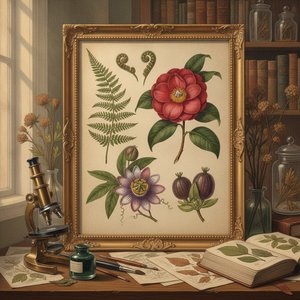
The Timeless Elegance of Victorian Botanical Painting: A Journey Through Nature's Intricate Detail and Scientific Artistry
Discover the exquisite world of Victorian botanical painting, where scientific precision meets profound aesthetic grace. Explore a journey through nature's intricate details, from legendary illustrators to the untamed beauty of Marianne North’s vibrant floral masterpieces.

The Soul of the Specimen: A Journey Through the Artistry of Naturalistic Illustration
Explore the profound beauty of naturalistic illustration. From ancient herbals to scientific masterpieces, discover how art captures the soul of nature through meticulous detail and historical grace.
Istražite umjetnička djela organizirana prema temama, stilovima i karakteristikama.


