


 Pregledaj u stvarnoj veličini
 Podijeli
 Podijeli
 Detalji
 Vodič
Vodič

 Preuzmi datoteku
 Slični predmeti
 Rentgenska snimka
 Slide show
 Statistika
Notre Dame

 Pročitajte više
Otkrijte Henrija Matissea (1869-1954), majstora boje i začetnika fauvizma! Istražite njegove ikonične slike, rezane papirne kolaže i utjecaj na modernu umjetnost. Voditeljica francuske umjetnosti!
Ručno rađena uljana reprodukcija
Ručno oslikano uljanim bojama na platnu u dimenzijama i okviru po vašem izboru, izrađeno po narudžbi od strane naših umjetnika. ( Prebacite na prodaju printova Prebacite na digitalnu prodaju slika)




P118B €10

P118H €10

P118W €10

P438Z €10

P508JH €12

P508YH €12

P805H €10

P805Z €10

P919BZ €10

P919G €10

P919XJ €10

P959ZH €10

P968JZ €12

W106C €8

W218G €10

W218JH €8

W218Y €10

W307PJ €10

W316G €10

W316PJ €8

W316Y €10

W398PJ €8

W4111J €10

W500HY €15

W500JH €15

W692G €12

W849H €8

W940BG €15

W953PJ €8




Standardne dimenzije
prilagođeno po mjeri
CM
INCH
Odaberite jednu od naših unaprijed definiranih veličina koje odgovaraju izvornim proporcijama umjetničkog djela.
Loading sizes...

širina
visina
Unesite širinu i visinu koja vam je potrebna, kako bi odgovarali vašem okviru ili zidu. Budući da je ovo ručno oslikano djelo, umjetnik može malo proširiti rubove slike ili ih skratiti kako bi postigao željeni oblik — izbor je vaš. Prije početka slikanja poslat ćemo vam digitalni prikaz (mockup) radi potvrde. Slika prikazana na ovoj stranici ne predstavlja stvarni rezultat — samo digitalni prikaz to čini.
Primjeri onoga što se može promijeniti: Zamijenite lice fotografijom klijenta; Dodajte ljubimca (npr. zamijenite mačku psom); Uključite skrivenu poruku u pozadinu; Promijenite pejzaž ili elemente pozadine.
Nakon narudžbe, tim TopImpressionists.com kontaktirat će klijenta putem e-pošte radi dobivanja uputa te dostaviti probni prikaz (mockup)
Nakon narudžbe, tim TopImpressionists.com kontaktirat će klijenta putem e-pošte radi dobivanja uputa te dostaviti probni prikaz (mockup)
Isporuka širom svijeta () u roku od 3-4 tjedna umjesto standardnih 5 tjedana. (24 Listopad). Bez kompromisa u kvaliteti.

Besplatna ekspresna dostava širom svijeta

Visokokvalitetno laneno platno

Potpuno osiguranje transporta

Jamstvo povrata carine i uvoznih poreza

Jamstvo vjernosti boja

Politika povrata u roku od 100 dana (samo u slučaju nedostataka)

Jamstvo povrata 100% novca

Popust na više proizvoda
 Opcija stakla dostupna je samo za dimenzije manje od 110 cm

Notre Dame
Tehnika izrade
Veličina reprodukcije
-


Ukupna cijena
€ 236
A Symphony of Color Against Parisian Stone
Henri Matisse’s “Notre Dame,” painted in 1914, isn't merely a depiction of Paris; it’s an embodiment of the artist’s revolutionary approach to painting—a bold assertion of Fauvist principles that continues to resonate with audiences today. Captured on paper mounted on canvas and housed within the Albright-Knox Art Gallery collection, this artwork stands as a testament to Matisse’s unwavering belief in color as the primary vehicle for artistic expression.
The Bold Strokes of Fauvism
Matisse's stylistic choices immediately distinguish “Notre Dame” from academic traditions. Abandoning naturalistic representation, he embraced vibrant hues—dominantly blues and yellows—that prioritized emotional impact over accurate depiction. This technique aligns perfectly with the tenets of Fauvist art, a movement spearheaded by Matisse himself and Picasso, which sought to liberate color from its subservient role in portraying reality.
A Vision of Parisian Life
The painting portrays a bustling Parisian street scene centered around Notre Dame Cathedral. The cathedral’s imposing silhouette anchors the composition, rendered with meticulous detail despite Matisse's stylistic liberties. Scattered figures populate the foreground, conveying a sense of everyday life amidst the grandeur of the cityscape. Notably, a horse adds dynamism to the tableau, capturing movement and contributing to the overall atmosphere.
Symbolism Within Color
Matisse’s masterful use of color isn't accidental; it serves as a conduit for conveying emotion and spiritual contemplation. The dominant blues evoke feelings of serenity and solemnity, reflecting the cathedral’s religious significance. Simultaneously, splashes of yellow inject warmth and optimism, symbolizing hope and vitality—a deliberate contrast that underscores Matisse’s artistic intention.
Influence Beyond Canvas
“Notre Dame” exemplifies Matisse's enduring legacy as a pioneer of modern art. His groundbreaking exploration of color paved the way for subsequent generations of artists, inspiring them to prioritize expressive qualities over photographic realism. Reproductions of this iconic artwork offer collectors and interior designers alike an opportunity to experience the transformative power of Fauvist aesthetics—a celebration of pure color and form that continues to captivate viewers worldwide.
Pitanja i odgovori
Kolika je zasićenost i intenzitet koji prikazuje "Notre Dame" autora Enri Matis?
Boje djela "Notre Dame" autora Enri Matis pokazuju Balanced Soft zasićenost uz Balanced intenzitet.
Gdje mogu pronaći statistiku o djelu "Notre Dame" autora Enri Matis?
Postoji Statistika stranica za "Notre Dame". Ona prikazuje mjesečne posjete umjetničkom djelu i drugim djelima umjetnika, uz podelu prema zemljama i jezicima.
Od čega je izrađeno "Notre Dame"?
"Notre Dame" je izvedeno u tehnici Acrylic On Canvas.


Biografija umjetnika
Život Uronut u Boju: Svijet Henrija Matissea
Henri Émile Benoît Matisse, rođen 31. prosinca 1869. godine u malom sjevernom francuskom gradu Le Cateau-Cambrésis, nije bio predodređen za život ispunjen pigmentima i formama. Iako je nakon srednje škole prvotno nastavio studij prava u Parizu, njegov put se dramatično promijenio nakon upale slijepog crijeva 1889. godine. Tijekom oporavka otkrio je latitnu strast potaknutu jednostavnim činom slikanja s kompletom umjetničkih materijala koje mu je poklonila majka. To nije bila samo zabava; bio je to otkriti – prekretnica koja ga je odjurila od pravnih dokumenata prema svijetu u kojem bi boja postala njegov jezik, a platno njegovo carstvo. Odgajan u Bohain-en-Vermandois, kao sin trgovaca žitom, Matisse se na prvi pogled nije činilo da će prihvatiti boemski život umjetnika, no sjeme je posađeno, hranjeno oporavkom i procvjetalo u cjelovitu predanost. Upisao je Akademiju Julian, a kasnije i Nacionalnu školu za lijepa umjetnost (École Nationale des Beaux-Arts), gdje je učio kod Williama-Adolphea Bouguereaua i Gustava Moreaua, usvajajući klasične tehnike koje će poslužiti kao temelj za njegove buduće inovacije. Njegova djela iz tog ranog razdoblja odražavala su tu akademsku obuku, pokazujući vještinu, ali nedostaje glas koji bi uskoro definirao njega.Zora Fauvisma i Smjela Eksperimentiranja
Ključni trenutak nastupio je 1896. godine tijekom posjeta Belle Île s australskim slikarom Johnom Russelom. Ovaj susret se pokazao transformativnim. Russell ga je upoznao sa svijetom impresionizma, a važnije od toga, s emotivno nabijenim platnima Vincenta van Gogha. Utjecaj je bio dubok. Van Goghova ekspresivna upotreba boje slomila je Matisseovu dotadašnju ograničenu paletu, potičući ga na hrabriji, subjektivniji pristup. Počeo se udaljavati od zemljastih tonova, prihvaćajući nijanse koje su rezonirale s emocijama, a ne strogom reprezentacijom. Ovo istraživanje kulminiralo je pojavom fauvisma oko 1905. – pokreta u kojem je Matisse postao vodeća figura. Ime samog pokreta, što znači "divlje zvijeri", prvotno je bio podrugljiv, dodijeljen grupi zbog njihova šokantno živahnih i nestvarnih slika izloženih na Salonu d'Automne. Matisse, zajedno s umjetnicima poput Andréa Deraina i Mauricea de Vlamincka, zagovarao je intenzivnu boju kao samostalan element ekspresije, pojednostavljujući oblike kako bi pojačao njezin utjecaj. Slike poput The Gourds (1905) primjeri su ovog stila – jurnjava crvenih, zelenih i žutih boja nanesenih slobodom koja je ignorirala tradicionalnu perspektivu i mimetističku točnost. Ključne karakteristike uključivale su intenzivno zasićene palete, pojednostavljene oblike, ekspresivne poteze kista i namjerni odmak od konvencionalnog predstavljanja u korist emocionalne rezonancije.RaFiniranje i Dekorativna Harmonija
Nakon prvotne žestine fauvisma, Matisseov stil je prošao kroz suptilnu, ali značajnu evoluciju. Iako nikada nije napustio svoju ljubav prema boji, njegova djela postala su rafiniranija, naginjući dekorativnoj estetici koja je naglašavala spljoštene oblike i složene uzorke. Istraživao je teme razonode, domaćinstva i ljudske figure u mirnim okruženjima, stvarajući kompozicije koje su bile istovremeno skladne i emotivno rezonantne. Preseljenje u Nice na francuskoj Rivijeri 1917. godine dodatno je utjecalo na ovaj pomak, prožimajući njegova djela osjećajem smirenosti i klasične ravnoteže. Počeo se fokusirati na stvaranje okruženja – slika, skulptura i dekorativnih predmeta – koja su obuhvaćala gledatelja atmosferom ljepote i mira. Tijekom tog razdoblja eksperimentirao je s različitim medijima, uključujući keramiku i tekstil, proširivši svoju umjetničku viziju izvan tradicionalnog platna. Nije se samo oslikovao scene; gradio je svjetove dizajnirane da izazovu određeni emocionalni odgovor.Kasnije Godine: Inovacija Kroz Ograničenja
Kako su mu slabe zdravlje ograničavale sposobnost slikanja na konvencionalan način, Matisse se upustio u izvanrednu novu fazu svog umjetničkog putovanja – stvaranje kolaža od izrezane papira, ili *découpages*. Počeo je oko 1947. godine, a rođen je iz potrebe. Ograničen na invalidska kolica, nije mogao fizički stajati i slikati, ali je još uvijek mogao manipulirati papirom makazama. Ono što je počelo kao praktično rješenje evoluiralo je u revolucionarnu umjetničku tehniku. Bojao bi velike listove papira u živopisnim bojama, a zatim ih rezati u oblike – organske forme, lišće, figure – i slagati na platno, stvarajući kompozicije koje su bile istovremeno dinamične i izuzetno jednostavne. Ovi *découpages* nisu bili samo zamjene za slikanje; predstavljali su novi način razmišljanja o boji, obliku i kompoziciji. Nastavljali je svoju cjeloživotnu eksploraciju ovih elemenata, pokazujući trajne umjetničke vizije čak i usred fizičkih ograničenja.- Tehnika izrezivanja omogućila mu je da postigne čistoću oblika i boje koja je bila teška za postizanje bojom.
- Ta djela često su se odnosila na ranije teme i motive iz njegovih slika, ali prezentirali su ih na svjež i inovativan način.
- Pruža dokaz njegove sposobnosti da se prilagođava i razvija kao umjetnik tijekom cijele svoje karijere.
Trajna Ostavština: Matisseov Utjecaj na Modernu Umjetnost
Henri Matisse je umro u Nicei 1954. godine, ostavivši iza sebe djelo koje i dalje inspirira i očarava publiku širom svijeta. Njegov utjecaj na svijet umjetnosti je neuporediv; on je osporio konvencionalne ideje o predstavljanju, zagovarao ekspresivnu moć boje i prokrčio put budućim generacijama umjetnika. Često se smatra uz Pabla Picassa jednim od najutjecajnijih likova u 20. stoljeću, Matisse je temeljito oblikovao modernizam. Njegova ostavština seže izvan samih djela – obuhvaća filozofiju koja slavi radost, ljepotu i transformativni potencijal boje. On nije samo slikao ono što je vidio; stvarao je emocionalno iskustvo za gledatelja, pozivajući ih da podijele njegovu viziju svijeta okupanog svjetlom i živopisnim nijansama. Matisse's utjecaj se može prepoznati u bezbrojnih djela umjetnika iz različitih disciplina, čime je učvrstio svoje mjesto kao pravog majstora moderne umjetnosti – slikara koji se usudio vidjeti svijet ne onakav kakav jest, već onakav kakav bi mogao biti, ispunjen bojom, harmonijom i bezgraničnom mogućnošću.
Enri Matis
1869 - 1954 , Francuska
Brzi pregled
- Datum Rođenja: 31. prosinca 1869.
- Datum Smrti: 1954.
- Državljanstvo: Francuski
- Mjesto Rođenja: Le Cateau-Cambrésis, Francuska
- Pokreti/Umjetnici Pod Utjecajem:
- Modernizam
- Ekspresionizam
- Puno Ime: Henri Émile Benoît Matisse
- Umjetnički Pokret: Fauvizam
- Utjecajni Umjetnici:
- Van Gogh
- Chardin
- Russell
- Značajna Djela:
- The Gourds
- Laurette u bijelom turbanu
Povezani članci
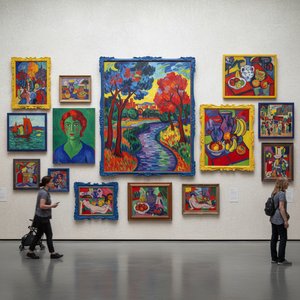
Fovizam: 10 Remek-djela koja su definirala umjetnički pokret | TopImpressionists
Otkrijte 10 remek-djela fovizma koja su revolucionirala umjetnost! Istražite Matissea, Deraina i Vlamincka te živopisne boje. Inspirirajte se modernim slikama za svoj interijer. Kupite reprodukcije vrhunske kvalitete na TopImpressionists.com!

Fauvism's Boldest Visions: 10 Masterpieces That Revolutionized Modern Art | TopImpressionists
Explore 10 Fauvist masterpieces by Matisse, Derain & Vlaminck that ignited Modern Art! Discover bold colors, expressionist landscapes & the history of this revolutionary movement. Find museum-quality prints at TopImpressionists.com.

Fauvism Unveiled: The Wild Revolution of Color and Emotion in Modern Art
Explore the vibrant revolution of Fauvism. Discover how masters like Henri Matisse liberated color from reality to express pure emotion. An expert guide into the 'Wild Beasts' of modern art history for collectors and enthusiasts.
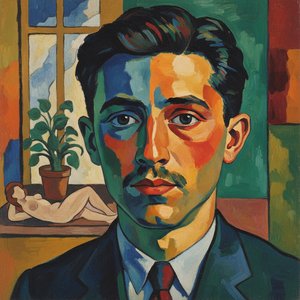
Henri Matisse: A Revolutionary Use of Color and Form in Modern Art
Explore the revolutionary art of Henri Matisse! Discover his bold use of color, Fauvist origins, and lasting impact on modern painting. A comprehensive guide for art enthusiasts.

Henri Matisse: 25 Remek-djela koje morate vidjeti | TopImpressionists.hr
Uronite u svijet Henri Matissea! Otkrijte 25 remek-djela Fauvizma i moderne umjetnosti. Priče iza slika, boje i tehnike slavnog umjetnika. Pronađite savršenu reprodukciju za vaš interijer na TopImpressionists.com.
Istražite umjetnička djela organizirana prema temama, stilovima i karakteristikama.


