

Shown: · With its frame:
 Pregledaj u realnoj veličini
 Pošalji
 Podijeli
 Detalji o umjetničkom djelu
 Vodič
Vodič

 Preuzmi umjetničko djelo
 Slični predmeti
 Rentgenska snimka
 Slide show
 Q&A
Q&A Statistika


€ 239
Ručno rađena uljana reprodukcija
Ručno oslikano uljanim bojama na platnu u dimenzijama i okviru po vašem izboru, izrađeno po narudžbi od strane naših umjetnika. ( Prebacite na printove Prebacite na digitalnu sliku)
Size
·Standardne dimenzije
po mjeri
CM
INCH
Odaberite jednu od naših unaprijed definiranih veličina koje odgovaraju izvornim proporcijama umjetničkog djela.
Loading sizes...

širina
visina
Unesite potrebnu širinu i visinu kako bi dimenzije odgovarale vašem okviru ili zidu. Budući da je riječ o ručno oslikanom djelu, umjetnik može malo proširiti rubove slike ili ih skratiti kako bi postigao drugačiji oblik — izbor je vaš. Prije početka slikanja poslat ćemo vam digitalni prikaz (mockup) radi potvrde. Slika prikazana na ovoj stranici ne predstavlja stvarni rezultat — samo digitalni prikaz to čini.
 Pročitajte više
Finish
·
White €1

Blurside €1

Extended €1

P118B €10

P118H €10

P118W €10

P438Z €10

P508JH €12

P508YH €12

P805H €10

P805Z €10

P919BZ €10

P919G €10

P919XJ €10

P959ZH €10

P968JZ €12

W106C €8

W218G €10

W218JH €8

W218Y €10

W307PJ €10

W316G €10

W316PJ €8

W316Y €10

W398PJ €8

W4111J €10

W500HY €15

W500JH €15

W692G €12

W849H €8

W940BG €15

W953PJ €8

H24-GOLD €30

H24-SILVER €30

H36-GOLD €45

H36-SILVER €45
Shipped in a protective tube, ready for your own framer.
Above 105 cm the frame is shipped as a kit for a professional framer — read the details.
Extras
optionalWhat do the extras include?
Examples of what can be changed: Replace face with customer photo; Add pet (e.g., replace cat with dog); Include hidden message in background; Change background landscape or elements.
After order, TopImpressionists.com team will email client for instructions and provide a mockup preview
After order, TopImpressionists.com team will email client for instructions and provide a mockup preview
Isporuka širom svijeta () u roku od 3-4 tjedna umjesto standardnih 5 tjedana. (2 Studeni). Bez kompromisa u kvaliteti.
Zaštitni lak
Natpisna pločica
Detalji gravirane brončane pločice
This elegant plaque features the artist's name and the title of the artwork, finely engraved for a timeless presentation.
It is made from bronze with a refined, elegant finish. The text is precisely laser-engraved for a sharp and permanent result. Measuring 9x2 cm, the plaque is compact yet easy to read. It's built to be durable and scratch-resistant, offering a professional, museum-quality look. Mounting is simple thanks to the included adhesive backing.
Detalji prozirne akrilne pločice
The plaque includes essential engraved details such as the artist's name, the title of the artwork, the date it was created, the type of media used-like oil on canvas or watercolor-a brief description of the piece, and a QR code that links to the complete artwork information.
It is crafted from clear acrylic, offering a sleek, modern appearance. The text is UV-engraved in black to ensure strong visual contrast. With a size of 10x15 cm, it ensures optimal readability. It comes equipped with two metal hooks for secure wall mounting. The plaque is designed to be weather-resistant, making it suitable for various environments, and it includes interactive features that work seamlessly with smartphone scanning.
Detalji crne akrilne pločice
This elegant plaque includes engraved information such as the artist's name, the title of the artwork, the date it was created, the type of media used (like oil on canvas or watercolor), a short description of the artwork, and a QR code for quick access to more information.
The plaque itself is made from refined black acrylic with a premium finish. The text is laser-engraved in white for high contrast and readability. Its size is 10x15 cm, designed to be easy to read. It comes with two metal hooks for professional mounting. The design is sleek and fits any interior style. It is also weather-resistant and durable, with built-in digital integration for mobile compatibility.
Opcija stakla dostupna je samo za dimenzije manje od 110 cm
 Opcija stakla dostupna je samo za dimenzije manje od 110 cm
- Besplatna ekspresna dostava širom svijeta
- Visokokvalitetno laneno platno
- Potpuno osiguranje dostave
- Jamstvo povrata carine i uvoznih poreza
- Jamstvo vjernosti boja
- Politika povrata u roku od 100 dana (samo u slučaju nedostataka)
- Jamstvo povrata 100% novca
- Popust na više proizvoda


Opis kolekcionarskog predmeta
Biografija umjetnika
Otkrijte Hieronimusa Boscha (oko 1450.-1516.), nizozemskog slikara poznatog po svojim fantastičnim i simboličkim djelima, uključujući 'Vrt zemaljskih užitaka'. Istražite njegov jedinstveni stil i utjecaj na umjetnost!
About the painting
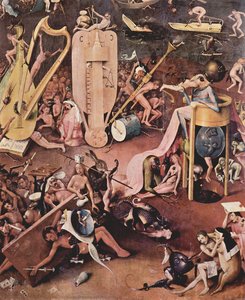
A Moment Frozen in Time: Exploring Hieronymus Bosch’s Ecce Homo Detail
The painting “Ecce Homo” – Latin for “Behold the Man” – is a haunting fragment from Hieronymus Bosch’s monumental triptych, completed around 1475. More than just a depiction of Jesus Christ’s crucifixion, it represents a profound meditation on human suffering and divine compassion, rendered with Bosch's signature blend of meticulous realism and fantastical imagination. This particular detail captures the palpable tension surrounding the figure of Jesus as he is presented to the crowd – a scene charged with religious significance and psychological complexity.The Artist’s Vision: Bosch’s Unique Style
Hieronymus Bosch (c. 1450-1516) stands apart from his contemporaries in Northern Renaissance art. Unlike many artists of his era who adhered to idealized depictions of biblical figures, Bosch embraced a disturbing vision rooted in medieval folklore and Christian mysticism. His style is characterized by an unsettling juxtaposition of naturalistic observation with grotesque imagery – animals transformed into monstrous hybrids, human figures distorted into expressions of agony and ecstasy. This deliberate dissonance wasn’t merely stylistic choice; it served as a powerful tool for conveying Bosch's anxieties about sin, mortality, and the corrupting influence of earthly desires. He meticulously crafted his paintings using oil paint on panel, achieving remarkable detail and luminosity—a technique that allowed him to capture both the physicality of his subjects and the ethereal quality of their spiritual torment.Historical Context: Faith Under Pressure
The triptych itself was commissioned by Willem Boreel, a wealthy Antwerp merchant who sought solace during a period of religious upheaval in Europe. The Protestant Reformation was gaining momentum, challenging papal authority and sparking intense debates about theological interpretation. Bosch’s depiction reflects this climate of uncertainty; the faces of those surrounding Jesus are etched with sorrow and apprehension, mirroring the anxieties felt by many devout Christians grappling with questions of faith and salvation. The inclusion of instruments like a sword and shield speaks to the political tensions of the time – symbols of military might juxtaposed against the vulnerability of Christ on the cross—underscoring Bosch’s awareness of the broader societal landscape.Symbolism: Layers of Meaning Beyond the Visible
Beyond its immediate depiction, “Ecce Homo” is replete with symbolic references that delve into deeper theological concerns. The cup held aloft by one figure represents divine grace – offering solace and redemption to those who acknowledge their failings. Conversely, the expressions on the faces of the onlookers convey a spectrum of emotions: pity, fear, disbelief, and perhaps even contempt. Bosch’s masterful use of color contributes to this symbolic richness; muted tones dominate the scene, emphasizing the solemnity of the occasion while highlighting the luminous glow emanating from Jesus's body—a visual representation of divine holiness amidst human suffering.Emotional Impact: A Portrait of Humanity’s Struggle
“Ecce Homo” continues to resonate with viewers centuries after its creation because it confronts us directly with the fundamental questions of existence. Bosch doesn’t offer easy answers; instead, he compels us to contemplate the horrors of human nature alongside the promise of divine mercy. The painting's unsettling realism combined with fantastical elements creates a visceral experience—one that lingers in the mind long after viewing. It serves as a timeless reminder of our shared vulnerability and the enduring power of faith to illuminate even the darkest corners of the human condition. This detail, like the entire triptych, remains an unforgettable testament to Bosch’s unparalleled artistic genius and his profound engagement with the spiritual anxieties of his time.Pitanja i odgovori
Kako se "Ecce Homo (detail)" autora Jeroen Bosch može iskoristiti u uređenju doma?
"Ecce Homo (detail)" se preporučuje za Accent, a idealan prostor za nju je Living Room.
Kakvo je opće raspoloženje djela "Ecce Homo (detail)" autora Jeroen Bosch?
"Ecce Homo (detail)" autora Jeroen Bosch opisuje se kao djelo Dramatic raspoloženja. Ova klasifikacija može pomoći u usklađivanju umjetnine s prostorom.
O kojoj se vrsti umjetničkog djela radi kod "Ecce Homo (detail)" autora Jeroen Bosch?
"Ecce Homo (detail)" je WallArt djelo.
Quick facts and art quiz
About Jeroen Bosch

Jeroen Bosch
1450 - 1516, Nizozemska
Biografija umjetnika
Hieronymus Bosch – Een Mysterieus Kunstenaar
Bosch werd geboren rond 1450 in ’s- Hertogenbosch, een bruisende stad aan het einde van het Laatste Koninkrijk Brabant—een regio die tegenwoordig deel uitmaakt van Nederland—waar hij zijn hele leven woonde en werkte. Zijn geboorteplaats zou uiteindelijk inspiratie bieden voor zijn kunstenaarsnaam “Bosch”, wat verwijst naar zijn plaatselijke naamgeving. Zijn familie had een lange traditie in schilderkunst; zowel zijn vader als zijn grootvader waren ook kunstenaars, waardoor hij waarschijnlijk zijn vroegste opleiding binnen het gezin kreeg en de technieken en conventies van Nederlandse schilderkunst assimileerde. Maar zelfs al begon hij nog maar jong op zijn eigen manier af te wijken van gevestigde normen—een teken van een uitzonderlijk fantasievermogen dat zijn carrière zou definiëren—zijn leven bleef een bron van mysterie voor historici. Zijn exacte geboortedatum is niet vastgesteld, gebaseerd op een zelfportret dat hij kort voor zijn dood maakte in 1516. Het portret toont de kunstenaar in zijn latere jaren, wat suggereert dat hij rond het midden van de eeuw geboren was.Een Familie Traditie en Een Nieuwe Visie
Bosch kwam uit een familie met een lange geschiedenis binnen de kunstwereld. Zijn vader, Anthonius van Aken, oefende als kunstadviseur uit voor het Broederhuis van Onze Lieve Vrouw uit en werkte hij samen met zijn grootvader Jan van Aken—een andere bekroonde schilder—waardoor hij waarschijnlijk zijn vroegste opleiding binnen het gezin kreeg en de technieken en conventies van Nederlandse schilderkunst assimileerde. Ondanks dat weinig bekend is over zijn persoonlijke leven, werden er enkele belangrijke historische gegevens gevonden die een beeld geven van zijn kunstenaarschap. Hij trouwde met Aleid Goyaerts van den Meerveen rond 1481, een vrouw die iets ouder was dan hijzelf en waarvan de familie haar grote financiële middelen bezat—een factor die bijdroeg aan zijn financiële stabiliteit, maar weinig meer over zijn persoonlijke leven werd bekendgemaakt. Zijn huwelijk betekende dat hij een gezin had en dat Aleid’s familie hem ondersteunde bij het financieel beheren van zijn activiteiten. Een belangrijke historische bron is de administratie van het Broederhuis waar hij lid werd in 1486/87, waarbij hij samen met meer dan 350 andere leden uit Nederland en Duitsland werd toegelaten dat jaar. Een uitzonderlijke gebeurtenis was dat hij een erkende lid werd kort daarna—een feit dat bevestigt dat hij rond het midden van de eeuw geboren was. Zijn naam, “Jeroen Bosch”, verschijnt in dezelfde stijl als een document waarin de penvoerder een lijst maakte van de negen leden die regelmatig deelnamen aan het Swan Banquet elk jaar rond Kerstmis—een gebeurtenis die werd gehouden door het Broederhuis en waar hij een belangrijke rol speelde. Een vermelding in de administratie van het Broederhuis uit 1516 bevestigde dat een requiemmissie voor “Jeroen Bosch, erkende broeder” werd gehouden op 9 augustus 1516 in de kerk van Sint Johannes—een gebeurtenis die werd geleid door dominee Willem Hamaker, ondersteund door een diaken en subdiaken, met muziek verzorgd door een orgelspeler en koor. Zijn grafplaats is nog steeds onbekend, maar het wordt algemeen aangenomen dat hij werd begraven in de kerk binnenplaats, rechtstreeks bereikbaar vanuit het noordelijke transept.Een Unieke Schilderstijl
Bosch ontwikkelde een stijl die hem onderscheidt van zijn tijdgenoten en die nog steeds vandaag de dag fascineert en bekritiseerd wordt door kunsthistorici. Hij werkte voornamelijk met olie op oude eikenpanelen, waarbij hij een meesterlijke beheersing demonstreerde van het medium—waardoor hij prachtige kleuren en complexe texturen bereikte. Zijn vroegere werken laten invloeden zien van traditionele Nederlandse schilderkunst, vooral in hun realisme en aandacht voor detail, maar hij ging snel verder dan eenvoudige imitatie, waarbij hij een diep originele visie ontwikkelde. Zijn schilderijen zijn niet alleen representaties van de echte wereld; ze zijn allegorische landschappen die worden bevolkt door bizarre wezens, hybride soorten en verontrustende scènes die lijken te komen uit dromen—of nachtmerries. Hij gebruikte een combinatie van prachtige kleuren en complexe texturen om een stijl te creëren die hem onderscheidt van zijn tijdgenoten en die nog steeds vandaag de dag fascineert en bekritiseerd wordt door kunsthistorici. Zijn vroegere werken laten invloeden zien van traditionele Nederlandse schilderkunst, vooral in hun realisme en aandacht voor detail, maar hij ging snel verder dan eenvoudige imitatie, waarbij hij een diep originele visie ontwikkelde. Zijn schilderijen zijn niet alleen representaties van de echte wereld; ze zijn allegorische landschappen die worden bevolkt door bizarre wezens, hybride soorten en verontrustende scènes die lijken te komen uit dromen—of nachtmerries. Hij gebruikte een combinatie van prachtige kleuren en complexe texturen om een stijl te creëren die hem onderscheidt van zijn tijdgenoten en die nog steeds vandaag de dag fascineert en bekritiseerd wordt door kunsthistorici. Zijn vroegere werken laten invloeden zien van traditionele Nederlandse schilderkunst, vooral in hun realisme en aandacht voor detail, maar hij ging snel verder dan eenvoudige imitatie, waarbij hij een diep originele visie ontwikkelde. Zijn schilderijen zijn niet alleen representaties van de echte wereld; ze zijn allegorische landschappen die worden bevolkt door bizarre wezens, hybride soorten en verontrustende scènes die lijken te komen uit dromen—of nachtmerries. Hij gebruikte een combinatie van prachtige kleuren en complexe texturen om een stijl te creëren die hem onderscheidt van zijn tijdgenoten en die nog steeds vandaag de dag fascineert en bekritiseerd wordt door kunsthistorici. Zijn vroegere werken laten invloeden zien van traditionele Nederlandse schilderkunst, vooral in hun realisme en aandacht voor detail, maar hij ging snel verder dan eenvoudige imitatie, waarbij hij een diep originele visie ontwikkelde. Zijn schilderijen zijn niet alleen representaties van de echte wereld; ze zijn allegorische landschappen die worden bevolkt door bizarre wezens, hybride soorten en verontrustende scènes die lijken te komen uit dromen—of nachtmerries. Hij gebruikte een combinatie van prachtige kleuren en complexe texturen om een stijl te creëren die hem onderscheidt van zijn tijdgenoten en die nog steeds vandaag de dag fascineert en bekritiseerd wordt door kunsthistorici. Zijn vroegere werken laten invloeden zien van traditionele Nederlandse schilderkunst, vooral in hun realisme en aandacht voor detail, maar hij ging snel verder dan eenvoudige imitatie, waarbij hij een diep originele visie ontwikkelde. Zijn schilderijen zijn niet alleen representaties van de echte wereld; ze zijn allegorische landschappen die worden bevolkt door bizarre wezens, hybride soorten en verontrustende scènes die lijken te komen uit dromen—of nachtmerries. Hij gebruikte een combinatie van prachtige kleuren en complexe texturen om een stijl te creëren die hem onderscheidt van zijn tijdgenoten en die nog steeds vandaag de dag fascineert en bekritiseerd wordt door kunsthistorici. Zijn vroegere werken laten invloeden zien van traditionele Nederlandse schilderkunst, vooral in hun realisme en aandacht voor detail, maar hij ging snel verder dan eenvoudige imitatie, waarbij hij een diep originele visie ontwikkelde. Zijn schilderijen zijn niet alleen representaties van de echte wereld; ze zijn allegorische landschappen die worden bevolkt door bizarre wezens, hybride soorten en verontrustende scènes die lijken te komen uit dromen—of nachtmerries. Hij gebruikte een combinatie van prachtige kleuren en complexe texturen om een stijl te creëren die hem onderscheidt van zijn tijdgenoten en die nog steeds vandaag de dag fascineert en bekritiseerd wordt door kunsthistorici. Zijn vroegere werken laten invloeden zien van traditionele Nederlandse schilderkunst, vooral in hun realisme en aandacht voor detail, maar hij ging snel verder dan eenvoudige imitatie, waarbij hij een diep originele visie ontwikkelde. Zijn schilderijen zijn niet alleen representaties van de echte wereld; ze zijn allegorische landschappen die worden bevolkt door bizarre wezens, hybride soorten en verontrustende scènes die lijken te komen uit dromen—of nachtmerries. Hij gebruikte een combinatie van prachtige kleuren en complexe texturen om een stijl te creëren die hem onderscheidt van zijn tijdgenoten en die nog steeds vandaag de dag fascineert en bekritiseerd wordt door kunsthistorici. ZijnQuick facts about Jeroen Bosch
- Artistic Movement Or Style: Surrealizam i simbolizam
- Artists Or Movements Influenced By This Artist: ['Pieter Bruegel']
- Date Of Birth: c. 1450
- Date Of Death: 1516
- Full Name: Hieronymus Bosch
- Nationality: Nizozemski
- Notable Artworks:
- Tuin der Lusten
- Het Laatste Oordeel
- Ascent of the Blessed
- Place Of Birth: Den Bosch, Nizozemska
Istražite umjetnička djela organizirana prema temama, stilovima i karakteristikama.




Jeroen Bosch
Ecce Homo (detail)
() ·
With its frame: · Hand-painted in oil on linen
Total