Pregledaj u stvarnoj veličini
 Podijeli
 Podijeli
 Detalji
 Vodič
Vodič

 Preuzmi datoteku
 Slični predmeti
 Rentgenska snimka
 Slide show
 Statistika
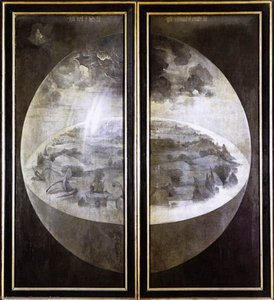
Hermit Saints Triptych (right panel)
 Acrylic On Canvas
- WallArt
- Late Medieval
 1505
1505 86.0 x 29.0 cm
 Palazzo Ducale
 Pročitajte više
Otkrijte Hieronimusa Boscha (oko 1450.-1516.), nizozemskog slikara poznatog po svojim fantastičnim i simboličkim djelima, uključujući 'Vrt zemaljskih užitaka'. Istražite njegov jedinstveni stil i utjecaj na umjetnost!
Ručno rađena uljana reprodukcija
Ručno oslikano uljanim bojama na platnu u dimenzijama i okviru po vašem izboru, izrađeno po narudžbi od strane naših umjetnika. ( Prebacite na prodaju printova Prebacite na digitalnu prodaju slika)




P118B €10

P118H €10

P118W €10

P438Z €10

P508JH €12

P508YH €12

P805H €10

P805Z €10

P919BZ €10

P919G €10

P919XJ €10

P959ZH €10

P968JZ €12

W106C €8

W218G €10

W218JH €8

W218Y €10

W307PJ €10

W316G €10

W316PJ €8

W316Y €10

W398PJ €8

W4111J €10

W500HY €15

W500JH €15

W692G €12

W849H €8

W940BG €15

W953PJ €8




Standardne dimenzije
prilagođeno po mjeri
CM
INCH
Odaberite jednu od naših unaprijed definiranih veličina koje odgovaraju izvornim proporcijama umjetničkog djela.
Loading sizes...

širina
visina
Unesite širinu i visinu koja vam je potrebna, kako bi odgovarali vašem okviru ili zidu. Budući da je ovo ručno oslikano djelo, umjetnik može malo proširiti rubove slike ili ih skratiti kako bi postigao željeni oblik — izbor je vaš. Prije početka slikanja poslat ćemo vam digitalni prikaz (mockup) radi potvrde. Slika prikazana na ovoj stranici ne predstavlja stvarni rezultat — samo digitalni prikaz to čini.
Primjeri onoga što se može promijeniti: Zamijenite lice fotografijom klijenta; Dodajte ljubimca (npr. zamijenite mačku psom); Uključite skrivenu poruku u pozadinu; Promijenite pejzaž ili elemente pozadine.
Nakon narudžbe, tim TopImpressionists.com kontaktirat će klijenta putem e-pošte radi dobivanja uputa te dostaviti probni prikaz (mockup)
Nakon narudžbe, tim TopImpressionists.com kontaktirat će klijenta putem e-pošte radi dobivanja uputa te dostaviti probni prikaz (mockup)
Isporuka širom svijeta () u roku od 3-4 tjedna umjesto standardnih 5 tjedana. (22 Listopad). Bez kompromisa u kvaliteti.

Besplatna ekspresna dostava širom svijeta

Visokokvalitetno laneno platno

Potpuno osiguranje transporta

Jamstvo povrata carine i uvoznih poreza

Jamstvo vjernosti boja

Politika povrata u roku od 100 dana (samo u slučaju nedostataka)

Jamstvo povrata 100% novca

Popust na više proizvoda
 Opcija stakla dostupna je samo za dimenzije manje od 110 cm

Hermit Saints Triptych (right panel)
Tehnika izrade
Veličina reprodukcije
-


Ukupna cijena
€ 235
A Vision of Wilderness Faith: Exploring Bosch’s Hermit Saints Triptych (Right Panel)
The Right Panel of Hieronymus Bosch's monumental *Hermit Saints Triptych*, completed around 1505, stands as a haunting testament to the anxieties and spiritual complexities of Renaissance Europe. More than just a depiction of biblical figures—Saint Jerome and Saint Augustine—Bosch’s masterful rendering captures a profound psychological landscape that continues to fascinate scholars and inspire artists today. This section delves into the painting's captivating narrative and artistic brilliance.The Scene: A Precarious Encounter
Painted in oil on panel, the triptych presents a dramatic tableau set within a claustrophobic cave illuminated by an unsettling greenish glow. At its center stands Saint Jerome, depicted with unwavering resolve as he confronts a grotesque creature—likely representing demonic influence—that attempts to intimidate him. Beside him is Augustine, equally steadfast, gazing intently at the same monstrous apparition. The positioning of these saints isn’t merely formal; it underscores their struggle against temptation and evil, mirroring the internal battles faced by individuals grappling with faith during this turbulent period. Bosch meticulously portrays the scene with unsettling realism, capturing not just physical details but also palpable tension.Bosch's Technique: Anatomical Precision Meets Surreal Horror
Bosch’s unparalleled skill lies in his ability to fuse anatomical accuracy—a hallmark of Netherlandish painting—with elements of fantastical horror and symbolic imagery characteristic of his distinctive style. The artist employs a glazing technique, layering thin washes of pigment over thicker underpaintings to achieve remarkable luminosity and depth. Notice the subtle gradations of color that define Augustine’s robe and Jerome’s face, demonstrating Bosch's meticulous attention to detail. However, this technical mastery serves a larger purpose: it amplifies the unsettling atmosphere of the cave and underscores the grotesque nature of the demonic presence. The artist utilizes chiaroscuro—the dramatic interplay of light and shadow—to heighten the sense of drama and emphasize the psychological torment experienced by the saints.Historical Context: Fear, Faith, and the Shadow of Darkness
Bosch’s *Hermit Saints Triptych* emerged during a time marked by significant religious upheaval. The Protestant Reformation was gaining momentum across Europe, challenging papal authority and sparking intense debates about theological doctrines. Simultaneously, anxieties surrounding demonic influence persisted—fueled by folklore and popular piety—reflecting a broader cultural preoccupation with evil and salvation. Bosch’s depiction of the cave and its monstrous inhabitant speaks directly to these concerns, portraying humanity's vulnerability before divine judgment and highlighting the pervasive threat of temptation. The painting serves as a powerful visual commentary on the spiritual struggles of the era.Symbolism: Decoding the Monstrous Gestures
The creature confronting Saint Jerome and Augustine is laden with symbolic significance. Scholars interpret it as representing sin, corruption, and the devil’s relentless assault on human virtue. Its grotesque features—twisted limbs, gaping maw, and piercing eyes—are deliberately designed to evoke horror and provoke contemplation. The cave itself symbolizes purgatory or hell—a place of torment and purification—where souls confront their failings before ascending to heaven. Bosch's masterful use of symbolism elevates the painting beyond mere representation, inviting viewers to engage in a deeper exploration of moral and spiritual themes.Emotional Impact: A Portrait of Inner Conflict
Ultimately, Bosch’s *Hermit Saints Triptych* transcends its formal elements to convey a profound emotional resonance. The painting captures the essence of existential anxiety—the awareness of mortality and the confrontation with evil—themes that resonate powerfully across centuries. It compels us to contemplate the fragility of human faith in the face of overwhelming darkness, prompting reflection on our own spiritual journeys. This reproduction offers an opportunity to experience the unsettling beauty and enduring intellectual significance of one of Bosch’s most iconic works.Pitanja i odgovori
Mogu li detaljnije pregledati "Hermit Saints Triptych (right panel)"?
Stranica Rentgenska snimka djela "Hermit Saints Triptych (right panel)" autora Jeroen Bosch je interaktivni preglednik koji vam omogućuje pregled kroz jedanaest optičkih slojeva slike umjetninog djela, uključujući i prikaz u stilu rentgenskog snimka.
Koji su format i dimenzije djela "Hermit Saints Triptych (right panel)"?
"Hermit Saints Triptych (right panel)" autora Jeroen Bosch ima proporcije Tall djela dimenzija 86 x 29 cm.
Kako se "Hermit Saints Triptych (right panel)" autora Jeroen Bosch može iskoristiti u uređenju doma?
"Hermit Saints Triptych (right panel)" autora Jeroen Bosch preporučuje se za Accent, idealno u Living Room. Namjena i prostor zajedno sugeriraju gdje reprodukcija najbolje pristaje.
Biografija umjetnika
Hieronymus Bosch – Een Mysterieus Kunstenaar
Bosch werd geboren rond 1450 in ’s- Hertogenbosch, een bruisende stad aan het einde van het Laatste Koninkrijk Brabant—een regio die tegenwoordig deel uitmaakt van Nederland—waar hij zijn hele leven woonde en werkte. Zijn geboorteplaats zou uiteindelijk inspiratie bieden voor zijn kunstenaarsnaam “Bosch”, wat verwijst naar zijn plaatselijke naamgeving. Zijn familie had een lange traditie in schilderkunst; zowel zijn vader als zijn grootvader waren ook kunstenaars, waardoor hij waarschijnlijk zijn vroegste opleiding binnen het gezin kreeg en de technieken en conventies van Nederlandse schilderkunst assimileerde. Maar zelfs al begon hij nog maar jong op zijn eigen manier af te wijken van gevestigde normen—een teken van een uitzonderlijk fantasievermogen dat zijn carrière zou definiëren—zijn leven bleef een bron van mysterie voor historici. Zijn exacte geboortedatum is niet vastgesteld, gebaseerd op een zelfportret dat hij kort voor zijn dood maakte in 1516. Het portret toont de kunstenaar in zijn latere jaren, wat suggereert dat hij rond het midden van de eeuw geboren was.Een Familie Traditie en Een Nieuwe Visie
Bosch kwam uit een familie met een lange geschiedenis binnen de kunstwereld. Zijn vader, Anthonius van Aken, oefende als kunstadviseur uit voor het Broederhuis van Onze Lieve Vrouw uit en werkte hij samen met zijn grootvader Jan van Aken—een andere bekroonde schilder—waardoor hij waarschijnlijk zijn vroegste opleiding binnen het gezin kreeg en de technieken en conventies van Nederlandse schilderkunst assimileerde. Ondanks dat weinig bekend is over zijn persoonlijke leven, werden er enkele belangrijke historische gegevens gevonden die een beeld geven van zijn kunstenaarschap. Hij trouwde met Aleid Goyaerts van den Meerveen rond 1481, een vrouw die iets ouder was dan hijzelf en waarvan de familie haar grote financiële middelen bezat—een factor die bijdroeg aan zijn financiële stabiliteit, maar weinig meer over zijn persoonlijke leven werd bekendgemaakt. Zijn huwelijk betekende dat hij een gezin had en dat Aleid’s familie hem ondersteunde bij het financieel beheren van zijn activiteiten. Een belangrijke historische bron is de administratie van het Broederhuis waar hij lid werd in 1486/87, waarbij hij samen met meer dan 350 andere leden uit Nederland en Duitsland werd toegelaten dat jaar. Een uitzonderlijke gebeurtenis was dat hij een erkende lid werd kort daarna—een feit dat bevestigt dat hij rond het midden van de eeuw geboren was. Zijn naam, “Jeroen Bosch”, verschijnt in dezelfde stijl als een document waarin de penvoerder een lijst maakte van de negen leden die regelmatig deelnamen aan het Swan Banquet elk jaar rond Kerstmis—een gebeurtenis die werd gehouden door het Broederhuis en waar hij een belangrijke rol speelde. Een vermelding in de administratie van het Broederhuis uit 1516 bevestigde dat een requiemmissie voor “Jeroen Bosch, erkende broeder” werd gehouden op 9 augustus 1516 in de kerk van Sint Johannes—een gebeurtenis die werd geleid door dominee Willem Hamaker, ondersteund door een diaken en subdiaken, met muziek verzorgd door een orgelspeler en koor. Zijn grafplaats is nog steeds onbekend, maar het wordt algemeen aangenomen dat hij werd begraven in de kerk binnenplaats, rechtstreeks bereikbaar vanuit het noordelijke transept.Een Unieke Schilderstijl
Bosch ontwikkelde een stijl die hem onderscheidt van zijn tijdgenoten en die nog steeds vandaag de dag fascineert en bekritiseerd wordt door kunsthistorici. Hij werkte voornamelijk met olie op oude eikenpanelen, waarbij hij een meesterlijke beheersing demonstreerde van het medium—waardoor hij prachtige kleuren en complexe texturen bereikte. Zijn vroegere werken laten invloeden zien van traditionele Nederlandse schilderkunst, vooral in hun realisme en aandacht voor detail, maar hij ging snel verder dan eenvoudige imitatie, waarbij hij een diep originele visie ontwikkelde. Zijn schilderijen zijn niet alleen representaties van de echte wereld; ze zijn allegorische landschappen die worden bevolkt door bizarre wezens, hybride soorten en verontrustende scènes die lijken te komen uit dromen—of nachtmerries. Hij gebruikte een combinatie van prachtige kleuren en complexe texturen om een stijl te creëren die hem onderscheidt van zijn tijdgenoten en die nog steeds vandaag de dag fascineert en bekritiseerd wordt door kunsthistorici. Zijn vroegere werken laten invloeden zien van traditionele Nederlandse schilderkunst, vooral in hun realisme en aandacht voor detail, maar hij ging snel verder dan eenvoudige imitatie, waarbij hij een diep originele visie ontwikkelde. Zijn schilderijen zijn niet alleen representaties van de echte wereld; ze zijn allegorische landschappen die worden bevolkt door bizarre wezens, hybride soorten en verontrustende scènes die lijken te komen uit dromen—of nachtmerries. Hij gebruikte een combinatie van prachtige kleuren en complexe texturen om een stijl te creëren die hem onderscheidt van zijn tijdgenoten en die nog steeds vandaag de dag fascineert en bekritiseerd wordt door kunsthistorici. Zijn vroegere werken laten invloeden zien van traditionele Nederlandse schilderkunst, vooral in hun realisme en aandacht voor detail, maar hij ging snel verder dan eenvoudige imitatie, waarbij hij een diep originele visie ontwikkelde. Zijn schilderijen zijn niet alleen representaties van de echte wereld; ze zijn allegorische landschappen die worden bevolkt door bizarre wezens, hybride soorten en verontrustende scènes die lijken te komen uit dromen—of nachtmerries. Hij gebruikte een combinatie van prachtige kleuren en complexe texturen om een stijl te creëren die hem onderscheidt van zijn tijdgenoten en die nog steeds vandaag de dag fascineert en bekritiseerd wordt door kunsthistorici. Zijn vroegere werken laten invloeden zien van traditionele Nederlandse schilderkunst, vooral in hun realisme en aandacht voor detail, maar hij ging snel verder dan eenvoudige imitatie, waarbij hij een diep originele visie ontwikkelde. Zijn schilderijen zijn niet alleen representaties van de echte wereld; ze zijn allegorische landschappen die worden bevolkt door bizarre wezens, hybride soorten en verontrustende scènes die lijken te komen uit dromen—of nachtmerries. Hij gebruikte een combinatie van prachtige kleuren en complexe texturen om een stijl te creëren die hem onderscheidt van zijn tijdgenoten en die nog steeds vandaag de dag fascineert en bekritiseerd wordt door kunsthistorici. Zijn vroegere werken laten invloeden zien van traditionele Nederlandse schilderkunst, vooral in hun realisme en aandacht voor detail, maar hij ging snel verder dan eenvoudige imitatie, waarbij hij een diep originele visie ontwikkelde. Zijn schilderijen zijn niet alleen representaties van de echte wereld; ze zijn allegorische landschappen die worden bevolkt door bizarre wezens, hybride soorten en verontrustende scènes die lijken te komen uit dromen—of nachtmerries. Hij gebruikte een combinatie van prachtige kleuren en complexe texturen om een stijl te creëren die hem onderscheidt van zijn tijdgenoten en die nog steeds vandaag de dag fascineert en bekritiseerd wordt door kunsthistorici. Zijn vroegere werken laten invloeden zien van traditionele Nederlandse schilderkunst, vooral in hun realisme en aandacht voor detail, maar hij ging snel verder dan eenvoudige imitatie, waarbij hij een diep originele visie ontwikkelde. Zijn schilderijen zijn niet alleen representaties van de echte wereld; ze zijn allegorische landschappen die worden bevolkt door bizarre wezens, hybride soorten en verontrustende scènes die lijken te komen uit dromen—of nachtmerries. Hij gebruikte een combinatie van prachtige kleuren en complexe texturen om een stijl te creëren die hem onderscheidt van zijn tijdgenoten en die nog steeds vandaag de dag fascineert en bekritiseerd wordt door kunsthistorici. Zijn vroegere werken laten invloeden zien van traditionele Nederlandse schilderkunst, vooral in hun realisme en aandacht voor detail, maar hij ging snel verder dan eenvoudige imitatie, waarbij hij een diep originele visie ontwikkelde. Zijn schilderijen zijn niet alleen representaties van de echte wereld; ze zijn allegorische landschappen die worden bevolkt door bizarre wezens, hybride soorten en verontrustende scènes die lijken te komen uit dromen—of nachtmerries. Hij gebruikte een combinatie van prachtige kleuren en complexe texturen om een stijl te creëren die hem onderscheidt van zijn tijdgenoten en die nog steeds vandaag de dag fascineert en bekritiseerd wordt door kunsthistorici. Zijn
Jeroen Bosch
1450 - 1516 , Nizozemska
Brzi pregled
- Artistic Movement Or Style: Surrealizam i simbolizam
- Artists Or Movements Influenced By This Artist: ['Pieter Bruegel']
- Date Of Birth: c. 1450
- Date Of Death: 1516
- Full Name: Hieronymus Bosch
- Nationality: Nizozemski
- Notable Artworks:
- Tuin der Lusten
- Het Laatste Oordeel
- Ascent of the Blessed
- Place Of Birth: Den Bosch, Nizozemska
Povezani članci

Mastering Light & Shadow: A Journey Through the Dutch Golden Age's Luminous Legacy
Embark on a cultural journey through the Dutch Golden Age. Explore the masterful interplay of light and shadow in 17th-century masterpieces, from Rembrandt to Vermeer, and discover how this era of profound realism continues to inspire fine art collectors today.

Golden Light & Dutch Skies: The Timeless Magic of Dutch Golden Age Landscapes
Discover the breathtaking beauty of Dutch Golden Age landscapes. Explore the mastery of light, chiaroscuro, and 17th-century realism through an expert art history lens, celebrating the enduring legacy of the Dutch Masters for discerning collectors and art lovers.
Istražite umjetnička djela organizirana prema temama, stilovima i karakteristikama.