


 Pregledaj u stvarnoj veličini
 Podijeli
 Podijeli
 Detalji
 Vodič
Vodič

 Preuzmi datoteku
 Slični predmeti
 Rentgenska snimka
 Slide show
 Statistika
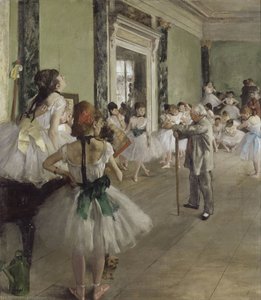
The Dancing Class
 Ulje na platnu
- Zidna umjetnost
- Impressionistic Realism
 1870
1870- 19. stoljeće
 20.0 x 27.0 cm
 Muzej umjetnosti Metropolitan
Poznata djela Edgara Degasa – "The Dancing Class" prikazuju život baleta u Parizu kroz dinamične pokrete i nostalgiju. Klasika impresionizma!
 Pročitajte više
Edgar Degas: Francuski revolucionar poznat po očaratih baletnih plesača i gradskim pejzažima, pravi majstor moderne umjetnosti.
Ručno rađena uljana reprodukcija
Ručno oslikano uljanim bojama na platnu u dimenzijama i okviru po vašem izboru, izrađeno po narudžbi od strane naših umjetnika. ( Prebacite na prodaju printova Prebacite na digitalnu prodaju slika)




P118B €10

P118H €10

P118W €10

P438Z €10

P508JH €12

P508YH €12

P805H €10

P805Z €10

P919BZ €10

P919G €10

P919XJ €10

P959ZH €10

P968JZ €12

W106C €8

W218G €10

W218JH €8

W218Y €10

W307PJ €10

W316G €10

W316PJ €8

W316Y €10

W398PJ €8

W4111J €10

W500HY €15

W500JH €15

W692G €12

W849H €8

W940BG €15

W953PJ €8




Standardne dimenzije
prilagođeno po mjeri
CM
INCH
Odaberite jednu od naših unaprijed definiranih veličina koje odgovaraju izvornim proporcijama umjetničkog djela.
Loading sizes...

širina
visina
Unesite širinu i visinu koja vam je potrebna, kako bi odgovarali vašem okviru ili zidu. Budući da je ovo ručno oslikano djelo, umjetnik može malo proširiti rubove slike ili ih skratiti kako bi postigao željeni oblik — izbor je vaš. Prije početka slikanja poslat ćemo vam digitalni prikaz (mockup) radi potvrde. Slika prikazana na ovoj stranici ne predstavlja stvarni rezultat — samo digitalni prikaz to čini.
Primjeri onoga što se može promijeniti: Zamijenite lice fotografijom klijenta; Dodajte ljubimca (npr. zamijenite mačku psom); Uključite skrivenu poruku u pozadinu; Promijenite pejzaž ili elemente pozadine.
Nakon narudžbe, tim TopImpressionists.com kontaktirat će klijenta putem e-pošte radi dobivanja uputa te dostaviti probni prikaz (mockup)
Nakon narudžbe, tim TopImpressionists.com kontaktirat će klijenta putem e-pošte radi dobivanja uputa te dostaviti probni prikaz (mockup)
Isporuka širom svijeta () u roku od 3-4 tjedna umjesto standardnih 5 tjedana. (22 Listopad). Bez kompromisa u kvaliteti.

Besplatna ekspresna dostava širom svijeta

Visokokvalitetno laneno platno

Potpuno osiguranje transporta

Jamstvo povrata carine i uvoznih poreza

Jamstvo vjernosti boja

Politika povrata u roku od 100 dana (samo u slučaju nedostataka)

Jamstvo povrata 100% novca

Popust na više proizvoda
 Opcija stakla dostupna je samo za dimenzije manje od 110 cm

The Dancing Class
Tehnika izrade
Veličina reprodukcije
-


Ukupna cijena
€ 346
“The Dancing Class”: A Moment Frozen in Time
Edgar Degas’s “The Dancing Class,” painted around 1870, stands as a cornerstone of Impressionist art and offers a captivating glimpse into the world of ballet practice during Paris’s vibrant cultural landscape. More than just a depiction of dancers, it's an exploration of dedication, observation, and the subtle nuances of artistic endeavor – qualities that continue to resonate with audiences today.
Subject Matter and Composition
The painting transports us into a ballet studio bathed in soft light—a space remarkably ordinary yet imbued with significance. Approximately twenty ballerinas occupy the room, engaged in various preparatory activities: adjusting shoes, stretching muscles, meticulously rehearsing steps, or simply contemplating their surroundings. Degas’s genius lies not in grand theatrical staging but in capturing an authentic snapshot of daily life within this artistic milieu. The composition eschews rigid perspective; instead, it prioritizes a flattened space that emphasizes movement and creates a feeling of immediacy—a deliberate departure from the conventions of academic painting.
Impressionistic Technique and Style
“The Dancing Class” exemplifies Degas’s evolving artistic style, foreshadowing his later mastery of pastel mediums while firmly rooted in oil paint on canvas. The color palette is dominated by warm browns and ochres—tones that evoke a sense of nostalgia and subtly illuminate the studio's interior. Visible brushstrokes are deliberately loose and textured, contributing to the overall Impressionist aesthetic. These marks aren’t meant to meticulously reproduce reality but rather to convey feeling and atmosphere; they capture the ephemeral quality of light and movement with remarkable sensitivity.
Historical Context and Symbolism
Painted during a period of burgeoning modernity in Paris, “The Dancing Class” reflects the growing fascination with ballet as both an art form and a symbol of Parisian elegance. Degas’s decision to portray dancers engaged in rehearsal—rather than performing onstage—was innovative for his time, signaling a shift away from idealized representations toward a more honest depiction of artistic life. The painting subtly speaks to themes of perseverance, discipline, and the pursuit of excellence – values that remain central to the ballet tradition.
Emotional Impact and Legacy
"The Dancing Class" evokes a profound sense of intimacy and quiet contemplation. Its muted colors, combined with Degas’s masterful portrayal of movement and observation, invite viewers to consider not only the visual beauty of the scene but also its deeper emotional resonance. It serves as an enduring testament to Degas's artistic vision—a pioneering work that established him as a pivotal figure in Impressionist art and continues to inspire artists and collectors alike.
Pitanja i odgovori
Kako se emocija i prigoda za darivanje spajaju kod djela "The Dancing Class" autora Hilaire Germain Edgar Degas?
"The Dancing Class" nosi Nostalgičan osjećaj, a njegova preporučena namjena kao poklon je Godišnjica.
Pripada li "The Dancing Class" kojoj periodi karijere umjetnika Hilaire Germain Edgar Degas?
"The Dancing Class" pripada Early Impressionism u karijeri umjetnika Hilaire Germain Edgar Degas. Ova klasifikacija povezuje djelo s umjetnikovim razvojom.
Kakvih je proporcija "The Dancing Class" autora Hilaire Germain Edgar Degas i koje su mu dimenzije?
Format djela "The Dancing Class" je Vodoravno, a izvornik dimenzija iznosi 20 x 27 cm. Oba su podatka korisna prilikom planiranja reprodukcije.
Srodna umjetnička djela


Biografija umjetnika
Život Uronjen u Pokret: Edgar Degas
Rođen kao Hilaire-Germain-Edgar De Gas 1834. godine u Parizu, Edgar Degas bio je umjetnik čudnih proturječnosti. Iako ga se često svrstavaju uz impresioniste – Moneta, Renoara i druge koji su revolucionirali slikarstvo u kasnom 19. stoljeću – on je aktivno odbijao tu oznaku, identificirajući se umjesto toga kao realizam. Ta predanost proizlazi iz njegove pomatne opservacije svijeta oko njega i posvećenosti prikazivanju istog s nepopustljivom iskrenošću. Degasov raniji život bio je udoban, buržoaski; njegov otac je bio bankar, a majka poticala iz kreolske obitelji iz New Orleansa. Ta pozadina omogućila mu je pristup obrazovanju i umjetničkom osposobljavanju, iako se često bunio protiv akademskih ograničenja. U početku se upisao na Lycée Louis-le-Grand, ali njegovo pravo školovanje započelo je kada je počeo prepisati djela u Louvru, usavršavajući svoje vještine i potičući dugotrajnu strast prema klasičnoj umjetnosti. Međutim, Degasova staza nije bila jedna od stroge pridržavanja tradicije; obilježila ju je stalno upitovanje i reevaluacija umjetničkih normi. Posjedovao je neovisni duh koji će definirati cijelu njegovu karijeru.Izvan Impresionizma: Jedinstvena Umjetnička Vizija
Dok su suvremenici poput Moneta lovili prolazne efekte svjetlosti na otvorenom, Degas je uglavnom radio unutar okvira svog ateljea, pomno konstruirajući scene iz promatranja i sjećanja. Njegova tematika bila je odlučno moderna – odmak od povijesnih ili mitoloških tema koje su preferirali mnogi akademski slikari. Inspiraciju je nalazio u svakodnevnom životu parižana: pralja, pjevačica kabarea, modistkinja i, najpoznatije, plesača. Upravo ta fascinacija baletom definira veći dio njegova opusa. Degas nije samo slao lijepe balerine; uhvaćeno je iscrpljujuća stvarnost njihove profesije – beskrajni proba, fizički napor, prolazni trenuci gracioznosti usred svijeta napornog rada. Njegovi su aranžmani često nekonvencionalni, izrezujući figure na neočekivane načine i koristeći asimetrične rasporede koji stvaraju osjećaj dinamike i neposrednosti. Bio je majstor u hvatanju pokreta, ne kroz zamućene linije ili mutne efekte, već putem precizne opservacije i pažljivog prikazivanja oblika. Plesačica, Grupa plesača i Žene češljaju kosu vrhunski su primjeri te posvećenosti prikazivanju ljudske figure u pokretu i otkrivanju složenosti modernog života. Nije bio zainteresiran za površinsku ljepotu; nastojao je otkriti istinu ispod površine.Utjecaji i Umjetnički Razvoj
Degasovo umjetničko putovanje oblikovale su raznolike utjecaje. Njegovo rano školovanje naglasilo je klasične principe, posebno djela Jean-Auguste-Dominique Ingresa, čiji je naglasak na crtežu i preciznom obliku ostavio trajan dojam. Međutim, Degas je također divio se realizistima, poput Gustava Courbeta, koji su osporavali akademske konvencije i promicali prikazivanje suvremenog života. Ključni trenutak u njegovom razvoju nastao je kroz njegovo povezivanje s Camille Pissarrom, vodećim impresionistom koji ga je upoznao s drugim umjetnicima i potaknuo na eksperimentiranje sa novim tehnikama. Bio je očaran japanskim tiskovima – Ukiyo-e – koji su utjecali na njegovu upotrebu asimetričnih kompozicija, spljoštenih perspektiva i hrabrim uzorcima. Primio je i fotografiju, prepoznajući njezin potencijal kao alata za proučavanje pokreta i hvatanje prolaznih trenutaka u vremenu. Ta spremnost na uključivanje raznolikih utjecaja u svoj rad ono je što izdvaja Degasa i doprinosi jedinstvenom karakteru njegove umjetnosti. Nije se bojao pozajmljivati iz različitih izvora, sintetizirajući ih u nešto potpuno novo.Nasljeđe i Trajni Utjecaj
Edgar Degas umro je u Parizu 1917. godine, ostavivši iza sebe djelo koje i danas nastavlja fascinirati i inspirirati publiku. Njegov inovativni pristup kompoziciji, njegova majstorska crtačka vještina i njegov nepopustljiv prikaz modernog života imali su dubok utjecaj na tijek povijesti umjetnosti. Pripremio je put budućim generacijama umjetnika koji su težili osloboditi se tradicionalnih konvencija i istražiti nove načine predstavljanja svijeta oko njih. Njegov utjecaj može se vidjeti u djelima Pabla Picassa i Henria Matissea, među drugima. Muzeji diljem svijeta – uključujući Musée d'Orsay i Musée de l’Orangerie u Parizu – čuvaju značajne zbirke njegovih slika, pastela, skulptura i grafika, osiguravajući da će njegovo nasljeđe trajati generacijama. Degas nije bio samo slikar plesača ili trkačkih konja; bio je oštar promatrač ljudske prirode, majstor oblika i pokreta te pravi inovator koji je redefinirao mogućnosti umjetnosti.- Majstor Linije: Degasova izuzetna crtačka vještina izdvajala ga je.
- Moderan Život kao Tema: Fokusirao se na pariške scene, odbacujući tradiciju.
- Utjecaj na Buduće Umjetnike: Njegovo djelo duboko je utjecalo na Picassa i Matissea.

Hilaire Germain Edgar Degas
1834 - 1917 , Francuska
Brzi pregled
- Artistic Movement Or Style: Impressionizam, Realizam
- Artists Or Movements Influenced By This Artist:
- Pablo Picasso
- Henri Matisse
- Artists Who Influenced This Artist:
- Jean-Auguste-Dominique Ingres
- Gustave Courbet
- Camille Pissarro
- Date Of Birth: 1834
- Date Of Death: 1917
- Full Name: Hilaire Germain Edgar De Gas
- Nationality: Francuski
- Notable Artworks:
- Dancer i Tamburina
- Balet Klasa
- Degas u Zelenoj Jaketi
- Kolekcionar
- Žene Česanjem Kosom
- Place Of Birth: Paris, Francija
Povezani članci

Romantic Realism's Finest: 10 Masterpieces for Your Home | TopImpressionists
Explore 10 defining masterpieces of Romantic Realism! Discover Courbet, Millet & Daumier's powerful paintings—capturing emotion and social realities. Find museum-quality reproductions for your home at TopImpressionists.com.

Paul Cézanne: 25 Remek-djela koji su promijenili svijet umjetnosti | TopImpressionists
Uronite u svijet Paula Cézanna! Otkrijte 25 remek-djela impresionizma i postimpresionizma. Saznajte priče iza slika, tehnike i inspiracije ovog francuskog umjetnika. Reprodukcije vrhunske kvalitete dostupne na TopImpressionists.com

10 Remek-djela Impresionizma koji su definirali umjetnički pokret | TopImpressionists
Uronite u svijet impresionizma! Otkrijte 10 remek-djela Claude Moneta, Renoir-a i Van Gogha. Povijest umjetnosti, tehnike slikanja i inspiracija za dekoraciju interijera čekaju vas na TopImpressionists.com. Pronađite reprodukcije vrhunske kvalitete!

The Allure of Intricacy: Detail as Subject, Style & Narrative Force in Art History
Explore the captivating history of detail in art, from Realism's tangible world to Degas' ballet scenes. Discover how specificity shapes narrative & value. Expert insights for discerning collectors.

Edgar Degas: Capturing Modern Life – A Study of Movement, Observation, and the Parisian Belle Époque
Explore the captivating world of Edgar Degas! Discover his innovative techniques, iconic ballet paintings, and unique portrayal of Parisian life in this insightful art history study.
Istražite umjetnička djela organizirana prema temama, stilovima i karakteristikama.


