


 Pregledaj u stvarnoj veličini
 Podijeli
 Podijeli
 Detalji
 Vodič
Vodič

 Preuzmi datoteku
 Slični predmeti
 Rentgenska snimka
 Slide show
 Statistika
The Ponte Solario
 Oil On Canvas
- WallArt
- Romantic Landscape
 1775
1775- Early Modern
 91.0 x 121.0 cm
 National Gallery of Art
Experience Romantic decay with Hubert Robert's 1775 vision of The Ponte Solario, capturing sublime ruins bathed in atmospheric light; discover this masterpiece today.
 Pročitajte više
Hubert Robert (1733-1808): Francuski slikar ruševina i vizionarskih krajolika. Majstor *capriccia*, spajao povijest, propadanje i maštu u nezaboravne prizore. Istražite njegovo djelo!
Giclée / Umjetnički otisak
Giclée tisak muzejske kvalitete ili otisak na platnu uz brzu proizvodnju i fleksibilne opcije završne obrade. ( Naručite ručno oslikano reprodukciju Prebacite na digitalnu prodaju slika)




P118B $10

P118H $10

P118W $10

P438Z $10

P508JH $12

P508YH $12

P805H $10

P805Z $10

P919BZ $10

P919G $10

P919XJ $10

P959ZH $10

P968JZ $12

W106C $8

W218G $10

W218JH $8

W218Y $10

W307PJ $10

W316G $10

W316PJ $8

W316Y $10

W398PJ $8

W4111J $10

W500HY $15

W500JH $15

W692G $12

W849H $8

W940BG $15

W953PJ $8




Standardne dimenzije
prilagođeno po mjeri
CM
INCH
Odaberite jednu od naših unaprijed definiranih veličina koje odgovaraju izvornim proporcijama umjetničkog djela.
Loading sizes...

širina
visina
Možete unijeti vlastite dimenzije kako biste umjetničko djelo prilagodili specifičnom okviru ili prostoru. Ako odabrana veličina ne odgovara proporcijama izvornog rada, izrezat ćemo dio slike ili je proširiti pomoću ogledalnog efekta ili jednobojne rubne površine. Digitalni prikaz (mockup) bit će vam poslan na odobrenje prije početka proizvodnje.
Imajte na umu da pregled na zaslonu ne odražava stvarno izrezivanje ili proširivanje. Samo će mockup točno prikazati konačnu kompoziciju.
Iako su dostupne prilagođene veličine, preporučujemo odabir dimenzije iz unaprijed definirane liste kako biste očuvali izvorne proporcije.
Dostava širom svijeta () u roku od 2 tjedna umjesto standardnih 4/5 tjedana. (26 Rujan)

Besplatna ekspresna dostava širom svijeta

Visokokvalitetno laneno platno

Potpuno osiguranje transporta

Jamstvo povrata carine i uvoznih poreza

Jamstvo vjernosti boja

Politika povrata u roku od 100 dana (samo u slučaju nedostataka)

Jamstvo povrata 100% novca

Popust na više proizvoda
 Opcija stakla dostupna je samo za dimenzije manje od 110 cm

The Ponte Solario
Giclée / Umjetnički otisak
Veličina reprodukcije
-


Ukupna cijena
$ 69
The Ponte Solario: A Vision of Decay Embraced by Romantic Light
Hubert Robert’s “The Ponte Solario,” completed in 1775, stands as a cornerstone of Romantic landscape painting—a genre that prioritized emotion and imagination over strict adherence to classical ideals. More than just a depiction of crumbling stone and weathered timbers, the canvas embodies Robert's fascination with ruins as symbols of time’s relentless passage and the sublime beauty inherent in decay.
Subject Matter and Composition
The painting portrays a magnificent castle perched atop a rocky promontory overlooking a tranquil lake. A graceful bridge spans across the water, connecting the castle to the shore—a deliberate compositional element that reinforces the sense of grandeur juxtaposed with vulnerability. Scattered boats dot the surface of the lake, adding dynamism and hinting at human presence within this desolate landscape.
Style and Technique: Romantic Impressionism
Robert’s approach aligns closely with the burgeoning Romantic movement, anticipating elements of Impressionism decades before its formal emergence. He eschewed meticulous detail in favor of capturing fleeting atmospheric effects—the diffused light filtering through mist, the subtle gradations of color reflecting off the stone surfaces. Robert skillfully employed a technique known as “plein air” painting, venturing outdoors to directly observe and render the natural world, prioritizing immediacy and sensory experience.
Historical Context: The Enlightenment’s Shadow
Robert's work emerged during the waning years of the Enlightenment, a period characterized by rational thought and scientific inquiry. However, Robert actively resisted these dominant intellectual currents, embracing instead the emotional power of imagination and memory—themes central to Romantic aesthetics. He drew inspiration from the ruins of Roman temples and villas, reflecting a broader cultural preoccupation with antiquity and its perceived moral lessons. The painting speaks to a yearning for beauty amidst ruin, mirroring anxieties about mortality and the inevitable decline of civilization.
Symbolism: Decay as Beauty
Robert’s masterful use of light and shadow elevates decay beyond mere physical deterioration; it becomes an emblem of spiritual transformation. The crumbling castle represents not just structural weakness but also the fading glory of aristocratic power—a poignant commentary on societal change. Yet, the pervasive luminescence imbues the scene with a sense of serenity and wonder, suggesting that even in ruin, beauty persists—a profound meditation on the cyclical nature of existence.
Emotional Impact
"The Ponte Solario" evokes a powerful emotional response in viewers. Its melancholic atmosphere invites contemplation on themes of loss, remembrance, and acceptance. The painting’s luminous palette captures the sublime grandeur of nature while simultaneously conveying a sense of poignant solitude—a testament to Robert's ability to translate complex psychological ideas into visually arresting imagery.
Biografija umjetnika
A Painter of Ruins and Visions: The World of Hubert Robert
Hubert Robert, čije je ime sinonim za evocativne krajolike i romantični šarm ruševina, zauzima jedinstvenu poziciju u francuskoj umjetnosti 18. stoljeća. Rođen u Parizu 1733. godine, njegov život se odvijao na pozadini promjenjivih umjetničkih stilova i monumentalnih povijesnih prevrata – od raziglane elegancije Rokokoa do zore Neoklasicizma, a zatim kroz burne godine Francuske revolucije. On nije samo bilježio propadanje; stvarao je vizije, spajajući promatranje s maštom kako bi stvorio scene koje su odjekivale nostalgijom za prošlošću i iščekivanjem budućnosti. Njegovo putovanje započelo je u strukturiranom svijetu umjetničkog obrazovanja, prvo pod skulptorom Michel-Ange Slodtzom, koji je prepoznao Robertov talent, ali ga mudro usmjerio prema slikarstvu, osjećajući da mu se prava poziv nalazi u hvatanju svjetla, atmosfere i suptilne poezije forme.Rimski snovi: Oblikovanje umjetničkog identiteta
Pivotalni trenutak u Robertovom umjetničkom razvoju dogodio se njegovim dugotrajnim boravkom u Rimu 1754. godine. Prateći Étienne-François de Choiseula, uronio je u svijet prožet poviješću i arhitektonskom veličinom. Jedanaest godina Drevni grad postao je njegov studio na otvorenom, a njegove rušećine, impozantna vrata i obrasla dvorišta potaknuli su njegovu maštu. To nije bilo samo o replikaciji onoga što je vidio; radilo se o interpretiranju, ponovnoj zamisli i prožimanju scene osjećajem melankolične ljepote. Radio je uz Giovannija Paola Paninija, čiji je utjecaj vidljiv u Robertovim ranim *capriccio* kompozicijama – fantastičnim pogledima koji su stavljali klasične ruševine i suvremeni život jedne pored drugih. Međutim, Robert se brzo oslobodio imitacije, razvijajući vlastiti prepoznatljiv stil karakteriziran minucioznim detaljima, atmosferskom perspektivom i dubokom osjetljivošću na igru svjetla i sjene. On nije samo slikao ruševine; slikao je samo vrijeme, hvatajući bolnu ljepotu prolaznosti i trajna snaga sjećanja. Njegove skice iz tog razdoblja su neprocjenjivi zapisi njegovih promatranja, ispunjeni detaljnim studijama rimskih znamenitosti poput Ville d'Este i Caprarole, pokazujući oštar pogled za arhitektonsku nijansu i kompoziciju krajolika.Pariski prijem i kraljevska zaštita
Robertov povratak u Pariz 1765. godine označio je prekretnicu u njegovoj karijeri. Brzo je stekao priznanje unutar umjetničke zajednice, osiguravši ulazak u Académie Royale de Peinture et de Sculpture s djelom “Luka Rima, ukrašena različitim spomenicima arhitekture, drevne i moderne.” Njegove sljedeće izložbe na Salonu izazvale su opći pljesak, očaravajući publiku evocativnim prikazima ruševina i slikovitih krajolika. Denis Diderot, istaknuta figura prosvjetiteljstva, pohvalio je veličanstvenost koju su Robertove slike pobudile, prepoznajući njegovu sposobnost da prenese gledatelje u drugo vrijeme i mjesto. Ovaj uspjeh doveo je do kraljevske zaštite, s narudžbama za dekorativne projekte i imenovanjem “Dizajnerom kraljevskih vrtova”, a kasnije “Čuvarom kraljevih slika”. Postao je traženi umjetnik, ne samo zbog svojih slika na platnu, već i zbog inovativnih dizajna za vrtove i palačinske interijere. Njegov rad rezonirao je s prevladajućim ukusom za *capriccio* slikarstvo – žanru koji se svidio kolekcionarima fasciniranim poviješću, arheologijom i pitoresknim – ali ga je Robert obogatio jedinstvenom osjetljivošću, podižući ga iznad pukle dekorativne umjetnosti.Revolucija, otpornost i trajno nasljeđe
Francuska revolucija predstavljala je bez presedana izazov za Roberta. Dok se mnogi umjetnici borili da pronađu put kroz burnu političku klimu, on se našao uhvaćen u proturječnim strujama promjena. Bio je čak i zatvoren tijekom vladavine terora, potresno iskustvo koje ga je ipak nadahnulo na niz crteža koji su dokumentirali njegovo vrijeme u zatvoru. Iznenađujuće, nastavio je neumorno slikati tijekom tog razdoblja, pokazujući nepokolebljivu predanost svojoj umjetnosti. Nakon revolucije, Robert je imenovan kustosom novoustanovljenog Muséum Central des Arts – budućeg Musée du Louvrea – svjedočanstvo njegove stručnosti i posvećenosti očuvanju kulturnog nasljeđa. Imao je ključnu ulogu u organiziranju i katalogiziranju muzejske zbirke, osiguravajući da su francuska umjetnička blaga zaštićena za buduće generacije. Hubert Robert umro je u Parizu 1808. godine, ostavljajući iza sebe izvanredno djelo koje nastavlja nadahnjivati divljenje i strahopoštovanje. Njegovo nasljeđe ne leži samo u njegovoj tehničkoj vještini, već i u njegovoj jedinstvenoj sposobnosti da spoji povijesnu točnost s maštovitom vizijom. Pionir je žanra slikarstva koji je proslavio ljepotu propadanja i trajna snaga ljudske kreativnosti, učvršćujući svoj položaj kao ključna figura koja povezuje Rokoko i Neoklasicizam te predviđa aspekte romantizma sa svojim zanimanjem za povijest i maštu.- Ključni utjecaji: Giovanni Paolo Panini, Piranesi, arhitektonski krajolik Rima.
- Glavne teme: Ruševine, krajolici, *capriccio* slike, povijesno sjećanje, protok vremena.
- Umjetnički stil: Minuciozni detalji, atmosferska perspektiva, evocativno osvjetljenje, spajanje promatranja i mašte.

Hubert Robert
1733 - 1808 , Francuska
Brzi pregled
- Datum Rođenja: 22. svibnja 1733.
- Datum Smrti: 15. travnja 1808.
- Državljanstvo: Francuz
- Mjesto Rođenja: Pariz, Francuska
- Puno Ime: Hubert Robert
- Umjetnici Pod Utjecajem: ['Romantizam']
- Umjetnički Pokret: Romantizam, Neoklasicizam
- Utjecajni Umjetnici:
- Giovanni Panini
- Piranesi
- Značajna Djela:
- Luka u Rimu
- Let Galatee
- Galerija Louvrea
Povezani članci
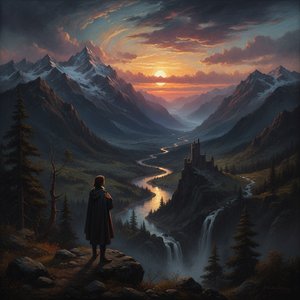
Capturing the Soul: The Emotional Majesty and Sublime Power of Romantic Landscape Painting
Explore the profound emotional depth of Romantic landscape painting. Discover how masters like Turner and Friedrich captured the sublime power of nature through intuition and imagination in this expert art history retrospective.

Capturing the Soul: The Emotional Magic and Sublime Grandeur of Romantic Landscape Painting
Explore the profound emotional depth of Romantic landscape painting. Discover how masters like Friedrich and Turner captured the sublime through light, shadow, and nature's power in this expert art history retrospective for discerning collectors.