

 Pregledaj u stvarnoj veličini
 Podijeli
 Podijeli
 Detalji
 Vodič
Vodič

 Preuzmi datoteku
 Slični predmeti
 Rentgenska snimka
 Slide show
 Statistika
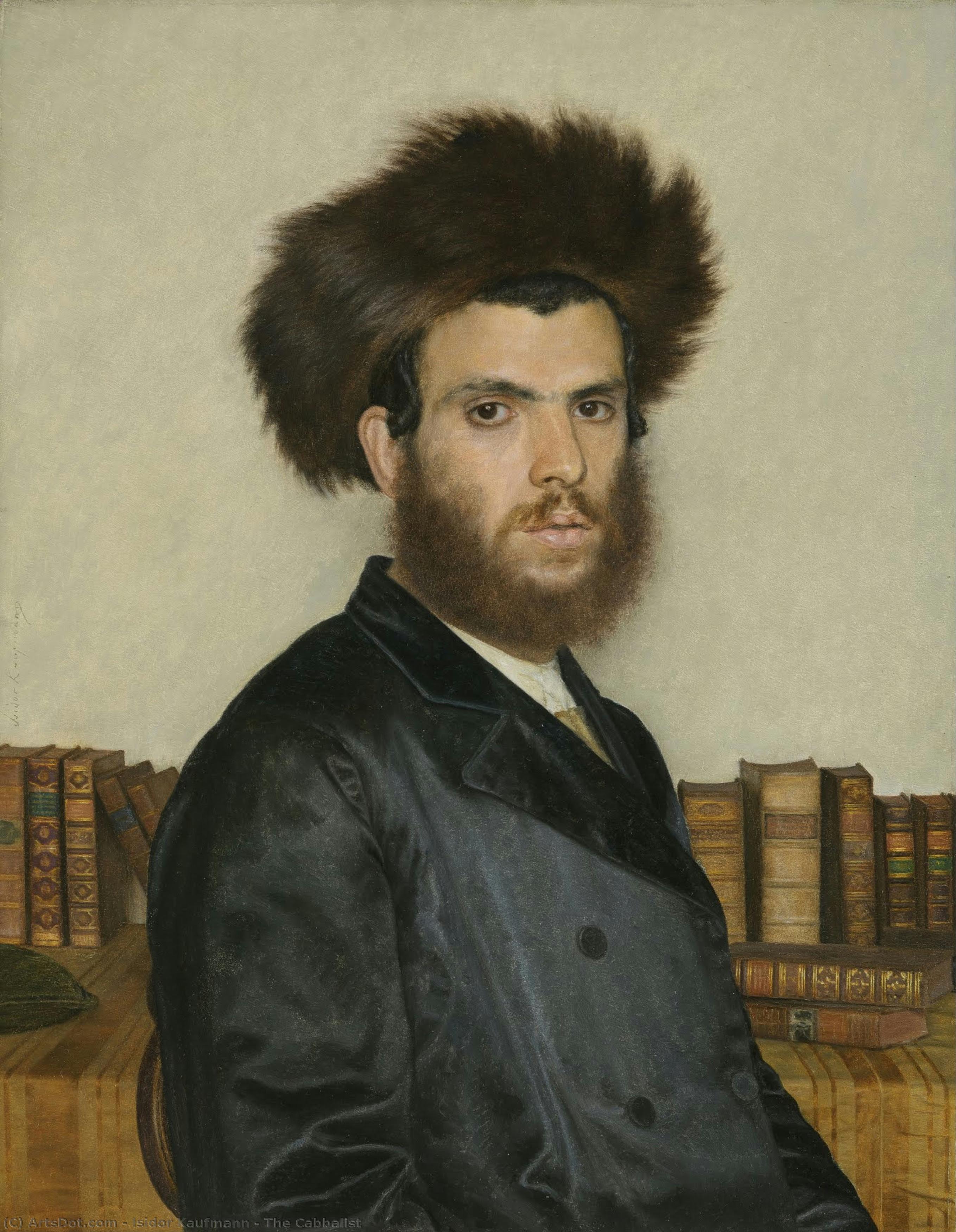
The Cabbalist
 Acrylic On Canvas
- WallArt
- Realism
 1910
1910- 19th Century
 44.0 x 35.0 cm
 Židovski muzej
A poignant 1910 portrait by Isidor Kaufmann captures a Jewish scholar immersed in Cabbalistic studies, showcasing the artist’s masterful depiction of Hasidic life in Eastern Europe. Discover this evocative artwork and bring its rich history into your space.
 Pročitajte više
Otkrijte dirljiva žanrovska djela Isidora Kaufmanna koja prikazuju židovski život u Istočnoj Europi. Istražite njegova evokativna umjetnička djela koja prikazuju hazidjske zajednice i povijesne trenutke.
Giclée / Umjetnički otisak
Giclée tisak muzejske kvalitete ili otisak na platnu uz brzu proizvodnju i fleksibilne opcije završne obrade. ( Naručite ručno oslikano reprodukciju Prebacite na digitalnu prodaju slika)




P118B $10

P118H $10

P118W $10

P438Z $10

P508JH $12

P508YH $12

P805H $10

P805Z $10

P919BZ $10

P919G $10

P919XJ $10

P959ZH $10

P968JZ $12

W106C $8

W218G $10

W218JH $8

W218Y $10

W307PJ $10

W316G $10

W316PJ $8

W316Y $10

W398PJ $8

W4111J $10

W500HY $15

W500JH $15

W692G $12

W849H $8

W940BG $15

W953PJ $8




Standardne dimenzije
prilagođeno po mjeri
CM
INCH
Odaberite jednu od naših unaprijed definiranih veličina koje odgovaraju izvornim proporcijama umjetničkog djela.
Loading sizes...

širina
visina
Možete unijeti vlastite dimenzije kako biste umjetničko djelo prilagodili specifičnom okviru ili prostoru. Ako odabrana veličina ne odgovara proporcijama izvornog rada, izrezat ćemo dio slike ili je proširiti pomoću ogledalnog efekta ili jednobojne rubne površine. Digitalni prikaz (mockup) bit će vam poslan na odobrenje prije početka proizvodnje.
Imajte na umu da pregled na zaslonu ne odražava stvarno izrezivanje ili proširivanje. Samo će mockup točno prikazati konačnu kompoziciju.
Iako su dostupne prilagođene veličine, preporučujemo odabir dimenzije iz unaprijed definirane liste kako biste očuvali izvorne proporcije.
Dostava širom svijeta () u roku od 2 tjedna umjesto standardnih 4/5 tjedana. (26 Rujan)

Besplatna ekspresna dostava širom svijeta

Visokokvalitetno laneno platno

Potpuno osiguranje transporta

Jamstvo povrata carine i uvoznih poreza

Jamstvo vjernosti boja

Politika povrata u roku od 100 dana (samo u slučaju nedostataka)

Jamstvo povrata 100% novca

Popust na više proizvoda
 Opcija stakla dostupna je samo za dimenzije manje od 110 cm

The Cabbalist
Giclée / Umjetnički otisak
Veličina reprodukcije
-


Ukupna cijena
$ 69
Isidor Kaufmann’s ‘The Cabbalist’: A Window into Eastern European Jewish Life
TopImpressionists presents a meticulously crafted hand-painted reproduction of Isidor Kaufmann's “The Cabbalist,” an arresting portrait painted in 1910 that offers a rare and intimate glimpse into the world of Hasidic scholarship. Measuring 44 x 35 cm, this work transcends a simple likeness; it’s a carefully constructed tableau brimming with symbolic weight and reflecting the profound spiritual life of a community largely untouched by the sweeping changes of the early 20th century.
- Subject & Composition: The painting centers on a man – presumably a ‘Cabbalist,’ as the title suggests – seated in what appears to be a study. His weathered face, framed by a neatly trimmed beard and a worn hat, speaks of years spent immersed in contemplation and learning. The arrangement of books surrounding him isn’t merely decorative; it's a deliberate composition that underscores his intellectual pursuits and connection to ancient wisdom.
- Artistic Style & Technique: Kaufmann’s style is firmly rooted in the traditions of Austro-Hungarian genre painting, characterized by its realism and attention to detail. The brushwork is precise yet imbued with a subtle warmth, suggesting a deep understanding of his subject's character and environment. He employs a muted color palette – predominantly browns, grays, and ochres – which contributes to the painting’s solemn and contemplative mood.
A Portrait of Faith: Historical Context & Kaufmann’s Vision
Painted in 1910, “The Cabbalist” captures a pivotal moment in the history of Hasidic Judaism. Isidor Kaufmann (1853-1921), born in Arad, Romania, dedicated his artistic career to documenting the lives and traditions of these communities, primarily in Poland and Romania. His work emerged during a period of significant social and religious change, as traditional Jewish life faced increasing pressure from modernity. Kaufmann’s portraits weren't simply representations; they were acts of preservation, meticulously recording a way of life on the verge of disappearing.
Born to Hungarian Jewish parents, Kaufmann initially pursued commerce before discovering his true calling in painting. His training at the Landes-Zeichenschule in Budapest and subsequent studies at the Vienna Academy of Fine Arts – though initially met with rejection – ultimately shaped his distinctive artistic voice. He was profoundly influenced by Professor Trenkwald, who guided him toward a more focused approach to depicting Jewish life.
Symbolism & Interpretation
The inclusion of numerous books is laden with symbolic meaning within the context of Kabbalah, the mystical branch of Judaism. These volumes represent not just knowledge but also a connection to generations of scholarship and spiritual tradition. The man’s posture – seated, absorbed in his studies – embodies the contemplative nature of this pursuit. The hat, a traditional Jewish head covering, further reinforces his identity and religious devotion. Kaufmann's ability to capture such nuanced details speaks volumes about his deep respect for his subject and his commitment to portraying authentic Jewish life.
Emotional Impact & Collecting
"The Cabbalist" is more than just a beautiful painting; it’s a poignant reminder of a vanishing world. This hand-painted reproduction offers collectors and interior designers alike the opportunity to own a piece of art history, imbued with spiritual significance and artistic merit. Its evocative depiction of scholarly devotion will undoubtedly add depth and character to any space, serving as a constant source of contemplation and appreciation for the rich tapestry of human culture.
Biografija umjetnika
Kroničar nestalog svijeta
Isidor Kaufmann predstavlja jedinstvenu figuru u povijesti austrougarske umjetnosti, poznat po svojim dirljivim žanrovskim slikama koje prikazuju svakodnevni život i duhovne tradicije hasidskih zajednica širom Poljske i Rumunjske. Rođen 1853. godine u Aradu, tada u Mađarskoj, a danas u Rumunjskoj, Kaufmann je stigao do svoje umjetničke sudbine kroz nizu prigodnih okolnosti koje su ga na kraju pretvorile u jednog od najistaknutijeg kroničara židovske kulture kasnog 19. stoljeća. Iako je prvotno težio komercijalnoj karijeri, njegova je prava vokacija proiskrsla tijekom kratkog razdoblja školovanja u Landes-Zeichenschule u Budimpešti. Ta je rana iskra zapalila doživotnu strast koja će ga odvesti do prestižne Bečke akademije likovnih umjetnosti, gdje je, unatoč početnim poteškoćama, usavršavao svoje vještine pod strogim mentorstvom profesora Trenkwalda.
Uživajući u vibrantnoj atmosferi Beča, Kaufmann se etablirao kao vješt portretist, upijajući stilski utjecaj velikana poput Josepha Matthäusa Aignera. Njegov rad počeo je odražavati sofisticiran spoj akademske tradicije i usincirajući se realizma koji je zagovarjao impresionizam. Temelj u takvoj jedinstvenoj tehnici omogućio mu je da nadilazi puku reprezentaciju, doppermavši mu da uhvati duboku psihološku slojevitost i duhovnu težinu svojih subjekata. Njegovo majstorstvo u chiaroscuro tehnici — dramatičnoj igri svjetla i sjene — postalo je zaštitni znak njegovog stila, pružajući gotovo sveti ugođaj njegovim prikazima vjerskog proučavanja i zajedničkih rituala.
Remek-djelo imperialnog priznanja
Preokret u Kaufmannovoj karijeri dogodio se s monumentalnim naručivanjem djela “Der Besuch des Rabbi” (Rabijev posjet), djela toliko značajnog da ga je sam car Franz Joseph I naručio za Umjetničko-povijesni muzej u Beču. Ova slika služi kao konačno svjedočanstvo njegove sposobnosti da preciznu detaljnost isprepleće s dubokim emocionalnim odjekom. Kroz ovo platno, Kaufmann je dokazao da nije bio samo promatrač tradicije, već majstor sposoban uhvatiti samu srž ljudskog iskustva unutar specifičnih kulturnih konteksta. Uspjeh ovog djela učvrstio je njegov ugled diljem Europe, označavši ga umjetnikom koji može uzdići etnografsku tematiku na vrhunce visoke umjetnosti.
Njegov opus karakterizira intiman pogled u srce istočnoeuropskog židovskog života. Bilo da prikazuje kontemplativnu tišinu učenjaka ili mirnu intenzivnost mladosti, Kaufmannove slike funkcioniraju kao prozori u svijet koji je prolazio kroz duboke povijesne promjene. Njegova značajna djela uključuju:
- Schachspieler (Šahisti): Očaravajući prikaz kontemplativnog trenutka ritualne igre, koji pokazuje njegovu sposobnost pronalaženja ljepote u svakodnevnim zajedničkim interakcijama.
- The Cabbalist (Kabalist): Portret iz 1910. godine koji bilježi židovskog učenjaka duboko uronjenog u mistična istraživanja, ilustrirajući umjetnikovu vještinu u prikazivanju duhovne odanosti.
- Portrait of a Young Man (Portret mladog čovjeka): Intimna žanrovska slika iz 1901. koja koristi intenzivan pogled kako bi pružila uvid u kulturni identitet tog doba.
- Portrait of Isidor Gewitsch (Portret Isidora Gewitscha): Majstorski primjer akademskog realizma, koji dostojanstvo i tiho promišljanje starijeg čovjeka bilježi s bezvremenskom elegancijom.
Naslijeđe i povijesna važnost
Povijesni značaj Isidora Kaufmanna leži u njegovoj ulozi vizualnog povjesničara. Njegove slike služe kao vitalni, evokativni zapis hasidskog života i židovskih tradicija tijekom njihovih posljednjih, vibrantnih godina u Istočnoj Europi, prije previranja 20. stoljeća. Kroz njegovu kist, teksture teških crnih ogrlica, sjaj svijeća na drevnim tekstovima i svečanost vjerskog rituala očuvani su gotovo taktilnom jasnoćom. Kaufmann nije samo slikao scene; on je uhvatio dušu jedne kulture, osiguravši da dostojanstvo, intelekt i duhovna bogatstvo ovih zajednica zauvijek ostanu utisnuti u annals povijesti umjetnosti.

Isidor Kaufmann
1853 - 1921 , Rumunija
Brzi pregled
- Artistic Movement Or Style: Žanrovska slikarstvo
- Artists Or Movements Influenced By This Artist: ['Baron Königswarter Künstler-Preis']
- Artists Who Influenced This Artist: ['Joseph Matthäus Aigner']
- Date Of Birth: 1853.
- Full Name: Isidor Kaufmann
- Nationality: Austrougarski
- Notable Artworks:
- Portret Isidora Gewitscha
- Portret mladog Židovca
- Place Of Birth: Arad, Rumunjska
Povezani članci

TopImpressionists.com F.A.Q.: Discover the Vibrant Beauty of Our Premium Art Poster Prints
Explore the technical excellence of TopImpressionists.com's premium art poster prints. Discover how our 12-color pigment system and archival inks capture the luminous beauty of Impressionist masterpieces with unmatched color fidelity and museum-grade durability for the discerning collector.