 Pregledaj u stvarnoj veličini
 Podijeli
 Podijeli
 Detalji
 Vodič
Vodič

 Preuzmi datoteku
 Slični predmeti
 Rentgenska snimka
 Slide show
 Statistika
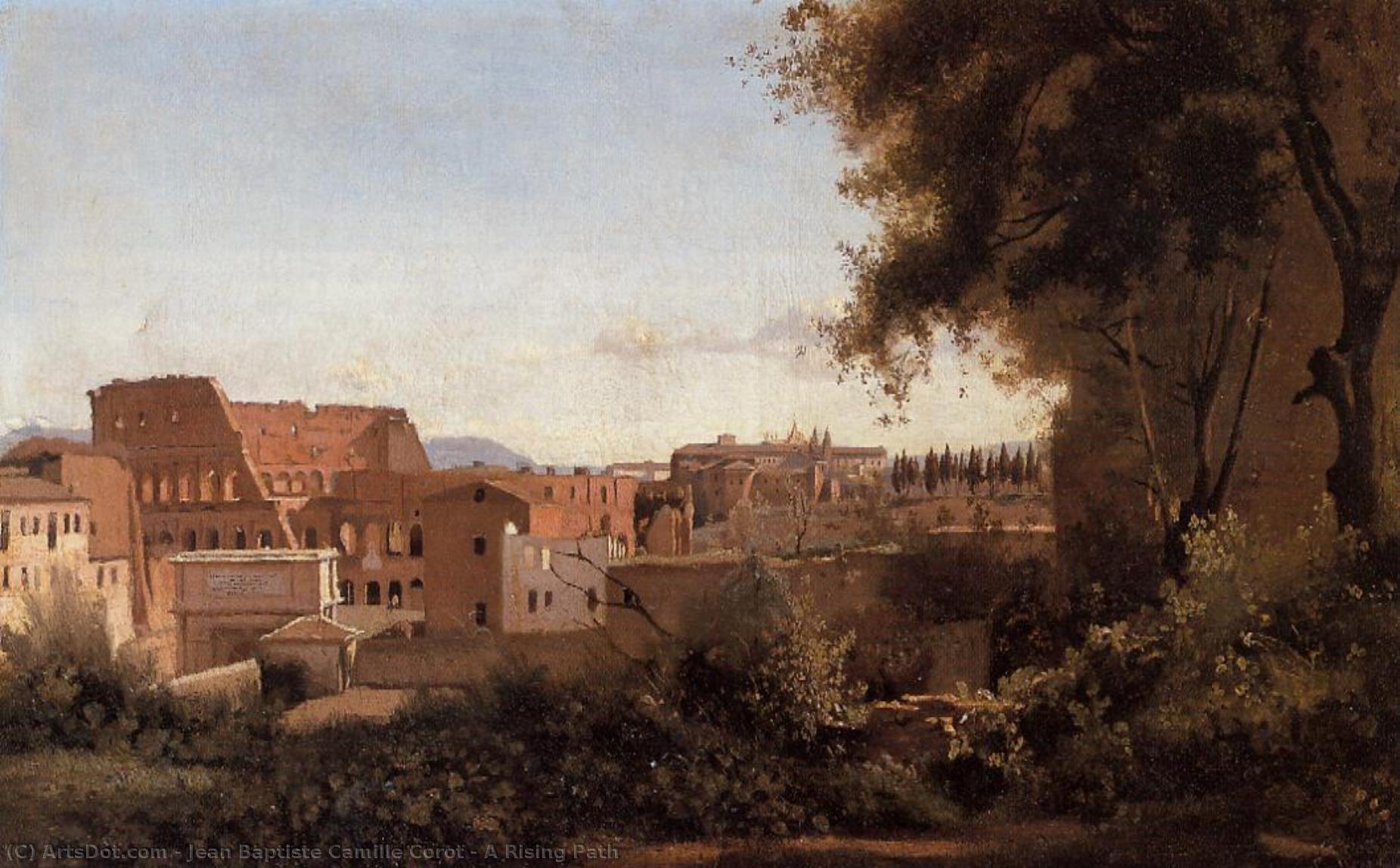
A Rising Path
 Oil
Oil- WallArt
- Romantic Landscape
 1845
1845- 19th Century
 18.0 x 29.0 cm
 Louvre
Experience the serene beauty of Jean-Baptiste-Camille Corot's 'A Rising Path,' a captivating cityscape painting featuring mountains, trees, and figures bathed in soft light – a timeless masterpiece from 1845.
 Pročitajte više
Otkrijte Jean-Baptiste-Camille Corota (1796.-1875.), majstora atmosférskih pejzaža koji spaja neoklasicizam i impresionizam. Istražite njegove mirne slike i trajni utjecaj na povijest umjetnosti.
Giclée / Umjetnički otisak
Giclée tisak muzejske kvalitete ili otisak na platnu uz brzu proizvodnju i fleksibilne opcije završne obrade. ( Naručite ručno oslikano reprodukciju Prebacite na digitalnu prodaju slika)




P118B $10

P118H $10

P118W $10

P438Z $10

P508JH $12

P508YH $12

P805H $10

P805Z $10

P919BZ $10

P919G $10

P919XJ $10

P959ZH $10

P968JZ $12

W106C $8

W218G $10

W218JH $8

W218Y $10

W307PJ $10

W316G $10

W316PJ $8

W316Y $10

W398PJ $8

W4111J $10

W500HY $15

W500JH $15

W692G $12

W849H $8

W940BG $15

W953PJ $8




Standardne dimenzije
prilagođeno po mjeri
CM
INCH
Odaberite jednu od naših unaprijed definiranih veličina koje odgovaraju izvornim proporcijama umjetničkog djela.
Loading sizes...

širina
visina
Možete unijeti vlastite dimenzije kako biste umjetničko djelo prilagodili specifičnom okviru ili prostoru. Ako odabrana veličina ne odgovara proporcijama izvornog rada, izrezat ćemo dio slike ili je proširiti pomoću ogledalnog efekta ili jednobojne rubne površine. Digitalni prikaz (mockup) bit će vam poslan na odobrenje prije početka proizvodnje.
Imajte na umu da pregled na zaslonu ne odražava stvarno izrezivanje ili proširivanje. Samo će mockup točno prikazati konačnu kompoziciju.
Iako su dostupne prilagođene veličine, preporučujemo odabir dimenzije iz unaprijed definirane liste kako biste očuvali izvorne proporcije.
Dostava širom svijeta () u roku od 2 tjedna umjesto standardnih 4/5 tjedana. (27 Rujan)

Besplatna ekspresna dostava širom svijeta

Visokokvalitetno laneno platno

Potpuno osiguranje transporta

Jamstvo povrata carine i uvoznih poreza

Jamstvo vjernosti boja

Politika povrata u roku od 100 dana (samo u slučaju nedostataka)

Jamstvo povrata 100% novca

Popust na više proizvoda
 Opcija stakla dostupna je samo za dimenzije manje od 110 cm

A Rising Path
Giclée / Umjetnički otisak
Veličina reprodukcije
-


Ukupna cijena
$ 69
A Symphony of Light and Verdant Grace
In the quietude of the mid-19th century, Jean-Baptiste-Camille Corot captured something far more profound than a mere landscape; he captured the very breath of the French countryside. "A Rising Path," executed in 1845, serves as a breathtaking window into a world where time seems to decelerate, inviting the viewer to step away from the modern clamor and into a realm of silvered tranquility. The canvas unfolds with a serene vista overlooking L’Isle-Adam, where a prominent building sits perched atop a gently sloping hill, acting as a silent sentinel over the lush greenery that dominates the composition. As your eyes wander through the dense foliage and toward the distant horizon, you are met not just with scenery, but with an invitation to contemplate the profound, enduring connection between humanity and the natural world.
The mastery of Corot lies in his role as a pioneer of Luminism, a movement that prioritized the subtle nuances of light and atmosphere above all else. Unlike the later Impressionists who would embrace bold, rapid strokes, Corot employed a meticulous and painstaking technique. He applied thin, translucent glazes over multiple layers of paint, a process that allows light to penetrate the surface and glow from within. This creates an ethereal, hazy luminescence—a soft, diffused light filtering through the canopy of trees that imbue the scene with a palpable sense of stillness. For the discerning collector or interior designer, this technique offers a unique sensory experience; the painting does not merely sit upon a wall, but seems to radiate a gentle, atmospheric warmth that can transform the mood of any sophisticated space.
Historical Resonance and Symbolic Depth
To understand "A Rising Path" is to understand the shifting tides of French art history. Painted during a period of great transition, the work reflects a departure from Romantic idealism in favor of a more grounded, yet psychologically deep, realism. Corot’s ability to bridge the gap between the structured discipline of Neoclassicism and the emotive freedom of the Barbizon School is on full display here. The painting captures the essence of plein-air innovation, where the artist's direct observation of nature leads to a representation that feels both deeply real and beautifully dreamlike. It is a testament to an era fascinated by scientific observation and the desire to represent the fleeting beauty of everyday life with absolute sincerity.
Beyond its technical brilliance, the painting is rich with subtle symbolism. The architectural element, nestled within the expansive landscape, serves as a poignant symbol of human presence—representing aspiration, permanence, and the quiet dignity of civilization amidst the wilder elements of nature. The path itself, rising through the verdant terrain, acts as a visual metaphor for a journey, guiding the viewer's soul upward and inward. For those seeking to adorn their homes with art that inspires contemplation, this reproduction offers more than decoration; it provides a focal point of peace, a window into a timeless era of grace, and a lasting reminder of the beauty found in life's most tranquil moments.
Srodna umjetnička djela




Biografija umjetnika
Život Uronjen u Svjetlo i Prizor
Jean-Baptiste-Camille Corot, ime koje odiše spokojnom ljepotom 19. stoljeća francuskog slikarstva krajolika, rođen je u obitelji uglednih pariških buržoasa 16. srpnja 1796. Iako je prvotno bio usmjeren prema trgovačkom putu, sudbina – i možda urođena umjetnička osjetljivost – intervenirala je. Njegove rane godine bile su obilježene neobičnim odgojem; povjeren na brigu njegovatelja u selu Presles blizu L’Isle-Adama do četvrte godine, razvio je duboku povezanost s prirodom koja je zauvijek oblikovala njegov umjetnički pogled. Ovo početno uranjanje u ruralni spokoj stajalo je u oštrim kontrastima uzimajući u obzir živahni gradski život koji ga je čekao, no ipak je postavilo temelj za cjeloživotnu potragu za hvatanjem prolaznih kvaliteta svjetla i atmosfere. Njegovi roditelji, uspješni modisti, pružili su financijsku stabilnost, omogućujući Corotu slobodu da istražuje svoju rastuću strast prema slikanju nakon neuspjelih pokušaja u trgovini – rijetka privilegija za ambiciozne umjetnike tog doba. Ta podrška bila je ključna, jer mu je omogućila da se potpuno posveti umjetničkom obrazovanju bez neposrednog pritiska zarade za život.Od Akademskih Temelja do Inovacija na Otvorenom
Corotovo formalno umjetničko obrazovanje započelo je studijima pod Achilleom Etna Michallonom i kasnije Jean-Victorom Bertinom, oba uglednim slikarima krajolika uronjenim u neoklasicističku tradiciju. To mu je ulilo temeljito razumijevanje kompozicije i oblika, naglašavajući jasnoću i strukturu. Međutim, Corot nije bio zadovoljan samo ponavljanjem uspostavljenih stilova; želio je nešto autentičnije, način da prenese ne samo *što* vidi, već i *kako* se osjeća uronjen u krajolik. Ključni trenutak nastupio je s njegovim prvim putovanjem u Italiju 1825. godine. Rimski Campagna, okupana zlatnim svjetlom i prožeta poviješću, rasplamsala mu je maštu. Proveo je godine skicajući i slikajući na otvorenom – izravno iz prirode – praksa koja je tada bila relativno rijetka. Ta predanost izravnom opažanju omogućila mu je da uhvati suptilne nijanse svjetla i sjene, delikatne atmosferske efekte koji bi postali zaštitni znak njegovog stila. Nije se samo bavio bilježenjem topografskih detalja; nastojao je evocirati raspoloženje, osjećaj mira i harmonije. Njegova djela iz ranih talijanskih razdoblja pokazuju jasnoću oblika i svijetlu paletu koju su utjecali klasični ideali, no već nagovještavaju mekši, uzbudljiviji pristup koji će definirati njegov zreli stil. Pažljivo je proučavao majstore, prepisujući njihova djela u rimskim galerijama, ali uvijek filtrirao te lekcije kroz svoju sve osjetljiviju percepciju prirode.Most Između Tradicija
Corotovo umjetničko razvitku nije bio linearan; to je bila delikatna ravnoteža između tradicije i inovacije. Redovito je izlagao na Pariškom Salonu, prvobitno ostvarujući priznanje za djela ukorijenjena u neoklasicističkim konvencijama. Međutim, nastavljajući istraživati slikanje na otvorenom, njegov se stil počeo razvijati. Odmaknuo je od detaljnih kompozicija kako bi stvorio slobodnije poteze kistom i prigušeniju paletu. Ta promjena nije bila odbacivanje akademskih načela u cijelosti; naprotiv, to je bio pokušaj da se u njih ubrizgaju neposrednost i emocionalna rezonancija izravnog opažanja. Postao je majstor tonalizma, koristeći suptilne varijacije vrijednosti kako bi stvorio dubinu i atmosferu. Njegovi krajolici nisu se odnosili na dramatične narative ili grandiozne geste; radilo se o mirnom razmatranju, ljepoti svakodnevnih scena – šumskom proplanku, suncem okupanoj livadi, tihom rijeci. Ovaj pristup rezonirao je s rastućom publikom koja je tražila utočište od brze industrijalizacije i društvenih previranja 19. stoljeća u Francuskoj. Vješto je spajao elemente realizma s gotovo poetskom osjetljivošću, stvarajući krajolike koji su se činili istovremeno poznatim i duboko osobnim. Nije bio zainteresiran za grandiozne izjave ili političke komentare; njegova umjetnost se odnosila na pronalazak ljepote u običnom, uzdizanje svakodnevnog u sferu smirenog razmatranja.Nasljeđe i Trajni Utjecaj
Jean-Baptiste-Camille Corotovo utjecaj na sljedeće generacije umjetnika je neizmjeran. Služio je kao ključna veza između neoklasicističke tradicije i nastajućeg impresionističkog pokreta. Umjetnici poput Moneta, Pissarra i Sisleya divili su mu se njegovoj sposobnosti da uhvati prolazne efekte svjetla i atmosfere te su na svojim revolucionarnim djelima gradili na njegovim inovacijama. Corotovo naglašavanje izravnog opažanja i slikanja na otvorenom utrlo je put impresionistima u njihovom radikalnom odcjepljenju od studijskih praksi. Međutim, Corot nije bio samo prethodnik impresionizma; bio je jedinstven i značajan umjetnik po sebi. Njegov opsežni opus – koji obuhvaća krajolike, portrete i studije figura – nastavlja fascinirati publiku svojom smirenom ljepotom i emocionalnom dubinom. Njegova djela se mogu pronaći u glavnim muzejima diljem svijeta, uključujući Musée des Beaux-Arts u Dunkerqueu i Musée Courbet u Ornans, Francuskoj, kao i Nacionalnu galeriju u Londonu i Muzej umjetnosti Metropolitan u New Yorku. Umro je 22. veljače 1875., ostavivši za sobom nasljeđe koje nastavlja inspirirati umjetnike i ljubitelje umjetnosti – svjedočanstvo trajne moći svjetla, krajolika i smirenog razmatranja. The Repose, Interrupted Reading i Agostina ostaju ikonični primjeri njegove majstorije, koji pokazuju njegovu sposobnost da uhvati fizički svijet i unutarnji život svojih subjekata s iznimnom osjetljivošću i gracioznošću. Njegov utjecaj se proteže izvan slikarstva; poticao je duh umjetničke slobode i ohrabrio mlade umjetnike da pronađu svoj glas, čime je učvrstio svoje mjesto kao ključne figure u povijesti umjetnosti.
Kamij Korot
1796 - 1875 , Francuska
Brzi pregled
- Datum Rođenja: 16. srpnja 1796.
- Državljanstvo: Francuski
- Mjesto Rođenja: Pariz, Francuska
- Pokreti/Umjetnici Pod Utjecajem:
- Monet
- Pissarro
- Sisley
- Puno Ime: Jean-Baptiste-Camille Corot
- Umjetnički Pokret: Realizam, Impressionizam
- Utjecajni Umjetnici:
- Michallon
- Bertin
- Značajna Djela:
- The Repose
- Interrupted Reading
- Agostina
Povezani članci

Capturing the Mist: The Timeless Beauty of British Landscape Impressionism
Explore the ethereal beauty of British Landscape Impressionism. Discover how masters captured light and mist through plein air techniques, offering a profound connection to the English countryside's timeless, atmospheric soul.
Istražite umjetnička djela organizirana prema temama, stilovima i karakteristikama.