

 Pregledaj u realnoj veličini
 Pošalji
 Podijeli
 Detalji o umjetničkom djelu
 Vodič
Vodič

 Preuzmi umjetničko djelo
 Slični predmeti
 Rentgenska snimka
 Slide show
 Q&A
Q&A Statistika
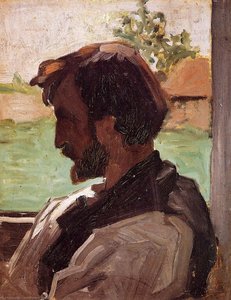
Self Portrait with Palette


Admire Frédéric Bazille's 'Self-Portrait with Palette' (1865). A poignant glimpse into the life of an Impressionist painter, capturing his dedication and artistic spirit in a striking self-portrait.
 Prikaži više
Jean Frédéric Bazille (1841-1870), ključna figura impresionizma. Istražite njegove živopisne pejzaže i portrete te blisku vezu s Monetom, Renoirom i Sisleyjem. Pronađite visokokvalitetne reprodukcije sada!
Giclée / Umjetnički otisak
Giclée tisak muzejske kvalitete ili otisak na platnu uz brzu izradu i raznolike opcije završne obrade. ( Kupi ručno oslikano djelo Prebacite na digitalnu sliku)




P118B €10

P118H €10

P118W €10

P438Z €10

P508JH €12

P508YH €12

P805H €10

P805Z €10

P919BZ €10

P919G €10

P919XJ €10

P959ZH €10

P968JZ €12

W106C €8

W218G €10

W218JH €8

W218Y €10

W307PJ €10

W316G €10

W316PJ €8

W316Y €10

W398PJ €8

W4111J €10

W500HY €15

W500JH €15

W692G €12

W849H €8

W940BG €15

W953PJ €8




Standardne dimenzije
po mjeri
CM
INCH
Odaberite jednu od naših unaprijed definiranih veličina koje odgovaraju izvornim proporcijama umjetničkog djela.
Loading sizes...

širina
visina
Unesite potrebnu širinu i visinu kako bi odgovarali vašem okviru ili zidu. Print se može samo izrezati, nikada ne može biti veći od slike, stoga format s drugačijim omjerom stranica uzrokuje gubitak dijela slike. Prije bilo kakve štampe šaljemo vam digitalni prikaz (mockup) na odobrenje. Slika prikazana na ovoj stranici ne prikazuje stvarni rez — to prikazuje isključivo digitalni prikaz.
Dostava širom svijeta () u roku od 2 tjedna umjesto standardnih 4/5 tjedana. (31 Listopad)

Besplatna ekspresna dostava širom svijeta

Visokokvalitetno laneno platno

Potpuno osiguranje dostave

Jamstvo povrata carine i uvoznih poreza

Jamstvo vjernosti boja

Politika povrata u roku od 100 dana (samo u slučaju nedostataka)

Jamstvo povrata 100% novca

Popust na više proizvoda
 Opcija stakla dostupna je samo za dimenzije manje od 110 cm

Self Portrait with Palette
Giclée / Umjetnički otisak
Veličina reprodukcije
-


Ukupna cijena
€ 61
A Moment Frozen in Time: Jean Frédéric Bazille’s “Self Portrait with Palette”
Jean Frédéric Bazille's "Self Portrait with Palette," painted in 1865, is more than just a depiction of an artist; it’s a poignant snapshot of ambition, vulnerability, and the burgeoning spirit of Impressionism. Created during a remarkably brief but intensely productive period in his career, this oil-on-canvas work offers a rare glimpse into the mind of a young man grappling with his artistic aspirations amidst the vibrant, transformative atmosphere of Paris. The painting resides within the esteemed collection of the Art Institute of Chicago, a testament to its enduring quality and significance.
The composition is strikingly direct and unadorned. Bazille, dressed in a dark suit and tie – attire indicative of his medical studies before embracing art full-time – stands before a simple, dark background. His gaze meets the viewer head-on, an almost disconcerting level of intimacy that immediately draws us into the scene. In his hand, he holds a palette brimming with vibrant pigments, hinting at the creative energy simmering beneath the surface. The subtle inclusion of brushes further emphasizes his profession and the tools of his trade. The painting’s stark simplicity—a deliberate choice by Bazille—forces us to confront the artist himself, stripping away any romanticized notions of artistic genius and presenting a raw, honest portrayal.
Impressionism in Miniature: Technique and Light
Bazille's technique is firmly rooted in the principles of Impressionism, though with a distinctly personal touch. He employs loose brushstrokes and a broken color palette—a hallmark of the movement—to capture the fleeting effects of light and atmosphere. Notice how he doesn’t meticulously render every detail; instead, he uses dabs and dashes of paint to suggest form and texture. The lighting is particularly noteworthy – it's diffused and naturalistic, casting soft shadows that contribute to the painting’s overall sense of immediacy. The artist was experimenting with *plein air* painting—working outdoors directly from nature—a technique championed by Monet and others during this period, aiming to capture the transient qualities of light and color.
Interestingly, Bazille utilized a mirror to create this self-portrait, a common practice among artists seeking to accurately represent their own features. This method allowed him to observe his posture, expression, and overall appearance with meticulous detail, ensuring a truthful representation of himself. The subtle asymmetry in the composition—a slight tilt of the head, for instance—adds to the painting’s sense of spontaneity and immediacy.
A Life Cut Short: Context and Symbolism
Understanding the historical context surrounding Bazille's life is crucial to appreciating this work fully. Born in Montpellier, France, in 1841, he initially pursued a medical career alongside his artistic inclinations, a compromise dictated by his family’s desire for financial security. However, drawn to the vibrant artistic community of Paris, he abandoned medicine in favor of painting, a decision that ultimately proved tragically short-lived. Bazille was killed during the Franco-Prussian War in 1870, at just twenty-eight years old – a devastating loss for the burgeoning Impressionist movement.
The “Self Portrait with Palette” can be interpreted as a symbolic representation of this young artist’s aspirations and anxieties. The palette itself represents his creative potential, while his direct gaze suggests a desire to connect with the viewer—to share his artistic vision. Some art historians suggest that Bazille's melancholy expression hints at the pressures he faced, balancing his artistic ambitions with societal expectations and the looming shadow of war. It’s a portrait not just of an artist, but of a man on the cusp of greatness, grappling with mortality and the uncertainties of his future.
A Legacy of Light: The Painting's Enduring Appeal
Despite its brevity, Bazille’s career left an indelible mark on the Impressionist movement. His work exemplifies the movement’s focus on capturing fleeting moments of light and color, as well as its rejection of traditional academic painting techniques. “Self Portrait with Palette” remains a powerful testament to his talent and vision—a poignant reminder of a brilliant artist whose life was tragically cut short. Reproductions of this iconic piece continue to resonate with art lovers today, offering a glimpse into the heart and soul of an Impressionist master.
Pitanja i odgovori
Mogu li naručiti uljanu reprodukciju djela "Self Portrait with Palette"?
"Self Portrait with Palette" dostupan je kao ručno oslikana uljana reprodukcija na lanenom platnu. Narudžbu možete izvršiti na njegovoj Ručno oslikana reprodukcija stranici, uz mogućnost odabira različitih dimenzija.
Na koji način "Self Portrait with Palette" autora Jean-Frédéric Bazille povezuje Impressionist Painting s domovinom umjetnika?
"Self Portrait with Palette" djelo je koje je stvorio/la Jean-Frédéric Bazille, rođen/a u Francuska, unutar pokreta Impressionist Painting. Umjetnikovo podrijetlo povezuje ovo djelo s Impressionist Painting onako kako su ga prakticirali umjetnici iz Francuska.
Koja je tehnika korištena za "Self Portrait with Palette" i kada je djelo nastalo?
Tehnika djela "Self Portrait with Palette" autora Jean-Frédéric Bazille je Oil On Canvas, a rad je datiran u 1865.




Biografija umjetnika
Rani Život i Obrazovanje Jean-Frédérica Bazillea
Jean Frédéric Bazille, rođen 6. prosinca 1841. godine u Montpellieru, Francuska, potjecao je iz imućne protestantske obitelji koja se bavila proizvodnjom vina. Iako su mu roditelji bili podržavajući, inzistirali su da paralelno s umjetničkim sklonostima studira medicinu – kompromis koji je odražavao društvene norme tog vremena i njihovu želju za njegovom financijskom sigurnošću. Ova dvostruka priroda oblikovala je njegove rane godine, podjelivši mu pažnju između anatomskih disekcija i očaravajuće privlačnosti boja i svjetla. Pravo umjetničko putovanje Bazillea počelo se razvijati u živopisnoj atmosferi Pariza, gdje se preselio 1862. godine kako bi nastavio medicinski studij. U početku je pohađao lekcije kod Charlesa Gleyrea, ali pravi poticaj pronašao je u krugu umjetnika koji su kasnije postali sinonim za impresionizam: Claude Monet, Pierre-Auguste Renoir i Alfred Sisley. Njegova financijska stabilnost omogućila mu je da velikodušno pomaže prijatelje, pružajući im studio prostor i materijale – gesta koja nije bila samo praktična već je proizašla iz dubokog drugarstva i vjere u njihov zajednički potencijal.Krug Impresionista i Razvoj Umjetničkog Stila
Pariz se pokazao kao ključno mjesto za mladog Bazillea. Brzo se uklopio u krug umjetnika koji su postali sinonim za impresionizam: Claude Monet, Pierre-Auguste Renoir i Alfred Sisley. Iako je formalnu obuku primio od Charlesa Gleyrea, prava inspiracija dolazila je iz zajedničkih strasti i radikalnih ideja koje su razmjenjivali s prijateljima. Bazilleovi rani radovi, poput Ružične haljine (c. 1864.), već pokazuju oštar osjećaj za hvatanje prolaznih trenutaka i učinaka svjetla – karakterističnih obilježja impresionizma. Nije se ograničavao na oponašanje ustaljenih stilova, već je aktivno sudjelovao u stvaranju nečeg potpuno novog. Usporedno s medicinskim studijima, Bazille je neumorno eksperimentirao s tehnikama slikanja *en plein air* – izravnim oslikavanjem prirode kako bi uhvatio nijanse prirodnog svjetla i atmosfere. Njegova djela odražavaju fascinaciju prolaznošću trenutka, vibrirajućim bojama i slobodnom primjenom kistova.Utjecaji i Karakteristike Bazilleovog Slikarstva
Bazilleov umjetnički stil, iako se brzo razvijao, posjedovao je jedinstven karakter unutar šireg impresionističkog estetskog okvira. Dijelio je njihovu strast za *plein air* slikanjem – radom na otvorenom kako bi izravno uhvatio nijanse prirodnog svjetla – ali su mu se kompozicije često odlikovale strukturiranijom kvalitetom nego Monetove ili Renoirove. Često je kombinirao portretiranje s krajolikom, pažljivo smještajući svoje modele u okruženje, što se vidi u remek-djelima poput Obiteljskog okupljanja (1867.-1868.). Ovo djelo nije samo prikaz obiteljskog sastanka; to je istraživanje svjetla koje filtrira kroz drveće, oživljava scenu i ispunjava je osjećajem topline i intimnosti. Njegova su djela bila više od pukog prikaza onoga što je vidio – ona su izražavala *kako* ga je to doživio, emocionalni odjek pobuđen bojom, oblikom i svjetlom. Bio je duboko pod utjecajem Eugènea Delacroixa, čija je živopisna upotreba boje rezonirala s njegovim vlastitim umjetničkim osjećajima, ali se udaljio od akademskih konvencija kako bi prihvatio moderniji senzibilitet.Tragičan Završetak i Trajno Nasljeđe
Blistava karijera Jean-Frédérica Bazillea brutalno je prekinuta tijekom Franko-pruske ratne 1870. godine. Pokretan osjećajem patriotske dužnosti, pridružio se puku stranih legionara samo nekoliko mjeseci nakon izbijanja sukoba. Tragično je poginuo u borbi 28. studenog 1870. godine, u dobi od svega 28 godina, kod Beaune-la-Rolandea. Njegova smrt šokirala je umjetničku zajednicu, lišivši ih talentiranog prijatelja i velikodušnog dobročinitelja. Premrana smrt značila je da su njegova djela ostala relativno nepoznata dugi niz godina. Međutim, posljednjih desetljeća sve više se prepoznaju i slave Bazilleovi doprinosi. Danas se njegove slike nalaze u prestižnim muzejima poput Musée d'Orsaya u Parizu, a reprodukcije omogućuju ljubiteljima umjetnosti diljem svijeta da dožive ljepotu i inovativnost njegove vizije. Nasljeđe Bazillea proteže se dalje od njegovog umjetničkog opusa; on utjelovljuje duh mladenačkog idealizma, nepokolebljive predanosti i snage prijateljstva koje su definirale rane dane impresionizma. Ostaje potresni podsjetnik na izgubljeni potencijal, ali i svjedočanstvo trajne moći kratke, ali brilijantne karijere.
Jean-Frédéric Bazille
1841 - 1870 , Francuska
Osnovne informacije
- Datum Rođenja: 6. prosinca 1841.
- Datum Smrti: 28. studenog 1870.
- Državljanstvo: Francuz
- Mjesto Rođenja: Montpellier, Francuska
- Puno Ime: Jean Frédéric Bazille
- Umjetnički Pokret: Impresionizam
- Utjecaj Na Umjetnike: ['Impresionizam']
- Utjecaji Umjetnika: ['Eugène Delacroix']
- Značajna Djela:
- Ružičina haljina
- Obiteljska skupnost
- Atelje u Rue de Furstenberg
Srodni članci

Paul Cézanne: 25 Remek-djela koji su promijenili svijet umjetnosti | TopImpressionists
Uronite u svijet Paula Cézanna! Otkrijte 25 remek-djela impresionizma i postimpresionizma. Saznajte priče iza slika, tehnike i inspiracije ovog francuskog umjetnika. Reprodukcije vrhunske kvalitete dostupne na TopImpressionists.com

Reflecting the Self: A History of Portraiture & Psychological Insight
Explore the fascinating history of self-portraiture from Renaissance masters like Dürer & Rembrandt to modern interpretations. Discover the psychological insights and artistic techniques behind these iconic works. Expert analysis for art enthusiasts.

Impressionism's Masterpieces: 10 Paintings That Defined a Movement | TopImpressionists
Journey through Impressionism's heart with 10 iconic paintings by Monet, Renoir & Degas. Explore light, color & the stories behind these masterpieces. Find museum-quality art reproductions and elevate your home decor on TopImpressionists.com.

Impressionizam: 10 Remek-djela koja su definirala umjetnički pokret
Otkrijte 10 remek-djela impresionizma koja su obilježila umjetnički svijet! Monet, Renoir, Degas i drugi majstori – istražite priče iza slika koje definiraju pokret. Inspirirajte se za dekoraciju interijera s TopImpressionists.com - vrhunskim reprodukcijama i kuriranih ideja.

The Echo of Self: Reflectivity as a Core Theme in Art History & Contemporary Practice
Explore the rich history of self-representation in art, from Renaissance masters to modern innovators. Discover how artists use portraiture to reveal identity, emotion & the depths of the human psyche. Expert insights for collectors.
Istražite umjetnička djela organizirana prema temama, stilovima i karakteristikama.

