Pregledaj u realnoj veličini
 Pošalji
 Podijeli
 Detalji o umjetničkom djelu
 Vodič
Vodič

 Preuzmi umjetničko djelo
 Slični predmeti
 Rentgenska snimka
 Slide show
 Pitanja i odgovori
 Statistika
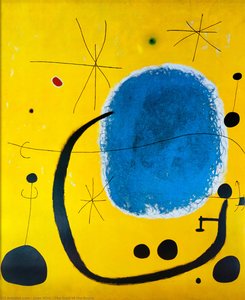
Siesta

- 113.0 x 144.0 cm


Razgledajte Siesta od Joan Miró - fascinantanski primjer abstrakta nadrealizma koji vas poziva u svijet eterične ljepote i simboličke zavjetnosti. Ova remek djela Miróa pokazuje njegovu jedinstvenu sposobnost kombiniranja organskih i geometrijskih oblika.
 Prikaži više
Otkrijte svijet Joana Mira! Istražite nadrealistička i apstraktna djela, katalonsku simboliku te razigrane oblike. Pionir moderne umjetnosti – pogledajte njegova djela na TopImpressionists!
Djelo prikazano na ovoj stranici zaštićeno je autorskim pravima, što znači da zakonski ne možemo izraditi niti prodati identičnu reprodukciju. Ova se zaštita provodi u skladu s međunarodnim sporazumima kao što su Bernska konvencija i nacionalnim zakonima, uključujući i one koji su utvrđeni u Američki zakon o autorskom pravu – Title 17.
Ova metoda u potpunosti je usklađena s autorskim pravima jer ne uključuje kopiranje ili dupliciranje zaštićenih umjetničkih djela. Umjesto toga, riječ je o kreativnoj reinterpretaciji – novoj slici koja je dobila utjecaj na izvornik, ali nije identična njemu.
Giclée / Umjetnički otisak
Giclée tisak muzejske kvalitete ili otisak na platnu uz brzu izradu i raznolike opcije završne obrade. ( Kupi ručno oslikano djelo Prebacite na digitalnu sliku)




P118B €10

P118H €10

P118W €10

P438Z €10

P508JH €12

P508YH €12

P805H €10

P805Z €10

P919BZ €10

P919G €10

P919XJ €10

P959ZH €10

P968JZ €12

W106C €8

W218G €10

W218JH €8

W218Y €10

W307PJ €10

W316G €10

W316PJ €8

W316Y €10

W398PJ €8

W4111J €10

W500HY €15

W500JH €15

W692G €12

W849H €8

W940BG €15

W953PJ €8




Standardne dimenzije
po mjeri
CM
INCH
Odaberite jednu od naših unaprijed definiranih veličina koje odgovaraju izvornim proporcijama umjetničkog djela.
Loading sizes...

širina
visina
Unesite potrebnu širinu i visinu kako bi odgovarali vašem okviru ili zidu. Print se može samo izrezati, nikada ne može biti veći od slike, stoga format s drugačijim omjerom stranica uzrokuje gubitak dijela slike. Prije bilo kakve štampe šaljemo vam digitalni prikaz (mockup) na odobrenje. Slika prikazana na ovoj stranici ne prikazuje stvarni rez — to prikazuje isključivo digitalni prikaz.
Dostava širom svijeta () u roku od 2 tjedna umjesto standardnih 4/5 tjedana. (7 Studeni)

Besplatna ekspresna dostava širom svijeta

Visokokvalitetno laneno platno

Potpuno osiguranje dostave

Jamstvo povrata carine i uvoznih poreza

Jamstvo vjernosti boja

Politika povrata u roku od 100 dana (samo u slučaju nedostataka)

Jamstvo povrata 100% novca

Popust na više proizvoda
 Opcija stakla dostupna je samo za dimenzije manje od 110 cm

Siesta
Giclée / Umjetnički otisak
Veličina reprodukcije
-


Ukupna cijena
€ 62
Istražite sanovni svijet djela "Siesta" Joana Mira
"Siesta", koju je 1925. godine stvorio vizionarski španjolski umjetnik Joan Miró, očaravajući je primjer apstraktnog nadrealizma koji gledatelje poziva u svijet eterične ljepote i simboličke intrige. Ovo remek-djelo utjelovlje Miróvu jedinstvenu sposobnost spajanja organskih i geometrijskih oblika, stvarajući skladnu, no dinamičnu kompoziciju koja neprestano inspirira ljubitelje umjetnosti, kolekcionare i uređenjare interijera.
Apstraktna nadrealistička vizija
Umjetničko djelo predstavlja sanovnu, apstraktnu kompoziciju s mekom, eteričnom kvalitetom. Nasuprot svijetlo plavoj pozadini, Miró kombinira organske i geometrijske oblike, potičući osjećaj kretanja i misterija. Centralni dio odlikuje veliki bijeli oblik koji podsjeća na apstraktnu pticu ili oblak, dok drugi manji oblici i linije stvaraju osjećaj interakcije i protoka. Ova uravnotežena, ali dinamična kompozicija izbjegava simetriju, no zadržava harmoniju kroz pažljivo postavljene forme.
Paleta boja i tehnika
Dominantna boja u djelu "Siesta" je svijetla, nebopoljubičasta pozadina s suptilnim gradijentima i teksturama. Paleta uključuje dodatne boje poput bijele, crne, tamno plave, žute i tragova zelene. Ove se boje koriste štedljivo kako bi istaknule specifične elemente, stvarajući kontrast prema mekoj plavoj pozadini. Miróova tehnika uključuje kombinaciju poteza četkicom za teksturu i finih linija koje povezuju oblike, vjerojatno koristeći akrilne ili uljane boje na platnu ili papiru.
Simbolika i interpretacija
Tema djela "Siesta" je apstraktna i otvorena za interpretaciju. Veliki bijeli oblik u sredini mogao bi simbolizirati pticu, oblak ili neki drugi organski entitet, dok tamno plavi oblik nalik listu može predstavljati prirodu ili rast. Žuta strelica mogla bi označavati smjer ili kretanje, a iscrtani krug može sugerirati metu ili fokusnu točku. Cjelokupna kompozicija izaziva osjećaj misterija i istraživanja, pozivajući gledatelje da pronađu vlastito značenje unutar umjetničkog djela.
Povijesni kontekst i nasljeđe
Stvorena 1925. godine, "Siesta" odražava Mirójev prijelaz u nadrealizam i apstraktnu umjetnost. Tijekom ovog razdoblja, na Miraa su utjecali automatsko crtanje i gesturalna apstrakcija – tehnike koje su mu omogućile istraživanje podsvjesnog uma te stvaranje djela koja su istovremeno vizualno upečatljiva i duboko simbolična. Ovo djelo dio je šireg pokreta koji je nastojao odvojiti se od tradicionalne reprezentacije i prigrliti moć mašte.
Emocionalni dojam i dizajn interijera
"Siesta" ostavlja dubok emocionalni dojam, izazivajući osjećaje mira, čuda i introspekcije. Njezina sanovna kvaliteta čini je idealnim dodatkom svakom prostoru koji teži inspirirati kreativnost i promišljanje. Za uređenjare interijera, ovo umjetničko djelo nudi svestran element koji se može uklopiti u razne stilove, od modernog minimalizma do eklektičnog boemskog dekoracijskog stila. Njegova meka, eterična paleta boja i dinamična kompozicija čine "Siestu" središnjom točkom koja poboljšava estetsku privlačnost svake prostorije.
Posjedujte dio povijesti umjetnosti
Unesite očaravajući svijet Joana Mira u svoj dom ili ured visokokvalitetnom reprodukcijom djela "Siesta". Ovo bezvremensko remek-djelo ne samo da dodaje vizualni interes, već i pokreće razgovor i inspiraciju. Bez obzira jeste li kolekcionar umjetnina, dizajner interijera ili jednostavno obožavatelj lijepe umjetnosti, "Siesta" je djelo koje će nastaviti osvrabljati i inspirirati generacijama koje dolaze.
Pitanja i odgovori
Koja je postava prikladna za format djela "Siesta" autora Joan Miró?
Svojim Vodoravni format oblikom, reprodukcija djela "Siesta" idealna je za Dnevni boravak.
Je li "Siesta" autora Joan Miró u javnom vlasništvu i zašto?
Status autorskih prava za djelo "Siesta" – i dalje je zaštićeno autorskim pravima – proizlazi iz godine smrti umjetnika, 1983.
Je li "Siesta" u cjelini svjetliji ili tamniji?
Za djelo "Siesta" autora Joan Miró zabilježena je svjetlina od blistav, uz luminancu od Svijetla ravnoteža.
Biografija umjetnika
Katalanski Vizionar: Život i Umjetnost Joana Mira
Joan Miró i Ferrà, rođen u Barceloni 1893. godine, zauvijek je ostavio neizbrisiv trag na umjetnosti 20. stoljeća. Njegovo putovanje nije bilo samo napredovanje kroz stilove, već istraživanje unutarnjih svjetova, prevođenje snova, uspomena i katalonskog identiteta na platno jedinstvenim poetskim vizualnim jezikom. Od skromnih početaka obilježenih bolešću i prvotnom roditeljskom rezerviranošću prema njegovim umjetničkim ambicijama, Miró je uporno nastavio svoj put, pokretan urođenom potrebom da izrazi ono nemjerljivo – emocije, osjećaje i podsvjesne struje koje leže ispod površine stvarnosti. Njegov raniji život bio je prožet tradicijama Barcelone, grada prepunog arhitektonskih čuda zahvaljujući Antoniu Gaudiju, čiji organski oblici su suptilno utjecali na Miróve kasnija apstrakcije. Zanatstvo zlatara njegovog oca ugradilo je cijenjenje za pomnoću izrade, dok je strme katalonske krajolike postao ponavljajući motiv i izvor inspiracije tijekom njegove karijere.Od Utjecaja do Nadrealizma: Formiranje Umjetničkog Jezika
Miróevo formalno umjetničko obrazovanje započelo je u La Llotji u Barceloni, gdje je usavršio svoje vještine tradicionalnim tehnikama. Međutim, izloženost avangardnim pokretima koji su harali Parizom zaista je potaknuo njegovu kreativnu evoluciju. Žive boje fauvizma i fragmentirani oblici kubizma duboko su odjeknuli u njemu, što ga je natjeralo da se preseli u Pariz 1920. godine. Ta je godina bila ključna jer je upoznao umjetnike poput Pabla Picassa i počeo eksperimentirati sa sve apstraktnijim kompozicijama. Ipak, Miró nije samo usvajao te stilove; sintetizirao ih je, kujući put prema svom prepoznatljivom estetskom izrazu. Težio je destilaciji oblika do njihove esencije, uklanjajući reprezentativne detalje u korist simboličnih oblika i evocirajućih boja. Ovo istraživanje ga je 1924. godine dovelo u grupu nadrealista, usklađujući ga s umjetnicima poput Maxa Ernsta i Salvadora Dalija. Iako je prihvatio nadrealistički interes za podsvjesno, Miró je zadržao jedinstvenu osjetljivost – njegov rad nije bio o šokantnoj slici ili Freudovoj simbolici, već o stvaranju svijeta igrivih oblika i poetskih sugestija.Jezik Simbola: Ključna Djela i Umjetnička Inovacija
Tijekom 1920-ih i 30-ih godina Miró je razvio svoj prepoznatljivi vizualni vokabular – svemir naseljen biomorfnim oblicima, plutajućim formama i živopisnim bojama. The Farm (1922), često smatrana kamenom temeljcem njegovog opusa, utjelovljuje tu tranziciju. Nije samo prikaz ruralnog života, već evociranje katalonskog identiteta i simbolička reprezentacija prirodnog svijeta. Njegova suradnička priroda dovela je do inovativnih tehnika poput *grattage*, koju je pionirski uveo s Maxom Ernstom 1926. za dizajnove namijenjene Sergeju Djaghilevu i njegovoj balerini, gdje su teksture otkrivene grebanjem boje preko platna. Serija Dutch Interiors (1928) demonstrirala je njegovu sposobnost reinterpretiranja starih majstora kroz izrazito moderni prizor, pretvarajući domaće scene u snovite apstrakcije. Painting (1933), sa svojim hrabrim bojama i pojednostavljenim oblicima, kapsulira Miróvo istraživanje podsvjesnog i odbijanje konvencionalnih umjetničkih granica. Izvan slikarstva, Miró se bez straha eksperimentirao s kiparstvom, keramikom i grafičkim dizajnom, proširujući svoje kreativne horizonte i demonstrirajući iznimnu raznolikost.Nasljeđe i Trajni Utjecaj
Utjecaj Joana Mira na umjetnost 20. stoljeća je neuporediv. Nije bio samo slikar; bio je vizionar koji je izazvao samu definiciju umjetničkog izraza. Njegovo djelo je utrlo put ekspresionizmu i nastavlja inspirirati umjetnike u različitim disciplinama. Osnovao je dva fondacije – Fundació Joan Miró u Barceloni (1975.) i Fundació Pilar i Joan Miró na Mallorci (1981.), osiguravajući da će se njegovo nasljeđe nastaviti, pružajući prostore za umjetničko istraživanje i obrazovanje. Tijekom svoje duge karijere ostao je posvećen rušenju granica, osporavanju konvencija i istraživanju dubina ljudske mašte. Miróvo djelo svjedočanstvo je moći apstrakcije, simbolizma i poetskog izraza – živopisna proslava života, snova i neugasivog duha katalonske kulture. Njegovo djelo nastavlja rezonirati s publikom širom svijeta, pozivajući nas da uđemo u svijet u kojem je sve moguće i granice između stvarnosti i fantazije nestaju u očaravajućem plesu boja i oblika.
Joan Miró
1893 - 1983 , Španjolska
Osnovne informacije
- Datum Rođenja: 20. travnja 1893.
- Državljanstvo: Španjolski
- Mjesto Rođenja (Grad I Zemlja): Barcelona, Španjolska
- Puno Ime: Joan Miró i Ferrà
- Umjetnici Ili Pokreti Koje Je Ovaj Umjetnik Utjecao:
- Nadrealizam
- Apstraktna umjetnost
- Umjetnici Koji Su Utjecali Na Ovog Umjetnika:
- Van Gogh
- Cézanne
- Umjetnički Pokret Ili Stil: Nadrealizam, Apstraktna umjetnost
- Značajna Djela:
- The Farm
- Dutch Interiors
- Painting
Srodni članci

Mastering Abstraction: The 25 Most Iconic Works by Wassily Kandinsky
Explore 25 iconic Kandinsky masterpieces and the birth of abstraction. Discover the full collection online at TopImpressionists.com.

Slate Blue Masterpieces: 10 Iconic Paintings & Timeless Home Decor Ideas
Immerse yourself in the captivating world of slate blue! Explore 10 iconic paintings by Monet, Van Gogh & Renoir. Discover their stories, techniques & find museum-quality art reproductions for your home at .

Joan Miró: 25 Remek-djela Katalonskog Vizionara | Reprodukcije i Inspiracija za Dom
Uronite u svijet Joan Miróa! Otkrijte 25 remek-djela katalonskog nadrealista – od 'Farma' do ikoničnih apstraktnih kompozicija. Inspiracija za dom i vrhunske reprodukcije slika dostupne na TopImpressionists.com.

White on Canvas: 10 Masterpieces & Timeless Elegance for Your Home Decor
Explore 10 iconic white paintings by Monet, Whistler & Rothko! Discover the stories behind these serene masterpieces and their impact on art history. Find museum-quality reproductions for your home decor at .

Desetak Remek-djela koja su Definirala Apstraktni Ekspresionizam: Uljane Slike i Moderna Dekoracija
Otkrijte 10 remek-djela koja su definirala apstraktni ekspresionizam! Jackson Pollock, Mark Rothko i drugi majstori uljane umjetnosti. Ispričajte priču svojim zidovima uz TopImpressionists - vrhunske reprodukcije za vaš dom.
Istražite umjetnička djela organizirana prema temama, stilovima i karakteristikama.