Atelier — Besplatna dostava širom svijeta — Rok isporuke 2–6 tjedana
Slika iz fotografije Lista želja Vrtuljak
Pregledaj u stvarnoj veličiniPregledaj u stvarnoj veličini AR pregledAR pregled Prebacite se na ručno oslikano djelo Prebacite se na ručno oslikano djeloPrebacite na sliku Prebacite na sliku PošaljiPošalji
Detalji o umjetničkom djeluDetalji o umjetničkom djelu Dodaj u omiljene Dodaj u omiljene PreuzmiPreuzmi Slični predmetiSlični predmeti Rentgenska snimkaRentgenska snimka Automatska prezentacijaAutomatska prezentacija

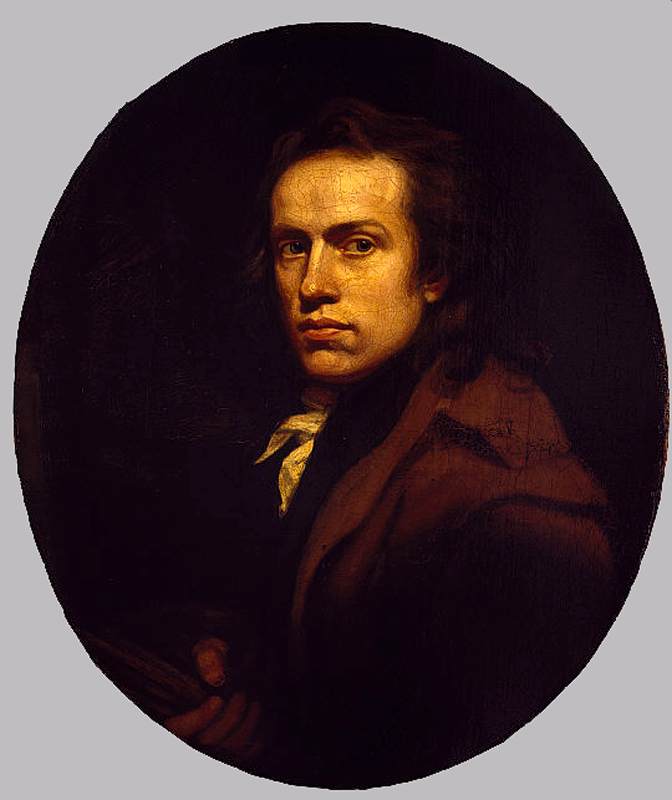
Self-Portrait

Explore John Opie’s 1789 ‘Self-Portrait,’ a dramatic Baroque masterpiece featuring chiaroscuro & intense emotion. Oil on canvas, Cornish art history.

John Opie RA (1761-1807) was a Cornish historical & portrait painter celebrated for his portraits of prominent figures and Rembrandtesque style. A Royal Academician and art writer.

Giclée / Umjetnički otisak

Giclée tisak muzejske kvalitete ili otisak na platnu uz brzu proizvodnju i fleksibilne opcije završne obrade. (Prebacite se na ručno oslikano djelo Prebacite se na ručno oslikano djeloPrebacite na sliku Prebacite na sliku)

P118B $10
P118H $10
P118W $10
P438Z $10
P508JH $12
P508YH $12
P805H $10
P805Z $10
P919BZ $10
P919G $10
P919XJ $10
P959ZH $10
P968JZ $12
W106C $8
W218G $10
W218JH $8
W218Y $10
W307PJ $10
W316G $10
W316PJ $8
W316Y $10
W398PJ $8
W4111J $10
W500HY $15
W500JH $15
W692G $12
W849H $8
W940BG $15
W953PJ $8

Standard
custom
CM
INCH

Odaberite jednu od naših unaprijed definiranih veličina koje odgovaraju izvornim proporcijama umjetničkog djela.

širina
visina

Možete unijeti vlastite dimenzije kako biste umjetničko djelo prilagodili specifičnom okviru ili prostoru. Ako odabrana veličina ne odgovara proporcijama izvornog rada, izrezat ćemo dio slike ili je proširiti pomoću ogledalnog efekta ili jednobojne rubne površine. Digitalni prikaz (mockup) bit će vam poslan na odobrenje prije početka proizvodnje.
Imajte na umu da pregled na zaslonu ne odražava stvarno izrezivanje ili proširivanje. Samo će mockup točno prikazati konačnu kompoziciju.
Iako su dostupne prilagođene veličine, preporučujemo odabir dimenzije iz unaprijed definirane liste kako biste očuvali izvorne proporcije.

Dostava širom svijeta () u roku od 2 tjedna umjesto standardnih 4/5 tjedana. (30 Srpanj)

why_choose_icon
Besplatna ekspresna dostava širom svijeta
why_choose_icon
Visokokvalitetno laneno platno
why_choose_icon
Potpuno osiguranje dostave
why_choose_icon
Jamstvo povrata carine i uvoznih poreza
why_choose_icon
Garancija vjernog podudaranja boja
why_choose_icon
Politika povrata u roku od 60 dana (samo u slučaju nedostataka)
why_choose_icon
Jamstvo povrata 100% novca
why_choose_icon
Popust na više proizvoda

Ukupna cijena

$ 69

reproduction

Self-Portrait

Giclée / Umjetnički otisak

Veličina reprodukcije

-

Ukupna cijena

$ 69

Osnovne informacije

  • Influences:
    • Caravaggio
    • Velazquez
  • Medium: Oil on canvas
  • Title: Self-Portrait
  • Notable elements or techniques: Chiaroscuro, dramatic lighting
  • Artistic style: Portraiture, realistic
  • Artist: John Opie
  • Movement: Baroque

Kviz o umjetnosti

Svako pitanje ima samo jedan točan odgovor.

Pitanje 1:
What artistic movement is most strongly reflected in John Opie’s ‘Self-Portrait’?
Pitanje 2:
The dark background in the ‘Self-Portrait’ primarily serves to:
Pitanje 3:
According to the provided text, what was John Opie’s early career path before becoming a painter?
Pitanje 4:
In what year was John Opie born?
Pitanje 5:
The text mentions that Opie’s early success was largely due to the mentorship of which figure?

Opis djela

The Enigmatic Gaze: Unveiling John Opie’s Self-Portrait

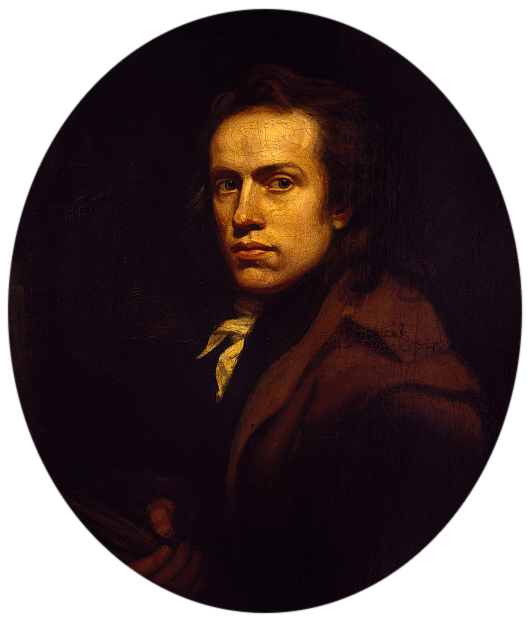
John Opie's 1789 “Self-Portrait” isn’t merely a likeness; it’s a carefully constructed window into the soul of a burgeoning artistic talent. Painted in oil on canvas, this oval composition immediately commands attention with its dramatic chiaroscuro – a masterful manipulation of light and shadow that plunges the viewer into an atmosphere of profound introspection. The portrait depicts Opie himself, not as a triumphant figure, but as a contemplative man, his gaze fixed directly upon the observer, inviting us to share in his thoughts and emotions. The choice of this particular pose—a slight turn of the head, a subtle furrowing of the brow—suggests a mind wrestling with ideas, a quiet intensity that belies the young artist’s burgeoning fame.

Self-Portrait by John Opie

Baroque Drama and Cornish Roots

Opie’s style is deeply rooted in the Baroque tradition, a movement known for its theatricality, emotional intensity, and dramatic use of light. The influence of Caravaggio and Rembrandt—artists who were masters of chiaroscuro—is readily apparent in Opie's work. The stark contrast between the illuminated areas of the face and clothing and the deep shadows that envelop the background creates a sense of depth and volume, drawing our attention to the central figure. This technique wasn’t simply aesthetic; it was a deliberate choice to convey a powerful emotional state – here, a blend of seriousness, intelligence, and perhaps even melancholy. Born in Trevellas, Cornwall, Opie's artistic sensibility was profoundly shaped by his Cornish heritage, evident in the ruggedness of his features and the earthy tones that dominate the palette.

A Study in Form and Texture

Beyond the dramatic lighting, a closer examination reveals Opie’s meticulous attention to detail. The artist skillfully employs lines to define the contours of the face, clothing, and hair, creating a sense of solidity and form. The layering of paint—a technique known as impasto—adds texture to the surface, particularly in the rendering of the fabric draped over his shoulders and the delicate details of his hands. Note the subtle variations in color and tone that suggest the play of light on different surfaces. This careful observation and execution demonstrate Opie’s commitment to realism, a hallmark of his style.

Symbolism and the Portraiture of the Mind

The portrait transcends a simple likeness; it's a symbolic representation of the artist’s inner world. The direct gaze invites engagement, suggesting that Opie is not simply presenting himself but offering an invitation to share in his thoughts. The serious expression—a hallmark of many self-portraits from this period—hints at intelligence, introspection, and perhaps even a touch of melancholy. Considering the historical context – the late 18th century was a time of intellectual ferment and social change – Opie’s portrait can be interpreted as an exploration of identity in a rapidly evolving world. The choice to depict himself alone reinforces this sense of internal reflection, suggesting that the artist is grappling with profound questions about his place in society and his role as a creative force.

Further Exploration


Biografija umjetnika

A Cornish Prodigy Ascends: The Life and Art of John Opie

John Opie, born in the humble surroundings of Harmony Cottage, Trevellas, Cornwall in 1761, emerged as one of the most remarkable artistic figures of his generation. His story is a compelling narrative of raw talent nurtured against the odds, rising from a carpenter’s son to become a celebrated portraitist and history painter, a Royal Academician, and an influential voice within the British art world. Opie's early life was marked by a precocious aptitude for both drawing and mathematics – a duality that perhaps informed his meticulous approach to composition and form. Even as a young boy, he demonstrated an independent spirit, establishing an evening school to teach reading, writing, and arithmetic to local children while simultaneously mastering Euclid’s geometry. This thirst for knowledge, coupled with his artistic inclination, was initially met with resistance from his father, who insisted on an apprenticeship in carpentry. However, fate intervened in the form of Dr. John Wolcot, known as Peter Pindar, a physician and satirist whose discerning eye recognized the extraordinary potential within the young Opie.

Mentorship, London, and Royal Patronage

Wolcot became Opie’s champion, securing his release from the carpentry apprenticeship and providing him with invaluable guidance, encouragement, and crucial introductions. This mentorship proved pivotal in launching Opie's career. In 1781, they journeyed to London together, where Wolcot shrewdly presented Opie as a self-taught prodigy – a “Cornish wonder” untouched by formal artistic training. This narrative captivated the London art scene, drawing comparisons to masters like Caravaggio and Velázquez from none other than Sir Joshua Reynolds himself. The initial success was swift and dazzling. Commissions poured in, including portraits of members of the British royal family—the Duke and Duchess of Gloucester, Lady Salisbury, and Mary Delany among them. Opie’s residence on Castle Street became a hub of fashionable society, his talent commanding attention and admiration. However, the partnership with Wolcot eventually dissolved as Opie asserted his independence, seeking to forge his own path without the constraints of their profit-sharing agreement. This period solidified Opie's reputation, establishing him as a leading portraitist capable of capturing not only physical likeness but also the character and social standing of his sitters.

Beyond Portraiture: Historical Paintings and Academic Recognition

While initially celebrated for his portraits, Opie harbored ambitions beyond simply recording the faces of the elite. He yearned to engage with grand historical narratives, seeking to establish himself as a painter of significant subjects. This ambition led him to explore history painting, culminating in works like *The Assassination of James I* (1786) and *The Murder of Rizzio* (1787). The latter proved particularly impactful, earning him immediate election as an Associate of the Royal Academy and full membership the following year. These historical paintings demonstrated a growing mastery of composition, dramatic lighting—often reminiscent of Rembrandt—and a commitment to conveying emotional intensity. Opie’s dedication to his craft extended beyond painting; he actively sought to broaden his intellectual horizons through the study of Latin, French literature, and cultivated social circles. He also became deeply involved with John Boydell's Shakespeare Gallery, creating five paintings inspired by the Bard’s plays, further cementing his position within the artistic establishment.

A Legacy of Artistry and Thought

Opie’s later life was marked by both professional success and personal challenges. His first marriage proved unhappy, ending in divorce in 1796. However, he found lasting happiness with Amelia Alderson, a writer and abolitionist whom he married in 1798. Their partnership fostered mutual support and intellectual stimulation. In 1805, Opie was appointed Professor of Painting at the Royal Academy, a testament to his standing within the art world. His lectures, delivered in 1806 and published posthumously in 1809 with a memoir by Amelia, revealed a thoughtful and articulate mind deeply engaged with the principles of artistic creation. He advocated for the formation of a national gallery—a visionary idea that would eventually become reality—and offered insightful commentary on the state of British art. John Opie’s untimely death in April 1807 at the age of 46 cut short a promising career, but his legacy endures. He left behind a substantial body of work – over 500 portraits and 250 other paintings—that offers a fascinating glimpse into the social and cultural landscape of late 18th and early 19th century Britain. He remains a significant figure in British art history, celebrated for his technical skill, insightful portraiture, and contributions to artistic discourse.

John Opie

John Opie

1761 - 1807 , United Kingdom

Osnovne informacije

  • Artistic Movement Or Style: Historical & Portraiture
  • Artists Who Influenced This Artist:
    • Caravaggio
    • Velazquez
  • Date Of Birth: 1761
  • Date Of Death: 1807
  • Full Name: John Opie
  • Nationality: British
  • Notable Artworks: ['Shakespeare Gallery works']
  • Place Of Birth: Trevellas, UK
© TopImpressionists.com — Sva prava pridržana  ·  100% Ručno oslikano · Jamstvo zadovoljstva · Besplatna dostava širom svijeta
VISA MASTERCARD