


 Pregledaj u stvarnoj veličini
 Podijeli
 Podijeli
 Detalji
 Vodič
Vodič

 Preuzmi datoteku
 Slični predmeti
 Rentgenska snimka
 Slide show
 Statistika
Fruit
 Oil On Canvas
- WallArt
- Impressionism
 1888
1888- 19th Century
 54.0 x 44.0 cm
 Muzej umjetnosti Metropolitan
Admire Julian Alden Weir’s ‘Fruit’ (1888), a vibrant Impressionist still life featuring apples, oranges & grapes. Hand-painted reproduction – perfect for art lovers.
 Pročitajte više
Julian Alden Weir (1852-1919): Istražite idilične pejzaže jednog vodećeg američkog impresionista i majstora tonalizma. Otkrijte njegovu ostavštinu na farmi Weir i utjecaj na modernu umjetnost.
Giclée / Umjetnički otisak
Giclée tisak muzejske kvalitete ili otisak na platnu uz brzu proizvodnju i fleksibilne opcije završne obrade. ( Naručite ručno oslikano reprodukciju Prebacite na digitalnu prodaju slika)




P118B €10

P118H €10

P118W €10

P438Z €10

P508JH €12

P508YH €12

P805H €10

P805Z €10

P919BZ €10

P919G €10

P919XJ €10

P959ZH €10

P968JZ €12

W106C €8

W218G €10

W218JH €8

W218Y €10

W307PJ €10

W316G €10

W316PJ €8

W316Y €10

W398PJ €8

W4111J €10

W500HY €15

W500JH €15

W692G €12

W849H €8

W940BG €15

W953PJ €8




Standardne dimenzije
prilagođeno po mjeri
CM
INCH
Odaberite jednu od naših unaprijed definiranih veličina koje odgovaraju izvornim proporcijama umjetničkog djela.
Loading sizes...

širina
visina
Unesite širinu i visinu koja vam je potrebna, kako bi odgovarali vašem okviru ili zidu. Print se može samo izrezati, nikada ne može biti veći od slike, stoga veličina s drugačijim oblikom gubi dio slike. Šaljemo vam digitalni prikaz (mockup) na odobrenje prije bilo kakve štampe. Slika prikazana na ovoj stranici ne prikazuje stvarni rez — to čini samo digitalni prikaz.
Dostava širom svijeta () u roku od 2 tjedna umjesto standardnih 4/5 tjedana. (20 Listopad)

Besplatna ekspresna dostava širom svijeta

Visokokvalitetno laneno platno

Potpuno osiguranje transporta

Jamstvo povrata carine i uvoznih poreza

Jamstvo vjernosti boja

Politika povrata u roku od 100 dana (samo u slučaju nedostataka)

Jamstvo povrata 100% novca

Popust na više proizvoda
 Opcija stakla dostupna je samo za dimenzije manje od 110 cm

Fruit
Giclée / Umjetnički otisak
Veličina reprodukcije
-


Ukupna cijena
€ 60
Julian Alden Weir’s “Fruit”: A Still Life of Transient Beauty
Julian Alden Weir's 1888 painting, "Fruit," offers a captivating glimpse into the burgeoning world of American Impressionism. More than just a depiction of apples, oranges, and grapes arranged on a table, it’s a meditation on beauty, decay, and the fleeting nature of existence – a core tenet of the *vanitas* tradition prevalent in European art at the time. Weir, born in West Point, New York, inherited an artistic lineage deeply rooted in formal training, beginning with his father's instruction at the United States Military Academy, yet it was his immersion in Parisian ateliers and encounters with artists like Jean-Léon Gérôme that truly ignited his distinctive style. This painting represents a pivotal moment in Weir’s artistic journey – a deliberate shift away from the rigid academicism of his early years towards a more subjective and emotionally resonant approach to capturing the world around him.
The composition itself is deceptively simple, yet meticulously crafted. The arrangement of the fruit—the vibrant red of the apples, the sunny yellow of the oranges, and the deep purple of the grapes – draws the eye immediately. Notice how Weir doesn’t strive for photographic realism; instead, he employs loose brushstrokes and a muted palette, prioritizing atmosphere and light over precise detail. The table, rendered with subtle tonal variations, provides a grounding element, anchoring the vibrant fruits within a sense of quiet contemplation. This deliberate choice reflects the influence of artists like Edouard Manet, whom Weir admired and whose work encouraged him to explore more intimate still lifes that evoked the *vanitas* tradition – a reminder of mortality and the transience of earthly pleasures.
The Influence of *Vanitas* and the Symbolism of Decay
“Fruit” is deeply informed by the *vanitas* genre, a popular theme in Northern European art during the 16th and 17th centuries. *Vanitas* paintings typically featured symbolic objects – skulls, decaying fruit, extinguished candles – to remind viewers of the inevitability of death and the futility of worldly pursuits. While Weir’s work isn't overtly morbid, the inclusion of ripe fruit on the verge of decay subtly conveys this underlying theme. The slightly bruised apple, for instance, hints at the passage of time and the ephemeral nature of beauty. The grapes, plump and luscious, represent abundance and pleasure, but their proximity to the decaying elements suggests that even these joys are ultimately transient.
Beyond *vanitas*, individual fruits carry specific symbolic weight. Apples have long been associated with knowledge, temptation, and immortality in Western art. Oranges, introduced to Europe from the East, represented wealth and luxury. Grapes symbolize abundance, fertility, and joy. Weir’s careful selection of these elements creates a layered visual narrative, inviting viewers to contemplate not just the beauty of the fruit itself, but also its deeper meaning.
Technique and Artistic Style
Weir's masterful technique is evident in his skillful use of light and shadow. He employs broken color—applying small dabs of paint rather than blending them smoothly—to create a sense of luminosity and atmospheric depth. The brushstrokes are loose and expressive, capturing the texture of the fruit’s skin and the sheen of its surfaces. This approach aligns with the Impressionist movement's emphasis on capturing fleeting moments and subjective perceptions. The painting is executed in oil on canvas, a medium that allowed Weir to achieve rich colors and subtle tonal variations.
Interestingly, this period of Weir’s work – the 1880s – saw him moving away from his earlier academic style and embracing a more intimate and emotionally driven approach. His connection with artists like Edouard Manet during his time in Paris undoubtedly played a role in this transformation. The painting's quiet elegance and contemplative mood reflect Weir’s growing confidence as an artist, signaling a shift towards a distinctly American brand of Impressionism.
A Reproduction for Art Lovers
TopImpressionists is proud to offer a meticulously hand-painted reproduction of Julian Alden Weir’s “Fruit.” This isn't merely a print; it’s a faithful recreation of the original, capturing the artist’s delicate brushwork and evocative atmosphere. The 54 x 44 cm size makes this piece ideal for adding a touch of timeless beauty to any room – from a cozy study to a sophisticated dining area. The subtle color palette and nuanced details will bring a sense of serenity and contemplation to your space, reminding you of the fleeting nature of beauty and the importance of appreciating the present moment. Explore our collection today and bring home a piece of art history.
Pitanja i odgovori
Postoji li vodič za "Fruit" autora Julian Alden Weir?
Vodič za "Fruit" je stranica Vodič umjetničkog djela – isprintani informativni list koji prikazuje umjetničko djelo s njegovim opisom, izvorom i tablicom podataka (umjetnik, datumi, tehnika, izvorni dimenzije, kolekcija).
Kakvih je proporcija "Fruit" autora Julian Alden Weir i koje su mu dimenzije?
Format djela "Fruit" je Portrait, a izvornik dimenzija iznosi 54 x 44 cm. Oba su podatka korisna prilikom planiranja reprodukcije.
Kolika je intenzitet boja u djelu "Fruit" autora Julian Alden Weir?
"Fruit" autora Julian Alden Weir prikazuje Monochromatic intenzitet boja.
Srodna umjetnička djela


Biografija umjetnika
Rani Život i Umjetnički Temelji
Julian Alden Weir, rođen 30. kolovoza 1852. u West Pointu, New York, naslijedio je umjetničku lozu koja je duboko utjecala na njegov put. Njegov otac, Robert Walter Weir, bio je cijenjeni slikar i profesor crtanja na Vojnoj akademiji Sjedinjenih Država, usadivši u mladog Juliana duboku zahvalnost za umjetnost od rane dobi. Kuća je bila živahan atelje, ispunjen alatima i inspiracijom kreativnog života. Ova poticajna sredina protezala se i na njegovog starijeg brata, Johna Fergusona Weira, koji je također postao istaknuti pejzažni umjetnik. Julianovo formalno obrazovanje započelo je oko 1870. godine u Nacionalnoj akademiji dizajna u New Yorku, pružajući mu čvrstu osnovu tradicionalnih tehnika. Međutim, putovanje u Pariz 1873. godine zaista je potaknulo njegov umjetnički razvoj. Studiranje pod Jean-Léonom Gérômeom na École des Beaux-Arts izložilo ga je akademskoj strogosti i pedantnim detaljima, dok su prijateljstva sklopljena s umjetnicima poput Julesa Bastiena-Lepagea proširila njegovo razumijevanje mogućnosti slikanja. U početku je Weir gajio snažno protivljenje nadolazećem impresionističkom pokretu, odbacujući njegovu navodnu manjkanje forme i strukture kao "užasno". Ovaj rani otpor pokazao se ključnim jer je njegovo konačno prihvvaćanje impresionizma došlo ne izravnim prihvaćanjem, već postupnom evolucijom razumijevanja.Godine u Connecticutu i Umjetnička Transformacija
Prekretnica u Weirovom životu stigla je s njegovim brakom za Annu Dwight Baker 1883. godine i njihovim preseljenjem u Branchville, Connecticut. Kupio je farmu tamo tražeći odmor od užurbanog umjetničkog svijeta New Yorka. Ova seoska sredina postala više od samo odmorišta; to je bio izvor inspiracije. Mirni krajolici, ritmovi života na farmi i intimna veza s prirodom počeli su suptilno mijenjati njegov umjetnički fokus. Iako je u početku nastavio producirati portrete i mrtve prirode u tradicionalnom stilu, Weir se sve više privlačio hvatanju prolaznih efekata svjetla i atmosfere. Oko 1891. godine ova sklonost procvala je u potpuno prihvvaćanje impresionizma. Pod utjecajem kolega umjetnika poput Johna Twachtmana i Theodorea Robinsona, počeo je eksperimentirati s razbijenim potezima kista, živopisnim paletama boja i naglaskom na subjektivnoj percepciji. To nije bilo potpuno napuštanje njegovog ranijeg treninga; već sinteza akademske vještine s inovativnim duhom novog pokreta. Njegov se stil često kretao između čistog impresionističkog izraza i prigušenijeg tonalizma, stvarajući jedinstven vizualni jezik koji ga je razlikovao od njegovih suvremenika. Također je pokazao značajan talent kao graver, posebno kroz vještitu upotrebu tehnike akvatinte.Vodeći Glas u Američkoj Umjetnosti
Krajem 19. stoljeća Julian Alden Weir uspostavio se kao istaknuta figura na američkoj umjetničkoj sceni. Bio je ključan u osnivanju “Desetorice”, grupe od deset neovisnih slikara koji su nastojali izlagati svoj rad izvan okvira tradicionalnih institucija poput Nacionalne akademije dizajna. Ovaj kolektiv—uključujući umjetnike poput Childea Hassama, Willarda Leroya Metcalfa i Edmunda Tarbella—predstavljao je značajan korak prema umjetničkoj autonomiji i pomogao u oblikovanju smjera američkog slikarstva. Godine 1912. Weir je izabran za prvog predsjednika Udruženja američkih slikara i kipara, čime se dodatno učvrstila njegova voditeljska uloga unutar umjetničke zajednice. Kasnije je služio kao predsjednik same Nacionalne akademije dizajna, što pokazuje poštovanje koje je stekao od progresivnih i konzervativnih frakcija umjetničkog svijeta. Njegova ključna djela iz tog razdoblja—poput *Na obali* (1892.), živopisnog prizora obale; *Dvorište u Novoj Engleskoj* (1904.), šarmantne slike seoskog života; i *Visoka pašnjaka* (1905.)—primjeri su njegove majstorije impresionističkih tehnika i sposobnosti hvatanja bit američkih krajolika.Nasljeđe i Trajni Utjecaj
Julian Alden Weir doprinosi sežu daleko izvan njegovih pojedinačnih slika. Imao je ključnu ulogu u premošćivanju jaza između tradicionalnog akademskog slikarstva i inovativnog duha impresionizma, utirući put budućim generacijama američkih umjetnika. Njegova predanost poticanju umjetničke neovisnosti kroz “Desetorice” izazvala je uspostavljene norme i pomogla u stvaranju živopisnijeg i raznolikijeg umjetničkog krajolika. Danas, Nacionalna povijesna lokacija farme Weir u Branchvilleu, Connecticut, stoji kao svjedočanstvo njegovog života i rada. Sačuvana onakva kakva je bila za vrijeme njegova boravka, farma posjetiteljima pruža pogled u svijet koji ga je inspirirao—valoviti brežuljci, izblijedjele štale i tiha ljepota seoske Nove Engleske. Lokacija služi ne samo kao povijesni spomenik, već i kao kontinuirani izvor inspiracije za umjetnike danas. Njegova obiteljska umjetnička ostavština – proizašla iz njegova oca Roberta Waltera Weira, slikara Hudson River School – dodatno učvršćuje Julianovo mjesto u širem narativu američke povijesti umjetnosti. Umro je u New Yorku 8. prosinca 1919., ostavljajući za sobom djelo koje nastavlja očaravati i inspirirati, podsjećajući nas na moć umjetnosti da uhvati ljepotu i bit svijeta oko nas.- Ključna Djela: *Na obali* (1892.), *Dvorište u Novoj Engleskoj* (1904.), *Visoka pašnjaka* (1905.)
- Umjetnički Stil: Impresionizam, Tonalizam
- Asocijacije: “Desetorice”, Nacionalna akademija dizajna

Julian Alden Weir
1852 - 1919 , Sjedinjene Američke Države
Brzi pregled
- Datum Rođenja: 30. kolovoza 1852.
- Datum Smrti: 8. prosinca 1919.
- Državljanstvo: Amerikanac
- Mjesto Rođenja: West Point, SAD
- Puno Ime: Julian Alden Weir
- Umjetnici Pod Utjecajem: ['Deset američkih slikara']
- Umjetnički Pokret/Stil: Impresionizam, Tonalizam
- Utjecajni Umjetnici:
- Jean-Léon Gérôme
- Jules Bastien-Lepage
- Značajna Djela:
- Na obali
- Engleski dvorište
- Visoka pašnjaka
Povezani članci

The Timeless Charm of Oil on Board: Reimagining Texture and Light through the Impressionist Lens
Discover the profound intimacy of oil on panel. Explore how Impressionist masters used rigid supports to capture light, texture, and impasto depth through exquisite, handmade oil reproductions for discerning collectors.

The Soul of Impressionism: Why Oil on Canvas Captures Eternal Light and Timeless Emotion
Discover the enchanting alchemy of Impressionism. Explore how the mastery of oil on canvas, through glazing and impasto, captures eternal light and emotion. Perfect for lovers of Monet and Van Gogh seeking the profound depth of hand-painted fine art.

Enchanting Strokes: Unveiling the Luminous Magic and Timeless Soul of Impressionist Masterpieces
Immerse yourself in the luminous beauty of Impressionism. TopImpressionists.com offers exquisite, hand-painted oil reproductions of masters like Monet and Van Gogh. From museum-quality landscapes to bespoke portraits from photos, we bring timeless artistry and soul to your collection.
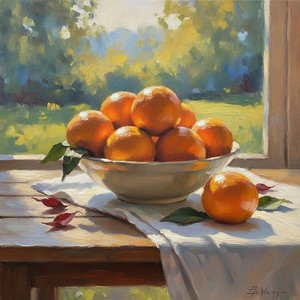
Sun-Drenched Citrus: The Vibrant Beauty of Oranges in Impressionist Masterpieces
Embark on a sensory journey through Impressionist masterpieces. Discover how Renoir and Cézanne captured the vibrant light and luscious textures of sun-drenched oranges in exquisite still life paintings designed to inspire and transform your home.

Moonlight Magic: Capturing the Luminous Glow of Impressionist Nightscapes
Discover the ethereal beauty of Impressionist nightscapes. Explore how masters like Monet and Van Gogh captured moonlight through luminous oil textures. Expert insights for collectors seeking museum-quality, handmade reproductions to transform their homes with timeless nocturnal magic.