


 Pregledaj u realnoj veličini
 Pošalji
 Podijeli
 Detalji o umjetničkom djelu
 Vodič
Vodič

 Preuzmi umjetničko djelo
 Slični predmeti
 Rentgenska snimka
 Slide show
 Statistika
Harlech
 Impressionism
 62.0 x 75.0 cm
Discover 'Harlech' by Leonard Appelbee – a stunning oil landscape painting evoking tranquility & vastness. Impressionistic brushwork captures rolling hills & atmospheric light. A beautiful piece for art lovers.
Explore the diverse art of Leonard Appelbee (1914-2000), known for still lifes, landscapes, and portraits. Discover his contributions to British art through paintings reflecting post-war society and rural scenes.
 Prikaži više
Djelo prikazano na ovoj stranici zaštićeno je autorskim pravima, što znači da zakonski ne možemo izraditi niti prodati identičnu reprodukciju. Ova se zaštita provodi u skladu s međunarodnim sporazumima kao što su Bernska konvencija i nacionalnim zakonima, uključujući i one koji su utvrđeni u Američki zakon o autorskom pravu – Title 17.
Kao poštovana i legalna alternativa, nudimo prilagođena, ručno oslikana umjetnička djela inspirirana originalom. Naši vješti i profesionalni umjetnici pažljivo proučavaju stil, raspoloženje i umjetničku bit originala kako bi stvorili novo, jedinstveno djelo koje izaziva isti osjećaj – ostajući pritom vlastito, originalno stvaralaštvo.
Ova metoda u potpunosti je usklađena s autorskim pravima jer ne uključuje kopiranje ili dupliciranje zaštićenih umjetničkih djela. Umjesto toga, riječ je o kreativnoj reinterpretaciji – novoj slici koja je dobila utjecaj na izvornik, ali nije identična njemu.
Ručno rađena uljana reprodukcija
Ručno oslikano uljanim bojama na platnu u dimenzijama i okviru po vašem izboru, izrađeno po narudžbi od strane naših umjetnika. ( Prebacite na printove Prebacite na digitalnu sliku)




































Standardne dimenzije
po mjeri
CM
INCH
Odaberite jednu od naših unaprijed definiranih veličina koje odgovaraju izvornim proporcijama umjetničkog djela.
Loading sizes...

širina
visina
Unesite potrebnu širinu i visinu kako bi dimenzije odgovarale vašem okviru ili zidu. Budući da je riječ o ručno oslikanom djelu, umjetnik može malo proširiti rubove slike ili ih skratiti kako bi postigao drugačiji oblik — izbor je vaš. Prije početka slikanja poslat ćemo vam digitalni prikaz (mockup) radi potvrde. Slika prikazana na ovoj stranici ne predstavlja stvarni rezultat — samo digitalni prikaz to čini.
Primjeri mogućnosti prilagodbe: Zamijenite lice fotografijom klijenta; Dodajte ljubimca (npr. zamijenite mačku psom); Uključite skrivenu poruku u pozadinu; Promijenite pejzaž ili elemente pozadine.
Nakon narudžbe, tim TopImpressionists.com kontaktirat će klijenta putem e-pošte radi dobivanja uputa te dostaviti probni prikaz (mockup)
Nakon narudžbe, tim TopImpressionists.com kontaktirat će klijenta putem e-pošte radi dobivanja uputa te dostaviti probni prikaz (mockup)
Isporuka širom svijeta () u roku od 3-4 tjedna umjesto standardnih 5 tjedana. (28 Listopad). Bez kompromisa u kvaliteti.

Besplatna ekspresna dostava širom svijeta

Visokokvalitetno laneno platno

Potpuno osiguranje dostave

Jamstvo povrata carine i uvoznih poreza

Jamstvo vjernosti boja

Politika povrata u roku od 100 dana (samo u slučaju nedostataka)

Jamstvo povrata 100% novca

Popust na više proizvoda
 Opcija stakla dostupna je samo za dimenzije manje od 110 cm

Harlech
Tehnika reprodukcije
Veličina reprodukcije
-


Ukupna cijena
€ 237
Srodna umjetnička djela


Biografija umjetnika
The Quiet Observer: The Life and Legacy of Leonard Appelbee
Born on November 13th, 1914, in the heart of Fulham, London, Leonard Appelbee emerged as a painter whose work would eventually become a profound meditation on the stillness of English life. Though his roots were tied to the industrious spirit of his father, a coppersmith, Appelbee’s soul was drawn toward the delicate interplay of light and form. His early education at Goldsmiths College of Art and later at the Royal College of Art provided him with a rigorous technical foundation, yet it was his deep connection to the landscape that would define his artistic identity. Throughout a career spanning nearly six decades, Appelbee moved between the urban energy of London and the tranquil expanses of the Suffolk countryside, allowing each environment to leave an indelible mark on his palette and perspective.
The evolution of Appelbee’s style is a fascinating journey through the major movements of the twentieth century. In his early years, one can detect the structural echoes of Cubism, particularly in works like "The King Crab" (1938), where the influence of masters such as Picasso and Braque manifests in textured, muted tones and a deliberate fragmentation of form. However, as his gaze turned more frequently toward the natural world, his work transitioned into a deeply personal brand of Impressionism. This shift was not merely a change in technique but a deepening of intent; he began to prioritize the atmospheric weight of a scene, using meticulous brushwork and careful layering of pigments to capture the fleeting luminosity of the English seasons. His landscapes, often depicting the coastal marshes and arable fields of Suffolk, utilize a sophisticated range of greens, browns, and blues to evoke a sense of quiet dignity and post-war resilience.
A Mastery of Stillness and Symbolism
While his landscapes offered a window into the soul of rural England, it was in his still lifes that Appelbee achieved a remarkable ability to distill complex emotions into deceptively simple arrangements. He possessed a rare gift for elevating the mundane—a piece of raw meat, an onion, or a bowl—into objects of profound contemplation. In masterpieces such as "Still Life No.10" (1950), the artist demonstrates an exquisite command over composition and balance, guiding the viewer’s eye through a harmonious arrangement that feels both intimate and timeless. These works often serve as meditations on memory and the beauty of everyday existence, where the play of light on organic textures creates a surface that seems to shimmer with life.
Beyond the domestic sphere, Appelbee’s versatility extended into portraiture and even graphic design, notably his 1939 poster for the Wimbledon Championships. His wartime service in the Army, including roles within the Special Operations Executive, added a layer of gravity to his later observations of peace. The following elements characterize the breadth of his artistic output:
- Portraiture: Notable commissions for prestigious institutions such as Eton College and Corpus Christi College, Cambridge, showcasing his ability to capture character and presence.
- Landscape Art: Serene depictions of the British countryside, such as "The Watering Place" (1949), which evoke a sense of tranquility and connection to nature.
- Printmaking: A dedicated exploration of line and texture that complemented his oil paintings.
Historical Significance and Enduring Resonance
Though Appelbee remained largely unrecognized by the mainstream art establishment during much of his lifetime, his contributions to British art are increasingly recognized for their sincerity and technical brilliance. His participation in the Festival of Britain celebrations in 1951, through works like "One-man Band", placed him at the center of a significant cultural moment in post-war reconstruction. His accolades, including winning the Silver Medal at the Paris Salon in 1970, speak to an international standard of excellence that transcended local boundaries.
Today, Appelbee’s work resonates with a contemporary audience seeking solace in the "quiet" moments of history. He remains a vital figure for collectors and historians alike, representing a bridge between the structured experimentation of early modernism and the emotive, observational traditions of British landscape painting. His legacy lives on in the way his canvases continue to capture the ephemeral beauty of a world caught between the shadows of war and the enduring light of the natural world.

Leonard Appelbee
1914 - 2000
Osnovne informacije
- Artistic Movement Or Style: Cubism & Impressionism
- Artists Or Movements Influenced By This Artist: ['Cubism']
- Artists Who Influenced This Artist: ['Georges Braque']
- Date Of Birth: 1914
- Date Of Death: 2000
- Full Name: Leonard Appelbee
- Nationality: British
- Notable Artworks:
- Still Life No.10
- The King Crab
- Torridge above Sheepwash Bridge
- Place Of Birth: Suffolk, England
Srodni članci
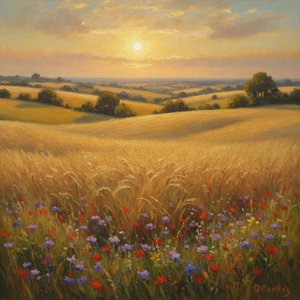
Golden Fields & Sun-Drenched Meadows: Capturing the Soul of Impressionist Landscapes
Immerse yourself in the luminous world of Impressionist landscapes. Discover how masters like Monet and Gauguin captured ephemeral light through plein air painting, and learn to bring the soul of sun-drenched meadows into your home with exquisite, hand-painted oil reproductions.

The Beauty of Impermanence: Capturing Decay through Impressionist Eyes
Explore the profound beauty of impermanence through Impressionist and Post-Impressionist eyes. Discover how masters like Monet and Van Gogh captured fleeting light and the poetic essence of nature's transitions in our deep dive into art history and emotional landscapes.

Beyond the Light: Capturing Raw Emotion and Subjective Vision in Post-Impressionist Landscapes
Explore the profound emotional depth of Post-Impressionist landscapes. Discover how masters like Van Gogh moved beyond light to capture raw human feeling through vibrant color and expressive texture in this expert art history retrospective.

The Timeless Charm of Oil on Board: Reimagining Texture and Light through the Impressionist Lens
Discover the profound intimacy of oil on panel. Explore how Impressionist masters used rigid supports to capture light, texture, and impasto depth through exquisite, handmade oil reproductions for discerning collectors.

Capturing the Soul: The Most Emotionally Moving Impressionist and Post-Impressionist Masterpieces
Discover the profound emotional depth of Impressionist and Post-Impressionist masterpieces. Explore how legends like Monet, Van Gogh, and Gauguin captured light and soul through evocative landscapes and vibrant brushwork for a timeless connection to art history.