

Shown: · With its frame:
 Pregledaj u realnoj veličini
 Pošalji
 Podijeli
 Detalji o umjetničkom djelu
 Vodič
Vodič

 Preuzmi umjetničko djelo
 Slični predmeti
 Rentgenska snimka
 Slide show
 Q&A
Q&A Statistika
Marietta
 64.0 x 83.0 cm
 Leeds Art Gallery
€ 237
Ručno rađena uljana reprodukcija
Ručno oslikano uljanim bojama na platnu u dimenzijama i okviru po vašem izboru, izrađeno po narudžbi od strane naših umjetnika. ( Prebacite na printove Prebacite na digitalnu sliku)
Size
·Standardne dimenzije
po mjeri
CM
INCH
Odaberite jednu od naših unaprijed definiranih veličina koje odgovaraju izvornim proporcijama umjetničkog djela.
Loading sizes...

širina
visina
Unesite potrebnu širinu i visinu kako bi dimenzije odgovarale vašem okviru ili zidu. Budući da je riječ o ručno oslikanom djelu, umjetnik može malo proširiti rubove slike ili ih skratiti kako bi postigao drugačiji oblik — izbor je vaš. Prije početka slikanja poslat ćemo vam digitalni prikaz (mockup) radi potvrde. Slika prikazana na ovoj stranici ne predstavlja stvarni rezultat — samo digitalni prikaz to čini.
 Pročitajte više
Finish
·
White €1

Blurside €1

Extended €1

P118B €10

P118H €10

P118W €10

P438Z €10

P508JH €12

P508YH €12

P805H €10

P805Z €10

P919BZ €10

P919G €10

P919XJ €10

P959ZH €10

P968JZ €12

W106C €8

W218G €10

W218JH €8

W218Y €10

W307PJ €10

W316G €10

W316PJ €8

W316Y €10

W398PJ €8

W4111J €10

W500HY €15

W500JH €15

W692G €12

W849H €8

W940BG €15

W953PJ €8

H24-GOLD €30

H24-SILVER €30

H36-GOLD €45

H36-SILVER €45
Shipped in a protective tube, ready for your own framer.
Above 105 cm the frame is shipped as a kit for a professional framer — read the details.
Extras
optionalWhat do the extras include?
Examples of what can be changed: Replace face with customer photo; Add pet (e.g., replace cat with dog); Include hidden message in background; Change background landscape or elements.
After order, TopImpressionists.com team will email client for instructions and provide a mockup preview
After order, TopImpressionists.com team will email client for instructions and provide a mockup preview
Isporuka širom svijeta () u roku od 3-4 tjedna umjesto standardnih 5 tjedana. (29 Listopad). Bez kompromisa u kvaliteti.
Zaštitni lak
Natpisna pločica
Detalji gravirane brončane pločice
This elegant plaque features the artist's name and the title of the artwork, finely engraved for a timeless presentation.
It is made from bronze with a refined, elegant finish. The text is precisely laser-engraved for a sharp and permanent result. Measuring 9x2 cm, the plaque is compact yet easy to read. It's built to be durable and scratch-resistant, offering a professional, museum-quality look. Mounting is simple thanks to the included adhesive backing.
Detalji prozirne akrilne pločice
The plaque includes essential engraved details such as the artist's name, the title of the artwork, the date it was created, the type of media used-like oil on canvas or watercolor-a brief description of the piece, and a QR code that links to the complete artwork information.
It is crafted from clear acrylic, offering a sleek, modern appearance. The text is UV-engraved in black to ensure strong visual contrast. With a size of 10x15 cm, it ensures optimal readability. It comes equipped with two metal hooks for secure wall mounting. The plaque is designed to be weather-resistant, making it suitable for various environments, and it includes interactive features that work seamlessly with smartphone scanning.
Detalji crne akrilne pločice
This elegant plaque includes engraved information such as the artist's name, the title of the artwork, the date it was created, the type of media used (like oil on canvas or watercolor), a short description of the artwork, and a QR code for quick access to more information.
The plaque itself is made from refined black acrylic with a premium finish. The text is laser-engraved in white for high contrast and readability. Its size is 10x15 cm, designed to be easy to read. It comes with two metal hooks for professional mounting. The design is sleek and fits any interior style. It is also weather-resistant and durable, with built-in digital integration for mobile compatibility.
Opcija stakla dostupna je samo za dimenzije manje od 110 cm
 Opcija stakla dostupna je samo za dimenzije manje od 110 cm
- Besplatna ekspresna dostava širom svijeta
- Visokokvalitetno laneno platno
- Potpuno osiguranje dostave
- Jamstvo povrata carine i uvoznih poreza
- Jamstvo vjernosti boja
- Politika povrata u roku od 100 dana (samo u slučaju nedostataka)
- Jamstvo povrata 100% novca
- Popust na više proizvoda


Biografija umjetnika
Discover Milly Childers (1866-1922), a Victorian & early 20th-century English painter known for landscapes, portraits, and Impressionist influences. Famous for 'The Terrace' at the Palace of Westminster, capturing Edwardian life.
About the painting
Quick facts and art quiz
About Milly Childers

Milly Childers
1866 - 1922
Biografija umjetnika
A Vision of Light and Tradition: The Life of Milly Childers
In the twilight of the Victorian era, a period defined by rigid social structures and burgeoning artistic revolutions, Emily Maria Eardley Childers—known affectionately to the art world as Milly Childers—carved out a space for herself that was both deeply rooted in tradition and subtly attuned to the modern. Born in 1866 into a prominent political family in Kensington, she was the daughter of Hugh Childers, a man of significant influence in Gladstone’s government. While her lineage placed her at the heart of British political life, her heart belonged to the canvas. Her early years were marked by both privilege and personal loss, yet it was through the disciplined study of art that she found her true voice, navigating the societal constraints placed upon women artists with a quiet, unwavering resilience.
Her artistic journey began with rigorous formal training, including drawing lessons at Marlborough College and later, the prestigious Slade School of Fine Art in London. Under the tutelage of masters such as Frederic Leighton and Joseph Hooker, Childers developed a profound command of academic technique. This foundation in realism provided her with the tools to capture the intricate details of her subjects, from the architectural grandeur of cathedrals to the delicate nuances of domestic life. However, she was far from a mere traditionalist; her time at the Slade exposed her to the radical shifts occurring in the European art scene, allowing her to weave the ephemeral qualities of Impressionism into her classically trained compositions.
The Interplay of Realism and Impressionism
Childers’s oeuvre is a fascinating dialogue between the structured world of the Victorian academy and the fluid, light-drenched ideals of the Impressionists. Her subject matter often turned toward the serene and the spiritual, frequently depicting church interiors and tranquil landscapes. In works such as Interior of a Church, one can observe her remarkable sensitivity to light and shadow. She did not merely paint a space; she painted the way light breathes within it, utilizing broken brushstrokes and a vibrant palette to evoke an atmosphere of profound emotional resonance. This ability to capture fleeting moments—the way dust motes dance in a sunbeam or how shadows lengthen across a stone floor—distinguishes her work from the more static genre paintings of her contemporaries.
Her travels through England and France, often accompanied by her father after his retirement from public service, significantly enriched her visual vocabulary. The landscapes of the French countryside and the atmospheric street scenes of cities like Reims provided her with new perspectives on color and movement. In pieces such as La maison des musiciens, the influence of post-Impressionism becomes even more palpable, as she moves toward a more evocative, atmospheric style that prioritizes the feeling of a place over its literal documentation. This evolution reflects an artist who was constantly seeking to expand the boundaries of her perception.
Legacy and Historical Significance
Perhaps the most enduring testament to Childers’s skill and historical importance is her monumental work, The Terrace. Commissioned for the Palace of Westminster and commemorating the coronation of Edward VII, this painting serves as a powerful window into the Edwardian era. By depicting the Members' Terrace overlooking the River Thames, she captured a specific moment in British history—a time when the political landscape was physically and socially distinct from our own. The painting is not merely a landscape but a social document, featuring figures in period dress that remind the viewer of the era's strict gendered boundaries.
Though her output may not have reached the sheer volume of some of her more famous peers, the significance of Milly Childers lies in the quality of her observation and her ability to bridge two eras. Her work stands as a bridge between the meticulous realism of the mid-19th century and the emotive, light-focused experimentation of the early 20th century. Through her portraits, landscapes, and genre scenes, she preserved the quiet elegance of a vanishing world, leaving behind a legacy of beauty that continues to invite contemplation and wonder.
Osnovne informacije
- Artistic Movement Or Style: Impressionism & Victorian Realism
- Artists Or Movements Influenced By This Artist: ['Edwardian Art']
- Artists Who Influenced This Artist: ['Hugh Culling Eardley Childers']
- Date Of Birth: 1866
- Date Of Death: 1922
- Full Name: Milly Childers
- Nationality: English
- Notable Artworks:
- The Terrace
- Interior of a Church
- Place Of Birth: England
Srodna umjetnička djela

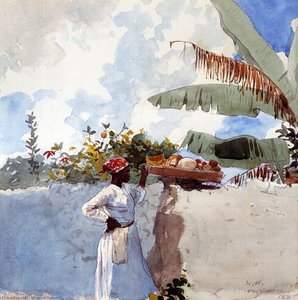


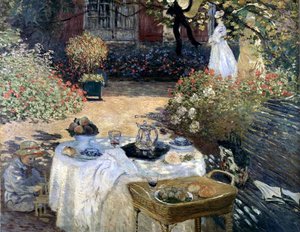


Marietta
·