


 Pregledaj u stvarnoj veličini
 Podijeli
 Podijeli
 Detalji
 Vodič
Vodič

 Preuzmi datoteku
 Slični predmeti
 Rentgenska snimka
 Slide show
 Statistika
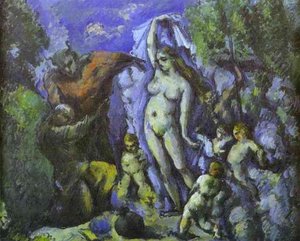
untitled (6213)


Admire Paul Cézanne's 'The Negro Scipion,' a poignant portrait capturing grief and featuring distinctive brushstrokes—a cornerstone of his early artistic vision.
 Pročitajte više
Paul Cézanne (1839-1906): Pionir postimpresionizma koji je spojio impresionizam i kubizam. Otkrijte geometrijske oblike, mrtve prirode i njegov trajni utjecaj na modernu umjetnost! #Cezanne #PostImpresionizam
Kupite digitalnu sliku visoke rezolucije i poboljšane kvalitete, koja je znatno superiornija od online prikaza.
Svaku datoteku pedantno pripremaju naši internim stručnjaci koristeći napredne alate i vještinsku ručnu retušu. Osiguravamo da svaka slika ima iznimnu jasnoću, preciznu točnost boja i vrhunsku razinu detalja.
Konačna datoteka dostavlja se putem e-pošte u roku od 72 sata, optimizirana za neposrednu upotrebu u profesionalnim, uredničkim i tiskarskim okruženjima. To je ista kvaliteta kojoj vjeruju vrhunski studiji dizajna, izdavači i galerije.
Digitalna slika
Preuzmite datoteku visoke rezolucije za osobnu izložbu, tisak i kreativne projekte. ( Prebacite na prodaju printova Naručite ručno oslikano reprodukciju)
Uključeno uz svaku narudžbu digitalne slike
Stručna digitalna dostava, zajamčena
Odabirom TopImpressionists.com ne dobivate samo sliku – dobivate profesionalno unapređeno digitalno umjetničko djelo, izrađeno s najvećom preciznošću uz jamstvo zadovoljstva. Evo svega što automatski dolazi uz vašu narudžbu:

Brza dostava e-poštom
Vaša digitalna slika visoke rezolucije bit će vam poslana e-mailom u roku od 72 sata od trenutka narudžbe – spremna za neposrednu upotrebu.

Digitalna datoteka uz pomoć AI-a
Vaše umjetničko djelo profesionalno je optimizirano pomoću naprednih AI alata i ručnog uređivanja, čime se osigurava maksimalna razina detalja, oštrine i točnosti boja.

Besplatna doživotna ponovna dostava
Slučajno ste obrisali ili izgubili svoju datoteku? Ne brinite – ponovno ćemo vam je poslati u bilo kojem trenutku, potpuno besplatno.

Bez uvoznih pristojnika – ikada
Uživajte u svojim umjetničkim djelima trenutno, bez carina, pristojbi ili troškova dostave – digitalni downloadi uvijek su oslobođeni poreza.

Jamstvo točnosti boja
Uz pomoć profesionalnih alata i upravljanja bojama, osiguravamo da vaša digitalna slika što vjernije odražava izvorne boje.

Jamstvo zadovoljstva u trajanju od 100 dana
Ako niste zadovoljni svojom digitalnom slikom, revidirat ćemo je ili vratiti 100% iznosa u roku od 100 dana – bez suvišnih pitanja.

100% Jamstvo povrata novca
Niste zadovoljni? Osigurajte puni povrat novca u roku od 100 dana od primitka digitalne datoteke – bez suvišnih pitanja.

Popusti na velike narudžbe
Kupite 3 slike, uštedite 10% - Kupite 5 slika, uštedite 15% - Kupite 10+ slika, uštedite 20%. Odlično za kreativne projekte, galerije i agencije.
A Visionary Prelude: The Genesis of Scipion
In the quiet, transformative years of 1867, a young Paul Cézanne was already beginning to dismantle the boundaries of traditional representation. His work, “The Negro Scipion,” serves as a profound window into this nascent period of his career, capturing a moment where the weight of classical influence meets the burgeoning spirit of modernism. The painting presents us with Scipion, a model from Cézanne’s own studio, captured in a state of deep repose within an intimate domestic setting. While the subject appears deceptively simple—a solitary figure resting amidst the stillness of a room—there is an underlying tension that speaks to much more than mere physical rest. Through this piece, we witness the artist's early struggle to move beyond the superficiality of his era, seeking instead to anchor his subjects in a sense of permanent, sculptural reality.
To gaze upon this work is to encounter the very foundations of what would later become Post-Impressionism. At this stage, Cézanne was heavily engaged with the concepts of form and volume, moving away from the fleeting, light-drenched moments of his Impressionist contemporaries toward a more structured, almost architectural approach to the canvas. The painting is not merely an observation of a man; it is an exploration of how light can define mass and how shadow can imbue a figure with a sense of eternal presence.
The Architecture of Form and Color
Technically, “The Negro Scipion” reveals the artist’s burgeoning mastery over synthetism and geometric simplification. Rather than relying on delicate, ethereal brushwork, Cézanne employs a more deliberate, physical application of pigment. The texture of the canvas feels palpable, with thick, purposeful strokes that build up layers of color to create an illusion of depth and weight. This technique gives the figure of Scipion a monumental quality, as if he were carved from the very atmosphere surrounding him. He is not just a person in a room; he is a structural element within a carefully constructed universe.
The palette used in this early masterpiece is notably muted and earthy, dominated by tones that evoke a sense of groundedness and solemnity. This choice of color is far from accidental. By eschewing the bright, prismatic colors often associated with later Impressionism, Cézanne directs the viewer's attention to the interplay of light and shadow—the chiaroscuro effect that lends the scene its dramatic, almost melancholic gravity. The subtle transitions between light and dark create a rhythmic movement across the composition, guiding the eye through the domestic space and forcing a confrontation with the stillness of the subject.
Symbolism and the Emotional Resonance
Beyond the technical brilliance lies a deeper, more psychological layer that continues to captivate collectors and historians alike. There is an undeniable sense of introspection within the painting, a quiet contemplation of mortality and the passage of time. The way Scipion is positioned—lost in thought or perhaps lost to sleep—suggests a vulnerability that contrasts with the heavy, permanent nature of his form. This duality creates a poignant emotional impact; it is a study of the ephemeral human condition captured through an everlasting artistic lens.
For the discerning collector or interior designer, a reproduction of this work offers more than just aesthetic beauty; it brings a sense of historical weight and intellectual depth to a space. The painting’s ability to command attention through its quiet intensity makes it a perfect centerpiece for environments that value sophistication, contemplation, and the timeless allure of the masters. It is an invitation to slow down, to observe the nuances of shadow, and to reconnect with the profound beauty found in the structural essence of our world.
Pitanja i odgovori
Je li dostupna datoteka za preuzimanje za "untitled (6213)"?
"untitled (6213)" autora Paul Cezanne možete preuzeti na stranici Preuzimanje za ovo umjetničko djelo, kao preuzimanje digitalne slike visoke rezolucije.
Mogu li detaljnije pregledati "untitled (6213)"?
Stranica Rentgenska snimka djela "untitled (6213)" autora Paul Cezanne je interaktivni preglednik koji vam omogućuje pregled kroz jedanaest optičkih slojeva slike umjetninog djela, uključujući i prikaz u stilu rentgenskog snimka.
Gdje se u povijesti umjetnosti nalazi "untitled (6213)" autora Paul Cezanne?
"untitled (6213)" autora Paul Cezanne pripada pokretu Post-Impressionism, unutar razdoblja 19th Century. Zajedno djelo njegovom daju mjesto u povijesti umjetnosti.
Srodna umjetnička djela



Biografija umjetnika
Paul Cézanne: Iz Impressionizma u Kubizam – Vizija koja je promijenila svijet
Paul Cézanne, rođen 1839. godine u Aix-en-Provenceu, zauvijek je obilježio povijest umjetnosti kao ključna figura koja je premošćivala krhkost impresionista i fragmentiranost kubizma. Njegovo putovanje nije bilo popločano slavljenjem; naprotiv, bio je to dugotrajan proces istraživanja, ispunjen sumnjama u sebe i kritikama, koji je kulminirao nasljeđem koje je neizbrisivo promijenilo tijek moderne umjetnosti. Rođen u prosperitetnoj obitelji – njegov otac je prvo bio proizvođač šešira, a kasnije bankar – Cézanne je uživao financijske prednosti rijetke za ambiciozne umjetnike, što mu je omogućilo posvetiti se svojoj strasti bez neposrednog pritiska komercijalnog uspjeha. Iako ga je otac prvotno usmjerio prema pravnom obrazovanju, neodoljiva sila umjetničkog izraza bila je jača, te je napustio studij prava kako bi se posvetio slikarstvu, odluka koja će definirati njegov život. U početku su ga obilježili romantični utjecaji iz mladosti i predanost krajoliku škole Barbizon, no susreti s umjetnicima poput Paula Gauguina i Georga Seurata, te njihovi inovativni pristupi boji i obliku, potaknuli su Cézannea da krene vlastitim jedinstvenim putem.Od tame do strukture: Evolucija stila
Cézannova rana djela često su odražavala dramatične, emotivne teme karakteristične za romantičko slikarstvo – tamne palete i ekspresivna poteza dominirali su njegovim platnima. Međutim, ta je početna faza bila samo kamenčić na putu prema daleko analitičnijem i revolucionarnijem pristupu. Nezadovoljan sjedinjavanjem prolaznih impresija svjetlosti, kao što su to preferirali impresionisti, Cézanne se uputio u potragu za razumijevanjem i prikazivanjem same strukture objekata. Nije želio samo *vidjeti* ono što je pred njim, već *razumjeti* kako percipira temeljne oblike koji čine stvarnost. To ga je dovelo do razbijanja prirodnih oblika na njihove geometrijske ekvivalente – stožere, valjke, sfere – nadmašujući tako kubističku revoluciju desetljećima prije nego što se ona dogodila. Njegova tehnika postala je obilježena malim, ponovljivim potezima kista, pomno složenima kako bi se izgradili slojeviti polja boja i tekstura, stvarajući osjećaj čvrstine i dubine koji dotada nije bio viđen u slikarstvu. Nije bio zainteresiran za iluzionistički prostor; umjesto toga, često je prezentirao objekte iz više perspektiva istovremeno, izazivajući tradicionalna shvaćanja perspektive i prisiljavajući gledatelja da aktivno sudjeluje u konstruiranoj prirodi njegovih kompozicija. Ta namjerava deformacija nije bila arbitrarna, već pokušaj da se prenese potpunije razumijevanje oblika, predstavljajući ne samo jedan trenutak u vremenu, već sintezu percepcije.Krajolici, mrtve prirode i ljudska forma: Ključna djela i ponavljajuće motive
Cézannovo stvaralaštvo iznimno je raznoliko, obuhvaća krajolike, mrtve prirode, portrete i prikaze kupača, a sve je ujedinjeno njegovim jedinstvenim pristupom obliku i boji. Pogled na Jas de Bouffan, naslikana 1880., predstavlja njegovu rad s krajolicima, demonstrirajući njegovu sposobnost da uhvati suštinu prirode pažljivim rasporedom oblika i tonova. Portret Émilea Zole, nastao 1866., otkriva njegov razvijajući stil i nudi uvjerljiv uvid u intelektualnu intenzivnost bliskog prijatelja i kolege pisca. Njegove mrtve prirode, kao one s jabukama i drugim voćem, nisu samo reprezentacije objekata već istraživanja volumena, svjetla i prostornih odnosa. Serija Mont Sainte-Victoire postala je opsesijom za Cézannea, ponavljajući se motiv koji mu je omogućio da bez prestanka istražuje oblik i perspektivu tijekom desetljeća. Ta djela nisu samo prikazi planine; to su studije o tome kako percipiramo dubinu, volumen i međudjelovanje svjetla i sjene. Konačno, njegova serija Kupača, koja prikazuje gole figure u idiličnim krajolicima, predstavlja dubinsko istraživanje ljudske forme i njezine povezanosti s prirodom, često ispunjeno osjećajem bezvremenskog mira i tihog promišljanja.Nasljeđe izgrađeno inovacijom: Cézanneov utjecaj na modernu umjetnost
Utjecaj Paula Cézanea na sljedeće generacije umjetnika je neizmjeran. On se široko smatra "ocem moderne umjetnosti" zbog njegovih revolucionarnih doprinosa slikarskom jeziku, otvarajući put mnogim glavnim umjetničkim pokretima 20. stoljeća. Pablo Picasso i Georges Braque bili su duboko zaduženi za Cézanneov naglasak na geometrijskim oblicima i višestrukim perspektivama, koji su postali središnji elementi kubizma. Njegova hrabra upotreba boje također je inspirirala fauvistički pokret, predvođen umjetnicima poput Henrija Mattisea, koji je prihvatio žive, ne-naturalističke nijanse. Čak i nadrealisti su pronašli odjek u Cézanneovom istraživanju subjektivne percepcije i psihološke dubine. Izvan specifičnih pokreta, Cézaneova insistencija na osobnim vizijama umjetnika i odbacivanje tradicionalnih akademskih ograničenja oslobodila je generacije slikara da istražuju nove oblike izraza. On je izazvao samu definiciju reprezentacije, prebacujući fokus s oponašanja stvarnosti na konstruiranje vizualnog iskustva temeljeno na podlogama strukture i subjektivne percepcije. Njegova smrt 1906. nije označila kraj, već početak – zoru novog doba u povijesti umjetnosti, doba duboko oblikovano njegovom revolucionarnom vizijom.
Paul Cezanne
1839 - 1906 , Francuska
Osnovne informacije
- Datum Rođenja: 19. siječnja 1839.
- Datum Smrti: 22. listopada 1906.
- Državljanstvo: Francuski
- Mjesto Rođenja: Aix-en-Provence, Francuska
- Pokreti/Umjetnici Pod Utjecajem:
- Kubizam
- Fauvizam
- Surrealizam
- Puno Ime: Paul Cézanne
- Umjetnički Pokret: Postimpresionizam
- Utjecajni Umjetnici:
- Romantizam
- Barbizon škola
- Paul Gauguin
- Georges Seurat
- Značajna Djela:
- Slika jezera u Jas de Bouffan
- Portret Émilea Zole
- Šuma
- Serija Mont Sainte-Victoire
- Kupači