

 Pregledaj u realnoj veličini
 Pošalji
 Podijeli
 Detalji o umjetničkom djelu
 Vodič
Vodič

 Preuzmi umjetničko djelo
 Slični predmeti
 Rentgenska snimka
 Slide show
 Pitanja i odgovori
 Statistika
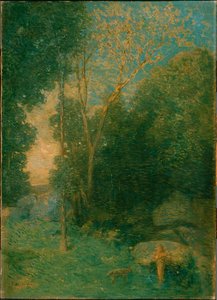
INTERIEUR DE FORET (COMPIEGNE)


Discover 'Interieur de Foret (Compiegne)' by Paul Huet – a captivating Romantic landscape painting. Explore its atmospheric brushstrokes, forest scene & human element. #art #landscapepainting #frenchart
 Prikaži više
Paul Huet (1803-1869) bio je francuski pejzažni slikar poznat po romantičarskom stilu i utjecaju na umjetnike Barbizon i impresioniste. Istražite njegove upečatljive akvarele i uljana platna.
Giclée / Umjetnički otisak
Giclée tisak muzejske kvalitete ili otisak na platnu uz brzu izradu i raznolike opcije završne obrade. ( Kupi ručno oslikano djelo Prebacite na digitalnu sliku)




P118B €10

P118H €10

P118W €10

P438Z €10

P508JH €12

P508YH €12

P805H €10

P805Z €10

P919BZ €10

P919G €10

P919XJ €10

P959ZH €10

P968JZ €12

W106C €8

W218G €10

W218JH €8

W218Y €10

W307PJ €10

W316G €10

W316PJ €8

W316Y €10

W398PJ €8

W4111J €10

W500HY €15

W500JH €15

W692G €12

W849H €8

W940BG €15

W953PJ €8




Standardne dimenzije
po mjeri
CM
INCH
Odaberite jednu od naših unaprijed definiranih veličina koje odgovaraju izvornim proporcijama umjetničkog djela.
Loading sizes...

širina
visina
Unesite potrebnu širinu i visinu kako bi odgovarali vašem okviru ili zidu. Print se može samo izrezati, nikada ne može biti veći od slike, stoga format s drugačijim omjerom stranica uzrokuje gubitak dijela slike. Prije bilo kakve štampe šaljemo vam digitalni prikaz (mockup) na odobrenje. Slika prikazana na ovoj stranici ne prikazuje stvarni rez — to prikazuje isključivo digitalni prikaz.
Dostava širom svijeta () u roku od 2 tjedna umjesto standardnih 4/5 tjedana. (3 Studeni)

Besplatna ekspresna dostava širom svijeta

Visokokvalitetno laneno platno

Potpuno osiguranje dostave

Jamstvo povrata carine i uvoznih poreza

Jamstvo vjernosti boja

Politika povrata u roku od 100 dana (samo u slučaju nedostataka)

Jamstvo povrata 100% novca

Popust na više proizvoda
 Opcija stakla dostupna je samo za dimenzije manje od 110 cm

INTERIEUR DE FORET (COMPIEGNE)
Giclée / Umjetnički otisak
Veličina reprodukcije
-


Ukupna cijena
€ 62
The Enveloping Mystery of the Woodland
To stand before Paul Huet’s depiction of an interior forest—Intérieur de Forêt (Compiègne)—is not merely to observe a landscape; it is to step through a veil into a moment suspended between light and shadow. The painting immerses the viewer in the profound, almost palpable atmosphere of a dense woodland. Huet masterfully captures the overwhelming presence of nature, where the vertical thrust of countless tree trunks creates an architectural rhythm, guiding the eye deep into the cool embrace of the woods. This is a scene steeped in the Romantic sensibility, suggesting that the forest itself is a character, whispering secrets only to those who listen closely.
A Study in Light and Atmosphere
Technically, Huet’s handling of oil paint is breathtakingly evocative. One can almost feel the texture beneath the surface; the visible brushstrokes speak to an artist deeply engaged with his medium, prioritizing feeling over flawless polish. The light here is not direct but diffused—a celestial curtain filtering through a thick canopy overhead. This dappled illumination creates pockets of ethereal brightness on the forest floor and catches the edges of foliage, giving the scene a luminous quality despite its deep shadows. The palette relies heavily on earthy greens and rich browns, punctuated by those brilliant, almost accidental touches of yellow and white that suggest hope or revelation within the gloom.
Romantic Echoes and Human Presence
Historically, this work situates itself perfectly within the currents of 19th-century Romanticism. Huet, a pioneer whose vision bridged the gap between academic training and the burgeoning spirit of Impressionism, understood that nature was a mirror for the human soul. The inclusion of a small figure, subtly placed near the lower right corner, is crucial. This solitary presence acts as an anchor, providing scale and narrative focus against the immensity of the woods. It suggests contemplation—a moment where humanity pauses before the sublime power of the natural world, finding both solitude and companionship within its embrace.
Symbolism for the Modern Sanctuary
For the contemporary collector or designer, this piece transcends mere decoration; it functions as an emotional conduit. The forest setting symbolizes retreat, introspection, and the enduring connection to something wild and untamed. It speaks to a modern yearning for sanctuary—a place away from the clamor of urban life. Reproducing Intérieur de Forêt allows one to bring that sense of hushed tranquility into a formal interior space, transforming a room into a contemplative haven. The artwork doesn't shout its beauty; it whispers it, inviting quiet reflection upon its textured, deeply atmospheric surface.
Pitanja i odgovori
Koja je tehnika korištena za "INTERIEUR DE FORET (COMPIEGNE)"?
"INTERIEUR DE FORET (COMPIEGNE)" je izvedeno u tehnici Oil On Canvas.
Gdje mogu vidjeti originalno djelo "INTERIEUR DE FORET (COMPIEGNE)" autora Paul Huet?
"INTERIEUR DE FORET (COMPIEGNE)" autora Paul Huet izložen/a je u muzeju Louvre, Paris, France. Navedeni muzej odnosi se na izvornom djelo, a ne na reprodukcije.
Je li "INTERIEUR DE FORET (COMPIEGNE)" tipično za ono što je Paul Huet obično stvarao?
"INTERIEUR DE FORET (COMPIEGNE)" prikazuje forest landscape, romantic art, natural scene, atmospheric view, tree silhouettes, human figure, tranquil nature, dark woods, dok su zabilježene teme umjetnika Paul Huet povezani s key work in huet's career, demonstrates romantic vision, influential on impressionists, romantic landscape tradition, french barbizon school style, emphasis on atmospheric mood, connection to nature's power, solitude and reflection. Usporedba ova dva elementa pokazuje kako se ovo djelo povezuje s uobičajenim motivima umjetnika.
Srodna umjetnička djela



Biografija umjetnika
Paul Huet: Pionir romantičnog pejzaža
Paul Huet (1803-1869) predstavlja ključnu, iako često potcijenjenu figuru francuske umjetnosti 19. stoljeća – slikara pejzaža koji je duboko utjecao i na školu Barbizon i na mlade impresioniste. Rođen u Parizu usred bujnog umjetničkog klimata, Huetovo putovanje bilo je prožeto neprestanim promatranjem, dubokom povezanošću s prirodom i namjernim odbacivanjem tadašnjih neoklasičnih trendova. Njegova djela nisu bila samo prikazi krajolika; bila su pokušaj da se uhvati sama bit svjetlosti, atmosfere i prolazne ljepote prirodnog svijeta, težnja koja je učvrstila njegovo mjesto kao ključnog inovatora u francuskom slikarstvu.Rani utjecaji i umjetnička obuka
Huetov umjetnički razvoj započeo je temeljitim usvajanjem tradicionalnih tehnika. Prve pouke dobio je od Jeana-Juliena Deltila, bivšeg učenika Jacquesa-Louisa Davida, nakon čega su uslijedile studije u École des Beaux-Arts pod vodstvom Pierre Guerina i Antoine-Jean Grosa. Presudno je bilo to što se njegov put poklopio s putem Richarda Parkesa Boningtona, kolege studenta u Grosovom studiju. Taj susret pokazao se transformativnim. Boningtonov pristup slikanju na otvorenom – radu izravno iz prirode – očarao je Hueta, navodeći ga da napusti krutu formalnost neoklasicizma i prihvati spontaniji i promatrački stil. Britanski pejzaži izloženi na Salonu 1824. godine bili su poput otkrića; sposobnost Johna Constablea da dočara svježinu i bujno zelenilo, bez oslanjanja na tamne sjene ili umjetnost, duboko je odjeknula u Huetu, oblikujući njegov vlastitu umjetničkog filozofiju. Slavno je opisao Constableovo djelo kao „vjerojatno prvi put kada se osjetila svježina, kada se vidjela bujna, zelena priroda, bez crnilo, grubosti ili manierizma.“Stil Barbizon i holandski majstori
Huetov stil evoluirao je kroz fascinantnu sintezu utjecaja. U početku je oponašao Boningtonovu tehniku akvarela, no njegova je umjetnička osjetilnost išla daleko izvan puke imitacije. Izvukao je inspiraciju iz atmosferskih pejzaža holandskih majstora poput Jacoba van Ruysdaela i Meinderta Hobbema, posebno iz njihove vješte upotrebe svjetlosti i boje za dočaravanje raspoloženja i atmosfere. To divljenje prema starim majstorima proželo je njegov vlastiti pristup, rezultirajući slikama koje su posjedovale dostojanstvenu tišinu i nevjerojatan osjećaj realizma – ne fotografskog, već duboko proživljenog. Njegovo djelo u tom razdoblju obilježeno je namjernim odbacivanjem akademskih konvencija, uz preferenciju laburijskih poteza četkicom, živopisnih boja i naglaska na hvatanju trenutnog do dojma prirode.Priznanja na Salonu i političko sudjelovanje
Huetova umjetnička karijera dobila je zamah debijom na Salonu 1827. godine, gdje je jedna od njegovih osam priloženih slika prihvaćena. Nastavio je redovito izlagati na Salonu tijekom 30-ih i acije godina, steadily gradeći reputaciju među kritičarima i kolekcionarima. Eugène Delacroix, kolega umjetnik i bliski prijatelj, zastupao je Huetovo djelo, prepoznajući njegove jedinstvene kvalitete. Međutim, Étienne-Jean Delécluze ponudio je kritičkiju perspektivu, videći Hueta kao pretjerano posvećenog Constableu i Turneru, ponekad zanemarujući temeljne principe kompozicije. Izvan svojih umjetničkih težnji, Huet je bio aktivan sudionik u Julskoj revoluciji 1830. godine te je kasnije bio uključen u republikanski politički život, što je odražavalo turbulentnu društvenu i političku klimu Francuske tog vremena. Njegova predanost tim idealima donijela mu je priznanje kralja Louis-Philippea, koji mu je 1844. godine poklonio par Sèvres porculanskih vaza, kao i zlatnu medalju na Salonu 1848.Naslijeđe i umjetnička važnost
Utjecaj Paula Hueta na francusko slikarstvo pejzaža je neopostojiv. Njegova inovativna upotreba akvarela – ne samo za skiciranje, već kao primarnog medija za dovršena djela – pokazala je njegov potencijal da postigne nevjerojatnu dubinu i bogatstvo, često podsjećajući na uljana ulja. Bio je među prvima koji su prihvatili slikanje en plein air, dajući prednost izravnom promatranju prirode nad radom u atelieru. Što je još važnije, Huetov naglasak na hvatanju prolaznih efekata svjetlosti i atmosfere duboko je utjecao na školu Barbizon, a kasnije i na impresioniste. Umjetnici poput Théodorea Rousseaua i Jean-Françoisa Milletta, koji su nastojali slikati izravno iz prirode s fokusom na ruralni život i pejzaže, duguju zahvalnost Huetovom pionirskom pristupu. Njegovo djelo stoji kao svjedočanstvo snage promatranja, ljepote jednostavnosti i trajne privlačnosti hvatanja same esencije prirodnog svijeta. Umro je u Parizu 1869. godine, ostavljajući za sobom bogat opus koji i danas očarava gledatelje svojom evokativnom atmosferom i dubokom povezanošću s prirodom.
Paul Huet
1803 - 1869 , Francuska
Osnovne informacije
- Artistic Movement Or Style: Romantičarski pejzaž
- Artists Or Movements Influenced By This Artist:
- Barbizon School
- Impresionisti
- Artists Who Influenced This Artist:
- Rembrandt
- John Constable
- Eugène Delacroix
- Date Of Birth: 1803-10-03
- Date Of Death: 1869-01-08
- Full Name: Paul Huet
- Nationality: Francuz
- Notable Artworks:
- Villa blizu Rima
- Effet du Soir
- Sous bois avec un étang
- Place Of Birth: Pariz, Francuska
Srodni članci

Capturing the Soul: The Emotional Magic and Sublime Grandeur of Romantic Landscape Painting
Explore the profound emotional depth of Romantic landscape painting. Discover how masters like Friedrich and Turner captured the sublime through light, shadow, and nature's power in this expert art history retrospective for discerning collectors.
Capturing the Soul: The Emotional Majesty and Sublime Power of Romantic Landscape Painting
Explore the profound emotional depth of Romantic landscape painting. Discover how masters like Turner and Friedrich captured the sublime power of nature through intuition and imagination in this expert art history retrospective.