

Prikazano: · S okvirom:
 Pregledaj u realnoj veličini
 Pošalji
 Podijeli
 Detalji o umjetničkom djelu
 Vodič
Vodič

 Preuzmi umjetničko djelo
 Slični predmeti
 Rentgenska snimka
 Slide show
 Pitanja i odgovori
 Statistika
- 16.0 x 25.0 cm


€ 240
Ručno rađena uljana reprodukcija
Ručno oslikano uljanim bojama na platnu u dimenzijama i okviru po vašem izboru, izrađeno po narudžbi od strane naših umjetnika. ( Prebacite na printove Prebacite na digitalnu sliku)
Veličina
·Standardne dimenzije
po mjeri
CM
INCH
Odaberite jednu od naših unaprijed definiranih veličina koje odgovaraju izvornim proporcijama umjetničkog djela.
Učitavanje dimenzija...

širina
visina
Unesite potrebnu širinu i visinu kako bi dimenzije odgovarale vašem okviru ili zidu. Budući da je riječ o ručno oslikanom djelu, umjetnik može malo proširiti rubove slike ili ih skratiti kako bi postigao drugačiji oblik — izbor je vaš. Prije početka slikanja poslat ćemo vam digitalni prikaz (mockup) radi potvrde. Slika prikazana na ovoj stranici ne predstavlja stvarni rezultat — samo digitalni prikaz to čini.
 Pročitajte više
Završetak
·
Bijela rubna traka €1

Zamućeni rubovi €1

Prošireno €1

P118B €10

P118H €10

P118W €10

P438Z €10

P508JH €12

P508YH €12

P805H €10

P805Z €10

P919BZ €10

P919G €10

P919XJ €10

P959ZH €10

P968JZ €12

W106C €8

W218G €10

W218JH €8

W218Y €10

W307PJ €10

W316G €10

W316PJ €8

W316Y €10

W398PJ €8

W4111J €10

W500HY €15

W500JH €15

W692G €12

W849H €8

W940BG €15

W953PJ €8

H24-GOLD €30

H24-SILVER €30

H36-GOLD €45

H36-SILVER €45
Dostavlja se u zaštitnoj cijevi, spremno za ugradnju u vaš vlastiti okvir.
Dodatne usluge
opcionalnoŠto sve uključuju dodaci?
Primjeri onoga što se može promijeniti: Zamjena lica fotografijom kupca; Dodavanje ljubimca (npr. zamjena mačke psom); Uključivanje skrivene poruke u pozadini; Promjena krajolika ili elemenata u pozadini.
Nakon narudžbe, tim TopImpressionists.com kontaktirat će klijenta putem e-pošte radi uputa te dostaviti pregledni prikaz (mockup)
Nakon narudžbe, tim TopImpressionists.com kontaktirat će klijenta putem e-pošte radi uputa te dostaviti pregledni prikaz (mockup)
Isporuka širom svijeta () u roku od 3-4 tjedna umjesto standardnih 5 tjedana. (9 Studeni). Bez kompromisa u kvaliteti.
Zaštitni lak
Natpisna pločica
Detalji gravirane brončane pločice
This elegant plaque features the artist's name and the title of the artwork, finely engraved for a timeless presentation.
It is made from bronze with a refined, elegant finish. The text is precisely laser-engraved for a sharp and permanent result. Measuring 9x2 cm, the plaque is compact yet easy to read. It's built to be durable and scratch-resistant, offering a professional, museum-quality look. Mounting is simple thanks to the included adhesive backing.
Detalji prozirne akrilne pločice
The plaque includes essential engraved details such as the artist's name, the title of the artwork, the date it was created, the type of media used-like oil on canvas or watercolor-a brief description of the piece, and a QR code that links to the complete artwork information.
It is crafted from clear acrylic, offering a sleek, modern appearance. The text is UV-engraved in black to ensure strong visual contrast. With a size of 10x15 cm, it ensures optimal readability. It comes equipped with two metal hooks for secure wall mounting. The plaque is designed to be weather-resistant, making it suitable for various environments, and it includes interactive features that work seamlessly with smartphone scanning.
Detalji crne akrilne pločice
This elegant plaque includes engraved information such as the artist's name, the title of the artwork, the date it was created, the type of media used (like oil on canvas or watercolor), a short description of the artwork, and a QR code for quick access to more information.
The plaque itself is made from refined black acrylic with a premium finish. The text is laser-engraved in white for high contrast and readability. Its size is 10x15 cm, designed to be easy to read. It comes with two metal hooks for professional mounting. The design is sleek and fits any interior style. It is also weather-resistant and durable, with built-in digital integration for mobile compatibility.
Opcija stakla dostupna je samo za dimenzije manje od 110 cm
 Opcija stakla dostupna je samo za dimenzije manje od 110 cm
- Besplatna ekspresna dostava širom svijeta
- Visokokvalitetno laneno platno
- Potpuno osiguranje dostave
- Jamstvo povrata carine i uvoznih poreza
- Jamstvo vjernosti boja
- Politika povrata u roku od 100 dana (samo u slučaju nedostataka)
- Jamstvo povrata 100% novca
- Popust na više proizvoda


Opis kolekcionarskog predmeta
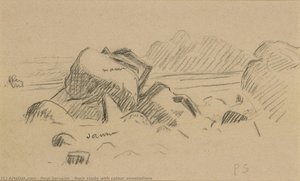
Discover Paul Sérusier's detailed rock study capturing a serene beach scene with evocative color annotations; own a piece of Post-Impressionist mastery today.
Biografija umjetnika
Istražite djela Paula Sérusiera (1864.-1927.), francuskog post-impresionističkog slikara i pionira apstraktne umjetnosti. Otkrijte njegov stil cloisonnizma, utjecaj na pokret Nabis te ključna djela poput 'Talismana'.
O slici
A Study in Coastal Serenity: Paul Sérusier's Rock Composition
Paul Sérusier’s Rock study with colour annotations invites the viewer into a moment suspended between the permanence of nature and the fleeting passage of human experience. This piece is more than just a depiction of a beach; it is an intimate meditation on form, shadow, and the interplay between raw geological structure and gentle life. The composition centers around a magnificent foreground rock, its contours meticulously rendered, suggesting hours spent observing the tide’s slow artistry. Scattered around this anchor are smaller stones, each possessing its own unique character, inviting the eye to wander across the textured plane of the shore.
Mastery in Tone and Dimension
Technically, the painting showcases Sérusier's remarkable ability to build depth using subtle gradations of gray. The artist has employed a sophisticated tonal palette, allowing the various shades of gray to carve out dimension and volume within the seemingly simple subject matter. This careful handling of value gives the rocks an almost sculptural presence, making them feel tangible beneath one’s fingertips. While the core focus remains on this study in stone—a testament to observation—the inclusion of distant figures subtly anchors the scene in reality. They are witnesses to the quiet drama unfolding between the water and the enduring rock.
Echoes of Post-Impressionist Innovation
To appreciate this work is to understand its context within the vibrant currents of early 20th-century French art. Paul Sérusier, a pivotal figure associated with Les Nabis, was an artist constantly pushing boundaries toward abstraction. Though this piece retains a strong connection to observable reality—the beach, the rocks—it carries the intellectual weight of his later explorations. His journey, particularly his time under Gauguin’s influence, pushed him towards synthesizing color and form in revolutionary ways. Here, even within the seemingly academic study, one senses that underlying commitment to expressive structure, a hallmark of an artist pioneering modern vision.
Symbolism of Place and Time
The beach itself has always been a potent symbol—a liminal space where land meets sea, where solid ground dissolves into endless motion. The rocks, enduring against the ceaseless wash of the tide, symbolize resilience and permanence amidst change. The annotations visible within the study suggest an intellectual process at work; art here is not merely imitation but annotation, interpretation, and scholarly engagement with nature’s grammar. It speaks to a quiet contemplation—a moment where the artist pauses the rush of life to truly see.
Bringing Coastal Calm Home
For the collector or designer seeking an object that whispers sophistication rather than shouting for attention, this reproduction offers profound depth. The muted, earthy tones and the subject matter evoke immediate tranquility. Imagine this piece gracing a sunlit study or a coastal-inspired living space; it acts as a visual anchor, grounding the room with its quiet dignity. It is an invitation to slow down, to observe the subtle beauty in the overlooked details, making it a timeless acquisition that marries academic rigor with emotional resonance.
Pitanja i odgovori
Je li "Rock study with colour annotations" autora Paul Serusije svijetlo ili tamno umjetničko djelo?
"Rock study with colour annotations" ima ukupnu svjetlinu od brilliant, a njezina luminancija iznosi Bright Balance.
Mogu li pregledati "Rock study with colour annotations" autora Paul Serusije prije narudžbe?
Kako biste pregledali reprodukciju djela "Rock study with colour annotations" autora Paul Serusije, otvorite stranicu Pregled u prostoru tog umjetničkog djela.
Kako mogu otkriti umjetnička djela slična djelu "Rock study with colour annotations" autora Paul Serusije?
Djela slična djelu "Rock study with colour annotations" autora Paul Serusije možete pronaći na stranici Slična djela tog umjetničkog djela.
Brze činjenice i kviz o umjetnosti
O Paul Serusije

Paul Serusije
1864 - 1927, Hrvatska
Biografija umjetnika
Rani život i umjetnički počeci Paula Sérusiera
Paul Sérusier, rođen 9. studenog 1864. godine u Parizu, bio je francuski slikar koji se smatra jednim od ključnih figura prijelaza s post-impresionizma prema apstraktnoj umjetnosti. Njegov put nije bio onaj tipičnog slikarskog genija rođenog s kistom u ruci; umjesto toga, krenuo je putem intenzivnog istraživanja i eksperimentiranja, vođen željom da pronađe novi način izražavanja koji bi se oslobodio okova tradicionalne reprezentacije. Studirao je na Académie Julianu, gdje je brzo postao cijenjen kao talentiran crtač, ali ga je prava umjetnička transformacija čekala u Pont-Avenu.
Pont-Aven i susret s Gauguinom
Ljeto 1888. godine označilo je prekretnicu u Sérusierovom životu. Putovao je u Pont-Aven, malu obalnu zajednicu u Bretanji koja je već bila magnetski privlačila umjetnike tražeći bijeg od pariškog salona i nove inspiracije. Tamo se susreo s Paulom Gauguinom, čiji je rad imao dubok utjecaj na njegovu viziju. Pod Gauguinovim mentorstvom, Sérusier je stvorio djelo koje će postati ikoničnim simbolom novog umjetničkog pokreta – “Talisman”. Ova slika nije bila samo demonstracija tehnike; to je bio manifest namjere da se odvoji boja od njezine tradicionalne uloge opisivanja svijeta i da se koristi kao samostalni element izražavanja. “Talisman” je bio radikalan čin, gotovo apstraktna kompozicija bogatih, plosnatih oblika okruženih tamnim konturama, što je nagovještavalo budućnost umjetnosti u kojoj će se forma i boja osloboditi tereta imitacije prirode.
Les Nabis: Sintetizam i Cloisonnism
Sérusier nije bio usamljen u svojoj potrazi. Postao je ključni član grupe umjetnika poznatih kao Les Nabis, čiji su se ciljevi uklapali s njegovim vlastitim eksperimentima. Zajedno s Pierreom Bonnardom, Édouardom Vuillardom i Mauriceom Denisom, Sérusier je istraživao nove načine slikanja koji su naglašavali subjektivnu viziju umjetnika i važnost unutarnjeg doživljaja. Razvili su stil poznat kao Sintetizam – nastojanje da se stvori umjetnička djela koja nisu imitacija prirode, već sintetički konstrukti zasnovani na sjećanjima, emocijama i idejama. Cloisonnism, tehnika karakterizirana hrabrim, plosnatim oblicima odvojenim tamnim linijama (podsjećajući na srednjovjekovnu umjetnost emajla), postala je ključni element njihovog vizualnog jezika. Sérusierova djela iz tog razdoblja, poput “L’Averse” i “Portret Paula Ransona”, svjedoče o ovom eksperimentu s formom, bojom i simbolizmom.
Kasniji život i nasljeđe
Iako nije dosegao popularnost nekih svojih kolega iz Les Nabisa, Sérusier je ostavio neprocjenjiv trag u povijesti umjetnosti. U svojim kasnijim godinama predavao je na Académie Ransonu, inspirirajući nove generacije umjetnika da istražuju vlastite vizije i odbacuju konvencije. Njegova knjiga “ABC de la peinture” (1921.) postala je važan tekst za razumijevanje njegovih teorija o slikanju i važnosti unutarnje harmonije u umjetničkom procesu. Sérusierov rad, iako često nedovoljno cijenjen tijekom njegova života, danas se smatra ključnim korakom prema apstraktnoj umjetnosti. Njegova hrabrost da eksperimentira s formom i bojom, njegov naglasak na subjektivnom doživljaju i njegovo utjecaj na Les Nabise učinili su ga važnom figurom u prijelaznom razdoblju između post-impresionizma i modernizma. Njegova djela poput “Melancholy” i “The Snake Eaters” nastavljaju fascinirati gledatelje svojom jedinstvenom kombinacijom simbolizma, dekorativnosti i unutarnje dubine.
- Umjetnički pokret ili stil: Post-impresionizam
- Umjetnici koji su utjecali na ovog umjetnika: Paul Gauguin, Maurice Denis
- Datum rođenja: 9. studenog 1864.
- Puno ime: Louis-Paul-Henri Sérusier
- Državljanstvo: Francuz
- Značajna djela: “Talisman”, “Landscape at the Bois d’Amour”
- Mjesto rođenja: Pariz, Francuska
Brzi pregled o Paul Serusije
- Datum Rođenja: 9. studenog 1864.
- Državljanstvo: Francuz
- Mjesto Rođenja: Pariz, Francuska
- Puno Ime: Louis-Paul-Henri Sérusier
- Umjetnici Pod Utjecajem: ['Nabis pokret']
- Umjetnički Pokret/Stil: Post-Impresionizam
- Utjecali Na Ovog Umjetnika: ['Paul Gauguin']
- Značajna Djela:
- Talisman
- L'averse
Srodna umjetnička djela


Paul Serusije
Rock study with colour annotations
() ·
S okvirom: · Ručno oslikano uljanim bojama na platnu od lana
Ukupno