


 Pregledaj u stvarnoj veličini
 Podijeli
 Podijeli
 Detalji
 Vodič
Vodič

 Preuzmi datoteku
 Slični predmeti
 Rentgenska snimka
 Slide show
 Statistika
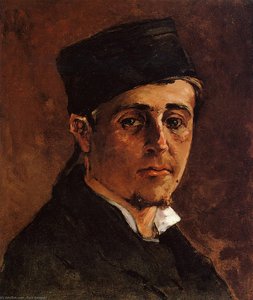
Self Portrait
 Acrylic On Canvas
- WallArt
- British Impressionism
 1920
1920 74.0 x 59.0 cm
 Fitzwilliam College
Philip Wilson Steer's "The President Woodrow Wilson House" captures a contemplative man in a suit, showcasing his signature Impressionistic style and masterful use of light & shadow. Explore this evocative portrait.
 Pročitajte više
Philip Wilson Steer (1860-1942), ključni britanski impresionist poznat po svjetlucavim pejzažima i morskim prizorima. Inspiriran Manetom i Whistlerom, njegova djela se nalaze u Tate Galleryju i Uffiziju. Pionir modernog slikarstva Velike Britanije.
Giclée / Umjetnički otisak
Giclée tisak muzejske kvalitete ili otisak na platnu uz brzu proizvodnju i fleksibilne opcije završne obrade. ( Naručite ručno oslikano reprodukciju Prebacite na digitalnu prodaju slika)




P118B €10

P118H €10

P118W €10

P438Z €10

P508JH €12

P508YH €12

P805H €10

P805Z €10

P919BZ €10

P919G €10

P919XJ €10

P959ZH €10

P968JZ €12

W106C €8

W218G €10

W218JH €8

W218Y €10

W307PJ €10

W316G €10

W316PJ €8

W316Y €10

W398PJ €8

W4111J €10

W500HY €15

W500JH €15

W692G €12

W849H €8

W940BG €15

W953PJ €8




Standardne dimenzije
prilagođeno po mjeri
CM
INCH
Odaberite jednu od naših unaprijed definiranih veličina koje odgovaraju izvornim proporcijama umjetničkog djela.
Loading sizes...

širina
visina
Možete unijeti vlastite dimenzije kako biste umjetničko djelo prilagodili specifičnom okviru ili prostoru. Ako odabrana veličina ne odgovara proporcijama izvornog rada, izrezat ćemo dio slike ili je proširiti pomoću ogledalnog efekta ili jednobojne rubne površine. Digitalni prikaz (mockup) bit će vam poslan na odobrenje prije početka proizvodnje.
Imajte na umu da pregled na zaslonu ne odražava stvarno izrezivanje ili proširivanje. Samo će mockup točno prikazati konačnu kompoziciju.
Iako su dostupne prilagođene veličine, preporučujemo odabir dimenzije iz unaprijed definirane liste kako biste očuvali izvorne proporcije.
Dostava širom svijeta () u roku od 2 tjedna umjesto standardnih 4/5 tjedana. (7 Listopad)

Besplatna ekspresna dostava širom svijeta

Visokokvalitetno laneno platno

Potpuno osiguranje transporta

Jamstvo povrata carine i uvoznih poreza

Jamstvo vjernosti boja

Politika povrata u roku od 100 dana (samo u slučaju nedostataka)

Jamstvo povrata 100% novca

Popust na više proizvoda
 Opcija stakla dostupna je samo za dimenzije manje od 110 cm

Self Portrait
Giclée / Umjetnički otisak
Veličina reprodukcije
-


Ukupna cijena
€ 59
A Portrait of Quiet Intensity: Philip Wilson Steer’s “The President Woodrow Wilson House”
Philip Wilson Steer's "The President Woodrow Wilson House," painted in 1920, isn’t merely a depiction of a building; it’s a carefully constructed tableau brimming with subtle symbolism and imbued with the melancholic beauty characteristic of the artist. This oil-on-canvas work, measuring 74 x 59 cm, transports us to a moment suspended between formality and introspection – a visual poem reflecting on leadership, memory, and the quiet dignity of American history. Steer, a pivotal figure in British Impressionism, masterfully employs a muted palette dominated by greys, blues, and browns, creating an atmosphere of subdued light and contemplative stillness. The composition itself is deliberately restrained, focusing intently on the imposing façade of the Wilson House in Washington D.C., rendered with a remarkable sensitivity to texture and light.
The Impressionist’s Lens: Technique and Style
Steer's approach aligns closely with the tenets of Impressionism, yet he transcends simple replication. He doesn’t strive for photographic accuracy but rather captures an *impression* – a fleeting moment imbued with feeling. Notice how he utilizes broken brushstrokes to suggest the play of light on the stone walls and the subtle shifts in shadow. The artist's layering technique is particularly evident in the rendering of the building’s surface, where individual strokes coalesce to create a sense of depth and volume. Steer was deeply influenced by John Constable and J.M.W. Turner, artists known for their atmospheric landscapes and masterful use of light and color. This influence is palpable in Steer's ability to evoke a specific mood through his manipulation of tone and texture – a feeling of quiet contemplation and perhaps even a touch of wistful nostalgia.
Symbolism Within the Frame: Leadership and Reflection
The choice of subject matter—the Wilson House—is rich in symbolic potential. Woodrow Wilson, the 28th President of the United States, was a complex figure – lauded for his leadership during World War I but also criticized for his handling of racial issues at home. Steer’s painting doesn't offer a straightforward portrait of Wilson himself, instead focusing on the building that housed him and, by extension, representing the weight of responsibility and the enduring legacy of power. The muted colors and the solitary nature of the scene suggest a reflection on leadership itself – its burdens, its triumphs, and its inevitable passage of time. The composition’s stillness invites viewers to contemplate the unseen narratives contained within those walls.
A Legacy of Light: Steer's Influence and Artistic Context
Philip Wilson Steer was a significant figure in British art, bridging the gap between Impressionism and a more traditional English style. His work gained recognition during his time as a painting tutor at the Slade School of Fine Art, where he profoundly influenced generations of young artists. His exploration of coastal scenes, particularly those along the Suffolk coast, cemented his reputation for capturing the ethereal beauty of the British landscape. “The President Woodrow Wilson House” stands as a testament to Steer’s ability to imbue seemingly simple subjects with profound emotional resonance. It's a poignant reminder that even in grand architectural settings, moments of quiet contemplation and subtle symbolism can hold immense artistic value. Reproductions of this piece offer a captivating glimpse into the artist’s world and invite viewers to engage with the complexities of American history through the lens of Impressionist artistry.
Pitanja i odgovori
U kojoj fazi karijere Philip Wilson Steer pripada djelo "Self Portrait" (1920)?
Datum 1920 smješta "Self Portrait" u Late Period razvoja umjetnika Philip Wilson Steer.
Koliko je godina Philip Wilson Steer imao/la kada je stvorio/la "Self Portrait"?
Kada je "Self Portrait" nastalo 1920. godine, Philip Wilson Steer – rođen/a 1860. – imao/la je 60 godina.
Koja tehnika i stil karakteriziraju "Self Portrait" autora Philip Wilson Steer?
"Self Portrait" je djelo izvedeno u tehnici Acrylic On Canvas, u stilu British Impressionism.
Koje raspoloženje izražava "Self Portrait" autora Philip Wilson Steer unutar pokreta British Impressionism?
Reflective emocija djela "Self Portrait" prati njegov British Impressionism stil.
U kojoj je godini nastalo djelo "Self Portrait" autora Philip Wilson Steer?
"Self Portrait" autora Philip Wilson Steer nastalo je 1920.
Koji umjetnik se pripisuje djelu "Self Portrait"?
Autor djela "Self Portrait" je Philip Wilson Steer. Rad je katalogiziran pod imenom Philip Wilson Steer.
Koji umjetnički pravac obuhvaća "Self Portrait" autora Philip Wilson Steer?
"Self Portrait" je djelo British Impressionism pokreta. Pokret označava umjetničku tradiciju kojoj je ovo djelo pripadnost.
Srodna umjetnička djela


Biografija umjetnika
Rani život i umjetnički temelji
Philip Wilson Steer, rođen u Birkenheadu 1860. godine, iznikao je iz obitelji duboko ukorijenjene u umjetničkom svijetu – njegov otac bio je portretist i posvećeni učitelj likovne umjetnosti. Ta rana izloženost pokazala se formativnom, njegujući osjetljivost koja će definirati put njegovog života. Preseljenje u Whitchurch blizu Monmoutha kada je imao samo tri godine usadilo mu je vezu s britiskom ruralnom prirodom koja će odjekivati diljem njegova opusa. Njegovo formalno obrazovanje započelo je u Hereford Cathedral School, pružajući mu temeljnu podlogu prije nego što se cijelim srcem posvetio svojim umjetničkim ambicijama. Steerova edukacija nastavila se na Gloucester School of Art i South Kensington Drawing Schools, no upravo je njegov boravak u Parizu između 1880. i 1884. godine bio istinski transformativan. Studirajući na Académie Julianu, a kasnije pod Alexandreom Cabanelom na École des Beaux Arts, susreo se sa svijetom punim novih ideja i pristupa slikanju.Prihvaćanje impresionizma i prepoznatljiv stil
Pariz je postao ključan za Steerov umjetnički razvoj. Bio je duboko ganut djelima Édouarda Maneta i Jamesa McNeilla Whistlera, upijajući njihove inovativne tehnike u hvatanju svjetla, boje i atmosfere. Ta ga je izloženost zapalila strašću za impresionizmom, no on nikada nije jednostavno replicirao taj stil. Steer je vješto pomiješao te francuske utjecaje sa svojim urođenim engleskim osjetljivostima, stvarajući stil jedinstven u svom rodu. Njegova su djela obilježena izvanrednom sposobnošću hvatanja prolaznih trenutaka – igre sunčeve svjetlosti na vodi, efemernog kvaliteta obalnog zraka. Koristio je labave poteze kista i živopisne boje ne samo za prikaz scena, već i za izazivanje emocija i stvaranje impresivnog osjećaja neposrednosti. Ponovljeni motivi u njegovom radu uključuju scene s plaže i morske pejzaže, često okupane srebrnom, prozirnom svjetlošću, što pokazuje majstorstvo u prikazivanju svježine i sjaja tih okruženja. Djela poput Soba za glazbu, rano u njegovoj karijeri, pokazuju njegov rastući talent za kompoziciju i svjetlost, dok djela poput Djevojke trče: Walberswick Pier eksplodiraju energijom i živahnošću obalnog grada Suffolka.Prvak moderne umjetnosti i utjecaj Etaplesa
Steer nije bio zadovoljan samo slikanjem; aktivno je oblikovao umjetničku krajolicu Britanije. Imao je ključnu ulogu u osnivanju New English Art Cluba, organizacije posvećene promoviranju moderne umjetničke ekspresije – hrabar potez u vrijeme kada su tradicionalni ukusi još uvijek bili dominantni. Kroz ovu platformu i redovite izložbe u Royal Academy, uključujući sudjelovanje u pionirskoj London Impressionist Exhibition 1889., pomogao je predstaviti nove ideje i izazvati konvencionalne norme. Njegovo vrijeme provedeno u umjetničkoj koloniji Etaples 1887. godine dodatno je usavršilo njegovu umjetničku viziju. Ova živahna zajednica umjetnika pružila je poticajno okruženje za eksperimentiranje i suradnju, učvršćujući njegovu sposobnost hvatanja svjetla i atmosfere s rastućom nijansom i vještinom. Steer se inspirirao raznolikim majstorima – John Constable, J.M.W. Turner, čak i François Boucher – no uvijek je filtrirao te utjecaje kroz svoju jedinstvenu perspektivu.Nasljeđe, priznanje i trajni utjecaj
Philip Wilson Steer nastavio je plodno slikati sve do zdravstvenih problema koji su ga natjerali da prestane 1940., umirući dvije godine kasnije u dobi od 81 godine. Njegovi su doprinosi široko prepoznati tijekom njegovog života, kulminirajući s Ordenom Zasluge. Danas se njegova djela čuvaju u uglednim zbirkama diljem svijeta, uključujući Tate Gallery i čak Uffizi Galeriju – svjedočanstvo o njegovom međunarodnom priznanju. Osim samih slika, Steerovo nasljeđe proteže se kroz dugogodišnji rad kao učitelj slikanja na Slade School of Art. Tijekom mnogih godina duboko je utjecao na generacije mladih umjetnika, prenoseći ne samo tehničke vještine, već i duboku zahvalnost za promatranje i umjetnički integritet. Njegov doprinos razvoju i prihvaćanju impresionizma u Britaniji je neporeciv, učvršćujući njegov položaj kao značajnu figuru u britanskoj povijesti umjetnosti – slikara koji je uspješno premostio jaz između tradicije i modernosti, ostavljajući trajni trag na pejzažu britanske umjetnosti. Djela poput Oporavljenik, s bogatim teksturama i evocirajućim pogledom, i Teme u Ludlowu, koja ističe mirnu ljepotu i majstorsko korištenje kista, nastavljaju očaravati publiku danas, pokazujući bezvremensku kvalitetu njegove umjetničke vizije.
Philip Wilson Steer
1860 - 1942 , Ujedinjeno Kraljevstvo
Brzi pregled
- Datum Rođenja: 1860
- Datum Smrti: 1942
- Mjesto Rođenja: Birkenhead, Ujedinjeno Kraljevstvo
- Nacionalnost: Britanski
- Puno Ime: Philip Wilson Steer
- Umjetnici Koji Su Utjecali Na Njega:
- Manet
- Whistler
- Umjetnici/Pokreti Koje Je Utjecao: ['Britanski impresionizam']
- Umjetnički Pokret Ili Stil: Impresionizam
- Značajna Djela:
- Soba za glazbu
- Djevojke trče
Povezani članci

Beyond the Light: Discovering the Soul and Emotional Depth of Post-Impressionism
Embark on a cultural journey through Post-Impressionism. Discover the profound emotional depth of masters like Van Gogh and Cézanne, exploring how they moved beyond light to capture the very soul of human experience through vibrant color and symbolic form.

Capturing the Light: A Journey Through the Ethereal Magic of Impressionism and Post-Impressionism
Embark on a cultural journey through the luminous world of Impressionism. Discover the profound beauty of Monet, Van Gogh, and Cézanne through expert art history insights and explore how to bring these timeless masterpieces into your home with museum-quality hand-painted reproductions.
Istražite umjetnička djela organizirana prema temama, stilovima i karakteristikama.
