

 Pregledaj u realnoj veličini
 Pošalji
 Podijeli
 Detalji o umjetničkom djelu
 Vodič
Vodič

 Preuzmi umjetničko djelo
 Slični predmeti
 Rentgenska snimka
 Slide show
 Pitanja i odgovori
 Statistika
Begonia


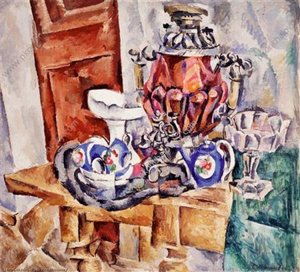
Explore Pyotr Konchalovsky's captivating Begonia – a still life masterpiece depicting vibrant red and pink flowers within elegant vases alongside delicate cups, capturing the spirit of Russian art history.
 Prikaži više
Pyotr Konchalovski (1876-1956) bio je ruski slikar poznat po inovativnom stilu koji spaja impresionizam, fauvizam i socijalistički realizam. Istražite njegove pejzaže, portrete i značajna djela ruskog avangarda.
Giclée / Umjetnički otisak
Giclée tisak muzejske kvalitete ili otisak na platnu uz brzu izradu i raznolike opcije završne obrade. ( Kupi ručno oslikano djelo Prebacite na digitalnu sliku)




P118B €10

P118H €10

P118W €10

P438Z €10

P508JH €12

P508YH €12

P805H €10

P805Z €10

P919BZ €10

P919G €10

P919XJ €10

P959ZH €10

P968JZ €12

W106C €8

W218G €10

W218JH €8

W218Y €10

W307PJ €10

W316G €10

W316PJ €8

W316Y €10

W398PJ €8

W4111J €10

W500HY €15

W500JH €15

W692G €12

W849H €8

W940BG €15

W953PJ €8




Standardne dimenzije
po mjeri
CM
INCH
Odaberite jednu od naših unaprijed definiranih veličina koje odgovaraju izvornim proporcijama umjetničkog djela.
Loading sizes...

širina
visina
Unesite potrebnu širinu i visinu kako bi odgovarali vašem okviru ili zidu. Print se može samo izrezati, nikada ne može biti veći od slike, stoga format s drugačijim omjerom stranica uzrokuje gubitak dijela slike. Prije bilo kakve štampe šaljemo vam digitalni prikaz (mockup) na odobrenje. Slika prikazana na ovoj stranici ne prikazuje stvarni rez — to prikazuje isključivo digitalni prikaz.
Dostava širom svijeta () u roku od 2 tjedna umjesto standardnih 4/5 tjedana. (10 Studeni)

Besplatna ekspresna dostava širom svijeta

Visokokvalitetno laneno platno

Potpuno osiguranje dostave

Jamstvo povrata carine i uvoznih poreza

Jamstvo vjernosti boja

Politika povrata u roku od 100 dana (samo u slučaju nedostataka)

Jamstvo povrata 100% novca

Popust na više proizvoda
 Opcija stakla dostupna je samo za dimenzije manje od 110 cm

Begonia
Giclée / Umjetnički otisak
Veličina reprodukcije
-


Ukupna cijena
€ 63
A Portrait of Turbulent Russia: Exploring Pyotr Konchalovsky’s “Begonia”
Pyotr Petrovich Konchalovsky's "Begonia," painted circa 1908, stands as a poignant emblem of the Russian avant-garde’s fascination with capturing fleeting moments of beauty amidst societal upheaval. More than just a depiction of flowers—specifically a begonia blossom—the painting embodies a broader artistic impulse to distill emotion and intellect into visual form, reflecting the anxieties and aspirations of a nation grappling with rapid modernization.
Style & Technique: Konchalovsky’s approach aligns squarely with Neo-Impressionism, championed by artists like Georges Seurat and Paul Cézanne. Unlike Impressionists who sought to capture atmospheric effects, Konchalovsky meticulously applied small dots of pure pigment—primarily reds, pinks, and yellows—to build up tonal variations within the flower petals and vases. This technique, known as Pointillisme, wasn’t merely a stylistic choice; it represented a deliberate rejection of traditional brushstrokes in favor of scientific observation and mathematical precision. The artist painstakingly analyzed how light interacts with color, striving to reproduce its nuances with unparalleled accuracy.
Historical Context: Painted during the Belle Époque—a period characterized by optimism and artistic experimentation—"Begonia" speaks to a Russia undergoing significant transformations under Tsar Nicholas II’s reign. While outward appearances suggested prosperity and grandeur (the opulent palaces of St. Petersburg), beneath the surface simmered discontent fueled by social inequalities and burgeoning revolutionary sentiment. The painting's stillness contrasts sharply with this turbulent backdrop, inviting contemplation on themes of fragility and resilience.
Symbolism & Composition: The begonia itself carries considerable symbolic weight. Traditionally associated with femininity, beauty, and rebirth—often depicted as a symbol of resurrection—the flower’s delicate petals symbolize the ephemeral nature of life and the importance of savoring every moment. The vases serve as containers for this beauty, mirroring the role of art in preserving and transmitting cultural values. Furthermore, the arrangement of objects – the vases, cups, and begonia – contributes to a carefully constructed visual narrative that emphasizes balance and harmony despite the underlying tension.
Emotional Impact: Viewing “Begonia” evokes a sense of quiet contemplation and melancholic beauty. The artist’s masterful use of color and technique captures not only the physical appearance of the flower but also its emotional essence—a subtle suggestion of vulnerability amidst grandeur, mirroring the complexities of Russian society at the turn of the century. It's a piece that lingers in the mind long after viewing, prompting reflection on themes of beauty, decay, and the enduring power of artistic expression.
- Artist: Pyotr Petrovich Konchalovsky
- Year Painted: Circa 1908
- Style: Neo-Impressionism
- Technique: Pointillisme (Dot Painting)
Pitanja i odgovori
Koji emocionalni ton prati stil Russian Symbolism u djelu "Begonia"?
"Begonia" odiše Tranquil emocionalnim tonom unutar pokreta Russian Symbolism.
Kakav osjećaj stvaraju boje djela "Begonia" autora Petar Končalovski?
Neutrals paleta djela "Begonia" autora Petar Končalovski skladno se uklapa s njegovim Tranquil emocionalnim tonom. Boja je jedan od načina na koji umjetničko djelo prenosi osjećaj.
Gdje bi se trebala visiti reprodukcija djela "Begonia" autora Petar Končalovski?
Format (Portrait) i preporučeni prostor (Living Room) dvije su ključne informacije o postavljanju za "Begonia" autora Petar Končalovski.
Srodna umjetnička djela




Biografija umjetnika
Život Utemeljen u Ruskom Umjetničkom Duhu
Pyotr Petrovich Konchalovsky, rođen 21. veljače 1876. godine u selu Slavianka blizu Harkiva, bio je više od običnog slikara; bio je vizualni kroničar Rusije koja se suočava s dubokim transformacijama. Njegovo umjetničko putovanje odražavalo je i nemirnu prolaznost nacije kroz revoluciju i ideološke promjene, obilježen neprestanim potragama za novim oblicima izražavanja. Konchalovskoevo odrastanje bilo je utkano u atmosferu bogatu intelektualnim i kreativnim strujama. Njegov otac, Petr Petrovich Konchalovsky, bio je cijenjeni prevoditelj i nakladnik umjetnosti čiji je moskovski dom postao živopisno središte koje su redovito posjećivali vodeći ruski umjetnici tog vremena – Valentin Serov, Mikhail Vrubel, Vasily Surikov. Ova rana izloženost nije bila samo promatranje; utisnula mu je duboku cijenjenost za umjetničko izražavanje i postavila temelj za njegovu buduću karijeru. Subotnje šetnje u Tretyakovskoj galeriji bile su ključne, oblikujući njegove estetske osjetljivosti snagom ruskih majstora.Od Pariških Utjecaja do Avangardnih Inovacija
Konchalovskovo je formalno školovanje započelo na Moskovskoj školi za slikarstvo, kiparstvo i arhitekturu, no ključni period slijedio je u Parizu od 1896. do 1898. godine na Académie Julian. Ta imersija u francuski svijet umjetnosti bila je transformativna. Susreo se s revolucionarnim djelima Paula Cézannea i Vincenta van Gogha, umjetnika koji su osporavali konvencionalnu reprezentaciju i istraživali nove načine percepcije oblika i boje. Kasnija putovanja u Arles omogućila su mu dublje razumijevanje Van Goghove umjetničke vizije – peregrinaciju u srce ekspresivne intenzivnosti. Povratkom u Rusiju nastavio je studirati na Carskoj akademiji za umjetnost u Sankt Peterburgu, diplomirajući 1907. godine. Međutim, upravo po povratku Konchalovsky je zapravo počeo kovati svoj jedinstveni stil. Postao je središnja figura u ruskog avangardnog pokreta, suosnivač utjecajne grupe "Jack of Diamonds" (Bubnovyi Valet) 1910. godine. Ova grupa odbacila je akademske tradicije i promicala eksperimentiranje, tražeći inspiraciju ne samo iz zapadnoeuropskog modernizma već i iz vlastitih ruskih folklornih tradicija – ikona, natpisa u gostionicama i živopisnih popularnih tiskova poznatih kao *lubok*. Kao prvi predsjednik grupe, Konchalovsky je igrao vitalnu ulogu u oblikovanju njezina smjera i promicanju njezinih radikalnih ideja.Navigacija Mijenjajućih Ideologija: Stil i Tema
Konchalovskov stil evoluirao je tijekom njegove karijere, odražavajući kako osobna istraživanja tako i mijenjajuće političke prilike u Rusiji. U početku pod utjecajem fauvizma i Cézannea, njegova rana djela obilježena su hrbrim bojama, pojednostavljenim oblicima i fokusom na strukturu. Slike poput "Životinjskog natpisa s kofi" ilustriraju tu fazu, prikazujući živopisnu paletu i dinamičnu kompoziciju. Nakon služenja u ruskoj vojsci tijekom Prvog svjetskog rata, Konchalovskov stil je počeo mijenjati. Uspon socijalističkog realizma pod sovjetskim režimom zahtijevao je umjetnost koja služi ideološkom cilju, proslavlja idealizam i prikazuje istaknute pojedince. Iako se to predstavljalo odmakom od njegovih ranijih avangardnih istraživanja, Konchalovsky se prilagodio, postajući poznat po svojim svečanim portretima. Unatoč tim promjenama, zadržao je prepoznatljiv umjetnički glas, infundirajući čak i svoja politički nabrijana djela osjećajem čvrstine i monumentalnosti. Tijekom svoje plodne karijere – procijenjene na preko 5000 radova – neprestano je istraživao mrtve prirode, krajolike i portrete, demonstrirajući iznimnu svestranost i predanost umijeću slikanja.Nasljeđe i Trajna Značajnost
Konchalovskov doprinos ruskoj umjetnosti nezamjenjiv je. Spojio je jaz između ranog modernizma i socijalističkog realizma, navigirajući složenim političkim strujama dok je ostao značajna umjetnička sila. Njegova prva samostalna izložba u Tretyakovskoj galeriji 1922. godine učvrstila je njegovu reputaciju jednog od vodećih ruskih umjetnika. Izvan vlastitog rada, Konchalovsky je poticao obitelj duboko uključenu u svijet umjetnosti; njegov sin, Mikhail Petrovich Konchalovsky, postao je poznati filmski redatelj, a njegova kći, Natalia Konchalovskaya, bila je uspješna umjetnica. Njegova djela nisu samo estetski ugodni predmeti već i povijesni dokumenti koji odražavaju nemirnu epohu u kojoj su nastala. Oni nude vrijedne uvide u evoluciju ruske umjetnosti i izazove s kojima se suočavali umjetnici koji djeluju unutar društva koja se brzo mijenjaju. Konchalovskova sposobnost prilagodbe uz zadržavanje prepoznatljivog stila učvrstila je njegovo mjesto kao ključne figure u povijesti ruske umjetnosti, ostavljajući za sobom nasljeđe koje i dalje inspirira i očarava publiku danas. Njegov rad svjedoči o otpornosti umjetničkog izražavanja usred političkih nemira, a njegov utjecaj se i dalje može prepoznati u suvremenoj ruskoj umjetnosti.
Petar Končalovski
1876 - 1956 , Росија
Osnovne informacije
- Datum Rođenja: 21. veljače 1876.
- Državljanstvo: Ruski
- Mjesto Rođenja (Grad I Zemlja): Harkiv, Rusija
- Puno Ime: Pyotr Petrovich Konchalovsky
- Umjetnici Ili Pokreti Pod Njegovim Utjecajem: ['Ruska avangarda']
- Umjetnici Koji Su Utjecali Na Njega:
- Paul Cézanne
- Vincent van Gogh
- Umjetnički Pokret Ili Stil: Avangarda, Fauvizam, Realizam
- Značajna Djela:
- Krajolik
- Nosač kave
- Novgorodci
Srodni članci

Victor Vasnetsov: Myth, Nationalism & the Revival of Russian Fairy Tale Painting
Explore the captivating world of Victor Vasnetsov, a co-founder of Russian folklorist painting. Discover his iconic works, influence on national identity, and lasting legacy in this expert guide.

Blossoming Symbolism: A Historical Journey Through Flowers in Western Painting
Explore the rich history of flower symbolism in Western painting! Discover how artists from the Renaissance to Modernism used blossoms to convey meaning, emotion & beauty. Learn about iconic artworks and movements.

Silent Narratives: Exploring the Enduring Appeal of Still Life Painting Across Centuries
Explore the rich history of still life painting with TopImpressionists. Discover Dutch Masters, decode vanitas symbolism & learn about collecting timeless art. Expert insights and museum-quality reproductions.

Ivan Bilibin: A Synthesis of Folklore, Modernism & National Identity in Russian Illustration
Explore the enchanting world of Ivan Bilibin, a master Russian illustrator who synthesized folklore, Art Nouveau & national identity. Discover his iconic fairy tale illustrations and legacy with TopImpressionists.

Paul Cézanne: 25 Remek-djela koji su promijenili svijet umjetnosti | TopImpressionists
Uronite u svijet Paula Cézanna! Otkrijte 25 remek-djela impresionizma i postimpresionizma. Saznajte priče iza slika, tehnike i inspiracije ovog francuskog umjetnika. Reprodukcije vrhunske kvalitete dostupne na TopImpressionists.com