

 Pregledaj u stvarnoj veličini
 Podijeli
 Podijeli
 Detalji
 Vodič
Vodič

 Preuzmi datoteku
 Slični predmeti
 Rentgenska snimka
 Slide show
 Statistika
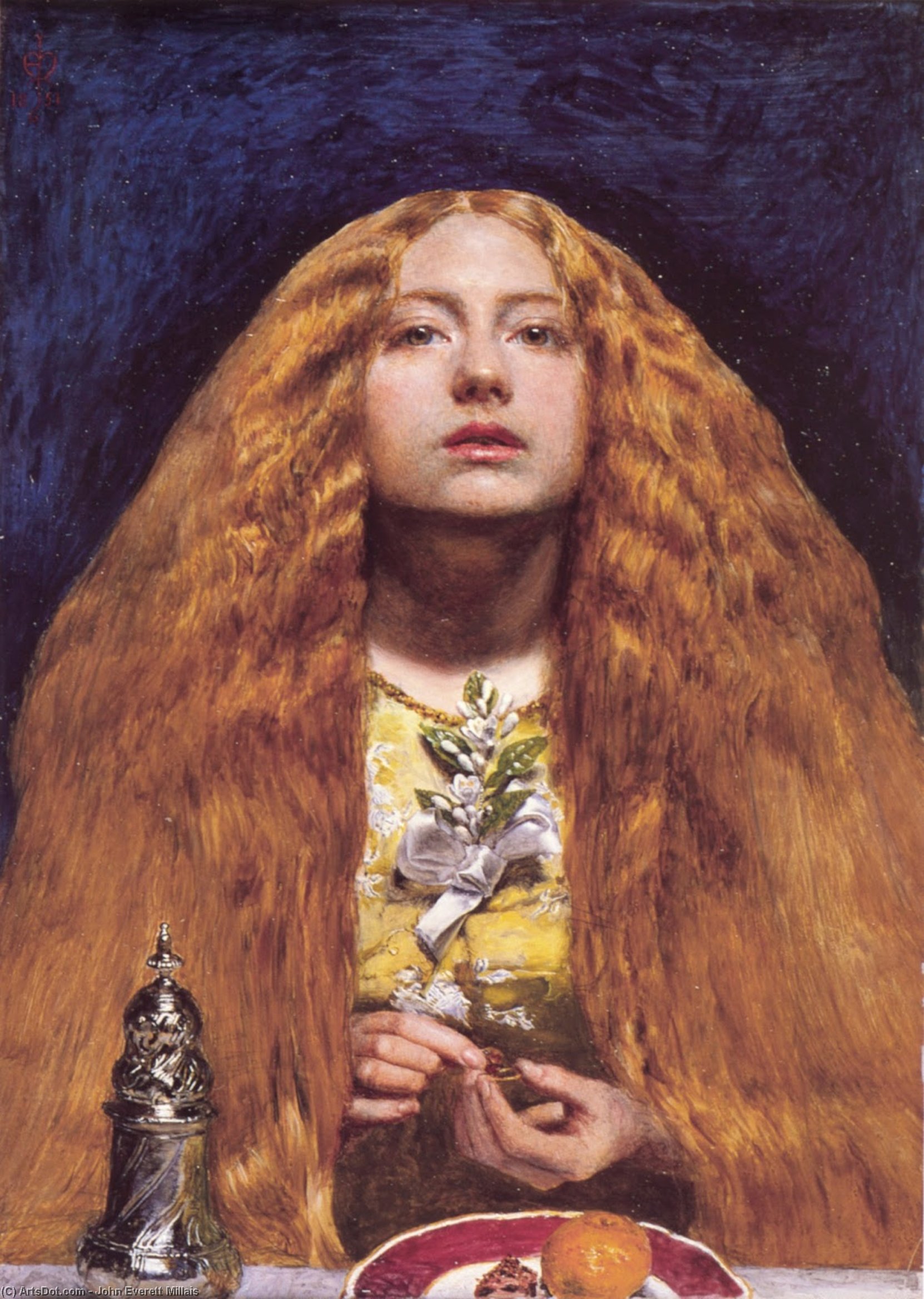
The Bridesmaid
 Oil On Canvas
- WallArt
- Romanticism
 1851
1851- 19th Century
 20.0 x 27.0 cm
Millais' 'The Bridesmaid' (1851) captures Victorian tradition & romance. Explore symbolism of apples, clocks & the bridesmaid’s contemplative gaze in this Pre-Raphaelite masterpiece.
 Pročitajte više
Otkrijte djela Sir Johna Everetta Millaisa (1829-1896), osnivača Pre-Raphaelita. Uronite u njegov detaljan realizam i ikonične slike poput 'Ophelije' te utjecaj na viktorijansku umjetnost.
Giclée / Umjetnički otisak
Giclée tisak muzejske kvalitete ili otisak na platnu uz brzu proizvodnju i fleksibilne opcije završne obrade. ( Naručite ručno oslikano reprodukciju Prebacite na digitalnu prodaju slika)




P118B €10

P118H €10

P118W €10

P438Z €10

P508JH €12

P508YH €12

P805H €10

P805Z €10

P919BZ €10

P919G €10

P919XJ €10

P959ZH €10

P968JZ €12

W106C €8

W218G €10

W218JH €8

W218Y €10

W307PJ €10

W316G €10

W316PJ €8

W316Y €10

W398PJ €8

W4111J €10

W500HY €15

W500JH €15

W692G €12

W849H €8

W940BG €15

W953PJ €8




Standardne dimenzije
prilagođeno po mjeri
CM
INCH
Odaberite jednu od naših unaprijed definiranih veličina koje odgovaraju izvornim proporcijama umjetničkog djela.
Loading sizes...

širina
visina
Možete unijeti vlastite dimenzije kako biste umjetničko djelo prilagodili specifičnom okviru ili prostoru. Ako odabrana veličina ne odgovara proporcijama izvornog rada, izrezat ćemo dio slike ili je proširiti pomoću ogledalnog efekta ili jednobojne rubne površine. Digitalni prikaz (mockup) bit će vam poslan na odobrenje prije početka proizvodnje.
Imajte na umu da pregled na zaslonu ne odražava stvarno izrezivanje ili proširivanje. Samo će mockup točno prikazati konačnu kompoziciju.
Iako su dostupne prilagođene veličine, preporučujemo odabir dimenzije iz unaprijed definirane liste kako biste očuvali izvorne proporcije.
Dostava širom svijeta () u roku od 2 tjedna umjesto standardnih 4/5 tjedana. (2 Listopad)

Besplatna ekspresna dostava širom svijeta

Visokokvalitetno laneno platno

Potpuno osiguranje transporta

Jamstvo povrata carine i uvoznih poreza

Jamstvo vjernosti boja

Politika povrata u roku od 100 dana (samo u slučaju nedostataka)

Jamstvo povrata 100% novca

Popust na više proizvoda
 Opcija stakla dostupna je samo za dimenzije manje od 110 cm

The Bridesmaid
Giclée / Umjetnički otisak
Veličina reprodukcije
-


Ukupna cijena
€ 59
The Bridesmaid: A Glimpse into Victorian Sentiment
“The Bridesmaid,” painted by Sir John Everett Millais in 1851, is more than just a portrait; it's a window into the intricate social customs and romantic sensibilities of Victorian England. This captivating work depicts a young woman, seemingly caught in a moment of quiet contemplation following her role as a bridesmaid at a wedding ceremony. The painting’s enduring appeal lies not only in Millais’ masterful technique but also in its subtle yet profound exploration of themes like love, expectation, and the passage of time.
Artistic Style and Influences: Pre-Raphaelitism and Realism
Millais' "The Bridesmaid" is a prime example of the Pre-Raphaelite Brotherhood’s artistic philosophy. Founded in 1848 by Millais, William Holman Hunt, and Dante Gabriel Rossetti, this movement sought to reject what they perceived as the artificiality of academic art and return to the detailed observation and vibrant colors of early Renaissance painting – before Raphael, hence "Pre-Raphaelite." However, Millais also incorporated elements of realism into his work. Notice the meticulous rendering of the woman’s hair, the textures of her dress, and the details of the objects in the background—all hallmarks of a commitment to portraying reality with exceptional accuracy.
Symbolism and Interpretation: A Narrative Unveiled
Beyond its aesthetic beauty, "The Bridesmaid" is rich in symbolic meaning. The scene depicts the woman performing a traditional Victorian custom – passing a piece of wedding cake through a ring nine times, hoping to foresee her future husband. This ritual speaks to the era’s emphasis on marriage and the societal expectations placed upon young women. The inclusion of two apples resting on a table adds another layer of interpretation; apples have long been associated with love, wisdom, and abundance, suggesting that the subject is contemplating her own life and relationships. The clock in the upper left corner subtly reinforces the theme of time's passage and the fleeting nature of youth and opportunity. The woman’s expression—a blend of hope and perhaps a touch of melancholy—invites viewers to ponder her inner thoughts and feelings.
Historical Context: Victorian Society and Artistic Innovation
“The Bridesmaid” was created during a period of significant social change in England. The Victorian era (1837-1901) was characterized by rapid industrialization, strict moral codes, and a growing emphasis on domesticity. Millais’ painting reflects these values while simultaneously challenging them through its realistic portrayal of everyday life and its exploration of female subjectivity. The Pre-Raphaelites were often critical of the materialism and social inequalities of their time, and "The Bridesmaid," with its quiet intimacy and subtle symbolism, can be seen as a commentary on the complexities of Victorian society.
A Timeless Masterpiece: Owning a Reproduction
“The Bridesmaid” remains a beloved work of art, admired for its beauty, technical skill, and evocative storytelling. Handmade oil painting reproductions are available, allowing you to bring this iconic piece into your own home or collection. Experience the charm and depth of Millais’ masterpiece—a testament to the power of art to capture the essence of a bygone era.
Biografija umjetnika
Genij Pre-Rafaelita: Život i Umjetnost Sir Johna Everetta Millaisa
Rođen u Southamptonu 1829. godine, John Everett Millais je stupio na Škole Kraljevske akademije u zadivljujućoj dobi od jedanaest godina—najmlađi student ikada prihvaćen. Ovaj rani pokaz prodigijskog talenta predskazao je karijeru koja neće samo definirati umjetnički pokret, već će osvojiti i viktorijansku maštu svojim zadivljujućim realizmom i emocionalnom dubinom. Od najranijih dana, Millais je posjedovao izvanredan dar za zapažanje, kvalitet koji će postati temelj njegovog umjetničkog stila. On nije samo slikovao ono što je vidio; on je to pedantno rekonstruirao, obogaćujući svaki potez četkice gotovo fotografskom vjernošnošću. Ova posvećenost istini u prikazivanju izdvojila ga je i na kraju ga navela do izazivanja uspostavljenih konvencija britanske umjetnosti.Rođenje Bratstva i Umjetnički Pobun
Millaisova umjetnička trajektorija preokrenula se ključno 1848. godine kada, uz Dantea Gabriela Rossettija i William Holman Hunta, osnovao je Pre-Rafaelitsko bratstvo. Ovo nije bila samo estetska izbira; to je bio namjerni pobun protiv onoga što su smatrali umjetnočljivošću akademske umjetnosti—umjetnosti koja je previše skrenula s prirodnog svijeta i iskrenosti majstora ranog renesansa, onih koji su radili prije Rafaela. Pre-Rafaeliti težili su oživjeti jasnoću, detaljnost i živahne palete boja umjetnika poput Jana van Eycka i Fra Angelica. Njihov manifest bio je istina prirodi, odbacivanje idealiziranih oblika i prihvaćanje tema crpanih iz književnosti, mitologije i svakodnevnog života. Millaisova rani djela, kao što je Izabela, odmah su pokazala ovaj novi pristup—pedantna pažnja na detalje spojenoj s narativnom intenzitetnošću koja je očaravala i često uznemiravala publiku. Njegovo najkontroverznije djelo u ovom periodu, Krist u kući svojih roditelja (1849-50), prikazivalo je Svetu porodicu ne kao eterične biće, već kao obične radnike klase, izazivajući bijes među kritikama koje su našle njegov realizam uznemirujućim pa čak i blasfemskim.Razvijajući Stili i Viktorijanske Osjetljivosti
Sredina 1850-ih označila je razdoblje značajne promjene za Millaisa, kako osobnog tako i umjetničkog. Njegov brak s Effie Gray, nakon poništenja njenog braka s Johnom Ruskinom, duboko je utjecao na njegov rad. Odmaknuo se od intenzivno detaljiranog, simboličnog stila svojih ranih Pre-Rafaelitskih slika prema širem, atmosferskijem realizmu. Ovaj pomak nije bio samo pitanje stilskog preferiranja; on je odražavao sve veće angažiranje s savremenim životom i želju da uhvati prolaznu ljepotu prirodnog svijeta. Slika poput Jesenjih listova ilustriraju ovaj novi smjer—mirno prikazivanje grupe mladih žena koje nose lišće niz rijeku, prožuto osjećajem melanholije i nostalgije. Također je pronašao značajan uspjeh kao portretista, uhvaćavajući likove istaknutih viktorijanskih figura, uključujući Johna Gladstona i Benjamina Disraelija. Ovaj period donio je Millaisu široku popularnost i financijsku sigurnost, ali je također privukao kritiku onih koji su osjećali da je kompromitirao svoja umjetnička načela.Naslijeđe i Trajan Utjecaj
Unatoč ovim kritikama, Sir John Everett Millais ostaje jedna od najvažnijih figura u britanskoj umjetnosti 19. stoljeća. Njegov utjecaj proteže se daleko izvan Pre-Rafaelitskog bratstva; pomogao je redefinirati standarde realizma i narativne slikarstva, inspirirajući generacije umjetnika. Njegove ikonične slike—Ofelija, s njenom jezivom ljepotom i simboličkom bogatstvom, Hugenot, prikazujući trenutak pikantnog dramata, i bezbroj drugih—nastavljaju resonirati kod publike danas. Millaisova sposobnost spajanja pedantnog zapažanja s emocionalnom dubinom, njegova majstorija boje i kompozicije, te njegova volja da izazove umjetničke konvencije cementirale su njegovo mjesto kao istinskog inovatora. 1896. godine izabran je za predsjednika Kraljevske akademije, svjedočanstvo o njegovom trajnom naslijeđu—iako mu je nažalost preminuo samo nekoliko mjeseci kasnije. Njegov rad i dalje se slavi u muzejima i kolekcijama širom svijeta, osiguravajući da će ljepota i moć njegove umjetnosti trajati za dolazeće generacije.Glavni Djela i Kolekcije
- Krist u kući svojih roditelja (1849-1850): Tate Britan, London – Kontroverzno remek-djelo koje ilustrira rani Pre-Rafaelitski realizam.
- Ofelija (1851-1852): Tate Britan, London – Možda njegovo najpoznatije djelo, proslavljeno zbog svoje jezive ljepote i simboličke dubine.
- Hugenot (1851-1852): Privatna kolekcija – Dramatičan prikaz vjerskog sukoba i zabranjene ljubavi.
- Mariana (1850-1851): Manchester umjetnička galerija – Inspirirano Šekspirovom i Tennijonom, pokazujući Millaisov vještina u hvatanju raspoloženja i atmosfere.
- Jesenji listovi (1855-1856): Galerije umjetnosti grada Manchestera – Mirna i evocativna slika koja odražava njegov razvijajući stil.

John Everett Millais
1829 - 1896 , Ujedinjeno Kraljevstvo
Brzi pregled
- Datum Rođenja: 8. lipnja 1829.
- Datum Smrti: 13. kolovoza 1896.
- Državljanstvo: Britanski
- Mjesto Rođenja: Southampton, Ujedinjeno Kraljevstvo
- Puno Ime: Sir John Everett Millais
- Umjetnici Ili Pokreti Koje Je Utjecao: ['Pre-Raphaelitski pokret']
- Umjetnički Pokret Ili Stil: Pre-Raphaeliti, Realizam
- Značajna Djela:
- Krist u kući roditelja...
- Ophelia
- A Huguenot
- Mariana
Povezani članci

The Pre-Raphaelite Brotherhood: Rediscovering Beauty, Romance, and Medieval Magic in Victorian Art
Embark on a journey through the Pre-Raphaelite Brotherhood. Discover the romantic symbolism, medieval magic, and radical beauty of Rossetti and Burne-Jones in this expert exploration of Victorian art history.
Istražite umjetnička djela organizirana prema temama, stilovima i karakteristikama.


