

 Pregledaj u stvarnoj veličini
 Podijeli
 Podijeli
 Detalji
 Vodič
Vodič

 Preuzmi datoteku
 Slični predmeti
 Rentgenska snimka
 Slide show
 Statistika
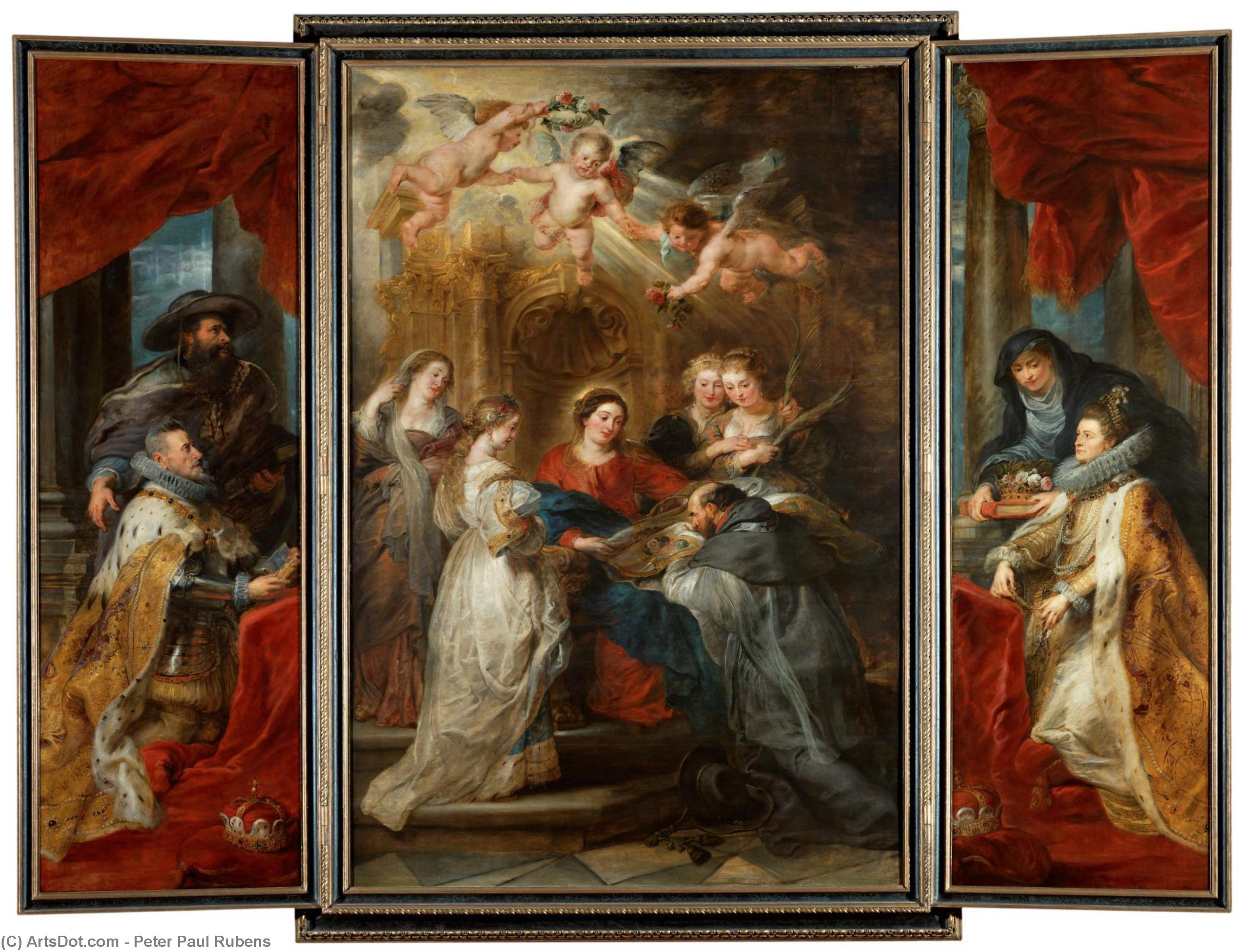
Altar Ildefonsa


Otkrijte Rubinaov 'Altar Ildefonsa'! Strašan barokni triptih prikazuje Božansko otkriće i španjolsku nasljeđe. istražite bogate simbolizam i majstorski tehniku – vječna remekdjela.
 Pročitajte više
Sahrani Peter Paul Rubens, barokni majstor! Poznat po dinamičnim kompozicijama, živopisnim bojama i ikoničnim djelima poput 'Masakra nevina'. Istražite njegov život i umjetnost!
Giclée / Umjetnički otisak
Giclée tisak muzejske kvalitete ili otisak na platnu uz brzu proizvodnju i fleksibilne opcije završne obrade. ( Naručite ručno oslikano reprodukciju Prebacite na digitalnu prodaju slika)




P118B €10

P118H €10

P118W €10

P438Z €10

P508JH €12

P508YH €12

P805H €10

P805Z €10

P919BZ €10

P919G €10

P919XJ €10

P959ZH €10

P968JZ €12

W106C €8

W218G €10

W218JH €8

W218Y €10

W307PJ €10

W316G €10

W316PJ €8

W316Y €10

W398PJ €8

W4111J €10

W500HY €15

W500JH €15

W692G €12

W849H €8

W940BG €15

W953PJ €8




Standardne dimenzije
prilagođeno po mjeri
CM
INCH
Odaberite jednu od naših unaprijed definiranih veličina koje odgovaraju izvornim proporcijama umjetničkog djela.
Loading sizes...

širina
visina
Unesite širinu i visinu koja vam je potrebna, kako bi odgovarali vašem okviru ili zidu. Print se može samo izrezati, nikada ne može biti veći od slike, stoga veličina s drugačijim oblikom gubi dio slike. Šaljemo vam digitalni prikaz (mockup) na odobrenje prije bilo kakve štampe. Slika prikazana na ovoj stranici ne prikazuje stvarni rez — to čini samo digitalni prikaz.
Dostava širom svijeta () u roku od 2 tjedna umjesto standardnih 4/5 tjedana. (23 Listopad)

Besplatna ekspresna dostava širom svijeta

Visokokvalitetno laneno platno

Potpuno osiguranje transporta

Jamstvo povrata carine i uvoznih poreza

Jamstvo vjernosti boja

Politika povrata u roku od 100 dana (samo u slučaju nedostataka)

Jamstvo povrata 100% novca

Popust na više proizvoda
 Opcija stakla dostupna je samo za dimenzije manje od 110 cm

Altar Ildefonsa
Giclée / Umjetnički otisak
Veličina reprodukcije
-


Ukupna cijena
€ 61
Predstavljanje Svine "Ildefonso" od Rubena
Svine "Ildefonso", djelo velikog Petara Petraovića Rubena iz 1632. godine, nije samo slika; to je snažna manifestacija barokne umjetnosti, vizualni zapis duhovnog iskustva i političke moći. Ova trodelna oltarna slika, s početnim mjestom u crkvi sv. Ildefonsa u Veneciji, prikazuje trenutak duboke vjerske transformacije – pojavu Presvetog Srca Isusa Kristova i Dijete Marije, okružene skupinom svetaca i važnih povjesničara. Rubenov maestralan pristup kombinaciji detalja, emocija i kompozicije stvorio je djelo koje i danas fascinira svojom veličinom, bogatstvom i snažnim izrazom.Barokni Stil i Tehničko Izvršenje
Rubenova tehnika u "Ildefonsu" je primjerena baroknom stilu – karakteriziran dramatičnim kontrastima svjetla i sjene (chiaroscuro), bogatim, živopisnim bojama i izrazito dinamičnom kompozicijom. Svi elementi su pažljivo razvrstani kako bi se stvorila vizualna drama, naglašavajući veličanstvenost i emocionalnu dubinu scene. Rubenov majstorstvo u radu s tkaninom je posebno očigledno – svaki sloj odjeće prikazan je s iznimnom preciznošću, dodajući bogatstvu i raskoši sceni. Značajna je i njegova sposobnost da stvori iluziju volumena i prostora, što se može vidjeti u detaljima arhitekture i figurativnih likova. Ovaj pristup tehnici, kombiniran s njegovim iznimnim vještinama, rezultira djelom koje je vizualno snažno i izuzetno živopisno.Simbolizam i Povijesni Kontekst
Svine "Ildefonso" nije samo prikaz vjerske scene; ona je bogata simbolikom koja odražava povijesni i duhovni kontekst u kojem je stvorena. Centralni element – pojavljivanje Dijete Marije s Isusom – predstavlja krstu, a također i obnove i spasenja. Pored toga, prisutnost svetaca poput sv. Ildefonsa (za kojeg je oltar posvećen) i drugih svetih, kao i prikaz kraljevskih figura, naglašava moć i važnost crkve u to vrijeme. Oltar je bio izrazito važan objekt u baroknim crkvama, često služio kao središte vjerske slave i odražavao političku moć lokalnih vladara. U kontekstu Counter-Reformationa, ova slika bila je namijenjena da potakne vjernike na duhovnu refleksiju i potvrdi katoličku vjerovanja.Emocionalni Utjecaj i Kulturna Nasljeđivanja
"Ildefonso" ostaje snažna umjetnička djela zbog svog emocionalnog utjecaja. Rubenov izraziti prikaz emocija – vjere, nade, dubokog poštovanja – privlači gledatelje i potiče ih na osobnu refleksiju. Oltar je bio središte duhovne slave i odražavao političku moć lokalnih vladara. U kontekstu Counter-Reformationa, ova slika bila je namijenjena da potakne vjernike na duhovnu refleksiju i potvrdi katoličku vjerovanja. Svine "Ildefonso" ostaje snažna umjetnička djela zbog svog emocionalnog utjecaja. Rubenov izraziti prikaz emocija – vjere, nade, dubokog poštovanja – privlači gledatelje i potiče ih na osobnu refleksiju.Savršeno za Reprodukciju i Izlaganje
Ova visoko kvalitetna reprodukcija "Ildefonsa" omogućuje ljubiteljima umjetnosti da dožive veličinu i bogatstvo Rubenovog originalnog djela. Bilo da je izložena u velikoj životinjari, svetištu ili galeriji, ova slika će biti središte koje inspirira razgovor i poštovanje. Njezin fascinantni prikaz, tehničko umijeće i emocionalna dubina čine je dragocjenim dodavkom za sve koji cijene duhovnu umjetnost, povijesne remekdjela i vječnu ljepotu.Pitanja i odgovori
Odakle dolaze posjetitelji djela "Altar Ildefonsa" autora Petar Petrovič Rubins?
Statistike o djelu "Altar Ildefonsa" autora Petar Petrovič Rubins možete pronaći na stranici Statistika tog umjetničkog djela: mjesečni posjeti umjetničkom djelu, posjete umjetnikovim radovima te pregled nedavnih posjetitelja prema državi i jeziku.
Postoje li djela slična djelu "Altar Ildefonsa"?
Stranica Slična djela za djelo "Altar Ildefonsa" autora Petar Petrovič Rubins prikazuje srodna umjetnička djela.
Kako mogu pogledati "Altar Ildefonsa" autora Petar Petrovič Rubins u obliku prezentacije?
Djelo "Altar Ildefonsa" autora Petar Petrovič Rubins možete pregledati u obliku prezentacije na stranici Diaporama za to umjetničko djelo.
Biografija umjetnika
Sir Peter Paul Rubens: A Baroque Master!
Peter Paul Rubens, a name that resonates with the very essence of Baroque dynamism, was far more than simply a painter. He was a diplomat, a scholar, and a cultural architect who fundamentally reshaped the artistic landscape of 17th-century Europe. Born in Siegen, Germany, in 1577, his early life was marked by displacement—a formative experience that would subtly permeate his later work with an undercurrent of drama and emotional depth. His father, Jan Rubens, a lawyer fleeing religious persecution for his Calvinist beliefs, uprooted the family from their native Antwerp, then under Spanish rule. This initial exile instilled in young Peter Paul a sense of resilience and adaptability, qualities that would serve him well throughout his multifaceted career. Following his father’s death in 1587, the family returned to Antwerp, where he received a humanist education before embarking on his artistic training around 1590, apprenticing under Tobias Verhaecht and Adam van Noort, honing foundational skills in drawing and painting techniques. However, it was his time with Otto van Veen that proved pivotal, exposing him to the rich legacy of Italian Renaissance art—a world he would soon embrace wholeheartedly.The Italian Awakening and Artistic Synthesis
In 1600, Rubens embarked on a transformative journey to Italy, a pilgrimage that irrevocably shaped his artistic vision. For eight years, he immersed himself in the masterpieces of Michelangelo, Raphael, and Titian, absorbing their mastery of form, color, and composition. The influence of these Renaissance giants is readily apparent in his early Italian works, characterized by classical themes and idealized figures. Yet, Rubens didn’t merely imitate; he synthesized these influences with his own innate talent, developing a distinctive style marked by vibrant hues, dynamic compositions, and a sensuous depiction of the human form. He studied anatomy meticulously, resulting in figures that possessed both physical realism and emotional power—robust bodies imbued with life and movement. This period wasn’t solely about artistic development; it was a profound intellectual awakening, fostering a deep appreciation for classical mythology and literature which would become recurring motifs throughout his oeuvre. Upon returning to Antwerp in 1608, Rubens swiftly established himself as the leading artist of his time, receiving a flood of commissions that testified to his burgeoning reputation and solidifying his position at the forefront of Flemish art.A Master of Many Forms: Painting Beyond Boundaries
Rubens’s artistic output was astonishingly diverse and prolific. He didn't confine himself to a single genre; instead, he excelled in history paintings, mythological scenes, portraits, landscapes, and religious works—a testament to his versatility and boundless creativity. His large-scale canvases, often intended for churches, palaces, and public spaces, were breathtaking displays of technical virtuosity and dramatic storytelling. The Descent from the Cross (c. 1616-1617) exemplifies his masterful use of light and shadow to create a scene of profound emotional intensity, drawing viewers into the heart of the narrative. The Raising of the Cross (1610-1611), with its swirling figures and dynamic composition, showcases his ability to convey movement and energy—a hallmark of his Baroque style. Even in seemingly static subjects like The Judgement of Paris (c. 1636), Rubens infused a sense of life and vitality through his vibrant color palette and sensual depiction of the human form. His technique was equally remarkable – a masterful command of oil painting, employing impasto to create texture and depth, alongside delicate glazing techniques to achieve luminous effects. He frequently employed allegorical figures and symbolic imagery, layering narratives with complex meanings that invited contemplation and interpretation.Diplomacy, Legacy, and Enduring Influence
Rubens’s influence extended far beyond the realm of art. His diplomatic skills were highly sought after by the Southern Netherlands (modern-day Belgium), and he undertook numerous missions to England, France, and Spain, negotiating treaties and fostering political alliances—a unique dual role that afforded him a nuanced perspective on European affairs and further enhanced his reputation as a man of intellect and influence. In 1622 he was commissioned by Maria de Medici, where he was quickly forced to hone a new skill set—the political maneuver. Cardinal Richelieu hated him, Maria was unpredictable, and the project eventually fell apart, leaving many works uncompleted. But Rubens still brought home a commission. After the death of his first wife in 1625, Rubens traveled again, this time wielding his skill in painting as a diplomatic tool. He traveled to England to work for King Charles I. In both France and England, Rubens arrived as a painter and left as a confidant of the powerful and dangerous. In his travels he negotiated allegiances for Isabella Clara Eugenia, the governor of the Spanish Netherlands. In exchange, Isabella bestowed knighthood on her loyal painter, and the artist became Sir Peter Paul Rubens. He continued to paint prolifically until his death in Antwerp in 1640, leaving behind a vast legacy that continues to inspire awe and admiration. His impact on subsequent generations of artists is immeasurable; painters like Anthony van Dyck, Jacob Jordaens, and Eugène Delacroix all drew inspiration from his dynamic compositions, vibrant colors, and sensuous figures. Rubens didn’t just define the Baroque style—he elevated painting to a new level of prestige and influence, solidifying Antwerp as a major center of artistic production during the 17th century. He remains, centuries later, a towering figure in the history of art, a testament to the power of human creativity and the enduring allure of Baroque splendor.Key Characteristics of Rubens’s Style
- Dynamic Composition: Rubens' paintings are known for their energetic and dramatic arrangements of figures.
- Vibrant Color Palette: He employed a rich, warm color scheme that brought his canvases to life.
- Sensuous Figures: His depictions of the human form were characterized by fullness, vitality, and often, overt sensuality.
- Masterful Use of Light and Shadow: Rubens skillfully manipulated light and shadow to create depth, drama, and emotional impact.
- Allegorical Symbolism: His works frequently incorporated allegorical figures and symbolic imagery, adding layers of meaning and complexity.

Petar Petrovič Rubins
1577 - 1640 , Njemačka
Brzi pregled
- Artistic Movement Or Style: Barok
- Artists Or Movements Influenced By This Artist:
- Antoni van Dijk
- Jakob Jordans
- Artists Who Influenced This Artist:
- Mikelijel Đevet
- Rafael
- Titijan
- Date Of Birth: 28. juni 1577.
- Date Of Death: 30. maj 1640.
- Full Name: Sir Peter Paul Rubens
- Nationality: Flamanjski
- Notable Artworks:
- Descent iz križa
- Podizanje križa
- Portret Izabele Brant
- Place Of Birth: Siegen, Njemačka
Povezani članci

Paul Cézanne: 25 Remek-djela koji su promijenili svijet umjetnosti | TopImpressionists
Uronite u svijet Paula Cézanna! Otkrijte 25 remek-djela impresionizma i postimpresionizma. Saznajte priče iza slika, tehnike i inspiracije ovog francuskog umjetnika. Reprodukcije vrhunske kvalitete dostupne na TopImpressionists.com

The Dramatic Flourish: Exploring the Baroque Movement's Enduring Legacy in Art History
Explore the dramatic world of Baroque art! Discover iconic artists like Caravaggio & Rubens, defining techniques, and its lasting impact on art history. Expert insights for collectors & enthusiasts at TopImpressionists.

Paul Klee: 25 Remek-djela Švicarskog Majstora za Uljepšavanje Vašeg Doma
Uronite u svijet Paula Kleea! Otkrijte 25 remek-djela švicarskog umjetnika, od apstraktnih ekspresionizama do živopisnih boja i jedinstvenih stilova. Inspirirajte se za dekoraciju interijera s TopImpressionists.com - pronađite reprodukcije vrhunske kvalitete i uljepšajte svoj dom!

Peter Paul Rubens: A Baroque Master's Life, Legacy & Enduring Influence
Discover the life & art of Peter Paul Rubens, the most influential artist of the Flemish Baroque tradition. Explore his masterpieces, legacy, and impact on art history with TopImpressionists.

The Grandeur of Baroque Portraiture: Power, Emotion & Artistic Innovation
Explore the grandeur of Baroque portraiture! Discover Rubens, Van Dyck & the masters of 17th-century art. Uncover symbolism, techniques & lasting influence. Expert insights for collectors and enthusiasts.
Istražite umjetnička djela organizirana prema temama, stilovima i karakteristikama.


