

 Pregledaj u stvarnoj veličini
 Podijeli
 Podijeli
 Detalji
 Vodič
Vodič

 Preuzmi datoteku
 Slični predmeti
 Rentgenska snimka
 Slide show
 Statistika
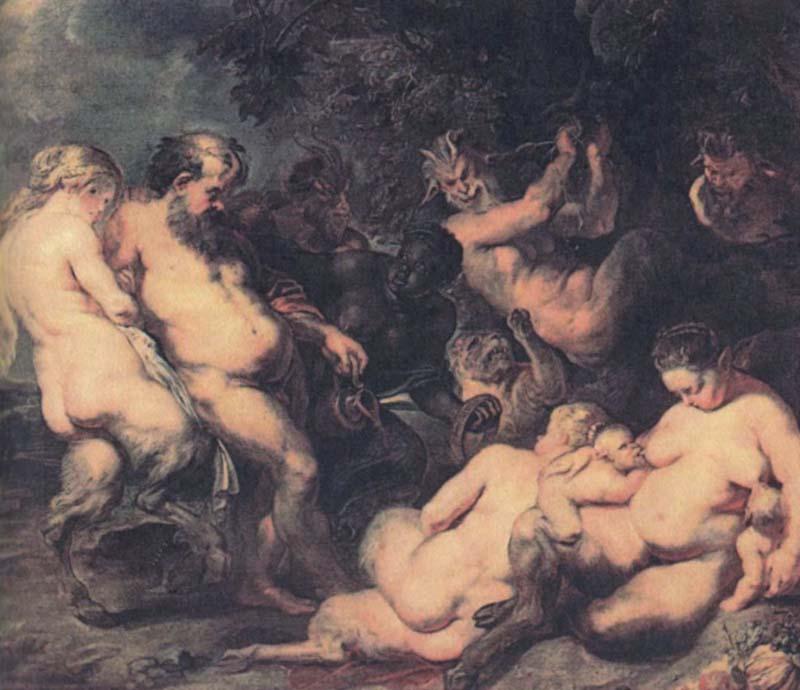
Bacchanale


Experience the raw energy of Rubens' "Bacchanale"! This Baroque masterpiece captures a wild celebration with nude figures, vibrant colors, and dynamic movement – a captivating glimpse into 17th-century ecstasy.
 Pročitajte više
Sahrani Peter Paul Rubens, barokni majstor! Poznat po dinamičnim kompozicijama, živopisnim bojama i ikoničnim djelima poput 'Masakra nevina'. Istražite njegov život i umjetnost!
Giclée / Umjetnički otisak
Giclée tisak muzejske kvalitete ili otisak na platnu uz brzu proizvodnju i fleksibilne opcije završne obrade. ( Naručite ručno oslikano reprodukciju Prebacite na digitalnu prodaju slika)




P118B €10

P118H €10

P118W €10

P438Z €10

P508JH €12

P508YH €12

P805H €10

P805Z €10

P919BZ €10

P919G €10

P919XJ €10

P959ZH €10

P968JZ €12

W106C €8

W218G €10

W218JH €8

W218Y €10

W307PJ €10

W316G €10

W316PJ €8

W316Y €10

W398PJ €8

W4111J €10

W500HY €15

W500JH €15

W692G €12

W849H €8

W940BG €15

W953PJ €8




Standardne dimenzije
prilagođeno po mjeri
CM
INCH
Odaberite jednu od naših unaprijed definiranih veličina koje odgovaraju izvornim proporcijama umjetničkog djela.
Loading sizes...

širina
visina
Unesite širinu i visinu koja vam je potrebna, kako bi odgovarali vašem okviru ili zidu. Print se može samo izrezati, nikada ne može biti veći od slike, stoga veličina s drugačijim oblikom gubi dio slike. Šaljemo vam digitalni prikaz (mockup) na odobrenje prije bilo kakve štampe. Slika prikazana na ovoj stranici ne prikazuje stvarni rez — to čini samo digitalni prikaz.
Dostava širom svijeta () u roku od 2 tjedna umjesto standardnih 4/5 tjedana. (21 Listopad)

Besplatna ekspresna dostava širom svijeta

Visokokvalitetno laneno platno

Potpuno osiguranje transporta

Jamstvo povrata carine i uvoznih poreza

Jamstvo vjernosti boja

Politika povrata u roku od 100 dana (samo u slučaju nedostataka)

Jamstvo povrata 100% novca

Popust na više proizvoda
 Opcija stakla dostupna je samo za dimenzije manje od 110 cm

Bacchanale
Giclée / Umjetnički otisak
Veličina reprodukcije
-


Ukupna cijena
€ 60
The Frenzied Dance of Divinity: Peter Paul Rubens’s “Bacchanale”
Peter Paul Rubens' "Bacchanale," painted around 1615, isn’t merely a depiction of revelry; it’s a visceral embodiment of the Baroque spirit—a tempestuous collision of classical mythology, raw emotion, and dynamic movement. This monumental oil on canvas transports us to a moonlit forest, teeming with figures caught in an ecstatic dance before Bacchus, the god of wine and fertility. The painting pulsates with life, demanding our attention and inviting us into its chaotic, intoxicating world. It’s a work that speaks not just to the eye but directly to the senses, capturing the very essence of unbridled joy and primal instinct.
Rubens, a master of color and composition, was deeply influenced by the Counter-Reformation's need for dramatic religious imagery. Yet, he skillfully blended this influence with his own exuberant style, creating works that were both profoundly spiritual and intensely sensual. “Bacchanale” exemplifies this duality perfectly. The figures, rendered in Rubens’ signature glowing palette of reds, golds, and deep blues, are not idealized heroes but deeply human—prone to lust, intoxication, and a complete abandonment of restraint. This departure from the more restrained styles of earlier periods was revolutionary, reflecting a shift towards embracing earthly pleasures within a framework of religious devotion.
A Symphony of Form and Color
Technically, “Bacchanale” is a tour de force. Rubens’s brushwork is loose and energetic, creating an immediate sense of movement and dynamism. Notice how he uses rapid, short strokes to depict the swirling fabrics and the frenzied gestures of the dancers. The figures are not meticulously rendered with anatomical precision; instead, they are captured in moments of intense emotion, their forms simplified and exaggerated to heighten the drama. The use of *chiaroscuro* – the dramatic contrast between light and dark – further emphasizes this sense of movement and adds a layer of theatricality to the scene. The lighting seems to emanate from within the figures themselves, bathing them in an otherworldly glow.
Rubens’s mastery of color is equally remarkable. He employs a vibrant, almost overwhelming palette, using rich reds and golds to represent the intoxicating effects of wine and revelry. These warm tones are juxtaposed with cooler blues and greens, creating a dynamic visual tension that mirrors the emotional turmoil of the scene. The sheer intensity of the colors contributes significantly to the painting’s overall impact, drawing the viewer into its chaotic embrace.
Mythological Roots and Symbolic Layers
The subject matter itself—the bacchanal—is steeped in classical mythology. The Bacchanalia were wild festivals held in honor of Dionysus (Bacchus), where participants indulged in wine, music, dance, and ecstatic rituals. These celebrations represented a temporary escape from the constraints of civilized society, a return to primal instincts and a celebration of life’s fleeting pleasures. In “Bacchanale,” Rubens transforms this ancient myth into a powerful allegory for human nature—a reminder of our capacity for both joy and excess.
Beyond the mythological narrative, the painting is rich in symbolic detail. The abundance of food and drink symbolizes fertility and prosperity, while the nudity of the figures represents freedom from shame and social constraints. Even the forest setting itself can be interpreted symbolically—representing a wild, untamed space where human desires are unleashed without restraint. The inclusion of satyrs and nymphs further reinforces the painting’s connection to pagan traditions, adding another layer of complexity to its meaning.
A Legacy of Baroque Grandeur
“Bacchanale” stands as one of Rubens' most celebrated works, a testament to his artistic genius and his ability to capture the spirit of the Baroque era. Its dramatic composition, vibrant colors, and powerful emotional impact continue to resonate with viewers today. Reproductions of this masterpiece offer a remarkable opportunity to experience the intensity and dynamism of Rubens’s vision—a chance to step into a world of ecstatic revelry and witness the raw beauty of human passion. It's a painting that invites contemplation, sparking questions about our own relationship to pleasure, excess, and the enduring power of myth.
Pitanja i odgovori
Koji je datum nastanka djela "Bacchanale" autora Petar Petrovič Rubins?
Izrada djela "Bacchanale" autora Petar Petrovič Rubins datira iz 1615. godine.
U kojoj je godini i u kojem je umjetničkom pravcu nastalo djelo "Bacchanale"?
"Bacchanale" nastalo je 1615. godine, u sklopu pokreta Baroque dynamism.
Postoji li proširena stvarnost (AR) pregled za "Bacchanale"?
Djelo "Bacchanale" autora Petar Petrovič Rubins možete isprobati na vlastitom zidu pomoću stranice AR pregled, koristeći proširenu stvarnost na kompatibilnom uređaju.
Biografija umjetnika
Sir Peter Paul Rubens: A Baroque Master!
Peter Paul Rubens, a name that resonates with the very essence of Baroque dynamism, was far more than simply a painter. He was a diplomat, a scholar, and a cultural architect who fundamentally reshaped the artistic landscape of 17th-century Europe. Born in Siegen, Germany, in 1577, his early life was marked by displacement—a formative experience that would subtly permeate his later work with an undercurrent of drama and emotional depth. His father, Jan Rubens, a lawyer fleeing religious persecution for his Calvinist beliefs, uprooted the family from their native Antwerp, then under Spanish rule. This initial exile instilled in young Peter Paul a sense of resilience and adaptability, qualities that would serve him well throughout his multifaceted career. Following his father’s death in 1587, the family returned to Antwerp, where he received a humanist education before embarking on his artistic training around 1590, apprenticing under Tobias Verhaecht and Adam van Noort, honing foundational skills in drawing and painting techniques. However, it was his time with Otto van Veen that proved pivotal, exposing him to the rich legacy of Italian Renaissance art—a world he would soon embrace wholeheartedly.The Italian Awakening and Artistic Synthesis
In 1600, Rubens embarked on a transformative journey to Italy, a pilgrimage that irrevocably shaped his artistic vision. For eight years, he immersed himself in the masterpieces of Michelangelo, Raphael, and Titian, absorbing their mastery of form, color, and composition. The influence of these Renaissance giants is readily apparent in his early Italian works, characterized by classical themes and idealized figures. Yet, Rubens didn’t merely imitate; he synthesized these influences with his own innate talent, developing a distinctive style marked by vibrant hues, dynamic compositions, and a sensuous depiction of the human form. He studied anatomy meticulously, resulting in figures that possessed both physical realism and emotional power—robust bodies imbued with life and movement. This period wasn’t solely about artistic development; it was a profound intellectual awakening, fostering a deep appreciation for classical mythology and literature which would become recurring motifs throughout his oeuvre. Upon returning to Antwerp in 1608, Rubens swiftly established himself as the leading artist of his time, receiving a flood of commissions that testified to his burgeoning reputation and solidifying his position at the forefront of Flemish art.A Master of Many Forms: Painting Beyond Boundaries
Rubens’s artistic output was astonishingly diverse and prolific. He didn't confine himself to a single genre; instead, he excelled in history paintings, mythological scenes, portraits, landscapes, and religious works—a testament to his versatility and boundless creativity. His large-scale canvases, often intended for churches, palaces, and public spaces, were breathtaking displays of technical virtuosity and dramatic storytelling. The Descent from the Cross (c. 1616-1617) exemplifies his masterful use of light and shadow to create a scene of profound emotional intensity, drawing viewers into the heart of the narrative. The Raising of the Cross (1610-1611), with its swirling figures and dynamic composition, showcases his ability to convey movement and energy—a hallmark of his Baroque style. Even in seemingly static subjects like The Judgement of Paris (c. 1636), Rubens infused a sense of life and vitality through his vibrant color palette and sensual depiction of the human form. His technique was equally remarkable – a masterful command of oil painting, employing impasto to create texture and depth, alongside delicate glazing techniques to achieve luminous effects. He frequently employed allegorical figures and symbolic imagery, layering narratives with complex meanings that invited contemplation and interpretation.Diplomacy, Legacy, and Enduring Influence
Rubens’s influence extended far beyond the realm of art. His diplomatic skills were highly sought after by the Southern Netherlands (modern-day Belgium), and he undertook numerous missions to England, France, and Spain, negotiating treaties and fostering political alliances—a unique dual role that afforded him a nuanced perspective on European affairs and further enhanced his reputation as a man of intellect and influence. In 1622 he was commissioned by Maria de Medici, where he was quickly forced to hone a new skill set—the political maneuver. Cardinal Richelieu hated him, Maria was unpredictable, and the project eventually fell apart, leaving many works uncompleted. But Rubens still brought home a commission. After the death of his first wife in 1625, Rubens traveled again, this time wielding his skill in painting as a diplomatic tool. He traveled to England to work for King Charles I. In both France and England, Rubens arrived as a painter and left as a confidant of the powerful and dangerous. In his travels he negotiated allegiances for Isabella Clara Eugenia, the governor of the Spanish Netherlands. In exchange, Isabella bestowed knighthood on her loyal painter, and the artist became Sir Peter Paul Rubens. He continued to paint prolifically until his death in Antwerp in 1640, leaving behind a vast legacy that continues to inspire awe and admiration. His impact on subsequent generations of artists is immeasurable; painters like Anthony van Dyck, Jacob Jordaens, and Eugène Delacroix all drew inspiration from his dynamic compositions, vibrant colors, and sensuous figures. Rubens didn’t just define the Baroque style—he elevated painting to a new level of prestige and influence, solidifying Antwerp as a major center of artistic production during the 17th century. He remains, centuries later, a towering figure in the history of art, a testament to the power of human creativity and the enduring allure of Baroque splendor.Key Characteristics of Rubens’s Style
- Dynamic Composition: Rubens' paintings are known for their energetic and dramatic arrangements of figures.
- Vibrant Color Palette: He employed a rich, warm color scheme that brought his canvases to life.
- Sensuous Figures: His depictions of the human form were characterized by fullness, vitality, and often, overt sensuality.
- Masterful Use of Light and Shadow: Rubens skillfully manipulated light and shadow to create depth, drama, and emotional impact.
- Allegorical Symbolism: His works frequently incorporated allegorical figures and symbolic imagery, adding layers of meaning and complexity.

Petar Petrovič Rubins
1577 - 1640 , Njemačka
Brzi pregled
- Artistic Movement Or Style: Barok
- Artists Or Movements Influenced By This Artist:
- Antoni van Dijk
- Jakob Jordans
- Artists Who Influenced This Artist:
- Mikelijel Đevet
- Rafael
- Titijan
- Date Of Birth: 28. juni 1577.
- Date Of Death: 30. maj 1640.
- Full Name: Sir Peter Paul Rubens
- Nationality: Flamanjski
- Notable Artworks:
- Descent iz križa
- Podizanje križa
- Portret Izabele Brant
- Place Of Birth: Siegen, Njemačka
Povezani članci

Drama in Nature: The Captivating Grandeur of Baroque Landscapes and the Art of Emotional Spectacle
Explore the breathtaking drama of Baroque landscapes. From Rubens's grand vistas to the mastery of chiaroscuro, discover how 17th-century artists transformed nature into a theatrical stage of emotion and light. A deep dive for true art enthusiasts.

Drama and Light: Discover the Captivating Grandeur of Baroque Art
Immerse yourself in the dramatic splendor of Baroque art. Explore the profound impact of light, shadow, and the Counter-Reformation through an expert historical lens, celebrating the masters who defined an era of unparalleled grandeur and emotional intensity.
Istražite umjetnička djela organizirana prema temama, stilovima i karakteristikama.


