

Shown: · With its frame:
 Pregledaj u realnoj veličini
 Pošalji
 Podijeli
 Detalji o umjetničkom djelu
 Vodič
Vodič

 Preuzmi umjetničko djelo
 Slični predmeti
 Rentgenska snimka
 Slide show
 Q&A
Q&A Statistika

€ 239
Ručno rađena uljana reprodukcija
Ručno oslikano uljanim bojama na platnu u dimenzijama i okviru po vašem izboru, izrađeno po narudžbi od strane naših umjetnika. ( Prebacite na printove Prebacite na digitalnu sliku)
Size
·Standardne dimenzije
po mjeri
CM
INCH
Odaberite jednu od naših unaprijed definiranih veličina koje odgovaraju izvornim proporcijama umjetničkog djela.
Loading sizes...

širina
visina
Unesite potrebnu širinu i visinu kako bi dimenzije odgovarale vašem okviru ili zidu. Budući da je riječ o ručno oslikanom djelu, umjetnik može malo proširiti rubove slike ili ih skratiti kako bi postigao drugačiji oblik — izbor je vaš. Prije početka slikanja poslat ćemo vam digitalni prikaz (mockup) radi potvrde. Slika prikazana na ovoj stranici ne predstavlja stvarni rezultat — samo digitalni prikaz to čini.
 Pročitajte više
Finish
·
White €1

Blurside €1

Extended €1

P118B €10

P118H €10

P118W €10

P438Z €10

P508JH €12

P508YH €12

P805H €10

P805Z €10

P919BZ €10

P919G €10

P919XJ €10

P959ZH €10

P968JZ €12

W106C €8

W218G €10

W218JH €8

W218Y €10

W307PJ €10

W316G €10

W316PJ €8

W316Y €10

W398PJ €8

W4111J €10

W500HY €15

W500JH €15

W692G €12

W849H €8

W940BG €15

W953PJ €8

H24-GOLD €30

H24-SILVER €30

H36-GOLD €45

H36-SILVER €45
Shipped in a protective tube, ready for your own framer.
Above 105 cm the frame is shipped as a kit for a professional framer — read the details.
Extras
optionalWhat do the extras include?
Examples of what can be changed: Replace face with customer photo; Add pet (e.g., replace cat with dog); Include hidden message in background; Change background landscape or elements.
After order, TopImpressionists.com team will email client for instructions and provide a mockup preview
After order, TopImpressionists.com team will email client for instructions and provide a mockup preview
Isporuka širom svijeta () u roku od 3-4 tjedna umjesto standardnih 5 tjedana. (3 Studeni). Bez kompromisa u kvaliteti.
Zaštitni lak
Natpisna pločica
Detalji gravirane brončane pločice
This elegant plaque features the artist's name and the title of the artwork, finely engraved for a timeless presentation.
It is made from bronze with a refined, elegant finish. The text is precisely laser-engraved for a sharp and permanent result. Measuring 9x2 cm, the plaque is compact yet easy to read. It's built to be durable and scratch-resistant, offering a professional, museum-quality look. Mounting is simple thanks to the included adhesive backing.
Detalji prozirne akrilne pločice
The plaque includes essential engraved details such as the artist's name, the title of the artwork, the date it was created, the type of media used-like oil on canvas or watercolor-a brief description of the piece, and a QR code that links to the complete artwork information.
It is crafted from clear acrylic, offering a sleek, modern appearance. The text is UV-engraved in black to ensure strong visual contrast. With a size of 10x15 cm, it ensures optimal readability. It comes equipped with two metal hooks for secure wall mounting. The plaque is designed to be weather-resistant, making it suitable for various environments, and it includes interactive features that work seamlessly with smartphone scanning.
Detalji crne akrilne pločice
This elegant plaque includes engraved information such as the artist's name, the title of the artwork, the date it was created, the type of media used (like oil on canvas or watercolor), a short description of the artwork, and a QR code for quick access to more information.
The plaque itself is made from refined black acrylic with a premium finish. The text is laser-engraved in white for high contrast and readability. Its size is 10x15 cm, designed to be easy to read. It comes with two metal hooks for professional mounting. The design is sleek and fits any interior style. It is also weather-resistant and durable, with built-in digital integration for mobile compatibility.
Opcija stakla dostupna je samo za dimenzije manje od 110 cm
 Opcija stakla dostupna je samo za dimenzije manje od 110 cm
- Besplatna ekspresna dostava širom svijeta
- Visokokvalitetno laneno platno
- Potpuno osiguranje dostave
- Jamstvo povrata carine i uvoznih poreza
- Jamstvo vjernosti boja
- Politika povrata u roku od 100 dana (samo u slučaju nedostataka)
- Jamstvo povrata 100% novca
- Popust na više proizvoda


Opis kolekcionarskog predmeta
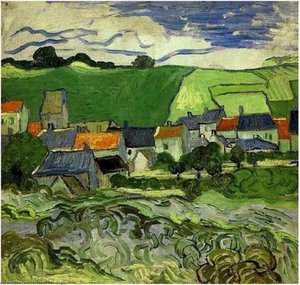
Experience Vincent van Gogh's 'Cottages,' a serene depiction of rural life brimming with vibrant colors and Post-Impressionist charm. A hand-painted reproduction captures the beauty of Dutch countryside.
Biografija umjetnika
Vincent van Gogh (1853-1890): Istražite život i umjetnost holandskog postimpresionističkog majstora iza djela 'Zvezdana noć' i 'Sunčnice'. Otkrijte njegov hrabri stil i trajni utjecaj na modernu umjetnost.
About the painting
Cottages: A Window into Post-Impressionist Tranquility
Vincent van Gogh’s “Cottages,” painted in 1883, isn't merely a depiction of a rural village; it’s an immersive experience—a carefully constructed tableau designed to evoke a profound sense of peace and nostalgia. This oil on canvas, residing within the broader series exploring peasant life, offers a glimpse into Van Gogh’s evolving artistic vision during a pivotal period in his career. The scene unfolds with a quiet dignity: humble cottages, their thatched roofs blending seamlessly with the surrounding greenery, nestled beneath a serene sky. It's a landscape imbued with a palpable sense of warmth and community, yet simultaneously tinged with a subtle melancholy—a characteristic hallmark of Van Gogh’s mature style.
The painting’s genesis lies within the burgeoning Post-Impressionist movement, an era defined by artists seeking to move beyond the fleeting impressions of light and color favored by their predecessors. Post-Impressionism wasn't a rigid school but rather a diverse collection of artists—including Van Gogh himself, Paul Cézanne, Paul Gauguin, and Georges Seurat—who experimented with subjective expression, symbolic content, and emotional depth. Van Gogh’s “Cottages” exemplifies this shift; he abandons the purely observational approach of earlier Impressionists, instead layering his own feelings and interpretations onto the scene. The vibrant yellows dominating the cottages aren't simply a representation of color but rather convey warmth, light, and perhaps even a hint of optimism—a deliberate choice to imbue the humble dwellings with an aura of comfort and security.
The Language of Color and Texture
Van Gogh’s distinctive technique is immediately apparent. He employs thick, impasto brushstrokes – literally building up layers of paint directly onto the canvas – creating a tactile surface that invites close inspection. The individual strokes are visible, contributing to the painting's dynamism and energy. Notice how he uses short, broken lines to depict the thatched roofs, suggesting their texture and movement in the breeze. The greens and blues of the landscape aren’t blended smoothly; instead, they’re applied with a sense of urgency, conveying a feeling of vitality and growth. This deliberate manipulation of color and texture is central to Van Gogh's expressive style—a means of communicating not just what he *saw*, but how he *felt* about what he saw.
The composition itself is carefully considered. The cottages are arranged in a loose, asymmetrical grouping, creating a sense of visual interest and preventing the scene from feeling static. A few figures—likely peasants engaged in daily tasks—are scattered throughout the landscape, adding to the painting’s narrative quality. These figures aren't idealized or romanticized; they appear as ordinary people going about their lives, contributing to the overall sense of authenticity and realism.
Symbolism and Emotional Resonance
Beyond its visual appeal, “Cottages” is rich in symbolism. The humble cottages represent a connection to rural life, a theme that was increasingly important to Van Gogh during this period. He saw in these simple dwellings a sense of stability and community—a stark contrast to the alienation and uncertainty he often experienced in urban environments. The sky, painted in shades of blue and grey, suggests both tranquility and melancholy – reflecting the artist’s own complex emotional state. The presence of animals, likely dogs, adds another layer of meaning, symbolizing loyalty, companionship, and a connection to nature.
Van Gogh's fascination with rural life stemmed from his desire to understand the lives of ordinary people—particularly the working class. He believed that art should serve as a means of social commentary, offering insights into the experiences of those often overlooked by society. “Cottages” is therefore not just a pretty picture; it’s a poignant meditation on themes of poverty, community, and the beauty of the natural world.
Bringing "Cottages" Home: A Hand-Painted Reproduction
At TopImpressionists.com, we are proud to offer meticulously hand-painted oil reproductions of Van Gogh's “Cottages,” capturing the essence of this iconic artwork with unparalleled detail and authenticity. Our skilled artists utilize only the finest materials—traditional oil paints on archival canvas—to faithfully recreate every brushstroke, color nuance, and textural element of the original. Each reproduction is a testament to our commitment to preserving Van Gogh’s legacy and making his art accessible to collectors and admirers worldwide.
Whether you're an avid art collector, an interior designer seeking to add a touch of Post-Impressionist charm to your home, or simply someone who appreciates the beauty of Van Gogh’s work, our hand-painted reproduction of “Cottages” offers a unique opportunity to own a piece of art history. Explore our collection and discover how you can bring this timeless masterpiece into your life today. Special offer on oil paintings.
Pitanja i odgovori
Je li prikaz "Cottages" autora Vincent Van Gogh u javnom vlasništvu?
Status autorskih prava za "Cottages" autora Vincent Van Gogh: djelo je u javnom vlasništvu – autorska prava su istekla. To određuje smiju li se slobodno izrađivati reprodukcije slike.
Koja je postava prikladna za format djela "Cottages" autora Vincent Van Gogh?
Format Landscape djela "Cottages" autora Vincent Van Gogh preporučuje se za Living Room. Format i prostor zajedno usmjeravaju postavljanje reprodukcije.
Koliko svjetlosti se čini da boje djela "Cottages" reflektiraju?
Zabilježena luminancija za "Cottages" autora Vincent Van Gogh iznosi Soft Shadow.
Quick facts and art quiz
About Vincent Van Gogh

Vincent Van Gogh
1853 - 1890, Nizozemska
Biografija umjetnika
Život oslikovan strasti: Vincent van Gogh
Vincent Willem van Gogh, ime koje je postalo sinonim za živopisne boje i sirovu emociju, ostaje jedna od najprepoznatljivijih i najvoljenijih figura u povijesti umjetnosti. Rođen 30. ožujka 1853. godine u Zundertu, u Nizozemskoj, njegov put od napaćenog mladića koji je tražio smisao do umjetničkog vizionara je dirljiva priča o predanosti, borbi i, na kraju, neprolaznom nasljeđu. Iako je tijekom života postigao malo komercijalnog uspjeha – prodavši samo jednu sliku, Crvenu vinograd, prije svoje smrti – Van Goghov utjecaj na modernu umjetnost je neizmjerljiv, prokrčivavajući put ekspresionizmu i nadahnjujući bezbrojne umjetnike koji su slijedili njegove tragove. Njegova priča nije samo priča o potezima kista i platnima; to je svjedočanstvo moći ljudskog izražavanja usred najvećih nedaća.
Rane godine i umjetničko buđenje
Van Goghov rani život obilježen je nizom neostvarenih težnji. Isprobavao je razne profesije – trgovac umjetninama, učitelj, pa čak i misionar – prije nego što se konačno posvetio slikarstvu u relativno kasnim tridesetim godinama. Ta su ranija iskustva duboko oblikovala njegov pogled na svijet i pronašla svoj put u njegovu umjetnost. Njegova početna djela, koja prikazuju prizore seljačkog života u ruralnoj Belgiji, odražavaju duboku empatiju prema radničkoj klasi i tamu paletu koja odražava njihove nedaće. Pod utjecajem umjetnika poput Jean-François Millet, Van Gogh je nastojao uhvatiti dostojanstvo i otpornost tih ljudi kroz oštar realizam. Međutim, presudno je bilo njegovo premještanje u Pariz 1886. godine. Tamo se susreo s impresionizmom i postimpresionizmom, upijajući tehnike majstora poput Moneta, Renoira i Pissarra. To je izlaganje proširilo njegove umjetničke horizonte, vodeći ga u eksperimentiranje s svjetlijim bojama i slobodnijim potezima kista, iako je zadržao specifičnu emocionalnu intenzitet koji je nedostajao mnogim njegovim suvremenicima. Njegov brat Theo, trgovac umjetninama, igrao je ključnu ulogu u tom razdoblju, pružajući financijsku potporu i djelujući kao vitalna veza s parizskim svijetom umjetnosti. Njihova opsežna korespondencija nudi neprocjenjiv uvid u Van Goghov umjetnički razvoj i osobne borbe.
acijeJužno svjetlo i eksplozivna kreativnost
Tražeći živopisniji krajolik i osjećaj obnovljenja, Van Gogh se 1888. preselio u Arles u južnoj Francuskoj. Ovaj je potez označio razdoblje intenzivne kreativne proizvodnje, obilježeno eksplozijom boja i prepoznatljivom impasto tehnikom – nanosanjem debelih slojeva boje na platno, stvarajući teksturiranu površinu koja kao da pulsira energijom. Upravo je tu nastala neka od njegovih najikoničnijih djela: Sunčnice, Noćni kafić i Zvezdana noć. Intenzivna sunčeva svjetlost Provensa činila se kao da rasplamsava njegovu maštu, vodeći ga u prikazivanje krajolika i mrtve prirode s neviđenom živopisnošću. Njegova želja za umjetničkom suradnjom navela ga je da pozove Paula Gauguina u Arles, nadajući se uspostavi utopijskog kolonija umjetnika. Međutim, njihovo je odnos pokazao se nestabilnim, kulminirajući dramatičnim sukobom koji je rezultirao Van Goghovim mutilacijom vlastitog uha. Ovaj događaj naglasio je krhkost njegovog mentalnog stanja i označio početak razdoblja institucionalizacije i sve većih psiholoških patnji.
Kasne godine i neprolazno nasljeđe
Nakon svog sloma, Van Gogh je dobrovoljno ušao u ludašnicu u Saint-Rémyju, gdje je nastavio obilno slikati, hvatajući okolne krajolike s istovremenom ljepotom i nemirima. Djela poput Zvezdane noći, naslikanog u to vrijeme, prožeta su osjećajem kozmičke čudesnosti i dubokim emocionalnim intenzitetom. Kasnije se preselio u Auvers-sur-Oise pod skrb doktora Paula Gacheta, ali njegove su borbe potrajale. Dana 29. srpnja 1890., u dobi od 37 godina, Van Gogh je tragično umro od samopovredne strijelničke rane. Unatoč malo priznanja tijekom života, njegovo je djelo počelo dobivati posthumnu slavu, prvenstveno zahvaljujući neumornim naporima njegove snaje, Johanne van Gogh-Bonger, koja je naslijedila njegov imovinu i posvetila se promociji njegove umjetnosti. Danas se Van Goghove slike slave širom svijeta zbog njihove emocionalne intenzivnosti, inovativnih tehnika i trajne ljepote. Njegovo nasljeđe proteže se daleko izvan platna; on je postao simbol umjetničke strasti, ustrajnosti u suočavanju s nedaćama i moći umjetnosti da izrazi najdublje ljudske emocije.
Ključni utjecaji i umjetnički razvoj
- Rani realizam: Prikazi seljačkog života Jean-François Milleta utjecali su na Van Goghova rana djela.
- Impresionizam i postimpresionizam: Susret s Monetom, Renoirom, Pissarrrom i drugima u Parizu proširio je njegovu paletu i tehniku.
- Japanske grafike: Van Gogh je bio duboko pod utjecajem japanskih drvoreza koje je strastveno prikupljao. Njihove hrabre kompozicije i ravne površine boja utjecale su na njegov vlastiti stil.
- Emocionalno izražavanje: Iznad svega, Van Gogh je nastojao prenijeti emociju kroz svoju umjetnost, dajući prednost subjektivnom iskustvu nad objektivnim prikazom. Ovaj fokus na emocionalni intenzitet postao je definirajuća karakteristika njegovog rada i otvorio put ekspresionizmu.
Quick facts about Vincent Van Gogh
- Datum Rođenja: 30. ožujka 1853.
- Državljanstvo: Nizozemac
- Mjesto Rođenja: Zundert, Nizozemska
- Pokreti/Umjetnici Pod Utjecajem:
- Ekspresionizam
- Fauvizam
- Poznata Djela:
- The Potato Eaters
- Sunflowers
- Starry Night
- The Night Café
- Puno Ime: Vincent Willem van Gogh
- Umjetnički Pokret: Postimpresionizam
- Utjecajni Umjetnici:
- Rembrandt van Rijn
- Jean-François Millet
Srodna umjetnička djela



Istražite umjetnička djela organizirana prema temama, stilovima i karakteristikama.


Vincent Van Gogh
Cottages
() ·
With its frame: · Hand-painted in oil on linen
Total