


 Pregledaj u stvarnoj veličini
 Podijeli
 Podijeli
 Detalji
 Vodič
Vodič

 Preuzmi datoteku
 Slični predmeti
 Rentgenska snimka
 Slide show
 Statistika
St Luke


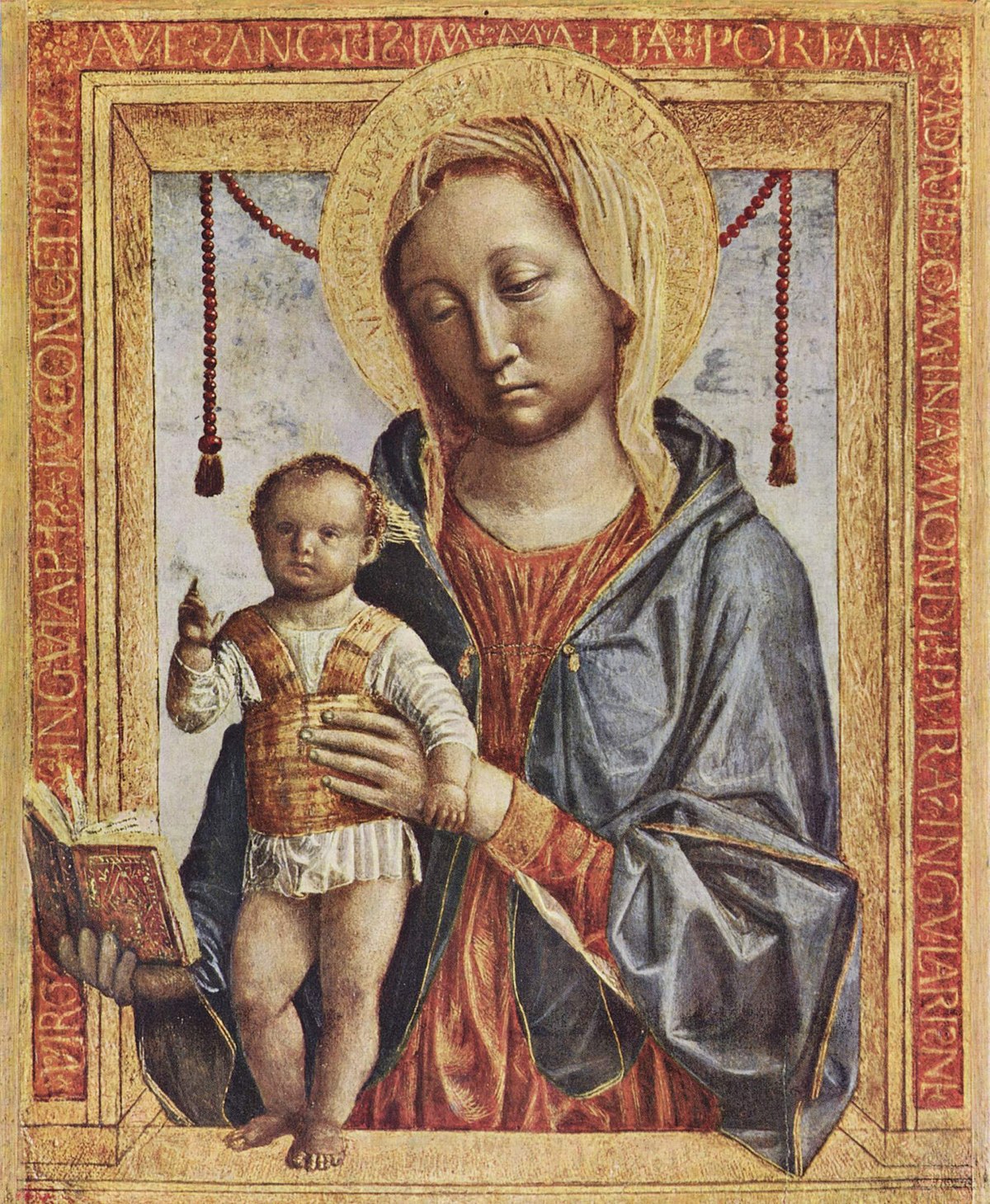
Witness the serene beauty of St Luke by Vincenzo Foppa (1510), a Renaissance masterpiece depicting the Evangelist's contemplative pose within a richly detailed fresco. Explore its symbolism and artistic significance.
 Pročitajte više
Otkrijte Vincenzo Foppa (1427-1515), ključnog remeňansobornog slikarja i osnivača lombardške škole. Istražite njegove freske, portrete i jedinstveno umjetničko nasljeđe pod utjecajem Bellinija & Mantegne.
Giclée / Umjetnički otisak
Giclée tisak muzejske kvalitete ili otisak na platnu uz brzu proizvodnju i fleksibilne opcije završne obrade. ( Naručite ručno oslikano reprodukciju Prebacite na digitalnu prodaju slika)




P118B €10

P118H €10

P118W €10

P438Z €10

P508JH €12

P508YH €12

P805H €10

P805Z €10

P919BZ €10

P919G €10

P919XJ €10

P959ZH €10

P968JZ €12

W106C €8

W218G €10

W218JH €8

W218Y €10

W307PJ €10

W316G €10

W316PJ €8

W316Y €10

W398PJ €8

W4111J €10

W500HY €15

W500JH €15

W692G €12

W849H €8

W940BG €15

W953PJ €8




Standardne dimenzije
prilagođeno po mjeri
CM
INCH
Odaberite jednu od naših unaprijed definiranih veličina koje odgovaraju izvornim proporcijama umjetničkog djela.
Loading sizes...

širina
visina
Možete unijeti vlastite dimenzije kako biste umjetničko djelo prilagodili specifičnom okviru ili prostoru. Ako odabrana veličina ne odgovara proporcijama izvornog rada, izrezat ćemo dio slike ili je proširiti pomoću ogledalnog efekta ili jednobojne rubne površine. Digitalni prikaz (mockup) bit će vam poslan na odobrenje prije početka proizvodnje.
Imajte na umu da pregled na zaslonu ne odražava stvarno izrezivanje ili proširivanje. Samo će mockup točno prikazati konačnu kompoziciju.
Iako su dostupne prilagođene veličine, preporučujemo odabir dimenzije iz unaprijed definirane liste kako biste očuvali izvorne proporcije.
Dostava širom svijeta () u roku od 2 tjedna umjesto standardnih 4/5 tjedana. (2 Listopad)

Besplatna ekspresna dostava širom svijeta

Visokokvalitetno laneno platno

Potpuno osiguranje transporta

Jamstvo povrata carine i uvoznih poreza

Jamstvo vjernosti boja

Politika povrata u roku od 100 dana (samo u slučaju nedostataka)

Jamstvo povrata 100% novca

Popust na više proizvoda
 Opcija stakla dostupna je samo za dimenzije manje od 110 cm

St Luke
Giclée / Umjetnički otisak
Veličina reprodukcije
-


Ukupna cijena
€ 59
The Serene Figure of St Luke – A Window into the Lombard School
Vincenzo Foppa’s fresco depicting St Luke, housed within the magnificent San Maurizio al Monastero Maggiore in Milan, is more than just a devotional image; it's a captivating glimpse into the artistic landscape of early 16th-century Italy. Created around 1510, this work stands as a testament to Foppa’s mastery of Renaissance techniques and his unique contribution to the burgeoning Lombard school of painting. The scene immediately draws the eye with its quiet dignity – St Luke, an elderly figure radiating wisdom and piety, occupies the central space, framed by the subtle yet powerful presence of two angelic figures. The muted palette—earth tones interwoven with delicate blues and greens—evokes a sense of timelessness and spiritual contemplation, characteristic of frescoes produced during this period. Notice how Foppa skillfully employs perspective to create depth, drawing the viewer into the scene and emphasizing St Luke’s importance within it.
Hands of a Scholar and Evangelist
The hands of St Luke are particularly noteworthy, acting as focal points within the composition. Raised slightly above his body, they suggest both an act of offering and a gesture of pointing – perhaps towards the Gospel he is holding, or even to God himself. The detail in their rendering—the subtle veins, the delicate musculature—demonstrates Foppa’s meticulous attention to anatomical accuracy, a hallmark of Renaissance art. The ambiguity surrounding the objects held in his hands adds another layer of intrigue; while often interpreted as representing the Gospel of Luke, the second object remains deliberately obscured, inviting viewers to contemplate its symbolic significance. This deliberate withholding of clarity is not simply an artistic choice but reflects the complex and layered nature of faith itself.
A Symphony of Light and Shadow – The Lombard School’s Influence
Foppa's style firmly places him within the Lombard school, a movement that emerged in Northern Italy during the early 15th century. Unlike the High Renaissance ideals dominating Florence and Rome, the Lombard school prioritized a more intimate and emotionally resonant approach to painting. The use of diffused light, characteristic of fresco techniques, creates an atmospheric quality, bathing the scene in a soft glow. The influence of artists like Gentile da Fabriano and Pisanello is readily apparent – particularly in the delicate rendering of drapery and the expressive faces of the angels. The slightly elongated figures, a common feature of the Lombard style, contribute to a sense of grace and elegance. The background elements—the architectural details and floral motifs—further enhance this atmosphere, suggesting an interior setting within a sacred space.
Historical Context and Artistic Legacy
The creation of St Luke’s fresco coincided with a period of significant artistic and political change in Milan. The Sforza family, powerful dukes who ruled the city, were major patrons of the arts, commissioning works that reflected their wealth and prestige. Foppa's work is therefore inextricably linked to this vibrant cultural environment. His dedication to his craft, coupled with his technical skill and artistic vision, solidified his position as a leading figure in the Lombard school. Though relatively few of his paintings survive, St Luke’s fresco remains a powerful testament to his legacy – a serene and evocative depiction of faith, scholarship, and the enduring beauty of Renaissance art. It's a piece that invites contemplation and offers a profound connection to the artistic traditions of Northern Italy.
Pitanja i odgovori
Preporučena veličina i orijentacija za tisak djela "St Luke" – koja je preporučena veličina i koji položeni format?
Preporučuje se ispis djela "St Luke" autora Vincenzo Foppa u veličini Large i Portrait orijentaciji.
U kojoj je godini nastalo djelo "St Luke" autora Vincenzo Foppa?
Izrada djela "St Luke" autora Vincenzo Foppa datira iz 1510. godine.
Koji umjetnik se pripisuje djelu "St Luke"?
Autor djela "St Luke" je Vincenzo Foppa. Rad je katalogiziran pod imenom Vincenzo Foppa.
Može li se prikaz "St Luke" autora Vincenzo Foppa slobodno reproducirati?
"St Luke" autora Vincenzo Foppa je u u javnom vlasništvu – autorska prava su istekla. Ovaj status određuje način na koji se prikaz djela može reproducirati.
Koliko je godina imao/la Vincenzo Foppa u vrijeme stvaranja djela "St Luke"?
Vincenzo Foppa je imao/la 83 godina u trenutku stvaranja djela "St Luke" u 1510 godini. Dob je izračunata na temelju godine umjetnikovog rođenja, 1427.
Odgovara li datum 1510. godine za "St Luke" kojoj fazi karijere Vincenzo Foppa pripada?
"St Luke", nastalo 1510. godine, pripada Early Renaissance u karijeri umjetnika Vincenzo Foppa.
Gdje mogu vidjeti originalno djelo "St Luke" autora Vincenzo Foppa?
Originalno djelo "St Luke" autora Vincenzo Foppa čuva se u muzeju San Maurizio al Monastero Maggiore, Milano, Italija. Reprodukcija omogućuje prikazivanje ovog djela u vašem domu.
Biografija umjetnika
Lombard vizionar: Život i umjetnost Vincenza Foppe
Vincenzo Foppa, ime možda manje trenutno prepoznatljivo od imena njegovih renesansnih kolega, ipak stoji kao ključna figura u istočničkoj umjetničkoj povijesti. Rođen oko 1427. godine u Bagnolo Mella, blizu Brescije, Foppa se pojavio kao vodeća svjetlost ranog lombardskog kola slikarstva, stvarajući jedinstven stil koji je spjevao gotičke tradicije s usponskim humanističkim idealima. Njegova karijera se uglavnom razvijala pod protekcijom moćne Sforza obitelji, vojvoda Milana, a njegov utjecaj odjavi se kroz Lombardiju i Liguriju prije nego što se vratio u svoje rodno gradsko središte Bresciju za zadnje godine života, umirući 1515. Iako je preživjeli korpus djela relativno mali—žalostna posljedica vremena i okolnosti—utjecaj Foppine umjetničke vizije ostaje duboko vidljiv u kasnijem razvoju slikarstva širom sjeverne Italije.Formativne godine i umjetničko pútovanje
Umjetnička scena u Bresciji tijekom Foppinove mladosti nije bila posebno živahna, što je zahtijevalo potragu za učenjem drugdje. Precizni detalji njegovog učenika ostaju obuhvaćeni nekim misterijem, ali je jasno da je započeo umjetničko pútovanje kako bi usvojio vladajuće stilove i tehnike tog doba. Rani utjecaji su lako uočljivi u njegovom radu: nježna liričnost freski Gentilea da Fabriana u Broletto kapeli u Bresciji, te rafinirana elegancija tkanog Bogojavljenja Jacopa Bellinija. Posljednji umjetnik čini se da je izbio posebno snažan privlačan utjecaj, pri čemu neki znanstvenici sugeriraju da je Foppa možda čak bio direktno učenik njega. Drugi potencijalni mentori uključuju Bonifacio Bembo, dok spekulacije također ukazuju na rano učenje u Padovi pod Francesco Squarcioneom. Međutim, njegovi najraniji radovi otkrivaju stilističke afinitete s Pisanellom i Gentileom da Fabrianom, što mnoge navodi vjerovati da je formalno učenje vjerojatno održano u Veroni—gradu koji je tada cvjetao kao središte umjetničkih inovacija. Ovaj period apsorpcije i eksperimentiranja temeljio je osnovu za Foppinov jedinstveni sintez različitih utjecaja.Protekcija Sforza i lombardanske inovacije
Foppinove su sudbine dramatično promijenjene kada je privukao pažnju vojvode Francescoa Sforze u Paviji oko 1458. Njegove vještine brzo su osigurale narudžbe, uključujući prestižni projekt u Genovi—freske za kapelu sv. Ivanom krstitelju u katedrali, nažalost izgubljene tijekom renovacija 16. stoljeća. Sjajna preporuka od Sforze otvorila je vrata daljnjih prilika, i 1463., Foppa je bio pozvan sam u Milan. Tamo je preuzeo značajne projekte kao što su freske za portikolo novog Ospedale Maggiore te niz elaboratnih ukrasa unutar Medicijske banke u Milanu. Ove posljednje djela su posebno vrijedna napomene, prikazujući osam rimskih careva—uključujući detaljan skiciraj Trajana—uz upečatljiv portret Francescoa Sforze i njegove obitelji. To je tijekom ovog razdoblja da Foppa zaista uspostavio znakove lombardskog kola. Njegovi nasrti počeli su pokazivati karakterističnu sivo-siva tonuaciju na koži, osobina koja će biti široko imitirana od strane kasnijih generacija umjetnika. Majstorski je spjevao gotičku eleganciju sa usponskim renesansnim principima perspektive i naturalizma, stvarajući kompozicije koje su bile istovremeno vizualno očaravajuće i intelektualno angažirajuće. Mladi Cicero čita, jedini preživjeli sekularni fragment iz freski Medicijske banke—sada u Wallace kolekciji u Londonu—exemplificira ovu sintezu, pokazujući Foppinovu sposobnost prenosa psihološke dubine i narativne složenosti.Naslijeđe i povijetna značajnost
Unatoč gubitku mnogih njegovih djela, utjecaj Vincenza Foppe na lombardsko slikarstvo bio je ogroman. Uspostavio je regionalni stil koji je služio kao most između kasnog gotičkog perioda i visoke renesanse. Njegov naglasak na realističkom prikazu, spojen s rafiniranim osjetom za boju i kompoziciju, otvorio je put umjetnicima poput Vincenza Civerchia i Girolama Romaninija. Giorgio Vasari, proslavljeni povijestičar umjetnosti, prepoznao je Foppu kao jednog od najvećih slikarica svog doba—svjedočanstvo njegove vještine i reputacije tijekom njegovog života. Foppino umjetničko naslijeđe proteže se izvan pukog stilističkog imitiranja. Pokazao je zapažljiv umijeće prilagođavanja i sinteze različitih utjecaja, stvarajući jedinstveno lombardansku estetiku koja je odražavala kulturni i politički pejzaž njegovog vremena. Njegov rad oličava duh inovacije i eksperimentiranja, čineći ga ne samo majstor zanata već i vizionar umjetnik koji je pomogao oblikovati tok italijanske renesansne slikarstva. Vincenzo Foppa, iako možda manje proslavljen od nekih njegovih slavnijih kolega, ostaje esencijalna figura za razumijevanje bogatog gobelina umjetnosti 15. stoljeća na sjevernoj Italiji.
Vincenzo Foppa
1427 - 1515 , Italija
Brzi pregled
- Artistic Movement Or Style: Rani renesans
- Artists Or Movements Influenced By This Artist:
- Vincenzo Civerchio
- Girolamo Romanino
- Artists Who Influenced This Artist:
- Jacopo Bellini
- Gentile da Fabriano
- Date Of Birth: 1427
- Date Of Death: 1515
- Full Name: Vincenzo Foppa
- Nationality: Talijanski
- Notable Artworks:
- Madonna i dijete
- Križanje (1456)
- Mladi Cicero čita
- Place Of Birth: Bagnolo Mella, Italija
Povezani članci

Capturing the Grey Light: A Journey Through the Soulful Atmosphere of the Hague School
Explore the evocative beauty of the Hague School. Discover how Dutch masters captured the soulful 'grey light' through atmospheric realism and tonalism, paving the way for Impressionism. A deep dive into the misty landscapes and emotional depth of this legendary art movement.

The Eternal Glow of Fresco: Capturing Light, Spirit, and the Timeless Majesty of Wall Art
Discover the enduring beauty of fresco painting. Explore the history, technique, and spiritual depth of mural art, from Michelangelo to modern luxury design. Learn how to bring the timeless glow of masterworks into your home through exquisite, hand-painted reproductions.