

 Pregledaj u stvarnoj veličini
 Podijeli
 Podijeli
 Detalji
 Vodič
Vodič

 Preuzmi datoteku
 Slični predmeti
 Rentgenska snimka
 Slide show
 Statistika
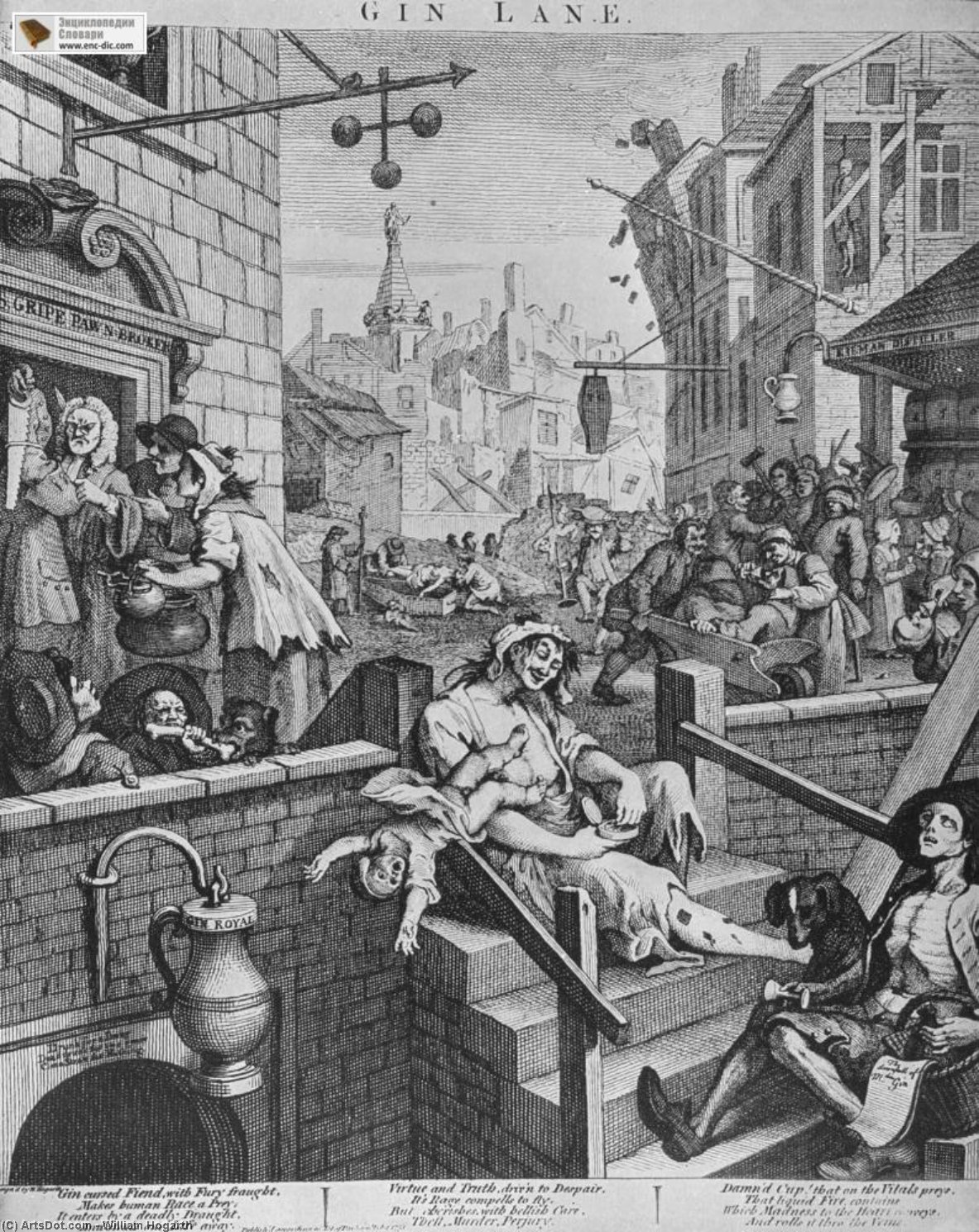
Gin Lane
 Engraving
- WallArt
- Moralistic Engraving
 1750
1750- Early Modern
 359.0 x 341.0 cm
Explore William Hogarth’s "Gin Lane," a stark 1750 engraving depicting London’s social decay & gin addiction. A powerful, detailed masterpiece of English moralistic art.
 Pročitajte više
Meta Description: William Hogarth (1697–1764) je bio engleski slikar i grafičar koji je poznat po svojim satirskim djelima kao što su "A Harlot's Progress" i "A Rake's Progress", oblikujući tako britanski umjetnički jezik i društvenu kritiku stoljeća XVIII.
Giclée / Umjetnički otisak
Giclée tisak muzejske kvalitete ili otisak na platnu uz brzu proizvodnju i fleksibilne opcije završne obrade. ( Naručite ručno oslikano reprodukciju Prebacite na digitalnu prodaju slika)




P118B $10

P118H $10

P118W $10

P438Z $10

P508JH $12

P508YH $12

P805H $10

P805Z $10

P919BZ $10

P919G $10

P919XJ $10

P959ZH $10

P968JZ $12

W106C $8

W218G $10

W218JH $8

W218Y $10

W307PJ $10

W316G $10

W316PJ $8

W316Y $10

W398PJ $8

W4111J $10

W500HY $15

W500JH $15

W692G $12

W849H $8

W940BG $15

W953PJ $8




Standardne dimenzije
prilagođeno po mjeri
CM
INCH
Odaberite jednu od naših unaprijed definiranih veličina koje odgovaraju izvornim proporcijama umjetničkog djela.
Loading sizes...

širina
visina
Možete unijeti vlastite dimenzije kako biste umjetničko djelo prilagodili specifičnom okviru ili prostoru. Ako odabrana veličina ne odgovara proporcijama izvornog rada, izrezat ćemo dio slike ili je proširiti pomoću ogledalnog efekta ili jednobojne rubne površine. Digitalni prikaz (mockup) bit će vam poslan na odobrenje prije početka proizvodnje.
Imajte na umu da pregled na zaslonu ne odražava stvarno izrezivanje ili proširivanje. Samo će mockup točno prikazati konačnu kompoziciju.
Iako su dostupne prilagođene veličine, preporučujemo odabir dimenzije iz unaprijed definirane liste kako biste očuvali izvorne proporcije.
Dostava širom svijeta () u roku od 2 tjedna umjesto standardnih 4/5 tjedana. (27 Rujan)

Besplatna ekspresna dostava širom svijeta

Visokokvalitetno laneno platno

Potpuno osiguranje transporta

Jamstvo povrata carine i uvoznih poreza

Jamstvo vjernosti boja

Politika povrata u roku od 100 dana (samo u slučaju nedostataka)

Jamstvo povrata 100% novca

Popust na više proizvoda
 Opcija stakla dostupna je samo za dimenzije manje od 110 cm

Gin Lane
Giclée / Umjetnički otisak
Veličina reprodukcije
-


Ukupna cijena
$ 69
A Descent into London’s Shadows
In the heart of 18th-century London, amidst the swirling fog and the growing shadows of social upheaval, William Hogarth captured a moment of profound human tragedy that continues to haunt the viewer centuries later. His masterpiece, Gin Lane, is far more than a mere engraving; it is a visceral, breathing chronicle of a city in the throes of moral and physical decay. Completed in 1751, this work serves as a searing indictment of the "Gin Craze," a period when the cheap, accessible spirit flooded the streets of London, leaving a trail of broken families and shattered lives in its wake. As one gazes upon this intricate tableau, the sense of claustrophobia is immediate. The composition is a deliberate chaos, a densely populated lane where figures overlap and collide, creating an overwhelming atmosphere of misery that pulls the observer into the very center of the struggle.
Hogarth, a master of social satire and a keen observer of the human condition, employs a technique that breathes life into the grim reality of his subject. Through the meticulous use of hatching and cross-hatching, he achieves a remarkable tonal variation that defines the textures of a crumbling urban landscape. The starkness of the black and white medium enhances the dramatic lighting, casting deep, heavy shadows that seem to swallow the figures whole. Every line is purposeful, serving to delineate the skeletal forms of the suffering and the jagged, angular architecture of the decaying buildings. This precision allows the viewer to witness the fine details of despair—the slumped posture of a man lost to intoxication, the frantic movements of those caught in the grip of poverty, and the chilling stillness of death that permeates the scene.
Symbolism and the Weight of History
Beyond its surface-level depiction of poverty, Gin Lane is rich with symbolic language designed to provoke deep contemplation and social reform. Hogarth meticulously placed emblems of excess throughout the lane; overflowing gin barrels stand as silent sentinels of corruption, while the very architecture seems to be collapsing under the weight of vice. The presence of decaying bodies and the neglect of the innocent—such as the heartbreaking depiction of a mother unable to care for her child—act as powerful metaphors for the erosion of the social contract. This was not art created for mere decoration, but art intended to galvanette public opinion. It was part of a larger reformist movement, designed to be viewed alongside its counterpart, Beer Street, to contrast the perceived stability of traditional brewing with the destructive anarchy of the gin epidemic.
For the modern collector or interior designer, bringing a high-quality reproduction of this work into a space offers more than just a historical artifact; it introduces a profound narrative depth. The piece possesses an undeniable emotional gravity that commands attention, making it a striking focal point for those who appreciate art that challenges the status quo and explores the complexities of the human spirit. Whether placed in a study filled with historical texts or as a bold, monochromatic statement in a contemporary gallery-style room, Gin Lane serves as a timeless reminder of the power of art to act as a mirror to society, capturing the eternal struggle between chaos and order, and vice and virtue.
Biografija umjetnika
Londinski život u tinjalu i boji: Hogarthov svijet
William Hogarth, rođen 1697. godine u užurbanom srcu Londona XVIII. stoljeća, bio je mnogo više od običnog umjetnika; bio je vizualni povjesničar, oštar promatrač ljudske prirode i satirični komentator društvenih strujanja svog doba. Njegova životna priča neraskidivo je povezana s samim tkanjem Engleske tijekom razdoblja značajnih transformacija – njezinih bujnih ambicija, underlying anksioznosti i sveprisutnog licemjerja, što su sve pronašli snažan izraz u njegovim nevjerojatno detaljnim i često oštricama prožetim djelima. Kao sin skromnog učitelja latinskog, Hogarthova rana iskustva u njemu su potaknula i ljubav prema učenju i oštru svijest o društvenim nejednakostima, što će se pokazati ključnim temeljom za oblikovanje njegove umjetničke vizije. Počeo je kao šegrt gravira, brzo pokazujući talent koji je nadilazio čistu tehničku vještinu; posjedovao je urođenu sposobnost opažanja nijansi ljudskog ponašanja i njihovo prevođenje u uvjerljive vizualne narative. Ipak, osjećao je pritisak ograničenja tradicionalnog graviranja, tražeći ekspresivniji izlaz za svoju bujnu kreativnost. To ga je vodilo na studije u Akademiju St. Martin’s Lane i pod učiteljstvo sir Jamesa Thornhilla, gdje je usavršio vještine slikarstva i kompozicije, upijajući utjecaje koji će kasnije oblikovati njegov jedinstveni stil.Rađanje modernih moralnih tema
Hogarthova prava inovacija nije ležala samo u tome *što* je slikao, već i u tome *kako*. On je pionirirao ono što je nazvao „modernim moralnim temama“ – serije slika osmišljenih da ispričaju priču, često prožete snažnom satiričnom oštricom. To nisu bili izolirani portreti ili pejzaže; to su bili vizualni romani koji se odvijaju pred očima gledatelja, nudeći prodorno komentiranje suvremenog društva.Tehnika i utjecaji: Sinteza stilova
Hogarthov umjetnički stil bio je jedinstvena amalgama raznih utjecaja. Duboko je cijenio realizam i narativnu detaljnost koja se nalazi u djelima holandskih žanrovskih slikara poput Pietera de Hoocha, što je vidljivo u njegovim pedantnim prikazima interijera i svakodnevnog života. Satirični printovi proizvedeni u Francuskoj također su odigrali ulogu u oblikovanju njegovog pristupa društvenom komentiranju. Međutim, Hogarth nije jednostavno imitirao te izvore; on ih je sintetizirao u nešto potpuno novo i izrazito svoje. Njegova je tehnika bila obilježena majstorskom upotrebom linije i sjene, što je posebno uočljivo u njegovim gravurama. Koristio je prepoznatljivu tehniku križnog šrafiranja koja je stvarala dubinu i teksturu, oživljavajući njegove scene s nevjerojatnom jasnoćom. Također je posjedovao iznimno oko za kompoziciju, raspoređujući figure i predmete unutar okvira kako bi stvorio dinamične i zanimljive narative. Izvan vizualne umjetnosti, na Hogartha su utjecala književna djela, posebno ona Jonathana Swifta i Henryja Fieldinga, čiji je satirični humor informirao njegova vlastita društvena promatranja. Vjerovao je da umjetnost ne bi trebala biti samo lijepa, već bi trebala služiti i moralnoj svrsi, izazivajući gledatelje da se suoče s neugodnim istinama o sebi i svom društvu. Težio je podići ogledalo pred prirodu, odražavajući i njezinu ljepotu i njezinu ružnoću s nepokolebljivom iskrenošću.Nasljeđe i trajni utjecaj
Utjecaj Williama Hogartha proteže se daleko izvan okvira umjetnosti XVIII. stoljeća. Njegova je djela stekla neizmjernu popularnost zahvaljujući masovnoj proizvodnji printova temeljjenih na njegovim slikama, čime je njegova satirična kritika postala dostupna široj publici poput nikada prije. Široko se smatra pretečom političkog stripa i stripova, postavljajući temelje za vizualno pripovijanje u popularnoj kulturi. Umjetnici poput Jamesa Gillraya i Georgea Cruikshanka bili su izravno pod utjecajem njegovog stila, nastavljajući njegovu tradiciju društvene satire. Čak je i Charles Lamb, slavni esejist, prepoznao narativnu snagu Hogarthovih slika, poznato komentirajući da su one „poput knjiga koje treba čitati, a ne samo gledati“.- Hogarth je uspostavio izrazito britanski umjetnički identitet.
- Njegovo djelo pruža neprocjenjiv uvid u englesko društvo XVIII. stoljeća.
- Utjecao je na generacije umjetnika i satiričara.

Vilijam Hogarth
1697 - 1764 , Ujedinjeno Kraljevstvo
Brzi pregled
- Artistic Movement Or Style: Satira i Realizam
- Artists Who Influenced This Artist:
- Pieter de Hooch
- Jonathan Swift
- Date Of Birth: 1697
- Full Name: William Hogarth
- Nationality: Engleski
- Notable Artworks:
- Život bludnice
- Život razvratnika
- Brak po modi
- Place Of Birth: London, UK
Povezani članci

18th Century Masters: 10 Artworks That Define an Era | TopImpressionists
Journey through 18th century art! Explore 10 iconic paintings – from Rococo elegance to Neoclassical grandeur. Discover Fragonard, David & more. Find museum-quality reproductions and elevate your home decor on TopImpressionists.com.

Engraving's Golden Age: 10 Masterpieces That Redefined Art | TopImpressionists
Journey through art history with our Top 10 Legendary Engravings! Explore masterpieces by Dürer, Rembrandt & Goya. Discover the stories behind these iconic prints and find museum-quality reproductions for your home at TopImpressionists.com.

Engraving: A Historical Survey of Technique, Artistic Expression & Enduring Legacy
Explore the rich history of engraving with TopImpressionists. Discover techniques, iconic artists like Dürer & Callot, collecting tips, and expert guidance for preserving your art investment. Learn about intaglio printing & more!

William Hogarth: Satire, Social Commentary & the Birth of Modern British Art
Explore the satirical world of William Hogarth, pioneering British painter & engraver. Discover his iconic works like *A Rake's Progress* and insightful social commentary on 18th-century London life.

The Intricate World of Engraving: A Historical Survey of Technique, Artistic Expression & Enduring Legacy
Explore the rich history of engraving with TopImpressionists. Discover techniques, iconic artists like Dürer & Callot, collecting tips, and expert guidance for preserving your art investment. Learn about intaglio printing & more!
Istražite umjetnička djela organizirana prema temama, stilovima i karakteristikama.


