

 Pregledaj u realnoj veličini
 Pošalji
 Podijeli
 Detalji o umjetničkom djelu
 Vodič
Vodič

 Preuzmi umjetničko djelo
 Slični predmeti
 Rentgenska snimka
 Slide show
 Pitanja i odgovori
 Statistika
The Green Car


Experience William Glackens' 'The Green Car,' a stunning Ashcan School masterpiece depicting a bustling winter trolley scene in New York City. Explore its vibrant colors and detailed realism at TopImpressionists.
 Prikaži više
William James Glackens (1870-1938), pionir američkog realizma i Ashcan škole. Otkrijte živopisne prizore života u New Yorku i Parizu s početka 20. stoljeća, prožete snažnim detaljima i atmosferom svakodnevice.
Giclée / Umjetnički otisak
Giclée tisak muzejske kvalitete ili otisak na platnu uz brzu izradu i raznolike opcije završne obrade. ( Kupi ručno oslikano djelo Prebacite na digitalnu sliku)




P118B €10

P118H €10

P118W €10

P438Z €10

P508JH €12

P508YH €12

P805H €10

P805Z €10

P919BZ €10

P919G €10

P919XJ €10

P959ZH €10

P968JZ €12

W106C €8

W218G €10

W218JH €8

W218Y €10

W307PJ €10

W316G €10

W316PJ €8

W316Y €10

W398PJ €8

W4111J €10

W500HY €15

W500JH €15

W692G €12

W849H €8

W940BG €15

W953PJ €8




Standardne dimenzije
po mjeri
CM
INCH
Odaberite jednu od naših unaprijed definiranih veličina koje odgovaraju izvornim proporcijama umjetničkog djela.
Loading sizes...

širina
visina
Unesite potrebnu širinu i visinu kako bi odgovarali vašem okviru ili zidu. Print se može samo izrezati, nikada ne može biti veći od slike, stoga format s drugačijim omjerom stranica uzrokuje gubitak dijela slike. Prije bilo kakve štampe šaljemo vam digitalni prikaz (mockup) na odobrenje. Slika prikazana na ovoj stranici ne prikazuje stvarni rez — to prikazuje isključivo digitalni prikaz.
Dostava širom svijeta () u roku od 2 tjedna umjesto standardnih 4/5 tjedana. (4 Studeni)

Besplatna ekspresna dostava širom svijeta

Visokokvalitetno laneno platno

Potpuno osiguranje dostave

Jamstvo povrata carine i uvoznih poreza

Jamstvo vjernosti boja

Politika povrata u roku od 100 dana (samo u slučaju nedostataka)

Jamstvo povrata 100% novca

Popust na više proizvoda
 Opcija stakla dostupna je samo za dimenzije manje od 110 cm

The Green Car
Giclée / Umjetnički otisak
Veličina reprodukcije
-


Ukupna cijena
€ 62
The Green Car: A Snapshot of Urban Life in Early Twentieth Century New York
William James Glackens’ “The Green Car,” painted in 1910, isn't merely a depiction of a winter scene; it’s a crystallized moment of American modernity. Currently residing at the Metropolitan Museum of Art, this oil on canvas captures the bustling energy and gritty realism championed by the Ashcan School—a movement that deliberately rejected the idealized beauty favored by the National Academy of Design.
Artist & Style: Glackens’ approach aligns closely with Frederick Childe Hassam's own winter landscapes, demonstrating a shared fascination for portraying everyday life against a backdrop of atmospheric conditions. However, unlike Hassam’s softer brushstrokes and romanticized vistas, Glackens employs a darker palette—primarily muted greens and yellows—to convey the chill of the season and imbue his subject matter with palpable emotion.
Composition & Technique: The painting's composition is deceptively simple. A prominent green trolley car dominates the center frame, transporting passengers amidst a throng of pedestrians traversing Washington Square Park. Glackens’ masterful technique utilizes thick impasto—a textured surface created by applying paint thickly—to build up volume and capture the subtle nuances of light and shadow. This method lends an immediacy to the scene, inviting viewers into the wintry tableau.
- Key Elements: Notice the careful placement of figures – some huddled under umbrellas, others strolling leisurely – reflecting the social dynamics of the era.
- Background Details: The inclusion of a bus and a truck reinforces the sense of urban activity, grounding the scene in the tangible realities of New York City life.
Historical Context & Symbolism: Painted during the burgeoning industrial age, “The Green Car” speaks to anxieties about urbanization and social change. The trolley car itself symbolizes progress—albeit a somewhat uncomfortable one—while the snow-covered landscape serves as a visual metaphor for hardship and resilience. Glackens’ intention wasn't to celebrate beauty but to confront viewers with an honest portrayal of human experience.
Emotional Impact: Ultimately, “The Green Car” succeeds in transporting us back to 1910. The painting evokes feelings of solitude amidst the crowd, capturing a fleeting glimpse into the lives of ordinary people navigating the complexities of modern life. It’s a testament to Glackens' ability to distill emotion and atmosphere onto canvas—a skill that continues to resonate with audiences today.
For more information on William James Glackens and his artistic vision, visit TopImpressionists.com. Explore similar works by Gustave Klimt – “Portrait of Serena Lederer” – to appreciate the distinctive stylistic explorations of Art Nouveau.
Pitanja i odgovori
Tko je stvorio "The Green Car"?
Autorstvo djela "The Green Car" pripisuje se William James Glackens.
Može li se "The Green Car" pogledati u proširenoj stvarnosti (AR)?
"The Green Car" ima pregled proširene stvarnosti: stranica Pregled u proširenoj stvarnosti prikazuje djelo u vašem vlastitom prostoru pomoću kompatibilnog uređaja.
Koji prostor najbolje odgovara bojama djela "The Green Car" autora William James Glackens?
Earthy boje djela "The Green Car" autora William James Glackens savršeno se uklapaju u preporučeni prostor: Living Room.
Srodna umjetnička djela


Biografija umjetnika
Pionir Ashcan škole
William James Glackens, istaknuta figura američke umjetnosti, ostavio je neizbrisiv trag na platnu povijesti svojim očaravajućim realizamskim slikama. Rođen u Filadelfiji, Pennsylvania, 1870., Glackensov umjetnički put bio je svjedočanstvo njegove nepokolebljive strasti za hvatanjem suštine svakodnevnog života.Rani život i utjecaji
Glackensovi rani dani obilježili su urođenu sklonost umjetnosti, što ga je navelo na upis u Pennsylvania akademiju likovnih umjetnosti. Pod mentorskog vodstva Thomasa Anshutza, poznatog realizma, Glackens je usavršio svoje vještine, na kraju postajući jedan od osnivača Ashcan škole. Ovaj pokret odbacio je konvencionalne granice umjetničke ljepote, umjesto toga se fokusirajući na grubiost stvarnosti metropolitanskog života.Umjetnička karijera
Glackensovo djelo karakteriziraju tamnije nijanse i živahno oslikljene ulične scene te prikazivanje svakodnevnog života u New Yorku i Parizu prije Prvog svjetskog rata. Njegova kasnija djela, pod utjecajem Renoira, pokazivala su svjetliji ton, odražavajući njegov rast kao umjetnika. Posebno je da je Glackens radio i kao ilustrator za novine i časopise u Filadelfiji i New Yorku.- Pogled na Haarlem s područja za bjeljenje, slika Jacob Isaakszoona van Ruysdaela (Ruysdael), primjeruje razinu detalja i zanatskog umijeća koje definira Glackensovo djelo. Ovo djelo je sada dio kolekcije u Chrysler muzeju umjetnosti.
- Sam Glackensov majstor)(((a)karsko djelo, Shopping, je svjedočanstvo njegove vještine u hvatanju suštine urbanog života. Ova slika se može pronaći u kolekciji novog realizma na TopImpressionists.com.
Naslijeđe i utjecaj
Glackensovi doprinosi američkoj umjetnosti višestruki su, protežući se izvan njegovog vlastitog rada. Izigrao je ključnu ulogu pomažući Albertu C. Barnesu pri kupnji europskih slika za Barnesovu fondaciju u Filadelfiji. Ova kolekcija postala je temelj američke umjetničke povijesti. Ključna djela i kolekcije: * Shopping (novi realizam, ulje na platnu, Chrysler muzej umjetnosti) * Pogled na Haarlem s područja za bjeljenje (Ruysdael, Sforza dvorac, Milano, Italija) Preporučena čitanja: * [https://TopImpressionists.com/@/william-james-glackens](https://TopImpressionists.com/@/william-james-glackens) - istražite opsežnu kolekciju Glackensovog rada na TopImpressionists.com. * [https://en.wikipedia.org/wiki/william_glackens](https://en.wikipedia.org/wiki/william_glackens) - zaronite u detaljnu biografiju William Jamesa Glackensa na Wikipediaju.
William James Glackens
1870 - 1938 , Hrvatska
Osnovne informacije
- Datum Rođenja: Philadelphia, SAD (1870)
- Datum Smrti: Westport, Connecticut (1938)
- Mjesto Rođenja: Philadelphia, SAD
- Na Njega Utjecao: ['Pierre Auguste Renoir']
- Nacionalnost: Amerikanac
- Puno Ime: William James Glackens
- Umjetnički Pokret: Ashcan School
- Utjecali Su Na Njega: ['Thomas Anshutz']
- Značajna Djela: ['The Shoppers']
Srodni članci
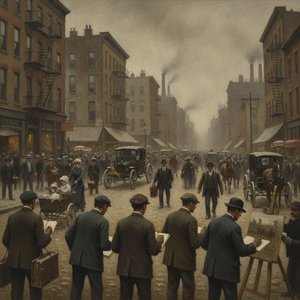
The Ashcan School: Capturing the Raw, Unfiltered Soul of Urban Life through American Realism
Discover the raw beauty of the Ashcan School. Explore how masters like Bellows and Henri captured the gritty, vibrant soul of early 20th-century New York through profound American Realism and evocative urban landscapes.

The Unvarnished Truth: A Cultural Journey Through the Soul of American Realism
Explore the profound beauty of American Realism. From the Ashcan School's urban grit to intimate portraits, discover how artists captured the authentic soul of a nation through unvarnished truth and masterful observation.
Istražite umjetnička djela organizirana prema temama, stilovima i karakteristikama.
