
 Megtekintés
 Küldés
 Megosztás
 Részletek
 Útmutató

 Letöltés
 Hasonló darabok
 X-ray felvétel
 Diavetítés
 Kérdések és válaszok
 Statisztika
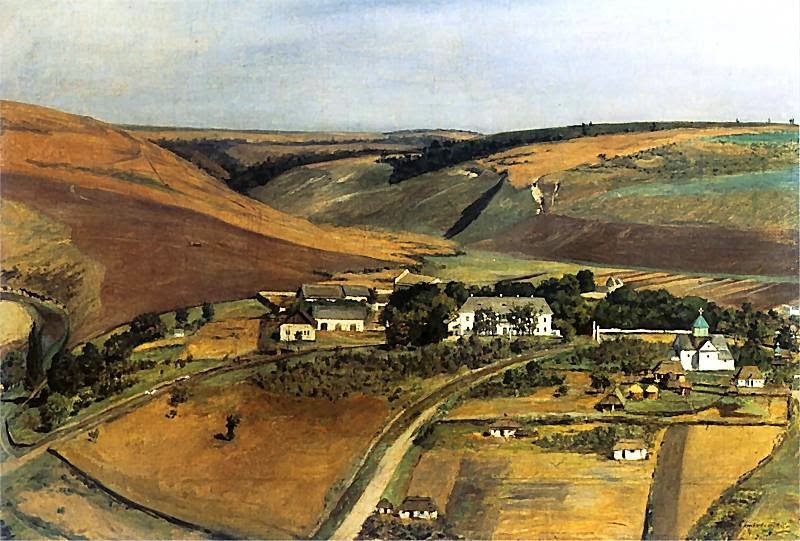
Zawale
A realist painter known for Ecce Homo. Discover the profound works of this Polish master today.
 Összes részlet megjelenítése
Giclée / Műnyomat
Múzeumi minőségű giclée vagy vászonnyomat, gyors gyártással és rugalmas finomítási lehetőségekkel. ( Kézzel festett másolat rendelése Áttérés digitális képre)




































Standard méret
egyedi méretű
CM
INCH
Válasszon előre meghatározott méreteink közül, amelyek megfelelnek a műalkotás eredeti arányainak.
Loading sizes...

szélesség
magasság
Írja be a keretének vagy a falának megfelelő szélességet és magasságot. A nyomatot csak le lehet vágni, soha nem tehető nagyobbá, mint az eredeti kép, így egy eltérő alakú méretnél a kép egy része elveszik. Mielőtt bármit kinyatintanánk, küldünk egy digitális próbamodellt jóváhagyásra. Az oldalon látható kép nem tartalmazza a valós levágást — ezt csak a próbamodell mutatja meg.
Világszerte történő kiszállítás területére mindössze 2 hét alatt, a szokásos 4-5 hét helyett. (4 november)

Ingyenes globális expressz szállítás

Prémium minőségű len vászon

Teljes körű szállítási biztosítás

Vámvisszatérítési Garancia

Hiteles színarányosság garancia

100 napos visszaküldési lehetőség (csak hibás termékek esetén)

100% pénzvisszatérítési garancia

Több darab vásárlásakor kedvezmény
 Az üvegkeretes opció csak 110 cm alatti méretben érhető el

Zawale
Giclée / Műnyomat
Reprodukció mérete
-


Összesített ár
Ft 22729
A művész életrajza
The Soul of a Painter and Saint
The life of Adam Hilary Bernard Chmielowski is a profound tapestry woven from threads of revolutionary fervor, artistic brilliance, and ultimate spiritual surrender. Born into a noble szlachta family in Igołomia, near Kraków, his early years were shaped by the turbulent winds of Polish history. A passionate nationalist, Chmielowski threw himself into the January Uprising of 1863, an endeavor that would leave an indelible mark upon his physical being. During the brutal combat at the Battle of Mełchów, a Russian grenade struck his horse, resulting in a devastating injury that necessitated the amputation of his left leg. This moment of intense suffering, endured without anesthesia, became a cornerstone of his spiritual identity, as he offered his pain to God for the cause of Polish independence.
Driven from his homeland by the repressive Czarist authorities, Chmielowski embarked on a journey through Europe that would unexpectedly reveal his latent artistic genius. From studying engineering in Ghent, Belgium, to immersing himself in the vibrant art scenes of Paris and Munich, he began to cultivate a mastery over the brush. At the Royal Academy of Fine Arts in Munich, he found himself surrounded by a circle of influential Polish contemporaries, including Józef Chełmoński and Aleksander Gierymski. It was during this period of wandering and discovery that his talent blossomed, transitioning from a student of science to a celebrated figure in the Polish art world.
Artistic Mastery and the Realist Vision
As an artist, Chmielowski emerged as a significant representative of the Realism movement during the 1870s, with his work later anticipating the subtle, emotive tendencies of Symbolism. His technical prowess was characterized by nuanced palette work, delicate color nuances, and a deep, pantheistic philosophy that sought to find the divine within the natural world. He drew inspiration from masters such as Corot, Millet, and Courbet, blending their influence with a unique sensitivity to the human condition. His extant output, consisting of numerous oils, watercolours, and drawings, reflects a profound engagement with both landscape and the human spirit.
His repertoire includes works that capture the essence of Polish life and religious devotion. Some of his most notable paintings include:
- Ecce Homo, a celebrated and unfinished masterpiece depicting the mocked Christ, which remains a testament to his spiritual depth.
- Po pojedynku (After the Duel), showcasing his ability to capture dramatic tension.
- Dziewczynka z pieskiem (Little Girl with a Dog), reflecting a tender, intimate realism.
- Cmentarz (Cemetery) and Zachód słońca (Sunset), which evoke the atmospheric melancholy of his era.
- Insurgent na koniu (Insurgent on Horseback), a nod to his revolutionary past.
A Radical Transformation: From Canvas to Charity
Despite achieving fame and success in Kraków and Warsaw, Chmielowski found the trappings of celebrity and the pursuit of art to be ultimately hollow. A deep-seated compassion for the suffering of the poor, which he witnessed firsthand while volunteering in homeless shelters, began to pull him away from the easel. This internal struggle led to a period of intense reflection and even bouts of depression, yet it ultimately paved the way for his most radical achievement: the abandonment of his professional career to embrace a life of absolute poverty.
In 1887, he took the name Brother Albert and joined the Third Order of Saint Francis. He did not merely seek solitude in prayer but chose to live among the most marginalized members of society. Alongside his religious brothers and sisters, he founded the Albertine Brothers and the Albertine Sisters, congregations dedicated to serving the homeless, the sick, and the destitute. By auctioning his own paintings to fund the reform of Kraków's shelters, he transformed his artistic legacy into a living instrument of charity. His life remains a singular example of how the creative impulse can be entirely surrendered to a higher calling, turning the artist's gaze from the beauty of the canvas to the dignity of the human soul.

Adam (Albert) Chmielowski
1845 - 1916 , Russia
Rövid információk
- Artistic Movement Or Style:
- Realism
- Symbolism
- Artists Who Influenced This Artist:
- Corot
- Millet
- Courbet
- Velazquez
- Full Name: Adam Hilary Bernard Chmielowski
- Nationality: Polish
- Notable Artworks:
- Ecce Homo
- After the duel
- Little girl with a dog
- Cemetery
- Lady with a letter
- Insurgent on horseback
- Sunset
- The Amazon
- Place Of Birth: Kraków, Russia
- Date Of Birth: 1845
- Date Of Death: 1916