


 Megosztás
 Megosztás
 Részletek
 Útmutató

 Letöltés
 Hasonló darabok
 Diavetítés
 Statisztika
Venus and Mars


Marvel at Antonio Canova's 'Venus and Mars,' a neoclassical sculpture celebrating peace & harmony. This iconic marble masterpiece, commissioned by the Prince Regent, embodies love and war’s union.
 Tovább olvasom
Antonio Canova: Avelézett neoklasszikus szobrász, aki a klasszikus antik görög és római művészetet idézte meg. Bemutatja a legkiemelkedőbb alkotásait, mint például a Vénusz Italica, a Cupid és Psyché, valamint a tragikus Eurüdike szobrát.
Giclée / Műnyomat
Múzeumi minőségű giclée vagy vászonnyomat, gyors gyártással és rugalmas finomítási lehetőségekkel. ( Kézzel festett másolat vásárlása Áttérés digitális képre)




































Standard méret
egyedi
CM
INCH
Válasszon előre meghatározott méreteink közül, amelyek megfelelnek a műalkotás eredeti arányainak.
Loading sizes...

szélesség
magasság
Megadhat saját méreteket is egy konkrét kerethez vagy helyszínhez igazítva. Amennyiben a kiválasztott méret nem egyezik az eredeti kép arányokkal, a műalkotást le fogjuk vágni, vagy kiegészítjük a képet tükrözött vagy egyszínű szélekkel. A gyártás megkezdése előtt egy digitális tervezetet küldünk jóváhagyásra.
Kérjük, vegye figyelembe, hogy a képernyőn látható előnézet nem tükrözi a tényleges levágást vagy kiegészítést. Csak a tervezet mutatja pontosan a végső kompozíciót.
Bár az egyedi méretek is elérhetőek, az eredeti arányok megőrzése érdekében azt javasoljuk, hogy válasszon a előre meghatározott listából származó méretet.
Világszerte történő kiszállítás területére mindössze 2 hét alatt, a szokásos 4-5 hét helyett. (10 október)

Ingyenes globális expressz szállítás

Prémium minőségű len vászon

Teljes körű szállítási biztosítás

Vámvisszatérítési Garancia

Tökéletes színarányosság garancia

100 napos visszaküldési garancia (csak gyártási hibás termékek esetén)

100% pénzvisszatérítési garancia

Több darab vásárlásakor kedvezmény
 Az üvegkeretes opció csak 110 cm alatti méretben érhető el

Venus and Mars
Giclée / Műnyomat
Reprodukció méretei
-


Összesített ár
Ft 21624
A Moment of Divine Union: Antonio Canova’s “Venus and Mars”
Antonio Canova's "Venus and Mars," completed in 1822, is more than just a sculpture; it’s a carefully orchestrated tableau of opposing forces achieving an unexpected harmony. This magnificent marble work, currently residing within the Royal Collection at Buckingham Palace, offers a profound meditation on love, war, peace, and the enduring power of artistic creation. Commissioned by Prince Regent George IV during his visit to London, the sculpture represents a pivotal moment in Canova’s career – a bold departure from the rigid formality of Neoclassicism while firmly rooted in classical ideals.
The subject matter itself is strikingly original for its time. Rather than depicting Venus and Mars engaged in battle or mythological drama, as was common in earlier representations, Canova presents them in an intimate embrace. The goddess Venus, a figure synonymous with beauty, fertility, and love, is rendered with exquisite sensuality – her flesh soft and yielding, her limbs draped in delicate folds of fabric that hint at both vulnerability and power. Her gaze is directed towards Mars, the god of war, creating a dynamic tension within the composition. Mars, traditionally portrayed as a stern and imposing figure, stands powerfully upright, his musculature meticulously sculpted to convey strength and resolve. He holds his spear firmly in one hand, a symbol of his dominion over conflict, yet his posture suggests a willingness to yield to the allure of Venus’s affection.
The Neoclassical Masterstroke: Technique and Form
Canova's mastery of marble carving is immediately evident. The sheer scale of “Venus and Mars” – standing nearly two meters tall – commands attention, while the intricate detail of each muscle fiber, wrinkle, and drapery fold speaks to his unparalleled skill. The sculpture exemplifies the Neoclassical style, drawing inspiration from the idealized forms and balanced compositions of ancient Greek and Roman art. However, Canova transcends mere imitation; he infuses these classical elements with a profound sense of emotion and psychological depth. The smooth, polished surface of the marble creates an illusion of life, capturing the subtle nuances of human expression and movement.
The technique employed is particularly noteworthy. Canova utilized a subtractive method, carefully removing material from a larger block of Carrara marble to reveal the desired form. This process demanded immense patience and precision, allowing him to achieve an astonishing level of realism and anatomical accuracy. The subtle gradations in tone – achieved through meticulous polishing and shading – further enhance the sculpture’s three-dimensionality, creating a captivating interplay of light and shadow.
A Symbol of Reconciliation: Historical Context and Meaning
The creation of “Venus and Mars” coincided with the Congress of Vienna (1814–1815), an international conference that reshaped Europe after Napoleon’s defeat. The sculpture, therefore, can be interpreted as a potent symbol of reconciliation – a visual representation of the end of war and the dawn of a new era of peace. Venus, representing love and harmony, gently embraces Mars, signifying the triumph of diplomacy over conflict. This theme resonated deeply with Prince George IV, who commissioned the work to celebrate the restored stability of Europe.
Furthermore, Canova’s choice of depicting the figures in the nude was a deliberate artistic statement. In classical art, nudity served as a means of celebrating human beauty and virtue, stripping away artificial conventions to reveal the inherent dignity of the human form. By presenting Venus and Mars unclothed, Canova elevates their union to a realm of pure emotion and spiritual significance.
An Enduring Legacy: Emotional Impact and Artistic Significance
“Venus and Mars” continues to captivate viewers with its profound emotional resonance. The sculpture’s inherent tension – the interplay between love and war, beauty and strength – invites contemplation on the complexities of human nature. The figures' embrace is not merely a physical gesture; it represents a merging of opposing forces, suggesting that even the most seemingly irreconcilable elements can find harmony within themselves.
Beyond its historical and symbolic significance, “Venus and Mars” stands as a testament to Canova’s artistic genius. It remains one of his most celebrated works, admired for its technical brilliance, emotional depth, and enduring beauty. Reproductions of this iconic sculpture offer an opportunity to experience the power and grace of Canova's vision in any setting – a timeless reminder of the transformative potential of art.
Gyakran Ismételt Kérdések
Hol tudom letölteni a(t) „Venus and Mars”, Antonio Canova alkotása?
Letölthető változat elérhető a "Venus and Mars" alkotás esetében: a mű Letöltés oldala magas felbontású digitális kép letöltés lehetőséget kínál.
Ki a "Venus and Mars" szerzője, és mely művészeti irányból származik?
A „Venus and Mars” alkotását Antonio Canova készítette Neoclassical Sculpture stílusban. A művész és a műveszetség meghatározza a mű hagyományát.
Mikor készült a "Venus and Mars"?
A „Venus and Mars”, Antonio Canova alkotása alkotása 1816-ben készült.
Ki készítette a(t): "Venus and Mars"?
A „Venus and Mars” műtémét Antonio Canova alkotójának tulajdonítják.
Mennyire ismert a Antonio Canova alkotása: "Venus and Mars"?
A „Venus and Mars”, Antonio Canova alkotása népszerűségi szintje Iconic. Ez a besorolás azt tükrözi, mennyire ismert és elismert ez a mű.
Mennyi éves volt Antonio Canova, amikor megalkotta a "Venus and Mars" alkotást 1816 årban?
Antonio Canova 59 éves volt, amikor 1816 évben megalkotta a "Venus and Mars" alkotást. A korúsítás az alkotó születési évéből, 1757 fel основании került kiszámítva.
A „Venus and Mars”, Antonio Canova alkotása jogtalanul védett (public domain)?
A „Venus and Mars”, Antonio Canova alkotása szerzői jogi státusza: a mű a joghallgatói schützenesség körébe tartozik – a szerzői jog lejártt. Ez határozza meg, hogy a kép másolatai szabadon készíthetők-e.
A művész életrajza
Antonio Canova: Élet Marhavádban
- Született: Possagno, Olaszország (1757)
- Halál: 1822
Antonio Canova a nyugati művészet történetének monumentális alakjaként áll fent, őt széles körben a neoklasszikus szobrászat kiemelkedő mestereként tekintik. A márvókarázás mesteri tudása és képesége arra, hogy klasszik मद्देनálló formákat mély érzelmekkel töltsön meg, örökre biztosította helyét minden idők legnagyobb művészei között. Olaszországi Possagnóban született, kőfaragó édesapja, Pietro Canova mellett, és gyermekkorát a körülötté áradó művészeti környezet formálta.
Korai évek és képzés
- Családi háttér: Apja szakmája az első találkozást jelentette számára a kőfaragás világával, miközben nagyszámodra, Pasino Canova, oltárok és alacsony domborzatok szakembere volt, döntő szerepet járt tehetségének nevelésében.
- Korai művészeti fejlődés: Már tíz éves korátದ előtt Canova lenyűgöző készséget demonstrált, apró márvány szentélyeket alkotva, amelyek veleszületett képességeit mutatták be. Giuseppe Bernardi ('Torretto') és Giovanni Ferrari mesterek alatt tanoskodott, tovább csiszolva tudását.
- Akadémiai tanulmányok: A velencei Szépirodalmi Akadémia (Accademia di Belle Arti di Venezia) évek alatt számos díjat nyert, ami megteremtette hírnevét ígéretes fiatal művészként. Egy kolostorban található műhely biztosította számára a teret alkotásai fejlesztéséhez.
- Korai megbízások: Első munkái, mint például az Orpheus és Eurydike szobrai Senator Giovanni Falier számára (1775-1777), egy fejlődő rokokó stílust mutattak be, amely előreérztette későbbi neoklasszikus kifinomultságát.
A hírnév gyarapodása és a neoklasszikus stílus
- A neoklasszikus meghatározása: Canova munkásságát elegáns formák, idealizált alakok és az ősi Görögországhoz és Rómához való visszatérés jellemzi. Képes volt mesterien elkerülni a barokk művészet melodramáját, miközben ellenállt annak hidegségének, amely gyakran társult a klasszikus revival korai kísérleteivel.
- Kulcsfontosságú alkotások és elismerés: Olyan szobrok, mint a Cupid és Psyché (kb. 1787-1793), a Bűnbánatban lévő Magdol és a Herkülész és Lichas, Európa egészében megteremtették hírnevét. Munkássága rendkívül keresett volt a királyi családok és a nemesség körében is.
- Hírnévének építése: Canova stratégiailag növelte karrierjét művei metszeteinek publikálásával és a gipszöntvények márványváltozatainak készítésével, biztosítva művészetének széles körű terjedését.
Főbb alkotások és örökség
- Jelentős szobrok: A már említettein túlmutatóan, Canova jelentős alkotásai közé tartozik a Venere Italica, a La Musa Polyhymnia, a A három Grácia tánca, valamint Eurydike megható ábrázolása.
- Monumentális megbízások: Prestigiózszerű síremlék-megbízásokat kapott, legkiemelkedőbbje a római Szent দোmit (Szent Péter Bazilika) helyszínen található kifinomult XII. Clemens pápa sírja – amely tanúsága szakértelmének mind a szobrászat, mind az építészeti tervezés terén.
- Gipsoteca Antonio Canova: Az Antonio Canova Gipsoteca múzeum albergazi legjelentősebb alkotásainak gyűjteményét, amely felbecsülhetetlen betekintést nyújt alkotói folyamatába és művészeti fejlődésébe.
- Hatása a későbbi generációkra: Canova befolyása túlmutatott élettartamán; meghatározta a neoklasszikus szobrászat irányát, és technikai mesteréggel, kifejező erejével generációk művészei számára szolgált inspirációt.
Történelmi jelentőség
- A neoklasszikus megtestesülése: Antonio Canova név összekapcsódott a neoklasszikus mozgalommal, testesítve annak rendet, tisztaságot és az antik klasszikus korhoz való visszatérést szolgáló eszméit.
- Udvari szobrász és diplomat: Számos európai uralkodó udvari szobrászaként töltött pozíciója jelentős politikai befolyást biztosított számára, lehetővé téve, hogy az egész kontinenenten formálja az esztétikai ízelágot.
- Technikai innováció: A márvókarázás páratlan képessége a határokat meghúzta azon, ami korábban lehetségesnek galt tekinteni, új színvonalat állítva a szobrászművészet kiválóságának.
- Kitartó művészeti örökség: Szobrai ma is lenyűgözik a közönséget világszerte, megszilárdítva helyét a történelem egyik legfontosabb és legbefolyásosabb művészeként.

Antonio Canova
1757 - 1822 , Olaszország
Gyors információk
- Artistic Movement Or Style: Neoklasszicizmus
- Artists Or Movements Influenced By This Artist: ['Korai neoklasszicizmus']
- Artists Who Influenced This Artist: ['Barokk szobrászok']
- Date Of Birth: 1757. nov. 1.
- Date Of Death: 1822. okt. 13.
- Full Name: Antonio Canova
- Nationality: Olasz
- Notable Artworks:
- Szóram és Pszeuxkhé
- Bűnbánó Magdolna
- Heraklész és Lixász
- Place Of Birth (City And Country): Possagno, Olaszország
Kapcsolódó cikkek
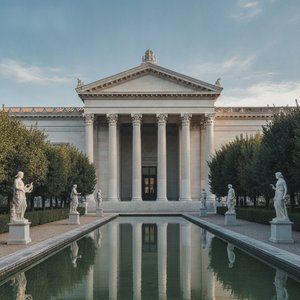
Neoclassicism Unveiled: Discovering the Timeless Elegance and Rational Order of Classical Art
Unveil the timeless elegance of Neoclassicism. Journey through an era defined by reason, order, and the revival of Greco-Roman ideals. Our expert exploration offers a sophisticated look at the transition from Rococo excess to classical precision for the true art enthusiast.

The Timeless Elegance of Academic Classicism: A Journey Through Order, Precision, and the Pursuit of Perfection
Explore the profound beauty of Academic Classicism. Discover how masters used order, precision, and classical ideals to achieve timeless perfection in art history, from Neoclassical portraits to the pursuit of ideal beauty.

The Eternal Beauty of Marble: A Guide to Sculpting Light, Stone, and the Soul of Art History
Explore the sublime artistry of marble sculpture. From Greek antiquity to the masters of light, discover how stone captures the eternal essence of human beauty and emotion through expert craftsmanship and historical mastery.
Fedezze fel a műalkotásokat témák, stílusok és jellemzők szerint csoportosítva.
