

 Megtekintés
 Küldés
 Megosztás
 Részletek
 Útmutató

 Letöltés
 Hasonló darabok
 X-ray felvétel
 Diavetítés
 Kérdések és válaszok
 Statisztika
Dr Annie Besant

- 44.0 x 36.0 cm


A captivating portrait of Dr Annie Besant by António Xavier Trindade (1927). Explore this oil painting's rich textures, warm tones & unique Bombay School style.
 Összes részlet megjelenítése
"Hungarian Meta Description": "António Xavier Trindade, a prominent Goan painter of the Bombay School, is celebrated as the 'Rembrandt of the East'. His realistic portraits and landscapes beautifully blend Indian culture with Western styles, offering intimate glimpses into 20th-century life."
Giclée / Műnyomat
Múzeumi minőségű giclée vagy vászonnyomat, gyors gyártással és rugalmas finomítási lehetőségekkel. ( Kézzel festett másolat rendelése Áttérés digitális képre)




P118B Ft10

P118H Ft10

P118W Ft10

P438Z Ft10

P508JH Ft12

P508YH Ft12

P805H Ft10

P805Z Ft10

P919BZ Ft10

P919G Ft10

P919XJ Ft10

P959ZH Ft10

P968JZ Ft12

W106C Ft8

W218G Ft10

W218JH Ft8

W218Y Ft10

W307PJ Ft10

W316G Ft10

W316PJ Ft8

W316Y Ft10

W398PJ Ft8

W4111J Ft10

W500HY Ft15

W500JH Ft15

W692G Ft12

W849H Ft8

W940BG Ft15

W953PJ Ft8




Standard méret
egyedi méretű
CM
INCH
Válasszon előre meghatározott méreteink közül, amelyek megfelelnek a műalkotás eredeti arányainak.
Loading sizes...

szélesség
magasság
Írja be a keretének vagy a falának megfelelő szélességet és magasságot. A nyomatot csak le lehet vágni, soha nem tehető nagyobbá, mint az eredeti kép, így egy eltérő alakú méretnél a kép egy része elveszik. Mielőtt bármit kinyatintanánk, küldünk egy digitális próbamodellt jóváhagyásra. Az oldalon látható kép nem tartalmazza a valós levágást — ezt csak a próbamodell mutatja meg.
Világszerte történő kiszállítás területére mindössze 2 hét alatt, a szokásos 4-5 hét helyett. (5 november)

Ingyenes globális expressz szállítás

Prémium minőségű len vászon

Teljes körű szállítási biztosítás

Vámvisszatérítési Garancia

Hiteles színarányosság garancia

100 napos visszaküldési lehetőség (csak hibás termékek esetén)

100% pénzvisszatérítési garancia

Több darab vásárlásakor kedvezmény
 Az üvegkeretes opció csak 110 cm alatti méretben érhető el

Dr Annie Besant
Giclée / Műnyomat
Reprodukció mérete
-


Összesített ár
Ft 22729
A Portrait Steeped in Tradition: António Xavier Trindade’s Reverent Depiction of Annie Besant
Annie Besant (1847-1933) remains an enduring figure in the annals of Indian history – a woman whose unwavering conviction and pioneering spirit challenged colonial authority and championed social reform. António Xavier Trindade, a master of the Bombay School style, captured this formidable intellect with remarkable sensitivity in his 1927 portrait, offering viewers a glimpse beyond mere likeness into Besant’s inner life and moral fortitude. This oil painting transcends simple representation; it embodies the spirit of its time and speaks to universal themes of dignity, contemplation, and quiet strength.- Bombay School Style: Trindade's work exemplifies the Bombay School, a distinctive artistic movement that flourished in Goa during the early 20th century. Characterized by muted palettes dominated by browns, tans, and grays—a deliberate choice reflecting the somber mood of the era—the style prioritizes tonal harmony and subtle gradations of color over vibrant hues.
- Impasto Technique: The textured surface achieved through impasto – applying paint thickly onto the canvas – is immediately apparent. Visible brushstrokes ripple across Besant’s face and drape elegantly over her clothing, conveying a palpable sense of physicality and immediacy. This technique lends depth and dynamism to the composition, resisting the static conventions of academic portraiture.
- Lighting & Composition: Strategic lighting plays a crucial role in shaping the artwork's emotional impact. Light emanates from the left side of the frame, illuminating Besant’s face with a warm glow—a deliberate compositional decision that draws attention to her gaze and reinforces her presence as the central subject. The shallow depth of field further enhances this focus, creating an intimate atmosphere conducive to contemplation.
A Closer Look at Besant’s Expression and Symbolism
Trindade's artistic vision extends beyond mere visual accuracy; he strives to capture Besant’s essence—her inner character—through nuanced facial expressions and subtle gestures. Her gaze is direct, unwavering, conveying a profound seriousness that commands attention. The artist’s deliberate choice of pose – seated with her hands folded gracefully – reinforces her composure and dignity. Furthermore, the painting subtly incorporates symbolic elements reflecting Trindade's fascination with Hindu cosmology. The dominant color scheme—browns and grays—echoes the earth tones prevalent in Hindu iconography, symbolizing stability, wisdom, and spiritual grounding.Beyond Likeness: Trindade’s Artistic Intent
Unlike conventional portraits that aim for a precise likeness, Trindade's depiction seeks to communicate something deeper – an appreciation for Besant’s moral stature and intellectual prowess. The artist skillfully avoids the exaggerated poses and dramatic lighting often employed in academic portraiture, opting instead for a more restrained aesthetic that prioritizes psychological insight. Evidence suggests Trindade executed the painting from life—a testament to his dedication to capturing not just appearance but also spirit.Size & Dimensions
The artwork measures 44 x 36 cm (approximately 17.5 x 14.2 inches).Kérdések és válaszok
Hányan tekintik meg a(t): "Dr Annie Besant"?
A „Dr Annie Besant”, Trindade Antón alkotása statisztikái a mű Statisztikák oldalán érhetőek el: a mű havi látogatottsága, a művész alkotásainak megtekintése, valamint a legutóbbi látogatók országos és nyelvi lebontása.
Mennyi volt Trindade Antón életkora, amikor a "Dr Annie Besant" készült?
Trindade Antón 57 éves volt, amikor 1927 évben megalkotta a "Dr Annie Besant" alkotást. A korúsítás az alkotó születési évéből, 1870 fel основании került kiszámítva.
Maradt-e a "Dr Annie Besant" mű a művész hon országában?
Nem – a műtárgy külföldön található. Trindade Antón India-ban született, a „Dr Annie Besant” eredeti darabja pedig Portugália-ban található múzeum gyűjteményében található.
A művész életrajza
Fénybe vésve egy élet: António Xavier Trindade világa
António Xavier Trindade neve csendes erővel visszhangzik az indiai művészettörténet annáljaiban; ő nem csupán egy festő volt, hanem egy kulturális híd. 1870-ben született Sanguem, Goa területén katolikus szülőnek, utazása a portugál India buja tájai és összetett koloniális szövetisége között kezdődött. Ez a formálódó környezet indelhetetlenül meghatározta művészeti víziát, ötvözve a nyugati akadémiai képzést az indiai élet és karakter mélyreható megértésével. Trindade korai tehetsége a bombaji neves Sir Jamsetjee Jeejeebhoy School of Artba vezetett, egy olyan kulcsfontosságú intézménybe, amely kitette őt az európai naturalizmusra, miközben egy vágyakozó indiai művészgenerációt is nevelt. Éppen itt, ezek szentélyes termek között élesítette képességeit, mesteri technikákat sajátítva el, amelyek később meghatározták egyedi stílusát, és olyan elismeréseket hoztak számára, mint a 1892-es Mayo ezüst érem – amely ap솟oló tehetségének égi tanúságtart.A bombai iskola és egy felemelkedő csillag
Trindade feltörekvése a bombai művészeti Színházban gyors és biztos volt. 1898-ban a Sir J.J. School of Art rajz- és festőtanáraként kinevezve nemcsak a jövő generációi oktatásához járult hozzá, hanem meg is rögzítette helyét a fejlődő Bombai Iskola meghatározó alakjaként. Később, 1914 és 1926 között a Reay Workshop of Art igazgatójaként tovább befolyásolta a művészeti termelést és a pedagógia fejlődését. Azonban sikere nem csupán az intézményi elismerésektől múlott; műve magában viselte a lenyűgöző minőséget. Bár kezdetben a hagyományos portrékhoz és tájképekhez ragadt, Trindade fokozatosan fejlesztett egy stílust, amelyet az életszerűség, a fény érzékenysége és a témái pszichológiai mélységének megörökítése határozott meg. Olyan méltóságteljes és intimitással teli módon ábrázolta az indiai nőket, amely ritka volt a koloniál korszak művészetében, bevilágítva életüket a társadalmi elvárások keretein túl. Ezért is részesült szeretetteljes címmel, mint a „Kelet Rembrandta”, elismerve mind technikai mesterségét, mind az emberi érzelmek mély ismeretét.Témák és technikák: A világok szintézise
Az 1920-as évek Trindade művészeti kifejezésének érettségét hozták, amelyet a portrék, tájak és háztartási tárgyak (still life) fokozódó hangsúlya jellemezett. Vászai kortársai életének ablakai váltak – a gazdag megbízók, családtagok és mindennapi emberek –, akiket aprólékos részletességgel, finom, mégis erőteljes érzelmi rezonanciával ábrázolt. Az Dolce Far Niente (Flora vagy pihenő anya), amely 1920-ban elnyerte a Bombai Művészeti Társaság aranyérmét, példaként szolgál erre a korszakra; ez nem csupán egy pihenő nő ábrázolása, hanem az anyaság, a nyugalom és a házi élet csendes szépségének felfedezése. Hasonlóképpen a New Year’s Song (1928) és a Hindu Girl (1930), a kormányzó díját elnyert alkotások mutatják be képességét, hogy kulturális árnyalatokat és egyedi személyiségeket lenyűgöző érzékenységgel örökítsen meg. Trindade technikája nyugati akadémiai alapokra épült – a chiaroscuro mesteri tudása, a precíz rajztechnika és a színtan kifinomult értelmezése –, de ezeket az elemeket indiai érzékiséggel töltötte meg, egy olyan egyedi vizuális nyelvet alkotva, amely meghaladta stilisztikai határokat. Nem csupán azt másoltá le, amit megtanult; átalakította azt, átágyazva a hazája szellemével.Örökség és maradandó hatás
Bár személyes nehézségekkel kellett szembennie – beleértve az egészségi állapotának romlását és a későbbi évek kebutarását –, Trindade festeni folytatta, lánya, Ângela Trindade támogatásával, aki maga is tehetséges művész volt és apja örökségét folytatta. Művei tovább növette elismertségét az 1934-es londoni Wembley-i Festival of the Empire kiállításon, amely nemzetközi közönség elé hozta művészetét. Nap idag António Xavier Trindade festményei a múzeumok és magángyűjtők kincsei közé tartoznak, legkiemelkedőbb példája azonban a goai Fundação Oriente gyűjteménye. Ott kialakult állandó kiállítások – beleértve a 2021-ben a 150. születésnapját megünneplő külön kiállítást – biztosítják, hogy művészeti víziója generációkon át inspiráljon és lenyűgözze a közönséget. Hatása túlmutat az esztétikai élményen; ő az indiai művészettörténet egy kulcsfontosságú pillanatát képviseli, amikor a művészek saját identitásukat kezdték kialakítani, ötvözve a hagyományt a modernitással, és kihívva a rådig fent álló koloniális tekintetet. Trindade élete és munkássága tanúbizonysága annak erejének, amellyel a művészet képes átszivárognia kulturális határokon keresztül és megvilágítania az emberi tapasztalás közös magvait.Jelentős alkotások
- Dolce Far Niente (Flora vagy pihenő anya) – A Bombai Művészeti Társaság Arany Érme, 1920.
- New Year’s Song – Kormányzói Díj, 1928.
- Hindu Girl – Kormányzói Díj, 1930.
- Girl with a Vase – New Delhi, National Gallery of Modern Art.
- Self-portrait in Green – Fundação Oriente.

Trindade Antón
1870 - 1935 , India
Rövid információk
- Artistic Movement Or Style: Escola de Bombay, Realismo
- Date Of Birth: 1870
- Full Name: António Xavier Trindade
- Nationality: Portuguesa
- Notable Artworks:
- Dolce Farniente
- Nueva Canción Año Nuevo
- Niña Hindú
- Place Of Birth: Sanquém, India
Kapcsolódó cikkek

Capturing the Light: A Journey Through the Soul of American Impressionism and the Hudson River School
Explore the luminous beauty of American Impressionism and the Hudson River School. Discover a curated journey through light, landscape, and history, celebrating the enduring legacy of masters through exquisite, hand-painted oil reproductions for the discerning art lover.
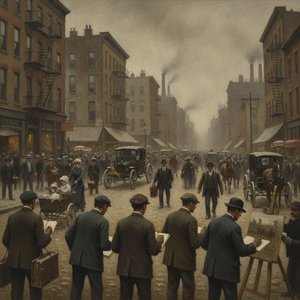
The Ashcan School: Capturing the Raw, Unfiltered Soul of Urban Life through American Realism
Discover the raw beauty of the Ashcan School. Explore how masters like Bellows and Henri captured the gritty, vibrant soul of early 20th-century New York through profound American Realism and evocative urban landscapes.

The Barbizon School: The Soulful Origins of Impressionism's Natural Light and Atmospheric Mastery
Discover the profound influence of the Barbizon School on Impressionism. Explore how these masters captured natural light and atmospheric beauty through plein air painting, paving the way for Monet and Renoir. A journey into the soulful origins of landscape art history.
Fedezze fel a műalkotásokat témák, stílusok és jellemzők szerint csoportosítva.


