

 Megtekintés
 Küldés
 Megosztás
 Részletek
 Útmutató

 Letöltés
 Hasonló darabok
 X-ray felvétel
 Diavetítés
 Kérdések és válaszok
 Statisztika
Le Printemps


Arcimboldo egyedi nyárképe! Gyümölcsök, virágok és növények alkotják a sziluettet, egy fantáziaszerű portré a reneszánszból. Fedezd fel a mester művészetét!
 Összes részlet megjelenítése
A manierista Arcimboldo gyümölcsökből és zöldségekből alkotta meg szürrealista portréit. Fedezze fel fantázias műveit ma!
Giclée / Műnyomat
Múzeumi minőségű giclée vagy vászonnyomat, gyors gyártással és rugalmas finomítási lehetőségekkel. ( Kézzel festett másolat rendelése Áttérés digitális képre)




P118B Ft10

P118H Ft10

P118W Ft10

P438Z Ft10

P508JH Ft12

P508YH Ft12

P805H Ft10

P805Z Ft10

P919BZ Ft10

P919G Ft10

P919XJ Ft10

P959ZH Ft10

P968JZ Ft12

W106C Ft8

W218G Ft10

W218JH Ft8

W218Y Ft10

W307PJ Ft10

W316G Ft10

W316PJ Ft8

W316Y Ft10

W398PJ Ft8

W4111J Ft10

W500HY Ft15

W500JH Ft15

W692G Ft12

W849H Ft8

W940BG Ft15

W953PJ Ft8




Standard méret
egyedi méretű
CM
INCH
Válasszon előre meghatározott méreteink közül, amelyek megfelelnek a műalkotás eredeti arányainak.
Loading sizes...

szélesség
magasság
Írja be a keretének vagy a falának megfelelő szélességet és magasságot. A nyomatot csak le lehet vágni, soha nem tehető nagyobbá, mint az eredeti kép, így egy eltérő alakú méretnél a kép egy része elveszik. Mielőtt bármit kinyatintanánk, küldünk egy digitális próbamodellt jóváhagyásra. Az oldalon látható kép nem tartalmazza a valós levágást — ezt csak a próbamodell mutatja meg.
Világszerte történő kiszállítás területére mindössze 2 hét alatt, a szokásos 4-5 hét helyett. (15 november)

Ingyenes globális expressz szállítás

Prémium minőségű len vászon

Teljes körű szállítási biztosítás

Vámvisszatérítési Garancia

Hiteles színarányosság garancia

100 napos visszaküldési lehetőség (csak hibás termékek esetén)

100% pénzvisszatérítési garancia

Több darab vásárlásakor kedvezmény
 Az üvegkeretes opció csak 110 cm alatti méretben érhető el

Le Printemps
Giclée / Műnyomat
Reprodukció mérete
-


Összesített ár
Ft 22620
Giuseppe Arcimboldo: A Renaissance Master of Illusion
Giuseppe Arcimboldo (1527-1593) wasn’t merely an artist; he was a visionary, a master illusionist who redefined portraiture during the late Renaissance. His work transcends simple representation, venturing into the realm of allegory and playful symbolism – a world where the familiar transforms into the extraordinary. Born in Milan, Arcimboldo's career blossomed amidst a period of intense intellectual curiosity and artistic experimentation, perfectly aligning with his unique approach to art. He initially gained recognition for his elaborate frescoes adorning churches, but it was his innovative composite portraits that cemented his place as one of history’s most singular figures, particularly exemplified by the iconic “Le Printemps” (Spring). These weren't mere tricks of perspective; they were carefully constructed narratives, brimming with meaning and reflecting the complex worldview of the 16th century.
Arcimboldo’s genius lay in his ability to seamlessly integrate disparate elements – fruits, vegetables, flowers, books, musical instruments – into cohesive, recognizable human faces. He didn't simply arrange these objects; he sculpted them with an almost architectural precision, utilizing light and shadow to create depth and form. This technique, known as *trompe-l’oeil* (fool the eye), demanded meticulous planning and execution, showcasing his remarkable skill in observation and composition. His works weren’t born of a desire for mere novelty but rather a profound engagement with themes of nature, time, and human identity – all rendered through an astonishingly inventive visual language.
“Le Printemps”: A Symphony of Spring
"Le Printemps" (Spring), painted around 1563, is arguably Arcimboldo’s most celebrated work. The image immediately captivates with its vibrant abundance – a veritable explosion of botanical delights forming the profile of a man. Apples, pears, cherries, and an array of leafy greens coalesce to create the contours of a face, while delicate flowers burst forth from within, symbolizing the burgeoning life force of springtime itself. The stark black background dramatically enhances the brilliance of the floral arrangement, drawing the viewer’s eye directly into this intricate tableau.
Notice the deliberate symmetry of the composition; the central profile is framed by a meticulously crafted border of vines and foliage, creating a sense of balance and order amidst the apparent chaos. The textures are incredibly rich – the smooth skin of ripe fruit contrasts sharply with the rough surface of leaves, while the petals of flowers offer a delicate softness. Arcimboldo’s use of diffused lighting ensures that no single element dominates, allowing each component to contribute equally to the overall effect. It's important to note that Arcimboldo likely employed oil paints on panel or canvas, applying them with painstaking detail to capture the nuances of each natural element.
Symbolism and Historical Context
Beyond its purely aesthetic appeal, “Le Printemps” is deeply imbued with symbolism. Spring itself represents rebirth, renewal, and fertility – concepts central to Renaissance thought. The abundance of flowers and fruits directly reflects this theme, suggesting a celebration of life’s cyclical nature. Furthermore, the portrait likely served as an allegory for the political climate of the time, possibly representing the flourishing of the Holy Roman Empire under Emperor Maximilian II. Arcimboldo was employed by the court in Vienna and Prague, often creating portraits for royalty – a role that demanded both artistic skill and astute political awareness.
Interestingly, this work is part of a series of four seasonal portraits commissioned by Emperor Maximilian II, each depicting a different season with its associated flora and fauna. The other seasons—Summer, Autumn, and Winter—offer equally compelling visual narratives, showcasing Arcimboldo’s mastery of the composite portrait technique. The meticulous detail and symbolic richness of “Le Printemps” underscore Arcimboldo's position as a truly exceptional artist – one who seamlessly blended art, politics, and symbolism to create works that continue to fascinate and inspire centuries later.
Reproductions & Interior Design
TopImpressionists.com offers exquisite hand-painted reproductions of “Le Printemps,” allowing you to bring this remarkable artwork into your home or office. Our skilled artists meticulously recreate Arcimboldo’s intricate details, capturing the vibrancy and depth of the original painting with unparalleled accuracy. Whether you're an art enthusiast, a collector, or simply seeking a unique piece of décor, our reproductions provide a beautiful and authentic representation of this iconic masterpiece. Consider how the rich colors and layered textures of “Le Printemps” can add a touch of Renaissance elegance and playful creativity to your space – a testament to Arcimboldo’s enduring legacy.
Kérdések és válaszok
Milyen témák jelennek meg a(z) „Le Printemps”, Giuseppe Arcimboldo alkotása alkotásban?
A „Le Printemps”, Giuseppe Arcimboldo alkotása alkotás témái közé tartozik a portrait, spring, food, floral, composite, arcimboldo, allegory. Ezek együtt foglalják össze a mű tárgyát.
Mi a "Le Printemps" formátuma?
A "Le Printemps" formátuma Portrait. Ez hasznos, amikor tervezünk, hogy a reprodukciót hová helyezzük el.
Ki a "Le Printemps" mögött álló művész?
A "Le Printemps" alkotását Giuseppe Arcimboldo készítette. Az ezen az oldalon található információk Giuseppe Arcimboldo eredeti művészetét mutatják be.
Kapcsolódó cikkek
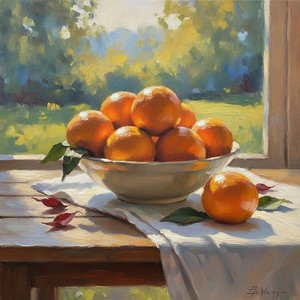
Sun-Drenched Citrus: The Vibrant Beauty of Oranges in Impressionist Masterpieces
Embark on a sensory journey through Impressionist masterpieces. Discover how Renoir and Cézanne captured the vibrant light and luscious textures of sun-drenched oranges in exquisite still life paintings designed to inspire and transform your home.

The Architecture of Vision: How Impressionist Masters Orchestrate Composition to Direct the Eye
Master the secrets of Impressionist composition through the eyes of masters like Renoir and Cézanne. Explore the architecture of vision now.

Capturing the Storm: The Emotional Power of Revolution in Impressionist Art
Explore the emotional revolution of Impressionist art. From Monet's light to Renoir's warmth, discover how these masters redefined perception through hand-painted beauty and timeless technique.

Framing the Past: How Impressionist Masterpieces Capture History's Most Pivotal Moments
Discover how Impressionist masters captured history through light and color. Explore the profound legacy of Monet and Renoir with our expert-curated insights into these luminous masterpieces and timeless art history.
Fedezze fel a műalkotásokat témák, stílusok és jellemzők szerint csoportosítva.


