


 Előnézet
 Megosztás
 Megosztás
 Részletek
 Útmutató

 Letöltés
 Hasonló darabok
 X-ray felvétel
 Diavetítés
 Statisztika
Self-Portrait
 Acrylic On Canvas
- WallArt
- Atonal Expressionism
 1922
1922- 19th Century
 9.0 x 10.0 cm
 Arnold Schönberg Center
A striking black and yellow self-portrait drawing by Arnold Schoenberg, a pivotal figure of the early 20th century's musical avant-garde, captures the artist’s intense gaze with a distinctive mustache. Discover this unique piece and add it to your collection.
 Tovább olvasom
Fedezze fel Arnold Schoenbergforradalmát – az atonalitást, a kódonatú technikát és hatását a 20. század zeneszerzőire. Ismerje meg örökségét a Schönberg Centerben.
Giclée / Műnyomat
Múzeumi minőségű giclée vagy vászonnyomat, gyors gyártással és rugalmas finomítási lehetőségekkel. ( Kézzel festett másolat vásárlása Áttérés digitális képre)




P118B Ft10

P118H Ft10

P118W Ft10

P438Z Ft10

P508JH Ft12

P508YH Ft12

P805H Ft10

P805Z Ft10

P919BZ Ft10

P919G Ft10

P919XJ Ft10

P959ZH Ft10

P968JZ Ft12

W106C Ft8

W218G Ft10

W218JH Ft8

W218Y Ft10

W307PJ Ft10

W316G Ft10

W316PJ Ft8

W316Y Ft10

W398PJ Ft8

W4111J Ft10

W500HY Ft15

W500JH Ft15

W692G Ft12

W849H Ft8

W940BG Ft15

W953PJ Ft8




Standard méret
egyedi
CM
INCH
Válasszon előre meghatározott méreteink közül, amelyek megfelelnek a műalkotás eredeti arányainak.
Loading sizes...

szélesség
magasság
Megadhat saját méreteket is egy konkrét kerethez vagy helyszínhez igazítva. Amennyiben a kiválasztott méret nem egyezik az eredeti kép arányokkal, a műalkotást le fogjuk vágni, vagy kiegészítjük a képet tükrözött vagy egyszínű szélekkel. A gyártás megkezdése előtt egy digitális tervezetet küldünk jóváhagyásra.
Kérjük, vegye figyelembe, hogy a képernyőn látható előnézet nem tükrözi a tényleges levágást vagy kiegészítést. Csak a tervezet mutatja pontosan a végső kompozíciót.
Bár az egyedi méretek is elérhetőek, az eredeti arányok megőrzése érdekében azt javasoljuk, hogy válasszon a előre meghatározott listából származó méretet.
Világszerte történő kiszállítás területére mindössze 2 hét alatt, a szokásos 4-5 hét helyett. (13 október)

Ingyenes globális expressz szállítás

Prémium minőségű len vászon

Teljes körű szállítási biztosítás

Vámvisszatérítési Garancia

Tökéletes színarányosság garancia

100 napos visszaküldési garancia (csak gyártási hibás termékek esetén)

100% pénzvisszatérítési garancia

Több darab vásárlásakor kedvezmény
 Az üvegkeretes opció csak 110 cm alatti méretben érhető el

Self-Portrait
Giclée / Műnyomat
Reprodukció méretei
-


Összesített ár
Ft 21623
A Study in Yellow and Green: Arnold Schoenberg's Self-Portrait (1922)
This intimate drawing, measuring just 9 x 10 cm, offers an arresting glimpse into the mind of one of the 20th century’s most revolutionary composers – Arnold Schoenberg. Executed in 1922, a pivotal year in his artistic development, the work transcends a simple portrait; it's a concentrated distillation of intellectual intensity and perhaps, a subtle self-examination rendered with remarkable precision. The stark palette of yellow and green immediately draws the viewer in, colors that would become increasingly significant within Schoenberg’s musical explorations of atonality and dissonance.
- Subject & Composition: The central focus is undeniably the artist himself – a man with a neatly trimmed mustache, his gaze direct and unwavering. The simplified rendering emphasizes key features: the piercing green eyes, a hallmark of Schoenberg’s artistic vision, and the strong jawline hinting at an unyielding intellect.
- Technique & Materials: Crafted in black and yellow tones, the drawing utilizes a technique that suggests both meticulous observation and a deliberate departure from representational realism. The use of shading creates depth and volume, while the limited color palette contributes to a sense of austerity and focused contemplation.
The Second Viennese School & Atonality
To fully appreciate this self-portrait, it’s crucial to understand Schoenberg's place within the artistic landscape of early 20th-century Vienna. He was at the heart of the “Second Viennese School,” a group of composers – including Alban Berg and Anton Webern – who radically challenged traditional harmonic structures. Schoenberg pioneered atonality, rejecting the established rules of key signatures and chord progressions, believing that music should be free from conventional constraints. This drawing can be seen as a visual manifestation of this intellectual shift; the deliberate use of color and simplified form reflects a desire to break away from established artistic conventions.
The year 1922 was particularly significant for Schoenberg, marking a period of intense experimentation with serialism – a compositional technique based on mathematical series that further explored the possibilities of atonality. This self-portrait isn’t merely a likeness; it's a visual echo of his groundbreaking musical ideas.
Symbolic Resonance & Emotional Impact
While seemingly straightforward, the drawing possesses a subtle emotional depth. The intense gaze suggests introspection and perhaps a sense of isolation – feelings that likely accompanied Schoenberg as he navigated the turbulent waters of artistic innovation. The yellow and green hues, often associated with envy and growth respectively, could symbolize his ambition and relentless pursuit of new musical frontiers. The starkness of the image evokes a feeling of quiet contemplation, inviting the viewer to engage in their own thoughts about creativity, genius, and the challenges of pushing boundaries.
A Collector’s Piece – Reproduction & Legacy
This hand-painted reproduction captures not only the visual details of Schoenberg's self-portrait but also the spirit of a revolutionary artist. Each reproduction is meticulously crafted by skilled artisans, ensuring an authentic representation of this significant work. Perfect for interior design projects seeking a touch of intellectual sophistication or as a unique addition to any art collection, this piece offers a tangible connection to one of music’s most influential figures. Its small size makes it ideal for display in intimate settings, while its powerful imagery ensures that it will remain a captivating subject of contemplation for years to come.
Gyakran Ismételt Kérdések
Mi magyarázza a „Self-Portrait”, Arnold Schönberg alkotása szerzői jogi helyzetét?
A „Self-Portrait”, Arnold Schönberg alkotása a joghallgatói schützenesség körébe tartozik – a szerzői jog lejártt állapotban van. A szerzői jogi védelem időtartama a művész halálától számítódik, amely 1951 évben történt.
Mekkora méretű az eredeti "Self-Portrait"?
A(z) "Self-Portrait" eredeti formájában 9 x 10 cm méretű. Az eredeti méretek hasznos referenciát nyújtanak a reprodukció méretének kiválasztásakor.
Milyen hangulatot közvetít a „Self-Portrait”, Arnold Schönberg alkotása a Atonal Expressionism irányzaton belül?
A Atonal Expressionism irányzaton belül, a "Self-Portrait" egy Reflective hangulatban készült.
Milyen színintenzitással rendelkezik a „Self-Portrait”, Arnold Schönberg alkotása?
A "Self-Portrait" színtelítettsége Vivid. Az intenzitás azt mutatja meg, mennyire erőteljesnek tűnnek a színek.
„Self-Portrait”, Arnold Schönberg alkotása egy világos vagy egy sötét tónusú alkotás?
A „Self-Portrait”, Arnold Schönberg alkotása fényerősége brilliant, luminanciája pedig Luminous.
Mely művész és mely stílus áll a "Self-Portrait" mögött?
A „Self-Portrait” alkotását Arnold Schönberg készítette Atonal Expressionism stílusban. A művész és a műveszetség meghatározza a mű hagyományát.
Hol függene jól a „Self-Portrait”, Arnold Schönberg alkotása reprodukciója?
A formátum (Square) és a javasolt helyiség (Living Room) az a két elhelyezési adat, amely a „Self-Portrait”, Arnold Schönberg alkotása alkotáshoz tartozik.
Milyen motívumok jelennek meg a(z) „Self-Portrait”, Arnold Schönberg alkotása alkotásban?
A "Self-Portrait" alkotás tárgyai: self-portrait, arnold schoenberg, musical artist, early 20th century, atonality, vienna school, yellow drawing.
A művész életrajza
korai évek és zenei kezdés
arnold schoenberg, az osztrák-amerikai zeneszerző 1874. szeptember 13-án született Ausztriában, Bécsben. korai éveket szerény körülmények jellemezték, apja cipész volt. ennek ellenére schoenberg veleszületett zenepassziója arra késztette, hogy nagyrészt önmagát nevelte fel ezen a területen.zenei fejlődés és meghatározó művek
schoenberg korai alkotásai, mint például a verklärte nacht (1899), egy brahmsi–wagneri szintézist mutatottak be. fejlődése során a második bécsi iskola központi alakjává vált, anton webern és alban berg mellett. kompozíciói, köztük a 2. hang quartet (1907–1908), az erwartung (1909) és a pierrot lunaire (1912), az atonalitás innovatív megközelítését példázták.tanítás, emigráció és későbbi évek
a nacionalsocialisták hatalomra jutása miatt schoenberg 1933-ban lemondott a porzsandai művészeti akadémiáról, mivel zenéjét „decadensnek” bémeztették. ezt követően az Egyesült Államokban tanított, többek között a kaliforniai університеtemen, Los Angelesben (1936–1944), ahol számos létesítmény jeho nevét viseli. [https://TopImpressionists.com/@/arnold-schoenberg](fedezze fel schoenberg életének és műveinek további részleteit az TopImpressionists oldalon).- schoenberg felfedezte a filmzenét és tonálisabb zenét írt, melynek legkiemelkedőbb alkotása a 2. kamara szimfonikus (1939) volt.
- byron stílusában szatirizálta a fasciszta tyrannusokat az ode to napoleon (1942) című művében.
- a háború utáni bécs tiszteletbeli állampolgárságot ajánlott neki, de egészségi állapota romlott, amit a hang trió (194lagy)-ban ábrázolt.
örökség és hatás
amint a világ megtudta a holokauszt borzalmait, schoenberg áldozatait a a survivor from warsaw (1947) című alkotással emlékeztette meg. az izraeli konzervatórium és zeneakadémia 1951-ben tiszteletbeli elnökké választotta. [https://TopImpressionists.com/@@/a@d3bqc7-the-museum-destroyed-by-fire-(united-states)](tudjon meg többet műveinek hatásáról az TopImpressionists oldalon). főbb pontok:- schoenberg innovatív zenéje a 20. századi klasszikus zene egyik legbefolyásosabb és legvitatottabb alkotása volt.
- legalább három generációs zeneszerző továbbfejlesztette annak valamileg formális elveit.
- esztétikai és zenetörténeti nézetei olyan zeneművészeket és kutatókat befolyásoltak, mint theodor w. adorno és carl dahlhaus.

Arnold Schönberg
1874 - 1951 , Ausztria
Gyors információk
- Artistic Movement Or Style: Dodekafónia; Expresszionizmus
- Artists Or Movements Influenced By This Artist:
- Anton Webern
- Alban Berg
- Artists Who Influenced This Artist:
- Johannes Brahms
- Richard Wagner
- Date Of Birth: 1874. szeptember 13.
- Date Of Death: 1951
- Full Name: Arnold Schoenberg
- Nationality: Osztrák-amerikai
- Notable Artworks:
- Suite, op. 29
- Music Typewriter
- Staffliner
- Place Of Birth: Wien, Ausztria
Kapcsolódó cikkek

A Fekete Szín Mesterei: 10 Híres Festmény, Amelyek Elvarázsolnak – TopImpressionists.com
Fedezze fel a 10 leghíresebb, fekete tónusú festményt! Rembrandt, Goya és Manet remekművei elvarázsolják. Művészettörténet, inspiráció otthonába – TopImpressionists.com kínálatából. Fedezze fel a teljes gyűjteményt online!
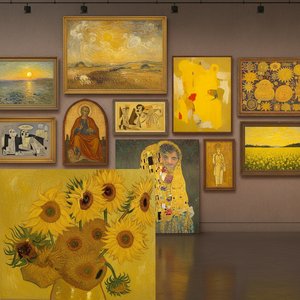
A 'króm sárga' tónusok 10 legikonikusabb mesterműve – Festmények, művészek és inspiráció otthonra
Fedezze fel a 'króm sárga' tónusok 10 leggyönyörűbb festményét! Van Gogh, Monet és más híres művészek remekművei inspiráló történetekkel. Múzeumminőségű reprodukciók otthonra – TopImpressionists.com.

Echoes of Time: Exploring the Enduring Appeal & Historical Context of Vintage Art Prints
Explore the captivating world of vintage art prints! Discover their history, collecting tips & enduring appeal. Expert insights on chromolithography and building a legacy collection with TopImpressionists.

Giclée Prints: Archival Quality & Aesthetic Nuances for the Discerning Collector
Explore the world of giclée prints with TopImpressionists. Learn about archival quality, aesthetic nuances & investment potential. Expert guidance for discerning art collectors seeking museum-quality reproductions and lasting value.

The Enduring Legacy of Fine Art Prints: Technique, History & Aesthetic Impact
Explore the rich history & techniques of fine art prints. Discover investment potential, assess authenticity, and learn how to preserve your collection with expert guidance. Trusted insights for discerning collectors.
Fedezze fel a műalkotásokat témák, stílusok és jellemzők szerint csoportosítva.


