


 Megtekintés
 Küldés
 Megosztás
 Részletek
 Útmutató

 Letöltés
 Hasonló darabok
 X-ray felvétel
 Diavetítés
 Statisztika
Minerva
 Olajfestmény vászonon
- Falfelültethető művészetek
- Barokk realizmus
 1640
1640- Korai modern kor
 131.0 x 103.0 cm
 Uffizi Képtár
Élje át Artemisia Gentileschi Minerva című művének drámai barokk intenzitását! A bölcsesség és erő hatalmas portréja mesteri chiaroscuro technikával, időtlen eleganciát nyújtva magánkollekciójába.
 Összes részlet megjelenítése
Artemisia Gentileschi (1593-1654): A barokk festőnő, aki a női erővét és a tragédiák elkerülhetetlenségét ábrázolta. Egy igazságérzékű, szívszorítóan realista művésznő! #ArtemisiaGentileschi
Kézzel készített olajfestmény reprodukció
Kézzel festett olajvastú vászon, az Ön által választott méretben és keretben, művészeink készítik meglévőre. ( Váltás nyomtatványra Áttérés digitális képre)




P118B Ft10

P118H Ft10

P118W Ft10

P438Z Ft10

P508JH Ft12

P508YH Ft12

P805H Ft10

P805Z Ft10

P919BZ Ft10

P919G Ft10

P919XJ Ft10

P959ZH Ft10

P968JZ Ft12

W106C Ft8

W218G Ft10

W218JH Ft8

W218Y Ft10

W307PJ Ft10

W316G Ft10

W316PJ Ft8

W316Y Ft10

W398PJ Ft8

W4111J Ft10

W500HY Ft15

W500JH Ft15

W692G Ft12

W849H Ft8

W940BG Ft15

W953PJ Ft8




Standard méret
egyedi méretű
CM
INCH
Válasszon előre meghatározott méreteink közül, amelyek megfelelnek a műalkotás eredeti arányainak.
Loading sizes...

szélesség
magasság
Írja be a kívánt szélességet és magasságot, hogy illeszkedjen a keretéhez vagy a falához. Mivel ez kézzel festett alkotás, egy eltérő formájú méret esetén a művész akár festhet is valamivel többet a kép körül, vagy korolathat is belőle — az Ön döntésének megfelelően. A festés megkezdése előtt küldünk egy digitális tervezetet jóváhagyásra. Az oldalon látható kép nem tartalmazza a végeredményt — csak a tervezet mutatja meg a valódi eredményt.
Példák arra, mit lehet módosítani: az arc kicserélése az ügyfél fotójára; háziállat hozzáadása (pl. macska helyett kutya); rejtett üzenet elhelyezése a háttérben; a háttér tájának vagy elemeinek megváltoztatása.
A rendelést követően a TopImpressionists.com csapata e-mailt küld az ügyfélnek az instrukciókért, és biztosít egy előnézeti képet (mockup).
A rendelést követően a TopImpressionists.com csapata e-mailt küld az ügyfélnek az instrukciókért, és biztosít egy előnézeti képet (mockup).
Világszerte elérhető szállítás () 3-4 hét alatt a szokásos 5 hét helyett. (28 október). A minőség nem kérdőjelezhető.

Ingyenes globális expressz szállítás

Prémium minőségű len vászon

Teljes körű szállítási biztosítás

Vámvisszatérítési Garancia

Hiteles színarányosság garancia

100 napos visszaküldési lehetőség (csak hibás termékek esetén)

100% pénzvisszatérítési garancia

Több darab vásárlásakor kedvezmény
 Az üvegkeretes opció csak 110 cm alatti méretben érhető el

Minerva
Reprodukciós technika
Reprodukció mérete
-


Összesített ár
Ft 86843
A isteni bölcsesség és a kitartás látmánya
A barokk kor monumentális szövetében kevés hang rézonál annyira mély erővel és pszichológiai mélységgel, mint Artemisia Gentileschié. Remekműve, a körülbelül 1640 körül készült Minerva, nem csupán egy istennő portréja, hanem a bátorság és az intellektuális szuverenitás lélegzetelállító megtestesülése. Ahogy a néző szembejön ezzel a monumentális vászonnal, azonnal megrázza őt a római bölcsesség, az igazságosság és a stratégiai hadvezetés istennőjének parancsoló jelenléte. A sötét, áteső sötétség hátterében Minerva megküzd a finnyú árnyékokkal, elütközve a fény ragyogásával, megkérkedhetetlen nyugalommal tör elő, tekintete pedig olyan áttetsző tisztasággal találkozik a megfigyelővel, amely tiszteletre és mély gondolkodásra késztet.
A kompozíció a tenebrizmus mesterműve, egy drámai stílus, amelyet a fény és az árnyék közötti intenzív kontrasztok jellemeznek. Gentileschi ezt a technikát használja fel a istennő arcvonatainak megsculptálására, haptikus, háromdimenziós minőséget kölcsönözve bőrének és királyi lila ruhája nehéz fodrászáinak. A fény ezen játéka — a chiaroscuro — több mint egyszerű mélységet teremt; feladata a tárgy állotta belső szilárdságának megvilágítása is. Ruházatának mély ibolyaszínű tónusai egyszerre idéznek fel pietásságot és nemességet, miközben a mellé álló alakok finom jelenléte narratív összetettséget ad a képnek, egy isteni kísérőcsapatra utalva, amely megerősíti az istennő tekintélyét és kozmikus felelősségének súlyát.
Az árnyék és a szimbolika művészete
A Minerva megtekintése olyan művész precíz technikai tudásának tanúbizonysága, aki elsajátította az olajfestészet nyelvét a vásznon. Minden egyes ecsetvonat célját szolgálja, az istennő arcának lágy, fényáradó ábrázolásától kezdve az attributumai éles, fémfényű csillogásáig. A művész képessége a textúrák megörökítésére — a selyem fényében, az anyag súlyában és egy isteni lény finom izomzatában — olyan realizmust mutat, amely Caravaggioforradalmi szellemiségével teszi egyenrangúvá. Ez a technikai precizitás biztosítja, hogy a festmény lenyűgöző központja maradjon, képes árasztani drámai energiáját és kifinomult esztétikáját egy bármely teret megállító alkotásként.
Vizuális pompáján túlmutatva a festmény gazdag szimbolikus rétegekkel. A Minerva kezében magasba emelt bot az isteni vezetés és a legitim hatalom erőteljes jelképe. A modern gyűjtők vagy belsőépítészek számára ez a mű több, mint puszta dekoráció; intellektuális stimulációként szolgáló fókuszpontot nyújt. Az alkotás testre imprimálja a bölcsesség győzelmét a káosz felett és a szellem ellenállókészségét a nehézségekkel szemben. Evokatív választás azok számára, akik keresik a történelmi súly, az időtlen elegancia és a női autonómia erőteljes narratívájának beáramlását környezeteikbe — egy olyan történet, amely évszázadokkal alkotása után is awe-indító hatással bír.
Kérdések és válaszok
Általánosságban inkább világos vagy sötét a "Minerva"?
A „Minerva”, Artemisia Gentileschi alkotása rögzített értékei: mély árnyékok fényerő és Sötét luminancia.
A "Minerva" alkotója honában található-e?
Nem – a műtárgy külföldön található. A „Minerva” mű Italy múzeumának gyűjteményében található, míg Artemisia Gentileschi Olaszország országban született.
A "Minerva" Artemisia Gentileschi egyik legnépszerűbb műve?
A „Minerva”, Artemisia Gentileschi alkotása népszerűségi szintje Ikonikus. Ez a besorolás azt tükrözi, mennyire ismert és elismert ez a mű.
A művész életrajza
A Daughter of Rome: The Life and Art of Artemisia Gentileschi
Artemisia Gentileschi’s name echoes through the halls of art history, resonating not simply as that of a painter, but as an emblem of resilience, defiance, and extraordinary artistic talent in a world determined to silence female voices. Born in Rome in 1593, she entered a milieu steeped in artistry—her father, Orazio Gentileschi, was a respected painter deeply influenced by the revolutionary realism of Caravaggio. From her earliest years, Artemisia’s gift was undeniable, nurtured within her father's workshop where she absorbed techniques of composition and the dramatic use of light and shadow that would become hallmarks of her distinctive style. This formative training wasn’t merely about mastering brushstrokes; it was an immersion into a world of artistic ambition, one typically closed to women. Recognizing his daughter’s exceptional talent, Orazio provided opportunities unavailable to most females of the era, allowing her to study from life models—a crucial step in developing anatomical accuracy and expressive power.Shadows and Strength: Artistic Development
Gentileschi's artistic development was profoundly shaped by Caravaggio’s tenebrism—the stark contrast between light and darkness that imbued his paintings with an intense emotionality. Yet, she didn’t simply mimic her father or Caravaggio; she forged her own unique voice, characterized by a raw psychological depth and a compelling focus on female subjects often depicted with unprecedented agency and strength. Even in her early works, like *Susanna and the Elders* (1610), a biblical scene depicting Susanna being spied upon by two lecherous old men, Artemisia’s interpretation diverges from traditional portrayals. Here, Susanna isn't passively vulnerable; she displays a quiet dignity and resistance, foreshadowing the powerful female figures that would dominate her later oeuvre. But it is *Judith Slaying Holofernes* (existing in multiple versions between 1614-1620) that cemented her reputation as a master of dramatic narrative and psychological realism. The painting isn’t merely a depiction of violence; it's an exploration of courage, determination, and the righteous fury of a woman defending her people. The visceral intensity, the unflinching portrayal of the act itself, shocked and captivated audiences then—and continues to do so today. Other notable works like *Judith and her Maidservant* (1625) and *Danaë* (c. 1636-1639) further demonstrate her evolving style, showcasing both vulnerability and power in her female protagonists. Her ability to render flesh with such realism, combined with a masterful use of chiaroscuro, created scenes that were both terrifying and deeply moving.A Trial by Fire: Trauma and Triumph
Artemisia’s life was irrevocably altered by a horrific event: her rape at the hands of Agostino Tassi, a fellow painter and colleague of her father. The ensuing trial (1611-1612) became a public spectacle, subjecting Artemisia to grueling questioning and societal scrutiny. While she bravely testified against Tassi, the proceedings were marred by bias and attempts to discredit her character. This trauma profoundly impacted her life and art, imbuing her work with an emotional intensity that some scholars believe is directly linked to her personal experiences. The trial itself became a symbol of the challenges faced by women seeking justice in a patriarchal society. Despite this ordeal, Artemisia refused to be defined by it. She continued to paint, moving between Rome, Florence, and Naples, establishing herself as a successful artist in her own right. In 1616, she achieved another milestone: becoming the first woman admitted to the Accademia di Arte del Disegno in Florence—a testament to her talent and perseverance. This achievement was not merely symbolic; it opened doors for future generations of female artists.Key Works
- Judith Slaying Holofernes (1614-1620): Perhaps her most famous work, showcasing dramatic realism and female empowerment.
- Susanna and the Elders (1610): An early masterpiece demonstrating her unique interpretation of a classic biblical scene.
- Judith and Her Maidservant (1625): A compelling portrayal of female solidarity and strength after a violent act.
- Danaë (c. 1636-1639): A sensual and psychologically complex depiction of the mythological figure.
Legacy of a Pioneer
Artemisia Gentileschi’s career spanned decades, marked by both artistic innovation and personal resilience. She worked for prominent patrons, including the Medici family, and established a thriving workshop, proving that women could not only excel as artists but also succeed in a traditionally male-dominated profession. For centuries, her work was often overshadowed by the circumstances of her life, viewed through the lens of scandal rather than artistic merit. However, beginning in the 20th century, there has been a significant reevaluation of her art, recognizing her as one of the most important and innovative painters of the Baroque period. Her paintings are now celebrated for their emotional depth, dramatic realism, and powerful depictions of women—not as passive objects but as active agents in their own narratives. Artemisia Gentileschi is more than just an artist; she’s a feminist icon, a trailblazer who defied societal expectations and left behind a legacy that continues to inspire generations. Her story serves as a potent reminder of the importance of recognizing and celebrating the contributions of women throughout history—and of ensuring that their voices are never silenced again. She painted not just with her hands, but with her soul, leaving an indelible mark on the world of art.
Artemisia Gentileschi
1593 - 1656 , Olaszország
Rövid információk
- Artistic Movement Or Style: Barokk festészet
- Artists Or Movements Influenced By This Artist: ['Feminista művészet']
- Artists Who Influenced This Artist:
- Caravaggio
- Orazio Gentileschi
- Date Of Birth: 1593. július 8.
- Date Of Death: 1654. január 31.
- Full Name: Artemisia Gentileschi
- Nationality: Olasz
- Notable Artworks:
- Judit Holofernés
- Zsuzsanna és a vének
- Danae
- Place Of Birth: Róma, Itália
Kapcsolódó cikkek
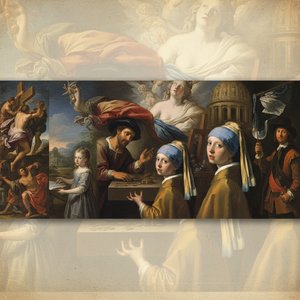
A Barokk Mesterek 10 Legikonikusabb Remekműve – TopImpressionists.com
Fedezze fel a barokk művészet 10 legpártosabb remekművét! Caravaggio, Rembrandt és Vermeer alkotásainak története – TopImpressionists.com kínálatában exkluzív reprodukciók és inspiráló dekorációs ötletek várják Önt. Nézze meg most!

The Visceral Stage: Exploring Dramatic Narratives & Emotional Intensity in Baroque Art
Explore the dramatic world of Baroque art! Discover iconic masters like Caravaggio & Rembrandt, their techniques, and the movement's lasting impact. Expert insights for collectors & enthusiasts at TopImpressionists.

Barokk dráma: A nagyság és az érzelem bevonása a kortárs belső terekbe
Fedezze fel a barokk stílus nagyságát és drámáját! Ismerje meg a belsőépítészet jellegzetességeit, inspirálódjon híres enteriőrökből, és valósítsa meg álmai luxus otthonát szakértő útmutatásunkkal.

Italian Baroque Unlocked: High-Drama Art That Hits Hard
Dive into the high-drama world of Italian Baroque art. Discover how chiaroscuro, intense emotion, and theatrical lighting redefined aesthetics. Explore the visceral power of the Counter-Reformation through a modern lens with expert insights from TopImpressionists.com.

The Dramatic Flourish: Exploring the Baroque Movement's Enduring Legacy in Art History
Explore the dramatic world of Baroque art! Discover iconic artists like Caravaggio & Rubens, defining techniques, and its lasting impact on art history. Expert insights for collectors & enthusiasts at TopImpressionists.
Fedezze fel a műalkotásokat témák, stílusok és jellemzők szerint csoportosítva.


