

 Előnézet
 Megosztás
 Megosztás
 Részletek
 Útmutató

 Letöltés
 Hasonló darabok
 X-ray felvétel
 Diavetítés
 Statisztika
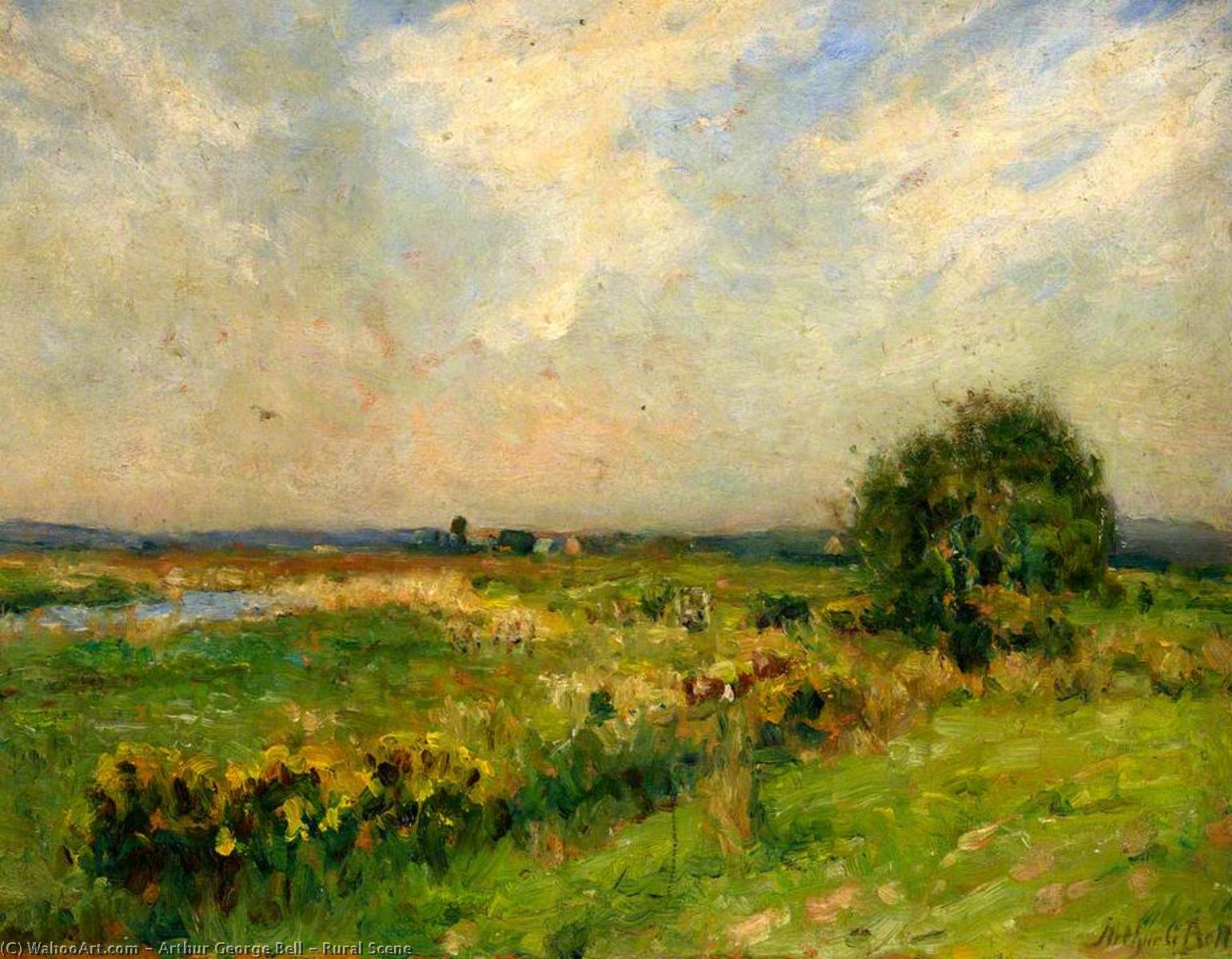
Rural Scene
 25.0 x 46.0 cm
Discover Arthur George Bell's captivating landscapes & rural scenes. Explore his nature-inspired artworks, from woodland rivers to autumnal vistas.
 Tovább olvasom
Az ezen az oldalon megjelenített műalkotások szerzői jogi védelem alatt állnak, ami azt jelenti, hogy törvényileg nem készíthetünk és nem adhatunk el belőlük pontos másolatokat. Ez a védelem olyan nemzetközi megállapodások alapján érvényesül, mint például a Berni Egyezmény és a nemzeti törvények által, beleértve azokat is, amelyeket meghatározott Az USA szerzői jogi törvénye – 17. cím.
Mint tiszteletes és törvényes alternatívát, olyan egyedi, kézzel festett alkotásokat kínálunk, amelyek az eredetiből merítnek inspirációt. Tapasztalt és professzionális művészeink alaposan tanulmányozzák az eredeti stílusát, hangulatát és művészeti esszenciáját, hogy egy olyan új, egyedi alkotást hozzunk létre, amely ugyanazt az érzést kelti – miközben önálló, eredeti alkotásként létezik.
Ez a módszer teljes mértékben megfelel a szerzői jogi szabályozásnak, mivel nem tartalmazza a védett műalkotás másolását vagy duplikálását. Ehelyett ez egy kreatív újinterpretáció – egy új festmény, amely az eredetivel való összefüggései miatt hatással van rá, de nem az az.
Kézzel készített olajfestmény reprodukció
Kézzel festett olajvastú vászon, az Ön által választott méretben és keretben, művészeink készítik meglévőre. ( Váltás nyomtatványra Áttérés digitális képre)




































Standard méret
egyedi
CM
INCH
Válasszon előre meghatározott méreteink közül, amelyek megfelelnek a műalkotás eredeti arányainak.
Loading sizes...

szélesség
magasság
Írja be a kívánt szélességet és magasságot, hogy illeszkedjen a keretéhez vagy a falához. Mivel ez kézzel festett alkotás, egy eltérő formájú méret esetén a művész akár festhet is valamivel többet a kép körül, vagy korolathat is belőle — az Ön döntésének megfelelően. A festés megkezdése előtt küldünk egy digitális tervezetet jóváhagyásra. Az oldalon látható kép nem tartalmazza a végeredményt — csak a tervezet mutatja meg a valódi eredményt.
Példák arra, mit lehet módosítani: az arc kicserélése az ügyfél fotójára; háziállat hozzáadása (pl. macska helyett kutya); rejtett üzenet elhelyezése a háttérben; a háttér tájának vagy elemeinek megváltoztatása.
A rendelést követően a TopImpressionists.com csapata e-mailt küld az ügyfélnek az instrukciókért, és biztosít egy előnézeti képet (mockup).
A rendelést követően a TopImpressionists.com csapata e-mailt küld az ügyfélnek az instrukciókért, és biztosít egy előnézeti képet (mockup).
Világszerte elérhető szállítás () 3-4 hét alatt a szokásos 5 hét helyett. (21 október). A minőség nem kérdőjelezhető.

Ingyenes globális expressz szállítás

Prémium minőségű len vászon

Teljes körű szállítási biztosítás

Vámvisszatérítési Garancia

Tökéletes színarányosság garancia

100 napos visszaküldési garancia (csak gyártási hibás termékek esetén)

100% pénzvisszatérítési garancia

Több darab vásárlásakor kedvezmény
 Az üvegkeretes opció csak 110 cm alatti méretben érhető el

Rural Scene
Reprodukciós technika
Reprodukció méretei
-


Összesített ár
Ft 84995


A művész életrajza
The Soul of the Dorset Landscape
Arthur George Bell stands as a singular figure in British landscape painting, a chronicler of the Dorset countryside and its rhythms whose canvases capture not merely visual beauty but also the very spirit of rural life at the turn of the century. Born around 1867 into a family of farmers in Dorset, England, Bell possessed an innate connection to the land that would profoundly shape his artistic vision. His heritage provided him with a deep-seated understanding of the seasonal shifts and the quiet labor of the countryside, allowing him to transform ordinary scenery into evocative depictions that resonate with both emotion and memory. While he may have been overshadowed by more celebrated contemporaries during his lifetime, his meticulous observation and deeply felt connection to his surroundings cemented his reputation as one of Dorset's foremost artists.
The development of Bell’s distinctive style was significantly shaped by his formal training at the prestigious Slade School of Fine Art in London during the late 19th and early 20th centuries. It was here that he encountered the transformative power of Impressionism, absorbing the techniques of masters such as Claude Monet and Pierre-Auguste Renoir. This exposure proved pivotal, steering him away from rigid academic traditions that favored studio-bound renderings toward the practice of plein air painting. By prioritizing direct observation, Bell learned to capture the fleeting moments of light, atmosphere, and texture that define a landscape. His work became a study in the ephemeral, seeking to document the silvery sheen of rain-swept meadows and the golden, heavy hues of autumn foliage with a painterly sensitivity.
Technique and Atmospheric Vision
Bell’s artistry is characterized by a masterful command of light and a meticulous attention to detail achieved through painstaking brushstrokes. He did not merely document the geography of his home; he sought to convey its very essence—the dampness of peat bogs, the ruggedness of the coastline, and the serene stillness of meandering rivers. His approach allowed him to breathe life into his subjects, making the viewer feel the weight of the air and the temperature of the sun. Whether depicting a wide, sweeping vista or a focused, intimate corner of a woodland, Bell utilized an Impressionistic palette to evoke specific moods, ranging from the romantic tranquility of a river scene to the industrious charm of rural labor.
His repertoire of subjects often centered on the recurring motifs of the Dorset landscape, including:
- The Rugged Coastline: Capturing the powerful interaction between sea and shore.
- Pastoral Serenity: Depicting rolling hills dotted with sheep farms and peaceful meadows.
- Seasonal Transitions: Illustrating the dramatic shifts from the lushness of summer to the melancholic beauty of autumn.
- Rural Industry: Documenting the rhythmic, traditional activities of country life, such as the digging and drying of peat.
Legacy and Historical Significance
The historical significance of Arthur George Bell lies in his ability to preserve a vanishing way of life through his art. As the turn of the century brought rapid industrialization and social change to England, Bell’s work serves as a vital visual record of the traditional Dorset landscape and its rhythms. His paintings are more than mere landscapes; they are nostalgic windows into a period where the connection between humanity and the earth felt profoundly intimate. Through his dedication to capturing the "soul" of his region, he created a body of work that continues to offer solace and beauty to collectors and scholars alike.
Today, Bell’s legacy is found in the enduring emotional resonance of his canvases. His ability to blend the technical precision of his training with the raw, unadorned beauty of his native soil ensures that his contribution to British landscape painting remains a cherished chapter in the history of art. He remains an artist whose work invites us to slow down, to observe the subtle shifts in light, and to appreciate the quiet majesty of the natural world.

Gyors információk
- Full Name: Arthur George Bell
- Nationality: British
- Place Of Birth: Dorset
- Notable Artworks: ['The River Wey']
- Artistic Movement Or Style: Rural landscapes
- Artists Who Influenced This Artist: ['John Constable']
- Artists Or Movements Influenced By This Artist: ['Romanticism']