

 Megtekintés
 Küldés
 Megosztás
 Részletek
 Útmutató

 Letöltés
 Hasonló darabok
 X-ray felvétel
 Diavetítés
 Kérdések és válaszok
 Statisztika
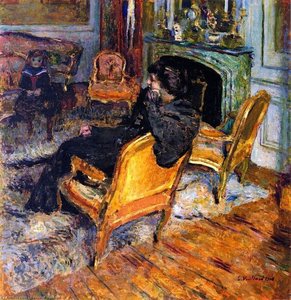
Paul Painting, Study


Captured in warm hues by Impressionist Camille Pissarro’s masterful brushstrokes depict a serene man absorbed in music within a cozy Parisian interior—a timeless study celebrating light and domestic tranquility. Explore exquisite oil painting reproductions at TopImpressionists.com.
 Összes részlet megjelenítése
Fedezd fel Pissarro festményeit: lenyűgöző tájak és hétköznapi jelenetek! A művészet egyik legjelentősebb alakja, aki nagy hatással volt Van Goghurt, Cézannre és másokra. Egyedi stílusával a világot ábrázolja!
Giclée / Műnyomat
Múzeumi minőségű giclée vagy vászonnyomat, gyors gyártással és rugalmas finomítási lehetőségekkel. ( Kézzel festett másolat rendelése Áttérés digitális képre)




P118B Ft10

P118H Ft10

P118W Ft10

P438Z Ft10

P508JH Ft12

P508YH Ft12

P805H Ft10

P805Z Ft10

P919BZ Ft10

P919G Ft10

P919XJ Ft10

P959ZH Ft10

P968JZ Ft12

W106C Ft8

W218G Ft10

W218JH Ft8

W218Y Ft10

W307PJ Ft10

W316G Ft10

W316PJ Ft8

W316Y Ft10

W398PJ Ft8

W4111J Ft10

W500HY Ft15

W500JH Ft15

W692G Ft12

W849H Ft8

W940BG Ft15

W953PJ Ft8




Standard méret
egyedi méretű
CM
INCH
Válasszon előre meghatározott méreteink közül, amelyek megfelelnek a műalkotás eredeti arányainak.
Loading sizes...

szélesség
magasság
Írja be a keretének vagy a falának megfelelő szélességet és magasságot. A nyomatot csak le lehet vágni, soha nem tehető nagyobbá, mint az eredeti kép, így egy eltérő alakú méretnél a kép egy része elveszik. Mielőtt bármit kinyatintanánk, küldünk egy digitális próbamodellt jóváhagyásra. Az oldalon látható kép nem tartalmazza a valós levágást — ezt csak a próbamodell mutatja meg.
Világszerte történő kiszállítás területére mindössze 2 hét alatt, a szokásos 4-5 hét helyett. (5 november)

Ingyenes globális expressz szállítás

Prémium minőségű len vászon

Teljes körű szállítási biztosítás

Vámvisszatérítési Garancia

Hiteles színarányosság garancia

100 napos visszaküldési lehetőség (csak hibás termékek esetén)

100% pénzvisszatérítési garancia

Több darab vásárlásakor kedvezmény
 Az üvegkeretes opció csak 110 cm alatti méretben érhető el

Paul Painting, Study
Giclée / Műnyomat
Reprodukció mérete
-


Összesített ár
Ft 22729
A Quiet Moment Captured: Exploring Camille Pissarro’s “Paul Painting, Study”
The Impressionist movement sought to capture fleeting moments of everyday life—a radical departure from the grand narratives favored by preceding artistic eras—and Camille Pissarro's "Paul Painting, Study" exemplifies this ethos beautifully. Executed in 1898, this unassuming oil on canvas offers a profound glimpse into the artist’s meticulous observation and his masterful ability to convey emotion through subtle tonal shifts and textural nuances. It’s more than just a depiction of a man seated with instruments; it's an invitation to contemplate stillness amidst activity, intellect intertwined with comfort.The Scene Unfolds: Composition and Setting
Pissarro skillfully arranges the elements within his canvas—a single chair positioned centrally, accompanied by several others scattered around the room—to create a sense of intimacy and immediacy. Bookshelves laden with volumes punctuate the space, suggesting contemplation and erudition. A dining table occupies the background, subtly anchoring the composition while hinting at domestic tranquility. The artist’s gaze isn't focused on grand vistas or dramatic action; instead, he concentrates on capturing the quiet interplay of light and shadow illuminating the room—a hallmark of Impressionist technique.Technique and Color Palette: Mastering Light
Pissarro’s brushstrokes are loose and expressive, prioritizing the impression of light over precise representation. He employs a muted palette dominated by warm hues – ochres, yellows, and reds – which imbue the scene with a palpable warmth. These colors aren't merely decorative; they contribute to the overall mood, fostering feelings of serenity and reflection. The artist meticulously blends pigments to achieve subtle gradations of tone, skillfully capturing the way sunlight filters through the window, casting dappled light across surfaces and creating an ethereal atmosphere. This technique is particularly evident in the depiction of the chair’s upholstery and the tabletop—areas where Pissarro painstakingly builds up layers of paint to simulate the texture of fabric and wood.Historical Context: Impressionism's Embrace of Domestic Life
“Paul Painting, Study” emerged during a period when Impressionists were increasingly interested in portraying scenes from ordinary life – a reaction against academic conventions that prioritized idealized landscapes and mythological subjects. Pissarro’s work reflects the broader artistic preoccupation with capturing the sensory experience of the present moment—the sights, sounds, and smells of daily existence. It aligns perfectly with the movement's core belief that art should strive to mirror the complexities and beauties inherent in human experience. The painting speaks to a desire for authenticity and connection, mirroring the burgeoning interest in portraying domestic interiors as spaces of comfort and contemplation.Symbolism Beyond the Surface
While seemingly simple on first glance, “Paul Painting, Study” carries subtle symbolic weight. The man seated with instruments represents intellectual pursuits alongside artistic expression—a harmonious blend of mind and craft. The books symbolize knowledge and wisdom, reinforcing the painting’s contemplative mood. Ultimately, Pissarro invites us to consider the beauty found in quiet moments of reflection and connection – a timeless message conveyed through masterful technique and evocative color.Kérdések és válaszok
Milyen hangulatot kölcsönözne a "Paul Painting, Study" egy térnek?
A Calm hangulatával a "Paul Painting, Study" című alkotás egy Living Room helyiségbe is javasolt.
Hogyan szerezhető be „Paul Painting, Study”, Pissarro alkotása digitális fájlja?
A „Paul Painting, Study”, Pissarro alkotása digitális képét a következő oldalon vásárolhatja meg: Digitális alkotás: magas felbontású digitális kép letöltése.
Ki készítette a "Paul Painting, Study" alkotást, és milyen stílusú?
A „Paul Painting, Study” alkotását Pissarro készítette Impressionist Landscape stílusban. A művész és a műveszetség meghatározza a mű hagyományát.
Hasonló műalkotások



A művész életrajza
A Life Rooted in Observation: The World of Camille Pissarro
Camille Pissarro, a name synonymous with both the birth and evolution of Impressionism, was an artist whose life mirrored the shifting landscapes he so devotedly captured on canvas. Born Jacob Abraham Camille Pissarro on July 10, 1830, in Charlotte Amalie, St. Thomas – then part of the Danish West Indies, now the US Virgin Islands – his origins were as diverse and vibrant as the scenes that would later define his artistic vision. His father, a Portuguese Jewish merchant with French nationality, and his mother, from a French-Jewish family on the island, instilled in him a unique cultural heritage. This upbringing, somewhat unconventional due to familial complexities, fostered an early sensitivity to the world around him, a quality that would become the cornerstone of his artistic practice. His initial formal training at the Savary Academy near Paris provided a foundation in traditional techniques, but it was his return to St. Thomas and subsequent work as a cargo clerk that truly ignited his passion for observation. The bustling harbor, the vibrant local life, and the raw beauty of the Caribbean landscape became his first subjects, shaping an eye keenly attuned to the nuances of everyday existence.From Realism to Revolution: Artistic Development
Pissarro’s artistic journey was one of constant exploration and refinement. After a period assisting Danish painter Anton Melbye in Paris, he immersed himself in the works of masters like Gustave Courbet, Jean-Baptiste-Camille Corot, and Honoré Daumier – artists who championed realism and social commentary. He initially sought acceptance within the established art world, exhibiting at the Paris Salon, but soon found its constraints stifling. A pivotal moment came with his embrace of *plein air* painting—working outdoors directly from nature—a practice encouraged by Corot that would become central to Impressionism. This shift wasn’t merely technical; it represented a philosophical change, a desire to capture the fleeting effects of light and atmosphere, the very essence of a scene rather than its precise representation. He began experimenting with looser brushwork and brighter palettes, moving away from academic conventions towards a more subjective and expressive style. His early landscapes, though still grounded in realism, hinted at the revolutionary path he was about to forge. This period saw him grappling with finding his own voice amidst the burgeoning artistic ferment of Paris, a city undergoing rapid transformation that provided endless inspiration.The Father Figure of Impressionism
Camille Pissarro wasn’t simply *an* Impressionist; he was arguably its most steadfast and unifying force. Uniquely, he exhibited at all eight Paris Impressionist exhibitions between 1874 and 1886, acting as a stabilizing presence within a group often characterized by internal disagreements and individual ambitions. He wasn’t merely present—he actively encouraged his fellow artists, offering support, guidance, and a much-needed sense of camaraderie. This earned him the affectionate nickname “the father figure” of the movement. His commitment to artistic freedom and innovation was unwavering, even in the face of critical scorn and public indifference. He believed in the power of collective action and championed the idea of artists exhibiting independently from the Salon’s restrictive rules. Beyond his own work, Pissarro's influence extended to a younger generation of artists, including Paul Cézanne, Vincent van Gogh, and Paul Gauguin, whom he mentored and profoundly impacted. He provided them with not only technical advice but also a philosophical framework for their artistic explorations. His willingness to experiment led him briefly into Neo-Impressionism, influenced by Georges Seurat and Paul Signac’s pointillist techniques, before ultimately returning to a more personal style that blended his earlier influences with new discoveries.Landscapes of Life: Themes and Legacy
Pissarro's artistic output was remarkably diverse, yet consistently focused on the world around him. He is celebrated for his depictions of both rural and urban landscapes, often portraying scenes of everyday life—peasants working in fields, bustling Parisian streets, quiet village squares. His paintings weren’t simply picturesque views; they were social commentaries, reflecting his deep empathy for the working class and his commitment to depicting their lives with dignity and respect.- Landscapes: Renowned for capturing the beauty of both countryside and city life.
- Scenes of Parisian Life: Vivid portrayals of a rapidly changing metropolis.
- Peasant Life: Reflecting his social consciousness and empathy for the working class.

Pissarro
1830 - 1903 , Dán-Antillák
Rövid információk
- Artistic Movement Or Style: Impressionista, Divizionista
- Artists Or Movements Influenced By This Artist:
- Cézanne
- Van Gogh
- Gauguin
- Artists Who Influenced This Artist:
- Courbet
- Corot
- Daubigny
- Date Of Birth: 1830. július 10.
- Date Of Death: 1903. november 13.
- Full Name: Camille Pissarro
- Nationality: Dán-francia
- Notable Artworks:
- A Boulevard Montmartre
- Betakarítás Pontoise-ban
- Place Of Birth: Charlotte Amalie, USA
Kapcsolódó cikkek

The Soul of Impressionism: Why Oil on Canvas Captures Eternal Light and Timeless Emotion
Discover the enchanting alchemy of Impressionism. Explore how the mastery of oil on canvas, through glazing and impasto, captures eternal light and emotion. Perfect for lovers of Monet and Van Gogh seeking the profound depth of hand-painted fine art.
Fedezze fel a műalkotásokat témák, stílusok és jellemzők szerint csoportosítva.


