

A képen: · A kerettel együtt:
 Megtekintés
 Küldés
 Megosztás
 Részletek
 Útmutató

 Letöltés
 Hasonló darabok
 X-ray felvétel
 Diavetítés
 Kérdések és válaszok
 Statisztika

Ft 87664
Kézzel készített olajfestmény reprodukció
Kézzel festett olajvastú vászon, az Ön által választott méretben és keretben, művészeink készítik meglévőre. ( Váltás nyomtatványra Áttérés digitális képre)
Méret
·Standard méret
egyedi méretű
CM
INCH
Válasszon előre meghatározott méreteink közül, amelyek megfelelnek a műalkotás eredeti arányainak.
Méretek betöltése...

szélesség
magasság
Írja be a kívánt szélességet és magasságot, hogy illeszkedjen a keretéhez vagy a falához. Mivel ez kézzel festett alkotás, egy eltérő formájú méret esetén a művész akár festhet is valamivel többet a kép körül, vagy korolathat is belőle — az Ön döntésének megfelelően. A festés megkezdése előtt küldünk egy digitális tervezetet jóváhagyásra. Az oldalon látható kép nem tartalmazza a végeredményt — csak a tervezet mutatja meg a valódi eredményt.
 További információk
Befejezés
·
Fehér Ft1

Elmosódott szélek Ft1

Kiterjesztett Ft1

P118B Ft10

P118H Ft10

P118W Ft10

P438Z Ft10

P508JH Ft12

P508YH Ft12

P805H Ft10

P805Z Ft10

P919BZ Ft10

P919G Ft10

P919XJ Ft10

P959ZH Ft10

P968JZ Ft12

W106C Ft8

W218G Ft10

W218JH Ft8

W218Y Ft10

W307PJ Ft10

W316G Ft10

W316PJ Ft8

W316Y Ft10

W398PJ Ft8

W4111J Ft10

W500HY Ft15

W500JH Ft15

W692G Ft12

W849H Ft8

W940BG Ft15

W953PJ Ft8

H24-GOLD Ft30

H24-SILVER Ft30

H36-GOLD Ft45

H36-SILVER Ft45
Védődobozban, feltekercselve szállítva, készen a saját keretbe helyezésre.
Extrák
opcionálisMit tartalmaznak a plusz szolgáltatások?
Példák a módosíthatóságra: Az arc kicserélése a vásárló fotójára; háziállat hozzáadása (pl. macska kicserélése kutyára); rejtett üzenet elhelyezése a háttérben; a háttér tájéképének vagy elemeinek megváltoztatása.
A megrendelést követően a TopImpressionists.com csapat e-mailt küld a vásárlónak az instrukciókkal, és biztosítja a tervezeti előnézetet
A megrendelést követően a TopImpressionists.com csapat e-mailt küld a vásárlónak az instrukciókkal, és biztosítja a tervezeti előnézetet
Világszerte elérhető szállítás () 3-4 hét alatt a szokásos 5 hét helyett. (9 november). A minőség nem kérdőjelezhető.
Védőréteg (Lakk)
Névtábla
A gravírozott bronztábla részletei
This elegant plaque features the artist's name and the title of the artwork, finely engraved for a timeless presentation.
It is made from bronze with a refined, elegant finish. The text is precisely laser-engraved for a sharp and permanent result. Measuring 9x2 cm, the plaque is compact yet easy to read. It's built to be durable and scratch-resistant, offering a professional, museum-quality look. Mounting is simple thanks to the included adhesive backing.
Átlátszó akril tábla részletei
The plaque includes essential engraved details such as the artist's name, the title of the artwork, the date it was created, the type of media used-like oil on canvas or watercolor-a brief description of the piece, and a QR code that links to the complete artwork information.
It is crafted from clear acrylic, offering a sleek, modern appearance. The text is UV-engraved in black to ensure strong visual contrast. With a size of 10x15 cm, it ensures optimal readability. It comes equipped with two metal hooks for secure wall mounting. The plaque is designed to be weather-resistant, making it suitable for various environments, and it includes interactive features that work seamlessly with smartphone scanning.
Fekete akril tábla részletei
This elegant plaque includes engraved information such as the artist's name, the title of the artwork, the date it was created, the type of media used (like oil on canvas or watercolor), a short description of the artwork, and a QR code for quick access to more information.
The plaque itself is made from refined black acrylic with a premium finish. The text is laser-engraved in white for high contrast and readability. Its size is 10x15 cm, designed to be easy to read. It comes with two metal hooks for professional mounting. The design is sleek and fits any interior style. It is also weather-resistant and durable, with built-in digital integration for mobile compatibility.
Az üvegkeretes opció csak 110 cm alatti méretben érhető el
 Az üvegkeretes opció csak 110 cm alatti méretben érhető el
- Ingyenes globális expressz szállítás
- Prémium minőségű len vászon
- Teljes körű szállítási biztosítás
- Vámvisszatérítési Garancia
- Hiteles színarányosság garancia
- 100 napos visszaküldési lehetőség (csak hibás termékek esetén)
- 100% pénzvisszatérítési garancia
- Több darab vásárlásakor kedvezmény


A gyűjtemény leírása
Caravaggio mesterlenye, a 'Flight' című alkotás: a Végtelenben rejlő spirituális mélység, a fény és árnyék játékával. Együtt tekinthetünk meg a művész egyedi stílusának, a zsámonkívüli hatásainak.
A művész életrajza
Caravaggio (1571-1610): Barokk festő, aki a realizmust és a chiaroscuro drámai fényekkel ötvözte. Vallási témák, intenzív érzelmek, forradalmi stílus!
A festményről
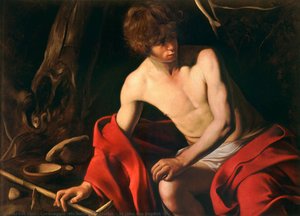
Flight
The painting "Flight" is a masterpiece created by the renowned Italian artist Michelangelo Merisi da Caravaggio (Michelangelo Merisi), a pivotal figure in Baroque art and whose revolutionary approach to painting continues to inspire artists today. This beautiful work of art transcends mere depiction; it’s an immersive experience into a moment of profound spiritual contemplation, skillfully rendered with unparalleled realism and dramatic lighting—a hallmark of Caravaggio's distinctive style.The Artist and His Work
Michelangelo Merisi da Caravaggio (1571-1610), born in Milan amidst considerable hardship following the deaths of his father and grandfather during a devastating plague, embarked on an artistic journey that would reshape European painting. Initially apprenticed to Simone Peterzano under Titian’s tutelage—a formative experience emphasizing Renaissance techniques—Caravaggio swiftly established himself in Rome around 1592, rejecting academic conventions and prioritizing direct observation of the human condition. His unwavering commitment to portraying emotion with visceral intensity, coupled with his masterful manipulation of chiaroscuro (tenebrism), cemented his legacy as a revolutionary innovator who profoundly influenced artists like Hans Memling and Francisco Zurbaran. Caravaggio’s stylistic boldness challenged the prevailing Mannerist aesthetic, favoring naturalistic detail alongside dramatic contrasts between light and dark—a technique that would become synonymous with Baroque grandeur.The Painting's Subject Matter
“Flight” depicts Mary cradling Jesus in her arms, surrounded by angels in a serene landscape bathed in ethereal light. The scene captures the Virgin’s tenderness and devotion as she gazes upwards towards God, conveying an atmosphere of peace and spiritual grace. Caravaggio’s meticulous attention to detail—from the folds of Mary's robe to the expressions on the angelic faces—creates a palpable sense of immediacy and emotional resonance. Unlike many religious paintings of his time, Caravaggio eschewed idealized representations, opting instead for unflinching realism that mirrored the complexities of human experience. The landscape serves as a subtle backdrop, emphasizing the sanctity of the moment without overwhelming it with elaborate ornamentation.Technique and Style
Caravaggio’s technique—characterized by rapid brushstrokes and direct application of pigment onto canvas—was revolutionary for its time. He eschewed preparatory sketches and relied on improvisation, capturing fleeting expressions and textures with remarkable accuracy. His signature use of tenebrism—the dramatic juxtaposition of intense light and deep shadow—created a palpable sense of depth and emotion, drawing the viewer’s eye into the heart of the composition. Caravaggio's masterful control over chiaroscuro transformed ordinary scenes into theatrical spectacles, imbuing them with psychological drama and spiritual significance. The painting exemplifies Baroque art’s ambition to evoke powerful emotions in the observer—a testament to Caravaggio’s unparalleled artistic vision.Similar Paintings
Other paintings that showcase similar stylistic elements include “The Annunciation” by Hans Memling, demonstrating a refined blend of realism and devotional piety; “Vision of Blessed Alonso Rodriguez” by Francisco Zurbaran, capturing a contemplative mood with subdued colors and masterful use of light; and “The Holy Family with the Little Bird” by Bartolome Esteban Murillo, presenting a harmonious depiction of familial affection within a tranquil setting. These artworks can be found in museums such as Santa Maria Donna Regina in Naples, Italy—institutions dedicated to preserving and showcasing masterpieces of Baroque art.- Hans Memling:Virgin Enthroned with Child and Angel
- Francisco Zurbaran:Vision of Blessed Alonso Rodriguez
- Bartolome Esteban Murillo:The Holy Family with the Little Bird
Caravaggio’s influence extends far beyond his immediate contemporaries, shaping artistic sensibilities for centuries to come. For more information on Michelangelo Merisi da Caravaggio and his enduring legacy, visit https://TopImpressionists.com.
Kérdések és válaszok
Elérhető-e a "Fligh" minőségi nyomtatványként?
A „Fligh”, Caravaggio alkotása nyomtatott példányát egyszerűen megrendelheti a következő oldalon: minőségi giclée nyomat pamutvászonon vagy archiváló vászonpapíron, a Művészeti nyomtatvány kautta.
Ki a "Fligh" szerzője, és mely művészeti irányból származik?
A „Fligh” alkotását Caravaggio készítette Baroque Painting stílusban. A művész és a műveszetség meghatározza a mű hagyományát.
Letölthető-e a(z) "Fligh"?
A „Fligh”, Caravaggio alkotása képe letölthető a mű Letöltés oldaláról: magas felbontású digitális kép letöltése.
Gyors tények és művészeti kvíz
Caravaggio életrajza

Caravaggio
1571 - 1610, Spanyolország
A művész életrajza
Egy Élet az Árnyék és a Fény között
Michelangelo Merisi da Caravaggio, akinek neve összefonódott a barokk festészet drámai intenzitásával, 1571-ben született Milánóban, egy olyan korszakban, amely tele volt művészi virágzással és társadalmi felfordulásokkal. Korai évei veszteséggel voltak terheltek; a pestis elpusztította szülővárosát, hatéves korában elvesztve apját és nagypapáját. Viszonylagos szegénységben nevelkedett, Michelangelo fiatal éveiben mély tudatosság alakult ki az emberi szenvedéssel és ellenállóképességgel kapcsolatban – témák, amelyek később vásznait uralták. Művészi képzését Milánóban kezdte Simone Peterzano alatt, Titian egykori tanítványánál, elsajátítva a reneszánsztudás alapjait, de már ekkor is látszott egy lázadó szellem, amely hamarosan meg fogja törni a hagyományos normákat. Ez a tanulószerződés szilárd alapot biztosított, ám Rómában, körülbelül 1592-ben érkezve találta meg igazán hangját, bár kezdeti küzdelmek és nehézségek nélkül nem is. A város, a művészeti pártfogáság és vallási izgalom élénk központja, egyaránt vonzó és kegyetlen volt az ambiciózus fiatal festő számára.Forradalmasító Látásmód: Technika és Stílus
Caravaggio megérkezése Rómába a művészet világában földrengést jelentett. Elutasította a korábbi manierista stílust – amelyet mesterképességével és nyújtott formáival jellemeztek – egy kompromisszumot nem ismerő realizmus javára, amely megdöbbentette és lenyűgözte a közönséget. Legmeghatározóbb újítása volt a chiaroscuro mesteri használata, a fény és sötétség drámai kontrasztja, amelyet egyedülálló kifejező erőre emelt. Ez a technika, gyakran tenebrizmus néven ismert, nem csupán esztétikai választás volt; az érzelmi hatás fokozásának eszköze volt, bevonva a nézőt a jelenet szívébe, és képi alakjait tapintható jelenlétével átitatva. Elutasította az idealizált ábrázolásokat, ehelyett a mindennapi embereket – gyakran Róma utcáiról – használta vallási figurák modelljeiként. Ez radikális megközelítés megkérdőjelezte a szépség és szentség hagyományos fogalmait, így téve a szentet kapcsolhatóvá és mélyen emberivé. Kompozíciói gyakran szűkek és közvetlenek voltak, intenzív drámai pillanatokra összpontosítva, legyen szó "A Keresztfogás" brutális realizmusáról vagy "Szent Ferenc asszisziói extázis" csendes elmélkedéséről.Főbb Művei és Tartós Hatása
Viszonylag rövid pályafutása során Caravaggio olyan munkákat alkotott, amelyek a mai napig rezonálnak a közönséggel. Korai művei, mint például "A Jövőkártya" (1594), tehetségét mutatják a realista részletek és pszichológiai árnyalatok megragadásában. A londoni National Galleryben található "Emmausi vacsora" (1601-1602) példázza a chiaroscuro elsajátítását és a bibliai narratíván belüli mély érzelmi mélység közvetítésének képességét. A "Dávid Goliát fejével" (kb. 1610) különösen kísérteties, gyakran önarcképként értelmezik, amely Caravaggio saját nyugtalan lelkiállapotát tükrözi. Hatása messze túlnyúlt Olaszország határain, inspirálva a "caravaggisták" vagy „árnyékfestők” egy generációját, akik Európa-szerte átvették stílusát. Neves követői közé tartozott Peter Paul Rubens, Jusepe de Ribera és Gerrit van Honthorst, mindegyikük Caravaggio technikáit saját egyedi művészi látásmódjához igazította.Zűrzavaros Élet és Tartós Örökség
Caravaggio élete ugyanolyan drámai és viharos volt, mint a művészete. Volatil temperamentuma és verekedések iránti hajlama gyakran bajba keverte a törvénnyel, 1606-ban egy gyilkossági váddal végződött, ami arra kényszerítette, hogy elmeneküljön Rómából. A következő négy évét Nápolyban, Máltán és Szicíliában töltötte, festett, miközben kétségbeesetten keresett pápai kegyelmet. Erfőlésének ellenére bűnös maradt, múltja kísértette és személyes konfliktusok sújtották. 1610-ben halt meg Porto Ercoleban, Olaszországban rejtélyes körülmények között – halálának oka máig vitatott, a láztól a mérgezésig terjedő elméletekkel. Rövid élete ellenére Caravaggio művészeti öröksége tanúbizonyságát teszi forradalmasító látásmódjáról és a realizmus iránti töretlen elkötelezettségéről. Megkérdőjelezte kora konvencióit, utat nyitva egy modernebb festészeti megközelítésnek, és maradandó nyomot hagyott a nyugati művészettörténetben. Művei továbbra is ámulatot keltenek és elgondolkodtatnak, emlékeztetve minket a művészet erejére, hogy megvilágítsuk az emberi létezés legsötétebb sarkait.Gyors információk Caravaggio művészről
- Artistic Movement Or Style: Barokk, Tenebrizmus
- Artists Or Movements Influenced By This Artist:
- Rubens
- Caravaggisták
- Artists Who Influenced This Artist:
- Titian
- Leonardo da Vinci
- Date Of Birth: 1571. szeptember 29.
- Date Of Death: 1610. július 18.
- Full Name: Michelangelo Merisi da Caravaggio
- Nationality: Olasz
- Notable Artworks:
- A jövőképző
- Emmausi vacsora
- Place Of Birth (City And Country): Milánó, Spanyolország
Fedezze fel a műalkotásokat témák, stílusok és jellemzők szerint csoportosítva.




Caravaggio
Fligh
() ·
A kerettel együtt: · Kézzel festve, olajfesték, vászonon
Összesen