


 Megtekintés
 Küldés
 Megosztás
 Részletek
 Útmutató

 Letöltés
 Hasonló darabok
 X-ray felvétel
 Diavetítés
 Statisztika
Cefalu
 Olajfestmény vászonon
- Falfeliratok és faldekoráció
- Romantic Landscape Painting
 1830
1830 63.0 x 79.0 cm
 Wallraf-Richartz Múzeum
Széles látószögű olajképet készített Rottmann Cefalu címen (1830). Szicíliai táj romantikus művészettel és építészetivé tett részletekkel. Kézzel festett reprodukciók érhetők el!
 Összes részlet megjelenítése
Explore the evocative landscapes of Carl Rottmann – German Romanticism master! Discover his mythical scenes & Bavarian vistas. A key figure in 19th-century art.
Giclée / Műnyomat
Múzeumi minőségű giclée vagy vászonnyomat, gyors gyártással és rugalmas finomítási lehetőségekkel. ( Kézzel festett másolat rendelése Áttérés digitális képre)




P118B Ft10

P118H Ft10

P118W Ft10

P438Z Ft10

P508JH Ft12

P508YH Ft12

P805H Ft10

P805Z Ft10

P919BZ Ft10

P919G Ft10

P919XJ Ft10

P959ZH Ft10

P968JZ Ft12

W106C Ft8

W218G Ft10

W218JH Ft8

W218Y Ft10

W307PJ Ft10

W316G Ft10

W316PJ Ft8

W316Y Ft10

W398PJ Ft8

W4111J Ft10

W500HY Ft15

W500JH Ft15

W692G Ft12

W849H Ft8

W940BG Ft15

W953PJ Ft8




Standard méret
egyedi méretű
CM
INCH
Válasszon előre meghatározott méreteink közül, amelyek megfelelnek a műalkotás eredeti arányainak.
Loading sizes...

szélesség
magasság
Írja be a keretének vagy a falának megfelelő szélességet és magasságot. A nyomatot csak le lehet vágni, soha nem tehető nagyobbá, mint az eredeti kép, így egy eltérő alakú méretnél a kép egy része elveszik. Mielőtt bármit kinyatintanánk, küldünk egy digitális próbamodellt jóváhagyásra. Az oldalon látható kép nem tartalmazza a valós levágást — ezt csak a próbamodell mutatja meg.
Világszerte történő kiszállítás területére mindössze 2 hét alatt, a szokásos 4-5 hét helyett. (27 október)

Ingyenes globális expressz szállítás

Prémium minőségű len vászon

Teljes körű szállítási biztosítás

Vámvisszatérítési Garancia

Hiteles színarányosság garancia

100 napos visszaküldési lehetőség (csak hibás termékek esetén)

100% pénzvisszatérítési garancia

Több darab vásárlásakor kedvezmény
 Az üvegkeretes opció csak 110 cm alatti méretben érhető el

Cefalu
Giclée / Műnyomat
Reprodukció mérete
-


Összesített ár
Ft 22150
Carl Anton Joseph Rottmann és Cefalu – Egy Szicíliai Érzelmek Tája
A német romantikus festő Carl Anton Joseph Rottmann 1830-ban alkotott Cefalu című tájképe egy igazán lenyűgöző művért mutat be, amely Szicília jellegzetes szépségeit és építészeti vonzását tökéletesíti. Rottmann kétségtelenül az európai művészet egyik legnagyobb alakja volt, aki különösen a tájképek megfestésében új irányokat mutatott fel, és ezt a festményét bizonyítja meg. Az alkotó látleányvai szellemét pedig nem csak a technikájában, hanem az egész művében érzékelhetjük. A tájkép központját egy hatalmas kőfal dombolja fölé, mely felszíne gyors és dinamikus fényképezésével tudja megjátszani Rottmann ösztöneit. Az artista látleányvai szellemét pedig nem csak a technikájában, hanem az egész művében érzékelhetjük. A festő nagy ügyességet tanúsított a fény és árnyék használatában, hogy mély perspektívát és háromdimenziós megjelenést érjen el. Ez különösen fontos szerepet játszik abban, hogy megközelítsük az épületet és megérjük Szicília nyugodt légkörét. Az alkotó részletes figyelmét fordította a növényzet és az épület díszítéseire is, ami tovább hangsúlyozza Szicília különleges szépségét és kulturális örökeit. A festmény színezetében dominálják a mélykék és ezüstös árnyalatok, melyek harmonikus egyensúlyt alkotnak az épület meleg színvilágával szemben. Rottmann ügyetlenül használta ki Szicília fényét és árnyékát, hogy megközelítsük az épületet és megérjük Szicília nyugodt légkörét. Az artista látleányvai szellemét pedig nem csak a technikájában, hanem az egész művében érzékelhetjük. Egy különleges érzelmek táját mutat be Szicília tájképe, mely egyszerre mély nyugtalanságot és hatalmas szépséget tükröz meg. A festmény egy részét nagy ügyességet tanúsított a fény és árnyék használatában, hogy mély perspektívát és háromdimenziós megjelenést érjen el. Ez különösen fontos szerepet játszik abban, hogy megközelítsük az épületet és megérjük Szicília nyugodt légkörét. Az artista látleányvai szellemét pedig nem csak a technikájában, hanem az egész művében érzékelhetjük. Egy különleges érzelmek táját mutat be Szicília tájképe, mely egyszerre mély nyugtalanságot és hatalmas szépséget tükröz meg. A festmény egy részét nagy ügyességet tanúsított a fény és árnyék használatában, hogy mély perspektívát és háromdimenziós megjelenést érjen el. Ez különösen fontos szerepet játszik abban, hogy megközelítsük az épületet és megérjük Szicília nyugodt légkörét. Az artista látleányvai szellemét pedig nem csak a technikájában, hanem az egész művében érzékelhetjük. Egy különleges érzelmek táját mutat be Szicília tájképe, mely egyszerre mély nyugtalanságot és hatalmas szépséget tükröz meg. A festmény egy részét nagy ügyességet tanúsított a fény és árnyék használatában, hogy mély perspektívát és háromdimenziós megjelenést érjen el. Ez különösen fontos szerepet játszik abban, hogy megközelítsük az épületet és megérjük Szicília nyugodt légkörét. Az artista látleányvai szellemét pedig nem csak a technikájában, hanem az egész művében érzékelhetjük. Egy különleges érzelmek táját mutat be Szicília tájképe, mely egyszerre mély nyugtalanságot és hatalmas szépséget tükröz meg. A festmény egy részét nagy ügyességet tanúsított a fény és árnyék használatában, hogy mély perspektívát és háromdimenziós megjelenést érjen el. Ez különösen fontos szerepet játszik abban, hogy megközelítsük az épületet és megérjük Szicília nyugodt légkörét. Az artista látleányvai szellemét pedig nem csak a technikájában, hanem az egész művében érzékelhetjük. Egy különleges érzelmek táját mutat be Szicília tájképe, mely egyszerre mély nyugtalanságot és hatalmas szépséget tükröz meg.Kérdések és válaszok
Milyen érzelmi hangulat kíséri a "Cefalu" alkotás Romantic Landscape Painting stílusát?
A "Cefalu" a Romantic Landscape Painting korszak Melankolikus érzelmi hangulatát tükrözi.
Hogyan illeszkedik a "Cefalu" Carl Anton Joseph Rottmann témáiba és stílusába?
A "Cefalu" megosztja Carl Anton Joseph Rottmann többi művével a Romantic Landscape Painting stílust és a rögzített témákat: nature's grandeur inspires, romantic ideals prevail, landscape reflects emotion, rottmann’s signature style, sicilian beauty captured.
„Cefalu”, Carl Anton Joseph Rottmann alkotása erős kontrasztokat vagy lágy harmóniákat használ?
A "Cefalu" alkotásban egy Kijelentés kontraszt párosul egy Lágyan kevert paletta harmóniával.
A művész életrajza
The Visionary Landscapes of Carl Rottmann
Born in the tranquil setting of Handschuhsheim, Germany, in 1797, Carl Anton Joseph Rottmann emerged as a profound voice within the movement of German Romanticism. His life and artistry were deeply intertwined with the shifting landscapes of 19th-century Europe, reflecting a period where the sublime beauty of nature met the burgeoning spirit of national identity. Unlike many of his contemporaries who focused on the intimate or the domestic, Rottmann possessed an expansive vision, seeking to capture the monumental scale of the world through sweeping vistas and mythic atmospheres. His journey was one of constant movement, traveling through the rugged terrains of Greece, Italy, and the Bavarian Alps, each location leaving an indelible mark on his palette and his perception of the divine within the natural world.
The development of Rottmann’s style was a masterful evolution from classical precision to a more emotive, atmospheric approach. Influenced by the grand traditions of landscape painting, he moved beyond mere topographical accuracy to embrace the sublime—that specific Romantic quality of awe and terror inspired by the vastness of nature. His technique involved a sophisticated understanding of light and shadow, using them not just to define form, and shape, but to evoke a sense of historical weight and mythic presence. In his hands, a mountain range was never just stone and ice; it was a silent witness to antiquity, a stage for the legends of old. This ability to infuse physical geography with spiritual and historical narrative became the hallmark of his mature period.
A Legacy of Light and Myth
Rottmann’s achievements are most notably seen in his ability to bridge the gap between the tangible world and the realm of imagination. His works often serve as windows into a lost era, where the ruins of ancient civilizations seem to breathe under the soft glow of a Mediterranean sun or the misty shroud of a northern forest. Through his meticulous attention to the interplay of light upon textures—the roughness of weathered stone, the translucency of water, and the softness of clouds—he achieved a level of luminosity that captivated the art world of his time.
The historical significance of his oeuvre lies in its role as a cornerstone of Romantic landscape art. His contributions can be summarized through several key artistic pillars:
- The Synthesis of History and Nature: He pioneered a method of painting where the landscape itself acts as a vessel for historical memory, blending archaeological interest with poetic expression.
- Mastery of Atmospheric Perspective: His use of color temperature and clarity to create depth allowed viewers to feel immersed in the vastness of his depicted scenes.
- Cultural Documentation: Through his travels, he provided a visual record of the European landscapes that were central to the Romantic identity, particularly the Greek and Bavarian vistas.
Ultimately, the work of Carl Rottmann remains a testament to the power of the gaze to transform the ordinary into the extraordinary. He did not merely paint what he saw; he painted what he felt in the presence of greatness. His legacy continues to resonate with those who find beauty in the monumental and meaning in the silent, enduring features of our earth, ensuring his place as a vital figure in the tapestry of 19th-century European art.

Carl Anton Joseph Rottmann
1797 - 1850 , Germany
Rövid információk
- Full Name: Joseph Wright of Derby
- Nationality: English
- Date Of Birth: 1797
- Date Of Death: 1850
- Place Of Birth: Handschuhsheim, Germany
- Notable Artworks:
- An Experiment on a Bird in the Air Pump
- The Slaughtered Horse
- A Man Defending His Cart
- Artistic Movement Or Style: Romanticism, Neoclassicism
- Artists Who Influenced This Artist:
- Janys Zedres
- Rembrandt
- Artists Or Movements Influenced By This Artist:
- Joshua Reynolds
- Romanticism
Kapcsolódó cikkek

Capturing the Soul: The Emotional Magic and Sublime Grandeur of Romantic Landscape Painting
Explore the profound emotional depth of Romantic landscape painting. Discover how masters like Friedrich and Turner captured the sublime through light, shadow, and nature's power in this expert art history retrospective for discerning collectors.
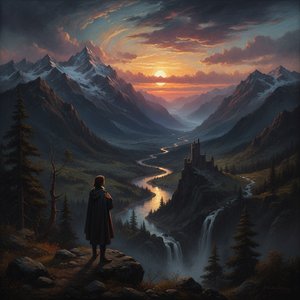
Capturing the Soul: The Emotional Majesty and Sublime Power of Romantic Landscape Painting
Explore the profound emotional depth of Romantic landscape painting. Discover how masters like Turner and Friedrich captured the sublime power of nature through intuition and imagination in this expert art history retrospective.
Fedezze fel a műalkotásokat témák, stílusok és jellemzők szerint csoportosítva.


